Letter to Geis from This Side of the Glass


Letter to Geis from This Side of the Glass

Dear Greg: I can’t help but think about windows, their
function, their meanings, intended and otherwise, how
they block some entities but allow others entrance. A
black vulture feather lies just on the other side of this
pane, but the laws of material and physics prevent me
from reaching through and claiming it. Maybe I’d
sharpen the end, dip it into squid ink and write letters.
Or not. Cephalopods are scarce in the hill country,
unlike carrion birds, wild hogs and scorpions, and frankly,
ballpoint pens require less maintenance. Lately, the
opaque has redirected my attention — no matter which
government agency speaks, I feel surrounded by their
pseudomorphs, those little indistinct clouds of mucus and
dark pigment released to confuse and numb me. A common
occurrence, I hear, and all the more frightening for it. I
think of where we’re headed, collectively and individually,
and even knowing that our destination remains unchanged
offers small comfort. One foot at a time, the steps matter,
and though it appears we won’t share those planned brews
in Bandera, I’ll chuckle over our last meeting there and
dream up a conversation about futility and compromise,
and yes, success. I’ve just spent twenty minutes trying to
help a yellow jacket escape. It wouldn’t leave the glass even
after I left the door ajar, allowing a fly to enter. Instead,
it gazed out at the hazy morning, seeking a way through
refraction’s oblique path. Finally, shepherded with my bare
hand, it reluctantly skittered to the jamb, and I coaxed it
the final few inches by pushing it with the door. Such
are my days. A little faith, some hope, luck and a great
unknowing. This window seems cloudy, or is it just
my eyes? I miss you, buddy, as do the hills and the sky
and everything nestled and bustling between.  Bob


This first appeared in May 2020 in the Taos Journal of International Poetry & Art. D.G. Geis was a friend, a larger than life  poet, and a fellow Texan. We were both finalists for the Slippery Elm poetry prize in 2017, and after learning that we didn’t win, decided to have a “losers’ lunch” in Bandera, Texas, the closest town to our respective rural properties. Much laughter ensued, and we made plans to get together for a beer in the coming months. Alas, that was not to be.


The Politics of Doors


The Politics of Doors

With every doorway, decisions.
Accept, deny. Turn.

How to resist the ajar,
the barely closed?

Is what emerges
expelled or escaped,

free or released?
Resistant as always,

I swivel,
pause to inhale.


This Turning

turning


This Turning

what one says
depends not on
words the wind

begins it does
not end but
lends itself to

an end this
turning may be
an answer the

sound of intent
so concealed a
word displayed is

only a word
not an end
nor the beginning


magnets

Another oldie from the eighties. It seems that even my poetry was thinner then.

Summer 1966: After France & Remembering Bobby, Who One Day Would Learn to Multiply and Divide, Write Love Poems, Define Home, Fight Unfairly and Live with as Much Gusto as a 7-Year Old. Perhaps.


Summer 1966: After France & Remembering Bobby,
Who One Day Would Learn to Multiply and Divide,
Write Love Poems, Define Home, Fight Unfairly and
Live with as Much Gusto as a 7-Year Old. Perhaps.

From left coast to right, or the wide arc between,
which place claimed you? In New York you marveled
at the building’s backs scratched by clouds, and all your
pale cousins in Baltimore spoke strangely and couldn’t fathom
your nuclear family’s private lingo, while the drive to Texas
and its red ants and iced tea blossomed into adventures between
pages in the back seat of the VW bug. By the second week you
learned that Texans sweat as much as the French, and swear even
more, that you couldn’t fight one twin without taking on the other,
sometimes both at once. There was no question of fairness then,
just brotherhood, but the librarian would slip you the choicest
donated fiction, and you played baseball every day in the vacant lot
until sundown called the players home to black and white body
counts and cigarette commercials on the three channels received.
Sometimes you lay in bed under the half-light of the whirring
fan blades, and dreamt of heroes and ornithopters, zebras
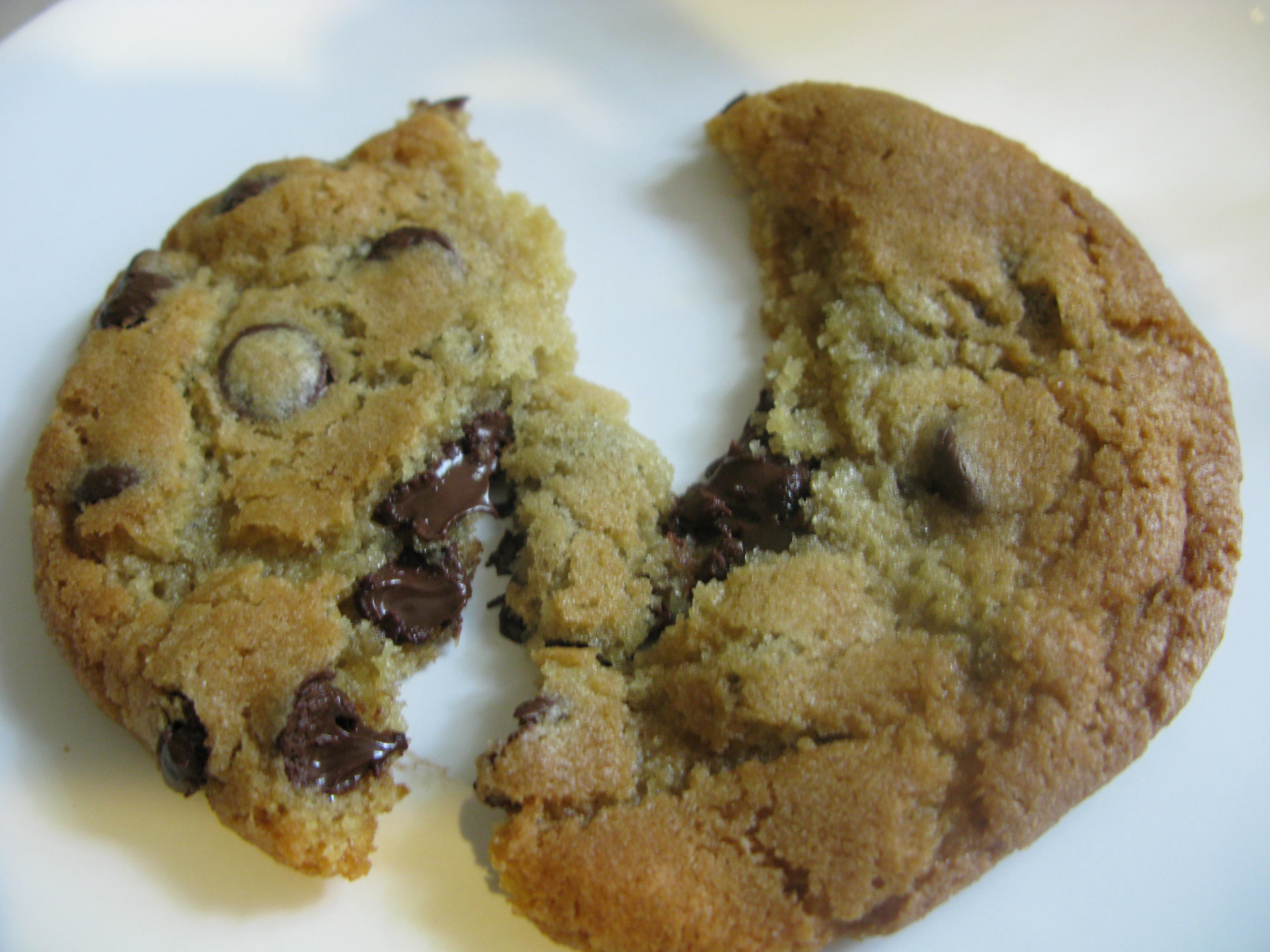
and the scent of chocolate chip cookies in the oven. Other nights
you wondered how words could rest so calmly on one page yet
explode off the next, or why a man would climb a tower in Austin
to kill fourteen people when opportunities for mayhem and murder
burgeoned across the sea. Wasn’t living a matter of simple
subtraction? One by one the days parted and you walked through
that dwindling heat, eyes squinting, questions in hand, emerging
fifty years later having suffered additions and division and the
cruelties of love and success, honor and truth, still asking why
and how, home or house, where it went, your shoulders slumping
under the heft of those beautiful, terrible summers stacked high
like so many life-gatherings of unread books awaiting a bonfire.


This was first published in theSilver Birch Press “Moving” series, and an earlier version titled “Bonjour, Texas” appeared on the blog A Holistic Journey.


Scarecrow Dances

Scarecrow Dances

A case of the almost
tapping into the deed:

I dance in daylight,
but never on stairs

nor in countable
patterns, the wind

and birds my only
partners. When the

left arm twitches
counter to the right

hand’s frisk, my
head swivels with

the breeze, catching
my feet in pointe,

a moment endured
in humor. Luther

Robinson switched names
with his brother Bill

and became Bojangles,
but my brothers remain

nameless and silent,
flapping without desire

or intent. Why am I
as I am, born of no

mother, stitched and
stuffed, never nurtured

but left to become this
fluttering entity, thinking,

always thinking, whirling,
flowing rhythmically

in sequence, in time
to unheard music?

No one answers me.
But for now, I dance.

“Scarecrow Dances” first appeared in The Blue Nib in September 2016.

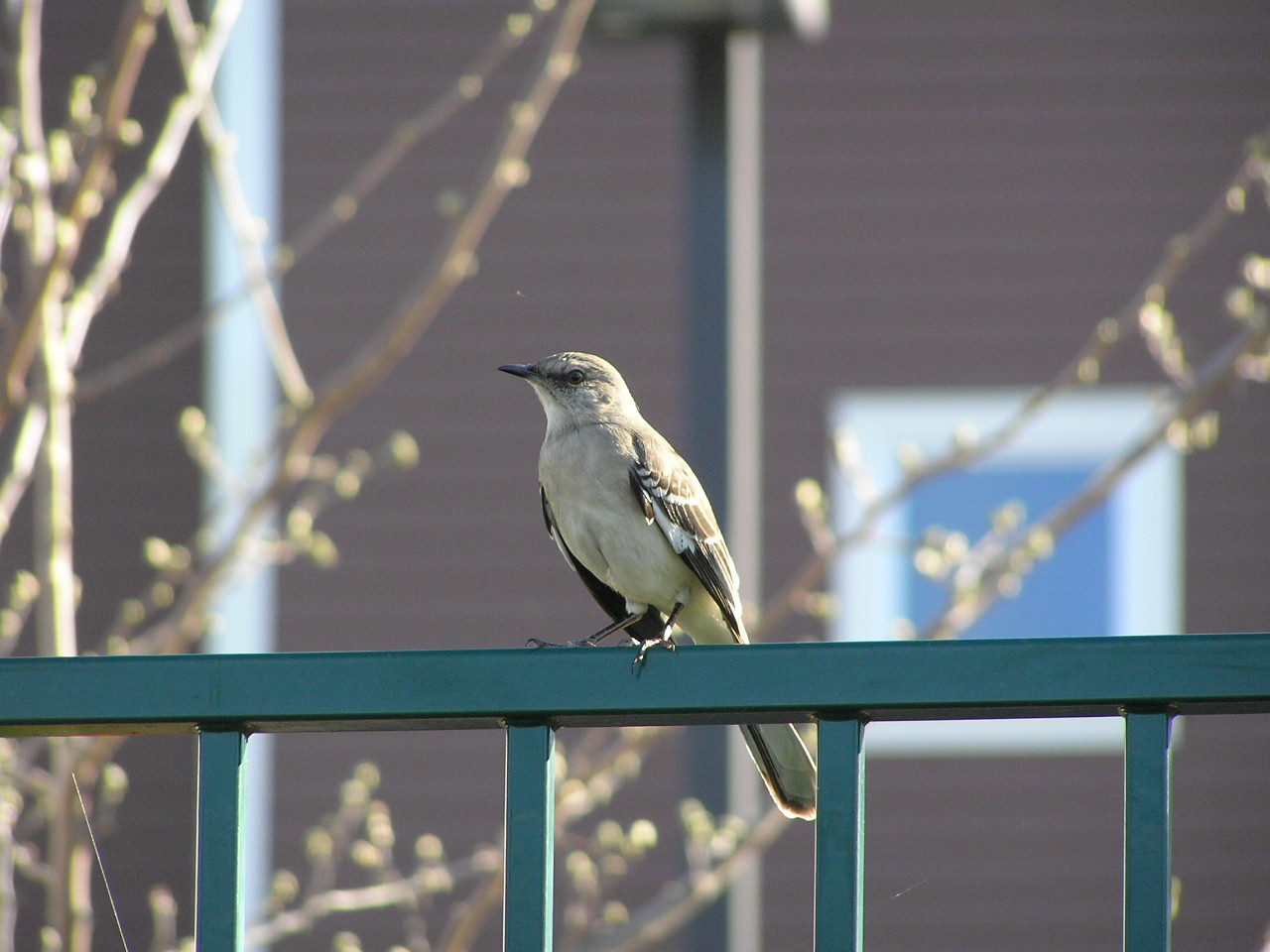
Mockingbird III

OLYMPUS DIGITAL CAMERA


Mockingbird III

Songs, returned
to their space

within the sphere of
movement, the patterns inscribed
as if to touch the face of every

wind: here one moment, then
gone. This quickness delights us.
How, then, do we so often forget

those things we share? Night
comes and goes to another’s
phrase, yet each note is so precisely

placed, so carefully rendered
that we hear only the voice, not its source.


* * *

Another piece from the 80s. This first appeared here in March 2015, and would likely be a much longer poem if I were to write it today.


20131129_140442


Arthritis

photo(10)


Arthritis

If at night I stray in thought,
dreaming of nimble fingers

and my departed dog’s walk,
will you smile

when I scratch his absent ear
and apologize for the times

I failed him? Even combined,
all the words in these unread books

could never soothe the guilt
of leisure and complacency, nor

match the joy of jumping
for the kicked ball, no matter the

outcome, despite the consequences.


image

“Arthritis” is included in Indra’s Net: An International Anthology of Poetry in Aid of The Book Bus, and has appeared on the blog as well.

All profits from this anthology published by Bennison Books will go to The Book Bus, a charity which aims to improve child literacy rates in Africa, Asia and South America by providing children with books and the inspiration to read them.

Available at Amazon (UK) and Amazon (US)


Poem Swallowing Itself

OLYMPUS DIGITAL CAMERA

Poem Swallowing Itself

Reading aloud—
people turn their heads
and step back, never

imagining what lies behind,
expecting neither snakes
nor bear traps nor other ambush.

Beginning where one ends, or
continuing a conversation
over decades, the truth

rises then subsides,
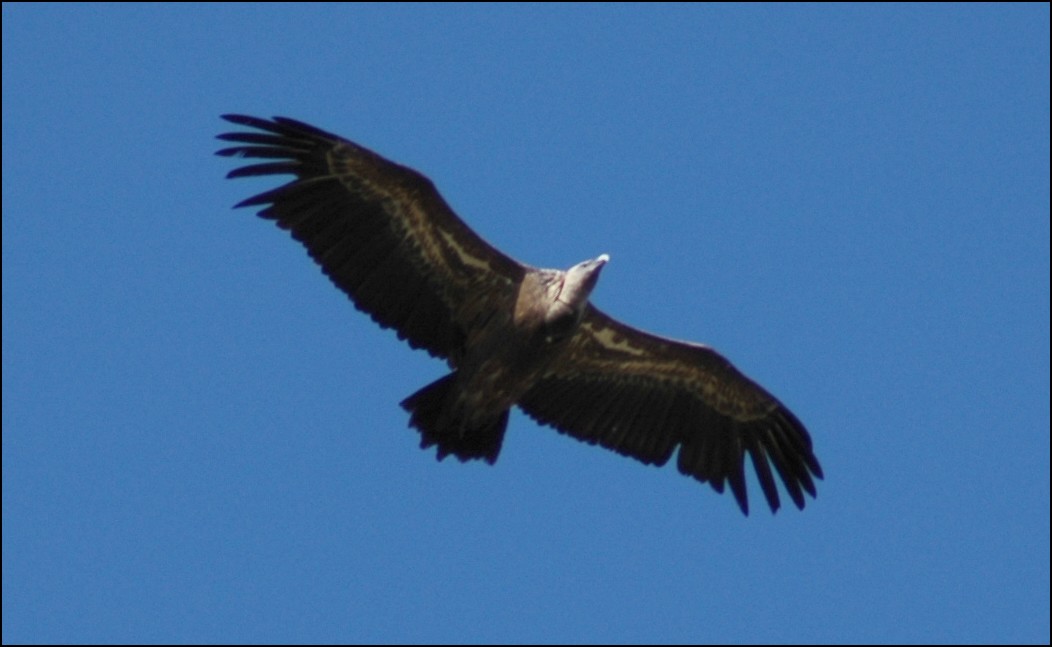
like soaring vultures or
cubes in scotch whiskey.

Measuring volume by
glance, the poem shivers,
opens its mouth wide.

vulture

“Poem Swallowing Itself” first appeared here in April 2016.

Cracked


Cracked

When you say smile, I hear footsteps.
When you say love, I think shortened breath,
an inner tube swelling in the abdomen,
and the magic of tension and elasticity.
Decision, indecision. Bursting
points. The child’s hand clenching
a pin. I tell myself this, too,
will pass, that life’s gifts
balance hurt with pleasure. One
kiss lands in softness. Another twists
into bruises and cracked ribs. Two
nights in intensive care, perpetual
nerve-shredding. When you say quiet,
I see headstones. When you say
please, I feel fingers at my throat.


“Cracked” first appeared in Noble Gas Quarterly. I’m grateful to the Noble Gas team for taking this piece.


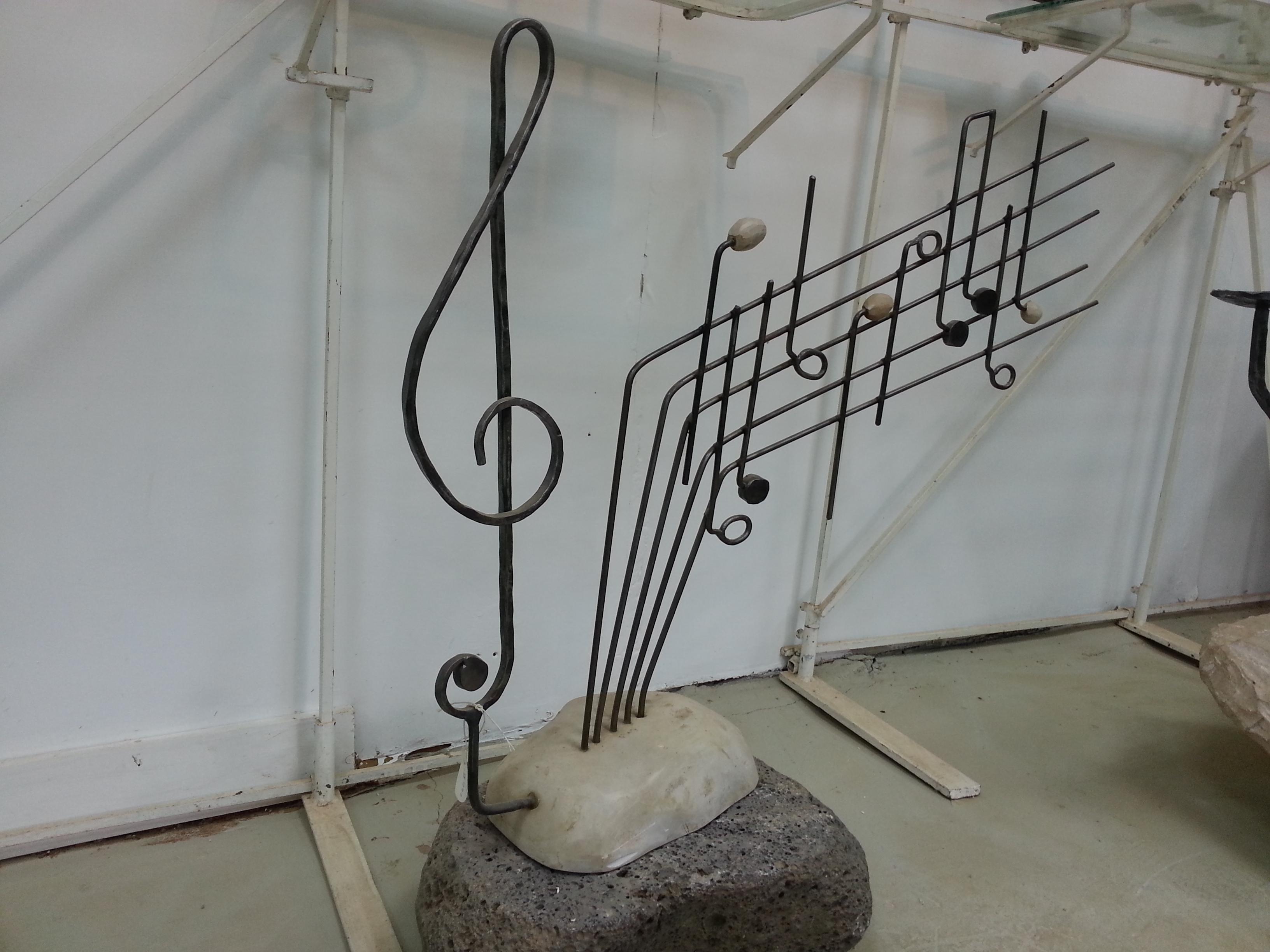
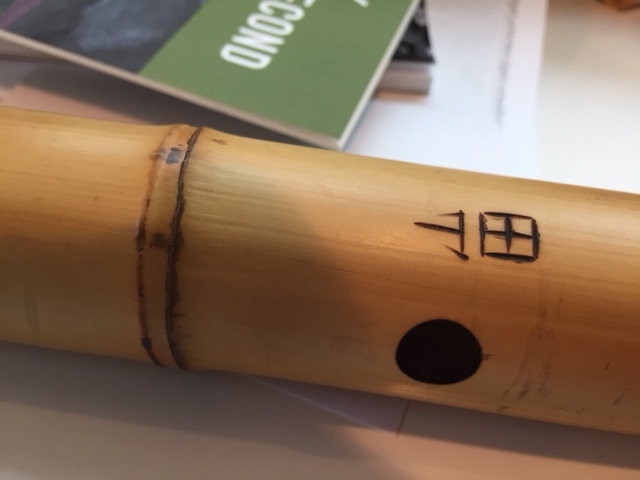
Bamboo Flute


Bamboo Flute

I am studying simplicity
in the way a rattlesnake
watches a field mouse,

which means of course
that I am doing it all wrong
and making this much more

difficult. Today’s lesson
is humility: I achieve no
tone from this damn bamboo

flute, no matter how I adjust
my mouth and wind. Go
watch football
, the voices

say. Instead I go to the grocery,
buy my wife’s favorite
wine, and later pour her

a glass and offer Irish cheddar
with rice crackers and a few
grapes. I sip beer, pick up

the flute, and sound a
wavering D followed by a goose
fart and spitting hamsters.

Progress, at last! Now
back to the lesson. Relax.
I’m nailing this simplicity thing.


* * *

“Bamboo Flute” first appeared in The Larger Geometry: poems for peace, available at Amazon. This anthology of poems that “uplift, encourage and inspire,” features poets from five countries and three continents. Published by the interfaith peaceCENTER of San Antonio, Texas, a 501(c)(3) nonprofit organization. All proceeds from the sale of this anthology go to benefit the peaceCENTER.

I’m pleased to have had a small role in selecting the poems.

Contributing poets include Lynne Burnett, Charlotte Hamrick, Daryl Muranaka, Stephanie L. Harper, Sudhanshu Chopra, Texas Poet Laureate Carol Coffee Reposa, Michael Vecchio, Rebecca Raphael and others.