In Response to Nadia’s Misdirected Email, I State Exactly What I Am Looking For


tulip


In Response to Nadia’s Misdirected Email, I State Exactly What I Am Looking For

Balance. The ability to stand on one foot, on a tightrope, and juggle AR-15s,
ethics and dollar bills, while chanting the U.S. Constitution, in tongues.

Or good health.

Unweighted dreams.

A mechanism for disagreeing without needing to annihilate the opposition.

Doorways without doors, truth without fear.

A simple tulip.

One word to describe that instant between thought and pulled trigger,
intent and wish, the elevated pulse and sense of diminished space and time.

Sanctuary. Regret. Apology. Respect.

A tonic to the bitterness, a foil to the sweet.

Fitted sheets that fold. Uncommon sense.

Love in the abstract. More bacon. Smiles.

A closet that embraces everything you place in it. Everything.

The means of unfiring guns, of reversing wounds to undamaged flesh,
and rounds to their magazines, full and never used.

Self-organizing drawers. Due process.

Mothers who know only tears of joy.

One peaceful day.

Just one.

 

lights n sirens


This first appeared on the blog in July 2016. The poem was a response to an email asking a question intended for someone else: “What exactly are you looking for?”


Ashes

file0001138262091


Ashes

To sweeten the dish, add salt. To bear the pain,
render the insoluble. She envied

the past its incursions, yet the past yields to all,
avoidance to acceptance, trees to smoke.

My mother brought to this country a token of her death to come.

Now it sits on my shelf bearing implements of music.
In her last days I played Sakura on the mandolin,

trusting that she might find comfort
in the blossoms fluttering through the failing notes,

a return to mornings
of tea and rice, of
warmth and paper walls and deep laughter.

Today the rain spells forgive

and every idea becomes form, every shadow a symptom,
each gesture a word, a naming in silence.

Scatter me in air I’ve never breathed.


* * *

“Ashes,” first appeared in Extract(s) in 2013, was reprinted on The Reverie Poetry Journal, and is included in my chapbook, If Your Matter Could Reform.

DSC_0206


White Mules and a Column of Smoke

vinyl


White Mules and a Column of Smoke

I am thinking of a place I’ve never seen or visited,
much like Heaven or Jot ‘Em Down, Texas, but with better
beverages and the advantage of hindsight and seasoning,
a glance back or to the peripheral, with a side of memory
and sliced, pickled jalapeños topping a pile of imagination.

And how do we so clearly remember what never occurred?
That book I read in 1970 was first published three years
later. A drowned childhood acquaintance ordered a beer
and sat next to me at a party in college. The open fields
I recall from the garden walls in France, where homes stood.

If only we carried with us slide shows or grooved vinyl
to trace back our lives – photos and recordings of those daily
remembrances – detailed notes indexed on cards, or data
embedded in our palms and accessed by eye twitches.
Would such evidence improve our lives?

Which filters shutter moments and thoughts, twist them
into balloon animals we no longer recognize? False
accusations and convictions aside, can we trust what we
know to be true? That oak stands where it has for four
decades. I bleed when cut. The sky still leers above us.


“White Mules and a Column of Smoke” was drafted during the August 2016 Tupelo Press 30/30 challenge. I am grateful to Natalie Butler, who sponsored the poem and whose photo inspired me.


What Feet Know (with recording)

feet


What Feet Know

The earth and its subterfuge.
Gravity and the points between here and there.

And sometimes the rasp of grainy mud
clenched between toes,
or a rock under the arch,
an explanation too pointed
for display on a page,
too hard, too much for flesh to bear.

No constellations foment underground.
Nothing there orbits a companion.

No light but for that darkness the heel scrapes away.


“What Feet Know” was featured on Postcard Poems and Prose Magazine in December 2016, and is included in my  chapbook, From Every Moment a Second, available Available at Amazon.Com and Here.


Nights at the Magdalene Laundry

cemetery


Nights at the Magdalene Laundry

Waiting, as if it could
be foreseen, as if influence and love
and truth could ease into the conversation,

she pours water into the night’s
mouth. A little longer, says the voice,
and the wind bends the grass,

reaching, without apprehension, a conclusion.

Which is not to claim verity, nor the patience of stone
crumbling along the ledge.

She leaves when nothing remains.


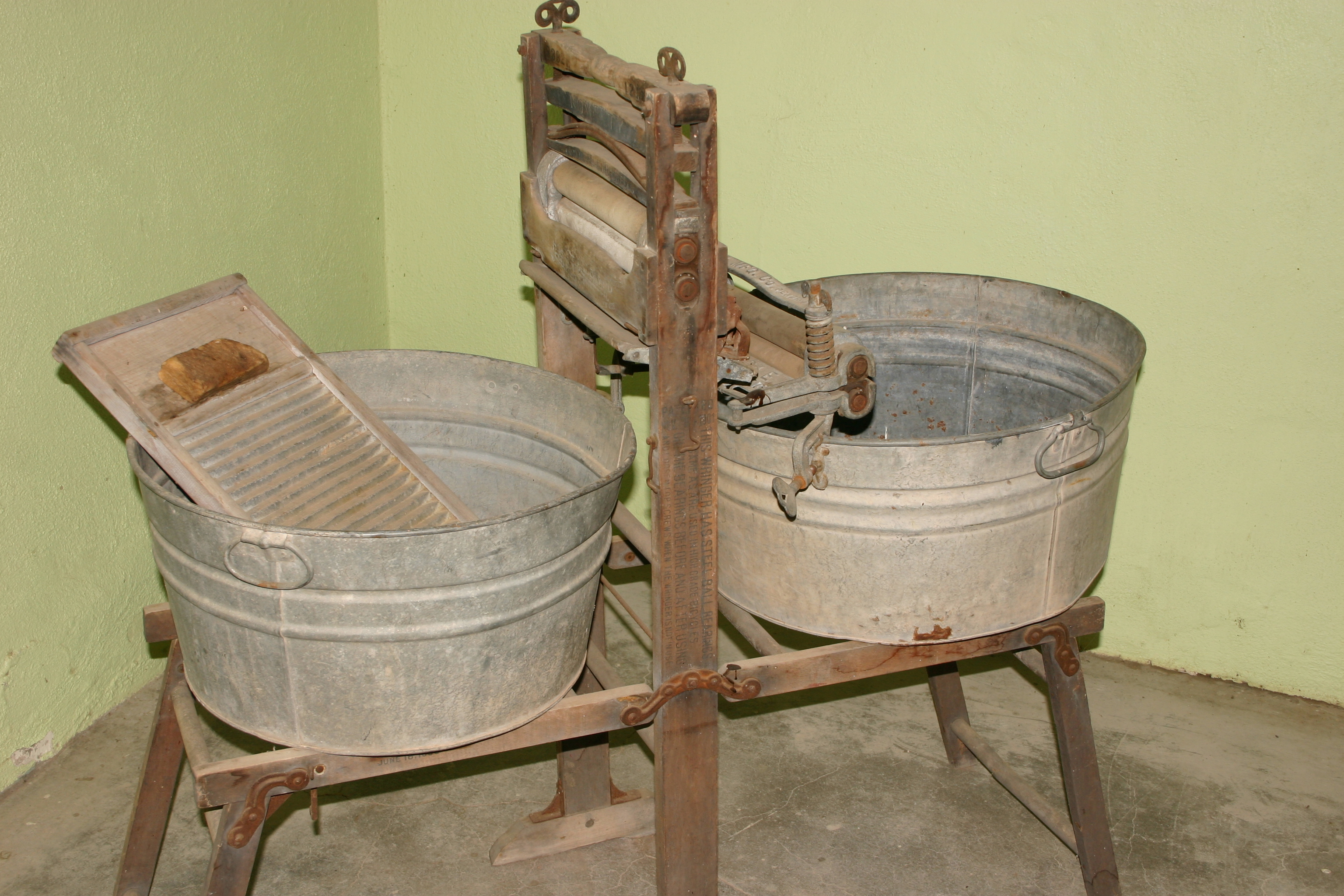
washtub

“Nights at the Magdalene Laundry” first appeared here in January 2016, and was subsequently published in The Basil O’Flaherty, in November 2016.


PLEASURE IN ABSENCE OF ENDING (ENSŌ)


Pleasure in Absence of Ending (Ensō)


Thoughtful, proposing not end, but process.

In this noon’s grayness I disclose my need.

Which is a lotus floating in your pond, a clutch of zeros
blooming in moonlight. Last night’s missing sleep.

An ending, by definition, concludes.

But what occurs in a circle’s body, or infinity’s border?

Imprecision acknowledged, I sip wine and gauge distance.

Take comfort in the disorderly.

Starting at the top, the brush moves down and right,
clockwise, then rising in opposition, halts.

Drifting, incomplete, I step back.

Some leave a gap; others do not.


* * *

This first appeared in Posit: A Journal of Literature and Art in September 2017.

No One Knows


No One Knows

There, the dream of flying
cars, and the next,

tumbling through soft
glass, inconsiderate and

hopeful as a child
on his birthday,

hands outstretched, waiting.
Unsmiling. You might ask

where this story turns,
whether the glass reconstitutes

or the car crashes,
reminders of a childhood

reconsidered and the simplest
truth, which is no one knows.


“No One Knows” was first published in The Pangolin Review in March 2018.


Laocoön

GREEK COLUMN LINDOS


Laocoön

This figure of complexity
persuades a lingering

glance, the two-fold
inclination entwined,

horror expressed
in tandem, the sons’

limbs compressed
as the father struggles,

realizing true
sacrifice, the inward

grasp of storm and
wrath and serpent,

his face
echoing those yet

to come, breached
walls, a city in

flames, the cries
of warnings unheeded.


the_kelpies

Laocoön, through Virgil’s Aeneid, is the source of the phrase “Beware of Greeks bearing gifts.” The poem, which first appeared in The Blue Hour Magazine, was inspired by the sculpture “Laocoön and His Sons,” which resides at the Vatican. You might find Wikipedia’s entry of interest. Originally posted on the blog in February 2016.

Windows: A Theology


 Windows: A Theology

They capture no light, but allow admittance.
Nor is darkness their prisoner.

Opened or closed, their purposes change,
like water trickling downhill, gathering,
absorbing, dwindling, pretending.

Looking at them, you see past, into.

I have taken glass from its source; I have
fallen through the hard edges and emerged

unscathed. Smooth to the touch,
yet transparent. The words mean nothing
or all, and exist only within structure.

So little to believe, everything to defy.


“Windows: A Theology” was first published in the online anthology Igxante: An Ontology. I am grateful to editor Kate Morgan for taking this piece.

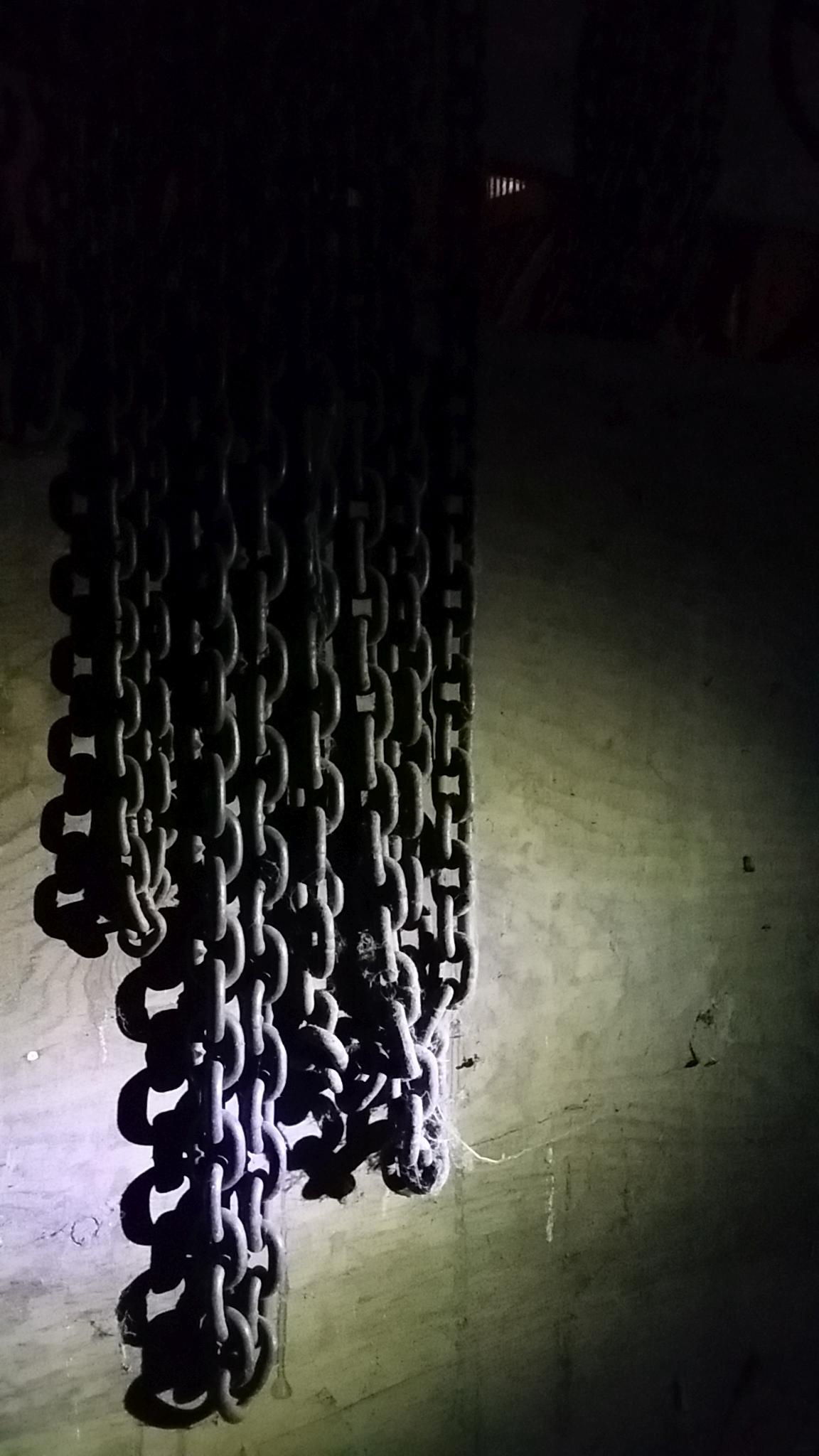
My Mother’s Ghost Knits a Scarf of Chain


My Mother’s Ghost Knits a Scarf of Chain

When I look up rust scabs flutter from your clicking
needles, subsuming even the brightest link in this
moon-drenched room. Communion’s possibility

perished in that wicker basket, and we hold close our
secrets, looped within circles, joined in these most hidden
stitches. Will you ever detach? I recall losing myself,

stepping from darkness into the white afternoon beyond the movie,
finding only strange faces on a street unraveling from
a wound I’d not yet felt. Now you pull apart the gatherings.

Yesterday’s scarf lies incomplete on the invisible shelf,
and tomorrow’s tightens uncomfortably around my throat,
even as I read aloud, proposing family life on a scale

we cannot duplicate, in a house lost long ago in a city
I’ve not yet seen, in a decade before my birth and a pearled
atmosphere of cleansing air into which my body longs to rise

but can’t, tethered in place by love, this terrible, beautiful love.


My Mother’s Ghost Knits a Scarf of Chain,” was first published in Issue 14 of Panoply in January 202