Katharsis

OLYMPUS DIGITAL CAMERA

KATHARSIS

The questions, as always: which rocks to ignore, who will
place them, and how to defy the laws of mathematics.

Note: you will create two separate walls to build one.
You will measure length and depth. You will weigh consequence.

Dig a shallow trench, and set your first two foundation stones
at a slight angle, high points on the outside, low ends meeting

in the middle. Count your failures and multiply them by 100.
Let gravity share the burden, then discard every one. Take

care in selecting your stones. Scorpions lurk in the dark,
underneath. Wear heavy gloves. Use leverage. Seek balance.

Avoid the smooth and rounded, as they too readily relinquish
their footing. Select hard-angled, rough pieces. Accept

faults, and work with them. Stack carefully — the two walls
should lean inward, touching, each bearing the other’s

weight. Work alone, but think to the future, with strength in
mind. Be deliberate. One stone, followed by another. Repeat.
pen

“Katharsis” was drafted during the August 2015 Tupelo Press 30/30 Project. Many thanks to Plain Jane who sponsored and provided the title.
The Garden

file4121261057835


The Garden

But what of this notion
of the romantic?

It rained last night.
I could smell it

before it fell,
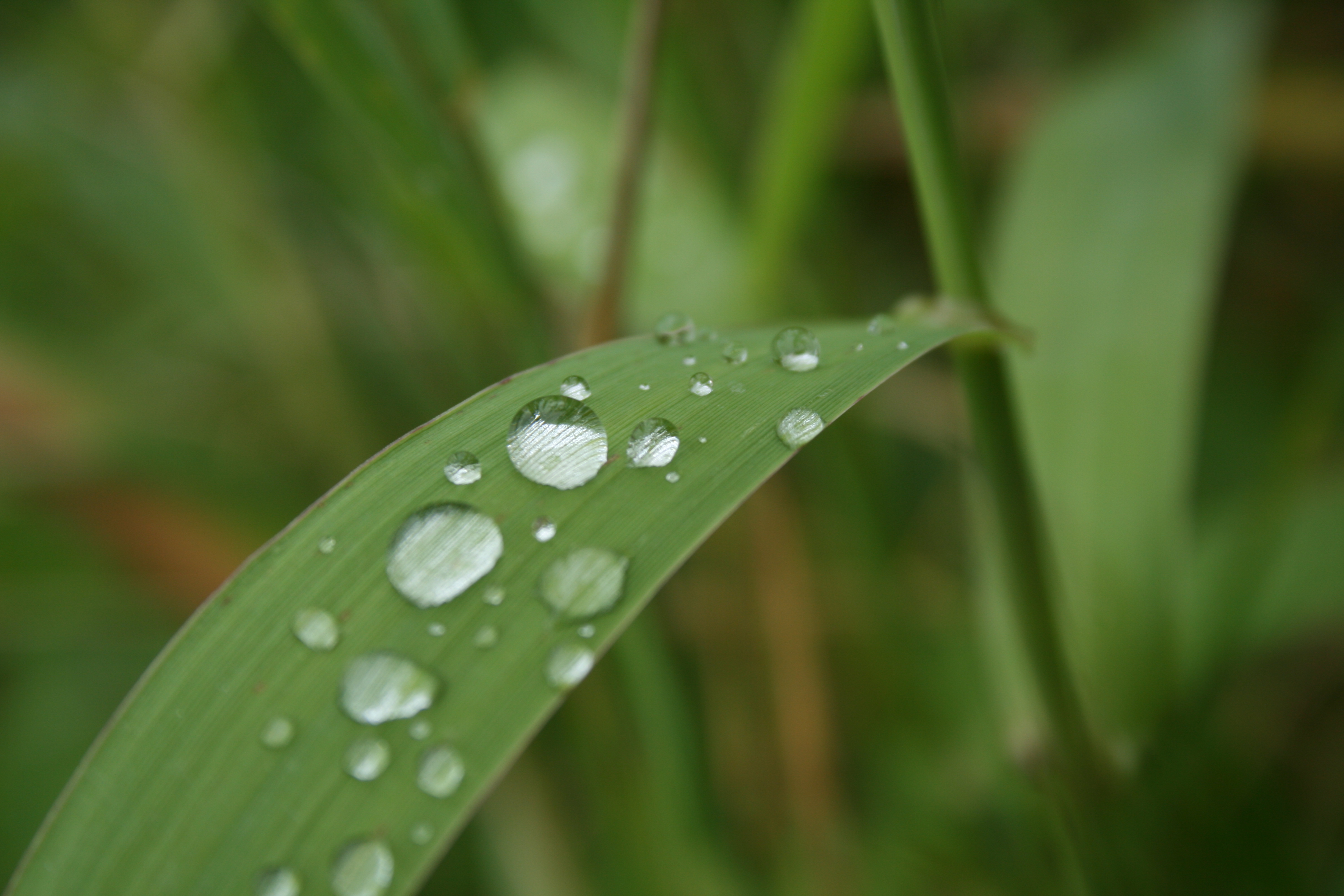
each drop a perfect

sphere until the final
moment. This

is fact, impractical but
lovely for its truth.


* * *

Initially posted here in January of 2014, the poem was published many years ago (30?) as a poetry postcard offered by the literary journal Amelia. I admit to being wrong about the shape of raindrops. But hey, they start out spherical…

Scarecrow Takes a Holiday


Scarecrow Takes a Holiday

Having neither organs nor neural impulses,
I no longer ask why or how I hear and smell,
taste and see, feel. This morning I woke
to magpie song and onion breeze, in
a body not mine, yet mine, at peace
on Jeju Island, far from my crows, yet
still among friends singing the same
language. I know this: home lives
within, and no matter where we travel,
it rides with us. Like the man who
spoke to me, bald, bearded, a pale
foreigner in this land, comfortable
here, at home. He listened for my reply,
but unfortunately I’d not been given
a mouth, and my words dropped to the
ground and were rolled away by
beetles before he noticed them.
Perhaps I should have written a note,
but he wished to gamble and how
could I refuse? I am hollow, but not
empty, whole, yet not complete,
away but here. He took a coin
from his pocket, flipped it. I saw…


A response to Daniel Paul Marshall’s “Scarecrow Travels (after Robert Okaji)”

This first appeared in May 2017.

Dream of Wheels and Lights

file2441309730955


Dream of Wheels and Lights

Bells clang in the night. The lamp post belted
by mist offers little comfort. A stone’s
toss away junipers curved like melted
spoons shudder silently. There are no phones
in this place. A thought sneaks into your mind
quietly, like a straw piercing the oak’s
armor in a bad wind. You turn and grind
the thought with your heel. A wheel rolls by, spokes
flashing like scythes. Crouching by a puddle
a man studies his face. He looks at you
and cries: “All I want is to be subtle.”
You think you know him, but you’re not sure who
he used to be. You throw a rock and shout
at him. The wheel slows and the light burns out.


Originally published in Amelia, in 1985, and posted here in March 2015. I remember writing this, but it still puzzles me.


photo(5)


Blackbody

file0002043937378

Blackbody

1

It is a house. A small house.
A small dark house perched on the edge of town
near the river.

The river is constant.

A man enters the house, closes the door behind him.
Nothing emerges. We witness this daily.

No one emerges.
The house is dark.
A man enters.
The river is constant.

2

A pebble pierces the water’s surface.

I awaken to imperfection.

A blackbody allows all incident radiation to pass into it,
absorbing all, reflecting none.

The tensile strength of water decreases as temperature rises.

Hakuin said if you doubt fully, you will awaken fully.

Before sunrise I unshutter the window.

Angle of reflection, angle of incidence.

My doubts reinforced with coffee, I pause.

Perfect blackbodies do not exist in nature.

Opaque box with a hole.

3

There is a house. A small house.
A small dark house perched on the edge of town
near the river.

Nothing emerges.
A man enters.
The river is constant.


box

“Blackbody” was first published on Aubade Rising in May, 2014, and appeared on the blog in February 2016.

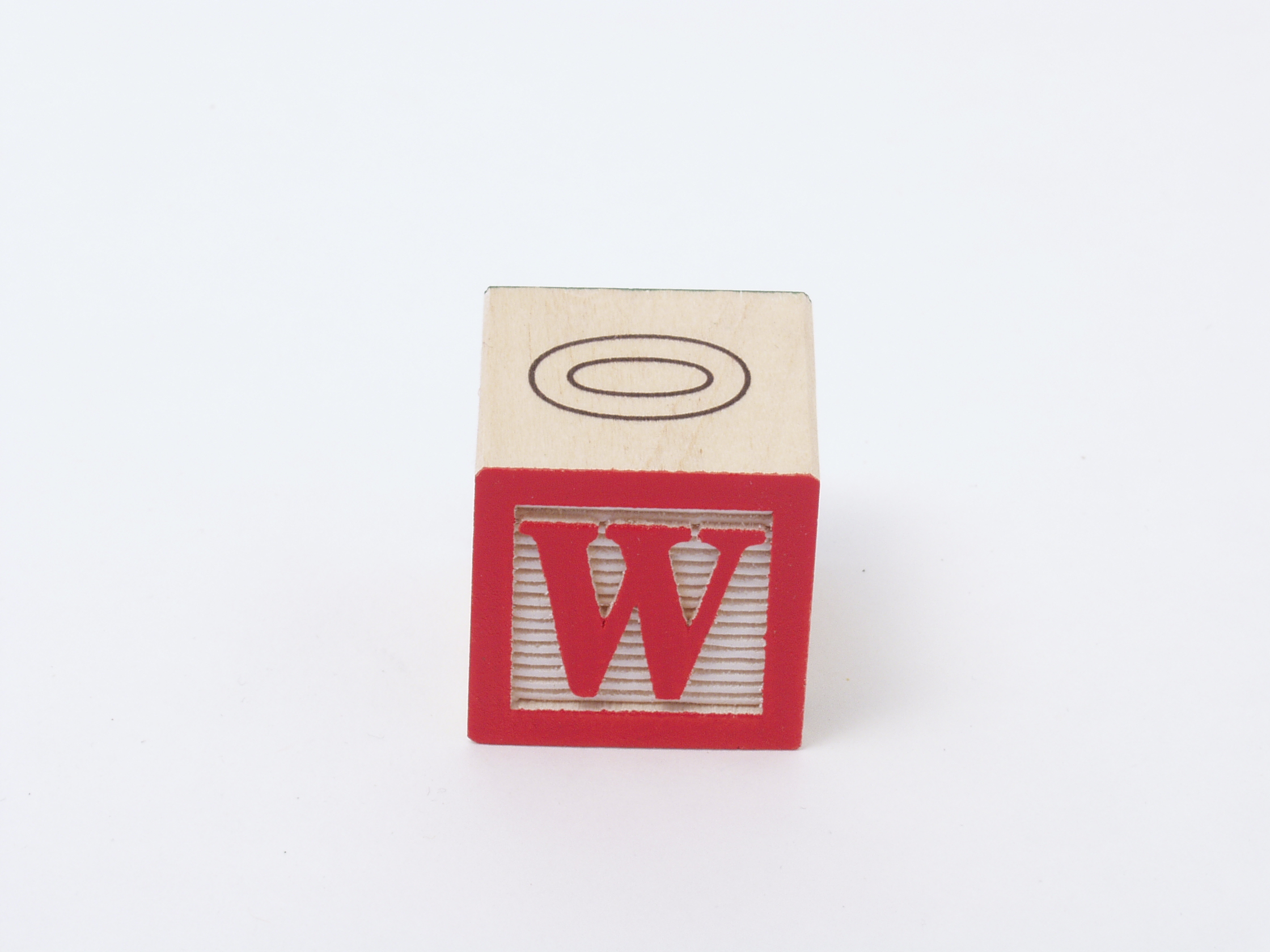
Self-Portrait with W

file7131243281016


Self Portrait with W

One might claim a double victory, or after the Roman Empire’s fall, a reclamation
from the slurred “b” and its subsequent reduction.

Survival of the rarely heard, of the occipital’s impulse.

The oak’s crook performs a similar function.

Shielding myself from adjuration, I contemplate the second family
root, weighted in weapons, in Woden, in wood.

Not rejection, but acceptance in avoidance.

The Japanese homophone, daburu, bears a negative connotation.

Original language was thought to be based on a natural
relation between objects and things.

Baudelaire’s alphabet existed without “W,” as does the Italian.

The recovery of lost perfection is no longer our aim.

When following another, I often remain silent.
As in two, as in answer, as in reluctance, reticence.

We share halves – one light, one shadowed, but both of water.

Overlapped or barely touching, still we complete.


* * *

“Self-Portrait with W” originally appeared in the Silver Birch Press Self-Portrait series in 2014, and was reprinted in my chapbook, The Circumference of Other, included in Ides, a one-volume collection of fifteen chapbooks published by Silver Birch Press and available on Amazon.com.

OLYMPUS DIGITAL CAMERA


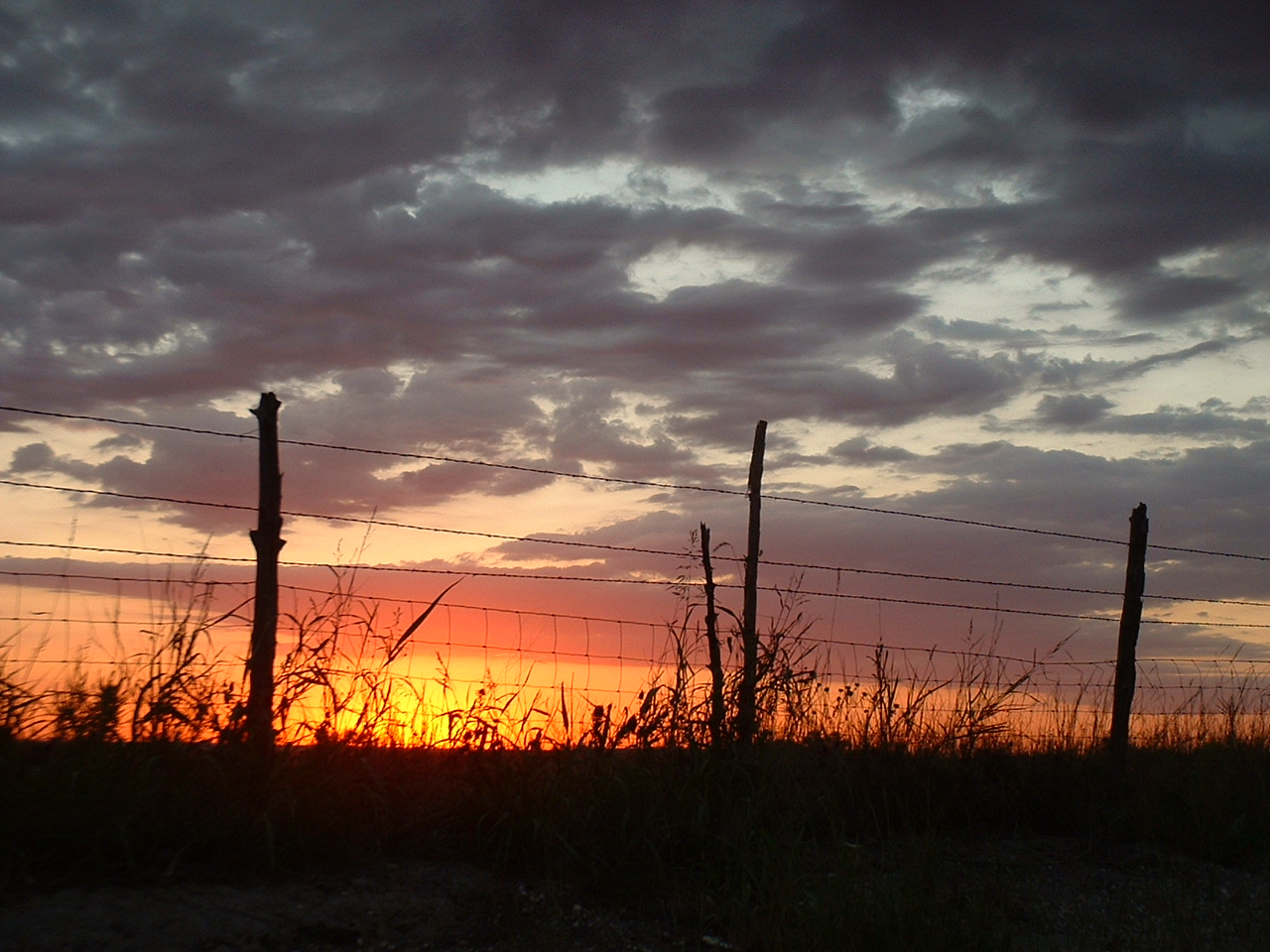
At Sunrise We Celebrate the Night’s Passage

sunrise

At Sunrise We Celebrate the Night’s Passage

And discuss not the darkness of crows, but the structure of phonemes
embedded in our names, the gratitude of old fences, of broken

circles and extinguished flame.

Two weeks ago he poured wine and declared himself Dog.

There are roosters, too, who cannot crow,
other speechless men, and lonely burros guarding brush piles.

What letters form silence? From what shapes do we draw this day?

Light filters through the cedars and minutes retract,

as the bull’s horns point first this way, then that, lowering themselves
through the millennia, becoming, finally, A as we know it.

With my tongue, I probe the space emptied of tooth.

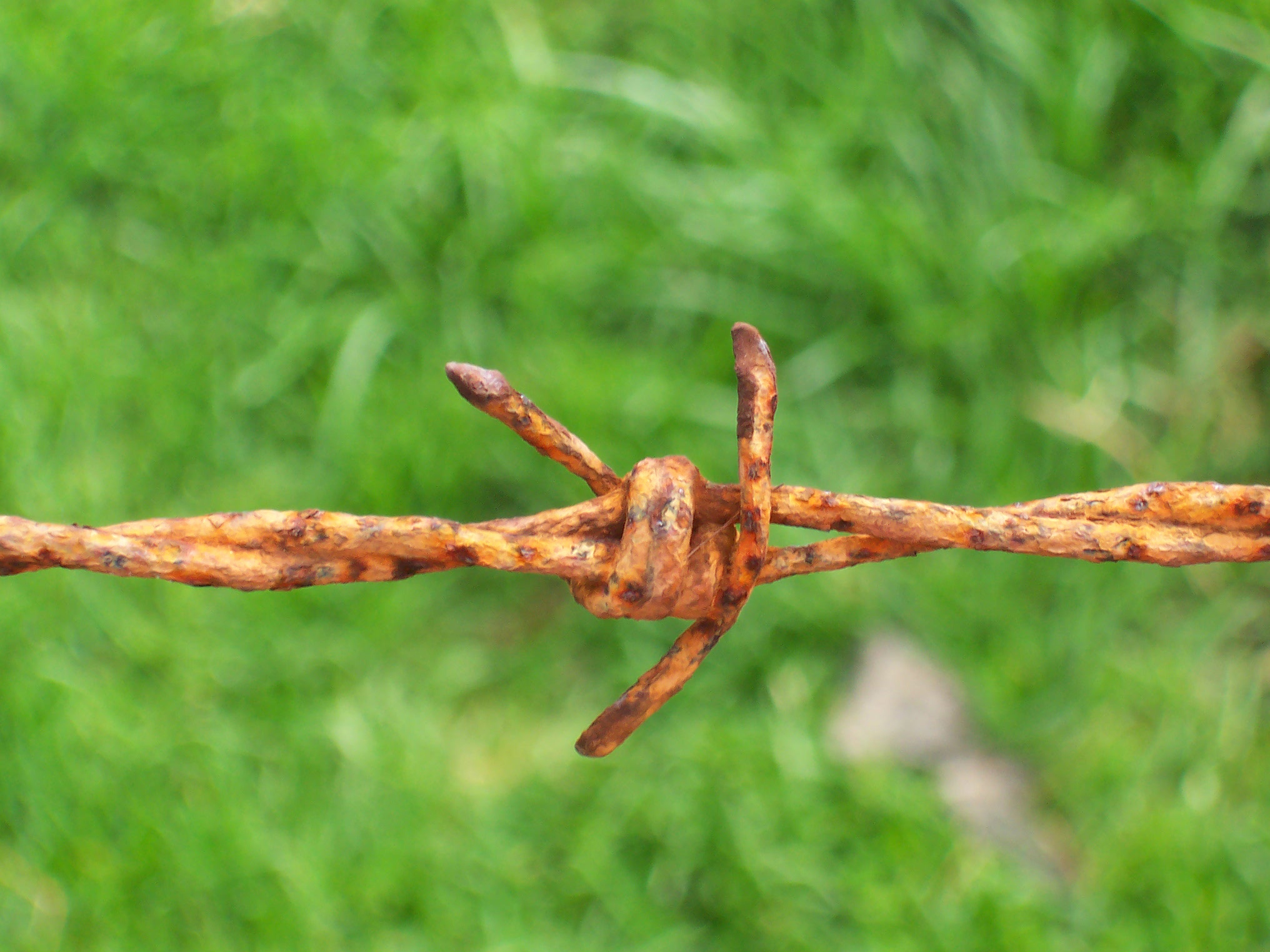
Barbed wire was designed to repel, but when cut sometimes curls

and grabs, relinquishing its hold only by force or careful negotiation.
Symbols represent these distinct units of sound.

My name is two houses surrounding an eye.

Yours consists of teeth, the bull, an arm, the ox goad.

barb

Originally published in Prime Number Magazine, one of my favorite online literary journals, in 2013, and posted here in September 2015. Cantinflas the donkey makes a cameo appearance in this poem…

Water Witching, We Hearn

dry


Water Witching, We Hear

The rattle of stalks
along dirt roads,

whispery days
sifting through
parched
light,

you say
patience, my
friend
, and again,

patience.


* * *

“Water Witching, We Hear” first appeared on the blog in April 2017.

Celan, 1970

image

Celan, 1970

From frame to door,
the obvious defers, denying

entry as if
an eye could reclaim

or separate

the fallen tear
and the river’s skin,

or return
those words to

thought, water to
stone, intent

to cold
reason,
now to before.

He stepped into release.


* * *

“Celan, 1970” first appeared in October 2015. One of the most influential (and difficult) European poets of the 20th century, Paul Celan survived the horror of World War II but never escaped its shadow. A brief biography may be found here.

image

Apricot House (after Wang Wei)

file000532973761


Apricot House (after Wang Wei)

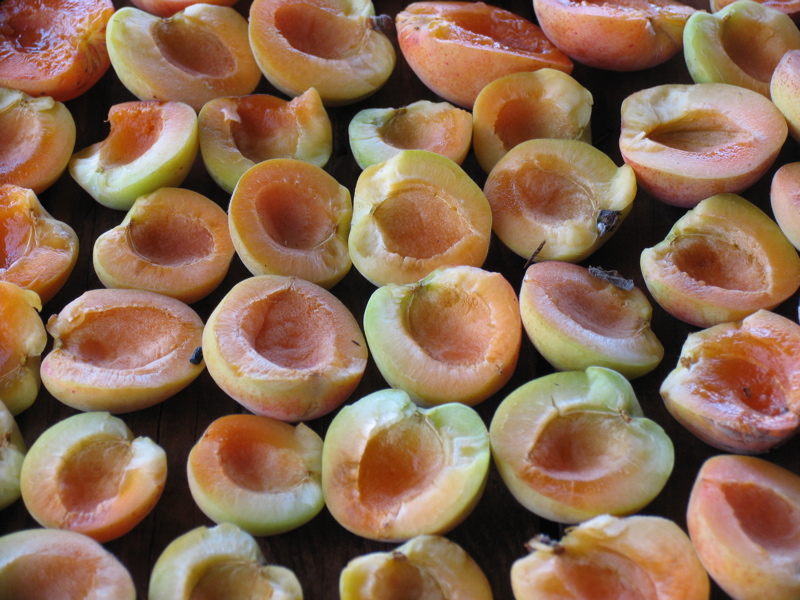
We cut the finest apricot for roof beams
and braided fragrant grasses over them.

I wonder if clouds might form there
and rain upon this world?


The transliteration on Chinese-poems.com reads:

Fine apricot cut for roofbeam
Fragrant cogongrass tie for eaves
Not know ridgepole in cloud
Go make people among rain

Each adaptation poses its challenges, and this one was certainly no exception.
First I identified key words and determined how or whether to use them.
Apricot, roofbeam, cogongrass, eaves, ridgepole, cloud, people, rain.

Apricot was a given. It offered specificity, and feels lovely in the mouth. Roof beams, as well. Cogongrass didn’t make the cut. It is indeed used for thatched roofs in southeast Asia, but it felt clumsy; in this case, the specificity it lent detracted from my reading. And rather than use “thatched” I chose “braided” to imply the layered effect of thatching, and to imply movement, to mesh with and support the idea of clouds forming and drifting under the roof. “Not know” posed a question: did it mean ignorance or simply being unaware, or perhaps a state of wonderment? I first employed “unaware” but thought it took the poem in a different direction than Wang Wei intended (but who knows?). “Ridgepole” seemed unnecessary. So I chose to let the reader follow the unsaid – using “form there” to reinforce the impression already shaped by the roof beams and the grasses “over them.” I admit to some trepidation over the second couplet. It may still need work.


clouds

“Apricot House” first appeared here in December 2014.