Sunday, June


Sunday, June

Trying to give, I fail too often.
But this day we prepare for you
food that your beloved often cooked,
made with the ingredients of 19,000
nights and promises of more to come.
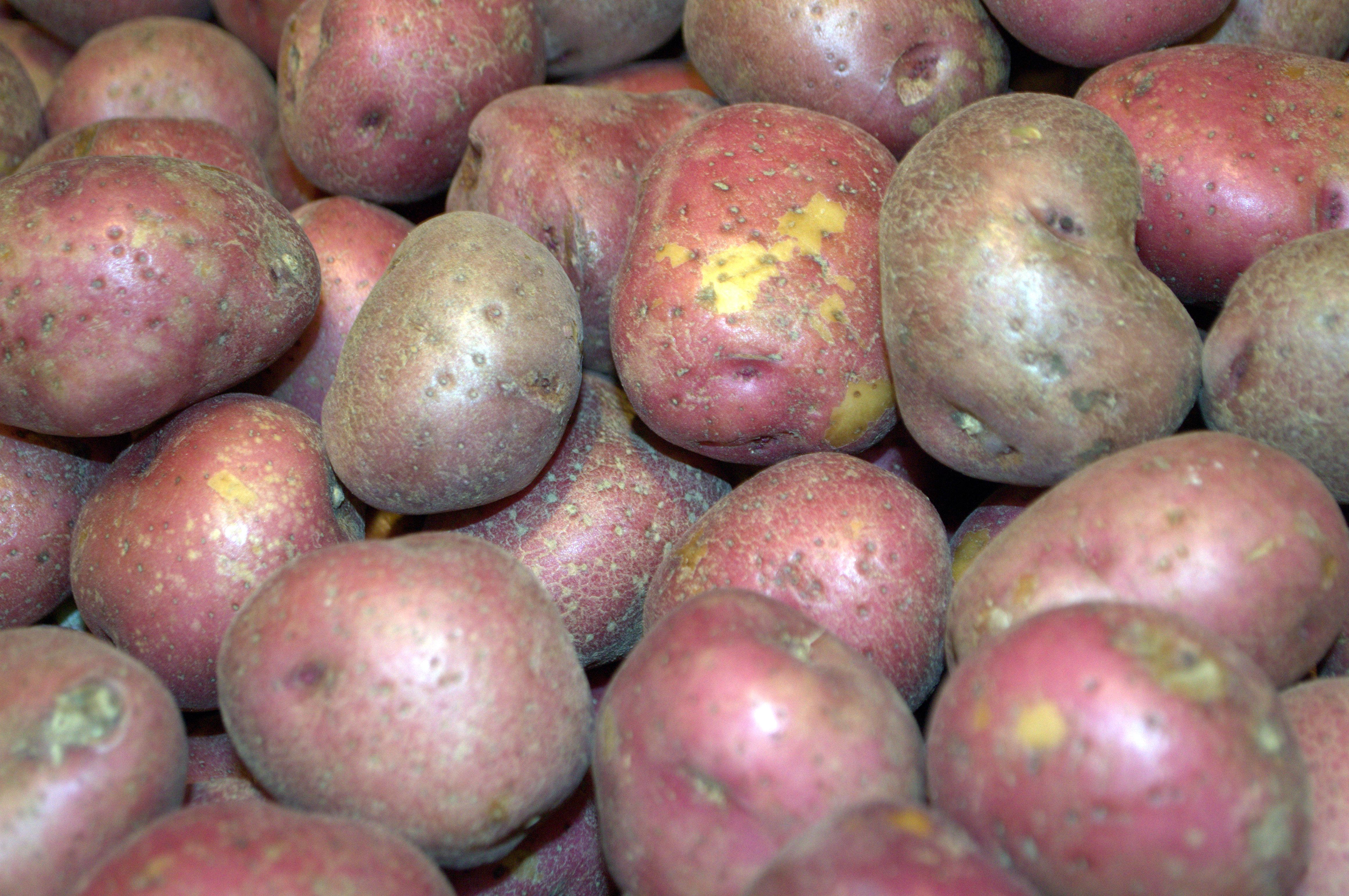
These potatoes. That beef, the fruit.
Simple, and yet so difficult to reproduce.
Even the recipe is incomplete. “Some
mayonnaise,” it says, then “mustard,”
but not whether dry or prepared, and
the amount is unclear. Yet the results
transport you to stronger days, to
the clear-eyed self and limitless
possibilities, meals on the table
at five o’clock, the satisfaction of work
well done, knowing that you have soared
above your father’s imprecations
but never beyond love’s touch, her
sleepy murmurs, morning coffee,
burnished histories and late cigarettes,
the tulips on the soil you’ll soon share.


“Sunday, June” first appeared in the print journal Nourish in March 2018.

Pain (Haibun)

Pain

Pain reminds me that I’m breathing, still able to appreciate the fragrance of French roast coffee brewing, the diced red pepper, onion and jalapeño mixture sizzling in the pan. Today is a good day. When I roll out the dough for the onion tart, the leg barely protests, and as I sip ginger tea while the tart bakes, no throb interrupts my pleasure.

Sometimes the hip shocks me with its barbed lance attack, or the knee rasps “not today, sonny,” and I grimace, concentrate on deliberate forward movement, one short step followed by another, into the kitchen or down the steps to the shack.

Music soothes, as does poetry, but occasionally the weight of the guitar is more than the leg can bear. Still, when I manage to lose myself in a tune or a few phrases, I drift in their currents, weightless, free.

Oh, to climb that hill
among those lost maples
Look — my shoe’s untied

* * *

“Pain” first appeared in The Zen Space in July 2018.

Dragging the River


Dragging the River 

Knowing the truth of it, he marvels
at the red grape’s resiliency,
how it contains itself even after
a fall. What matters, what doesn’t.
Those simplistic thoughts
dissipating in the coffee’s sad
swirl. And what they wanted,
truly wanted, even more than
that first plunge of lips to private
flesh or the forbidden highlights
in the book of dreams never to
be opened. He looks over the side,
but can’t divine the message
in the brown ripples. A wine bottle
bobs by, followed by an inflated vest
and two snarled branches. Everything
revealed in its time.


 * * *

“Dragging the River” first appeared inMay 2019 in The Elixir Magazine out of Yemen.


Celestial Navigation


Celestial Navigation

Even dung beetles
know the stars,

how they shape
destination.

Motion ceases with arrival.

This body attracting
that. The heart

losing itself
to the moon’s

pull, another wave
falling.

Does light descend
or rise?

Subtle yet observant.

Like truth, like
destiny shivering

through the coldest hour,
saying Welcome, welcome!


“Celestial Navigation” was first published in Nine Muses Poetry in July  2019.


Looking Ahead He Looks Back


Looking Ahead He Looks Back

Those things we leave behind.
The rooster’s full moon crow
or the blue enameled cast iron pot
bearing the scars of a thousand
meals. Hair on a brush. Harsh
night words and the photos of
a wooden lighthouse from a
discarded life. We choose some,
misplace others. How does a home
curdle within one night’s orbit?
The answer is not your truth. Or mine.
I measure my life in hours lost.


* * *


“Looking Ahead He Looks Back” was first published in Juke Joint, in March 2020.

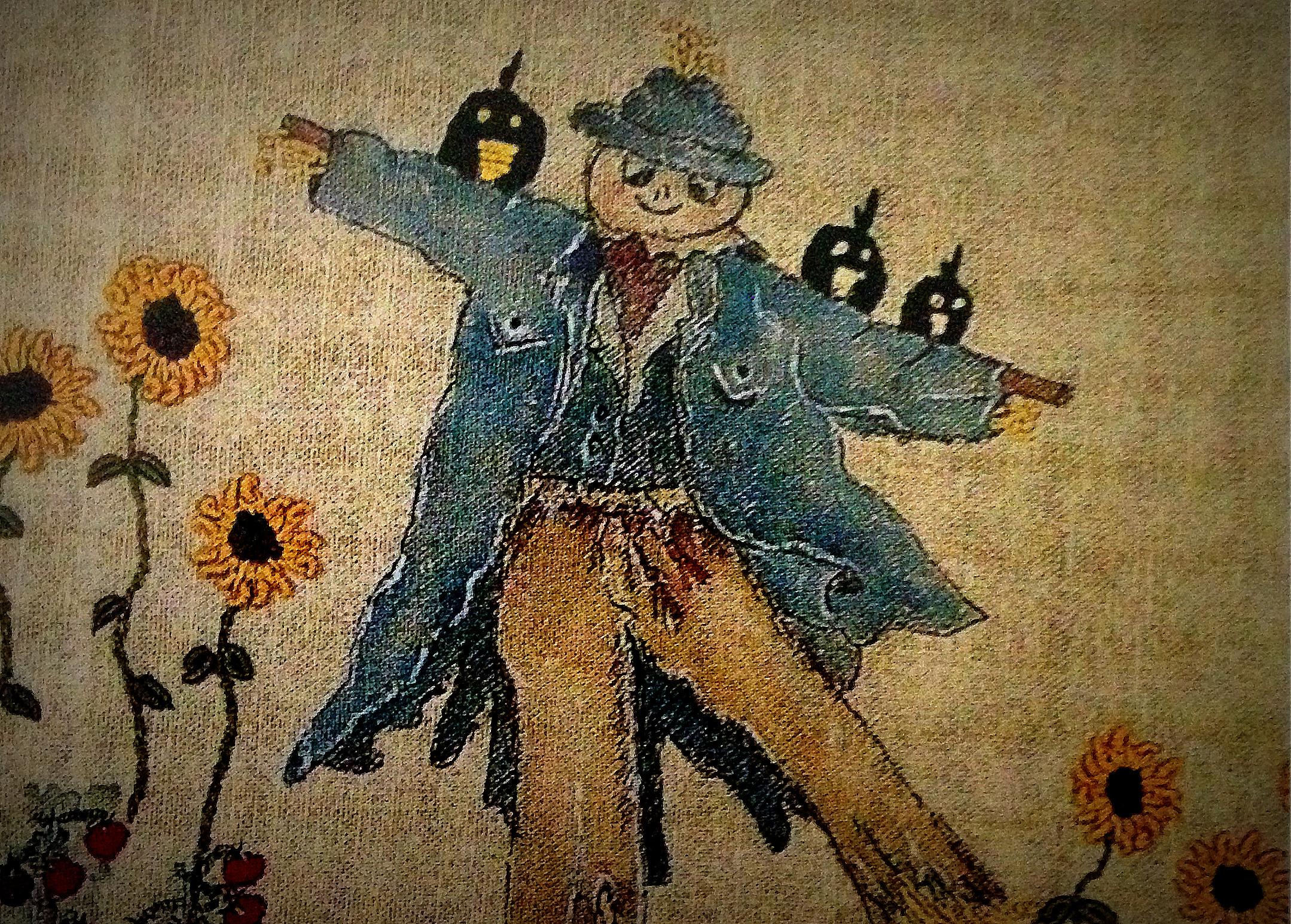
Scarecrow Considers the Afterlife (with recording)

Scarecrow and Friends


Scarecrow Considers the Afterlife

Gathering threads, I join them with a central
knot, producing a sunburst flower or constellation
of ley lines spreading forth and connecting their
tenuous truths – megalith to fjord, solstice to
dodmen and feng shui, suppositions entwined
and spat out. And who’s to say which alignment
stands taller than the next, which rut, which energy,
defines our direction? When I cease to be, will I
remain or dissipate, return in another form or
explode and scatter throughout the universe, the
residue of me sizzling along the starways for eternity
or perhaps just the next twenty minutes. It is clear
that I possess no heart, no internal organs. My spine
is lattice, my skin, fabricated from jute. Eviscerate
me and straw will tumble out. I do not bleed. Yet
the crows consult me in secret and conduct their
daily mercies, and I think and dance and dream
and wonder and hope. Oh, what I hope.


* * *

This was first published at Eclectica in July 2016, with two companion pieces.

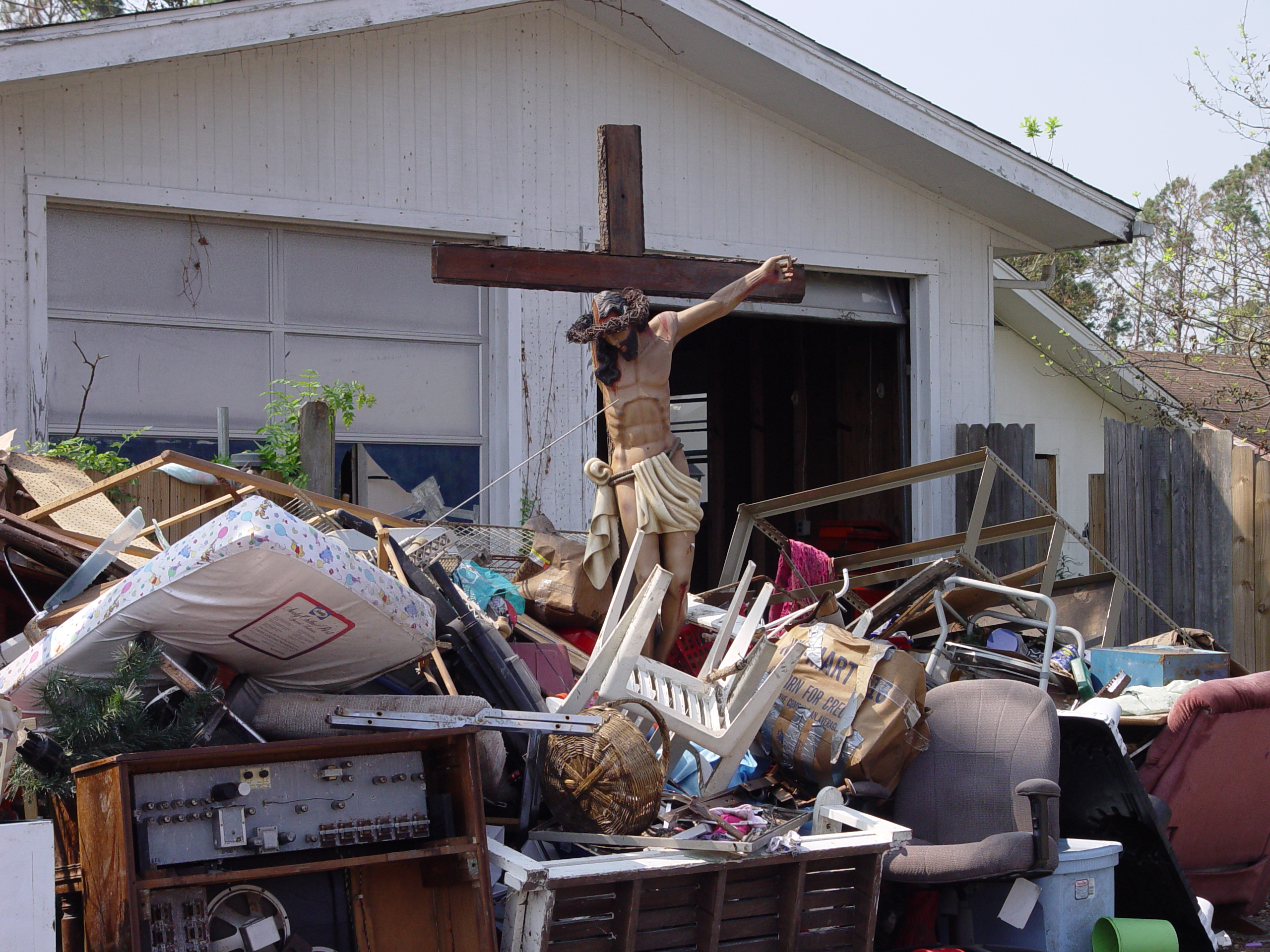
Galveston, 1900

file901235706072


Galveston, 1900

First the wind, then a tide like no other
uprooting the calm,

a visage tilted back in descent
as if listening for the aftermath.

And later, the gardener’s lament
and the building’s exposed ribs,

light entering the eternal
orchard, nine children tied to a cincture.

Not even the earth could retain its bodies,
and the sea remanded those given to its care.


file0001863093325


“Galveston, 1900” first appeared here in January 2015. Last February it was accepted for publication in an anthology to be published in 2020, but alas, I’ve just been informed that the publisher is unable to move forward on it. Such is the literary life.


One

number-one


One

I am Brahma
the straight line, the upright being,

fire that flares,
seed without end, manifold

self beyond all
polarity, radiating sun:
the all.

Philosophers considered one a non-number,
generatrix of all that follows.

Other.

The singularity. The lone.

From the Indo-European oi-qos we achieve solitude,
while the collective meaning of one derives from the Sanskrit sam.

United in itself, it changes nothing,
becoming everything.

On its side it represents the horizon.

Alone is all-one.
The Latin non is one negated, as is the German nein.

Symbol of intellect, the Hindu moon glows wide.
Atomic number of hydrogen, magician’s numeral,

monad and eccentric, I bear the empty product.

one on side

“One” last appeared here in December 2019.

Letter to Geis from This Side of the Glass


Letter to Geis from This Side of the Glass

Dear Greg: I can’t help but think about windows, their
function, their meanings, intended and otherwise, how
they block some entities but allow others entrance. A
black vulture feather lies just on the other side of this
pane, but the laws of material and physics prevent me
from reaching through and claiming it. Maybe I’d
sharpen the end, dip it into squid ink and write letters.
Or not. Cephalopods are scarce in the hill country,
unlike carrion birds, wild hogs and scorpions, and frankly,
ballpoint pens require less maintenance. Lately, the
opaque has redirected my attention — no matter which
government agency speaks, I feel surrounded by their
pseudomorphs, those little indistinct clouds of mucus and
dark pigment released to confuse and numb me. A common
occurrence, I hear, and all the more frightening for it. I
think of where we’re headed, collectively and individually,
and even knowing that our destination remains unchanged
offers small comfort. One foot at a time, the steps matter,
and though it appears we won’t share those planned brews
in Bandera, I’ll chuckle over our last meeting there and
dream up a conversation about futility and compromise,
and yes, success. I’ve just spent twenty minutes trying to
help a yellow jacket escape. It wouldn’t leave the glass even
after I left the door ajar, allowing a fly to enter. Instead,
it gazed out at the hazy morning, seeking a way through
refraction’s oblique path. Finally, shepherded with my bare
hand, it reluctantly skittered to the jamb, and I coaxed it
the final few inches by pushing it with the door. Such
are my days. A little faith, some hope, luck and a great
unknowing. This window seems cloudy, or is it just
my eyes? I miss you, buddy, as do the hills and the sky
and everything nestled and bustling between.  Bob


This first appeared in May 2020 in the Taos Journal of International Poetry & Art. D.G. Geis was a friend, a larger than life  poet, and a fellow Texan. We were both finalists for the Slippery Elm poetry prize in 2017, and after learning that we didn’t win, decided to have a “losers’ lunch” in Bandera, Texas, the closest town to our respective rural properties. Much laughter ensued, and we made plans to get together for a beer in the coming months. Alas, that was not to be.



Poem Up at Line of Advance


My poem “What Stares Back” has been published by Line of Advance. Thank you, Christopher Lyke, for taking this piece.