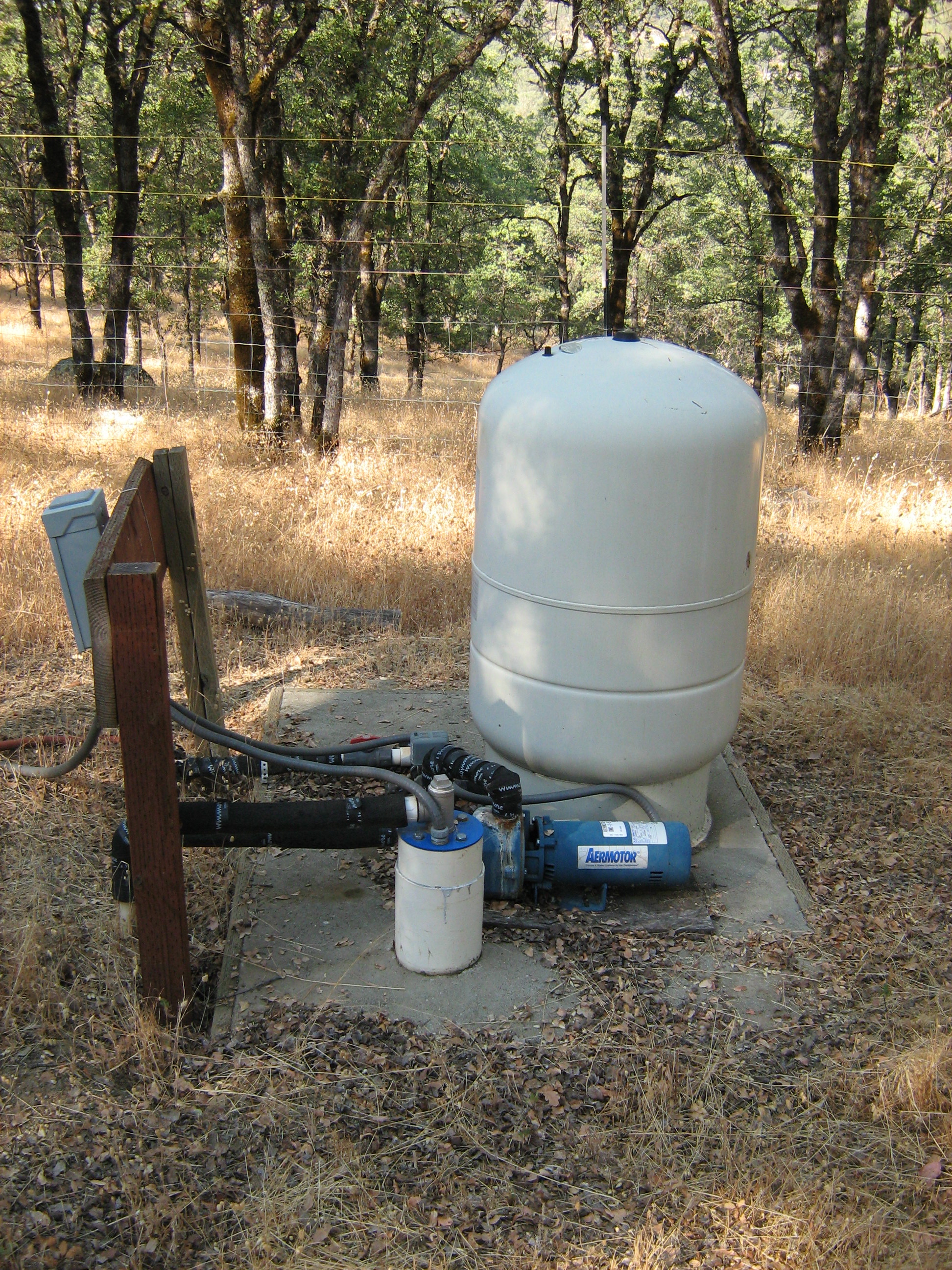
My poem “Well Pump” is up at Amethyst Review.
Many thanks to editor Sarah Law for accepting it.

The Simplest Coercion
Each portrait betrays a similar
attraction: faces
swallowed by the artist’s
eye, his sight being
beyond optic, that assumption
inherent in every expression
but one. Yet this, the self-
portrait, reveals a hint
of secrets – an unwillingness
to confront,
the simplest coercion.

This first appeared on the blog in May 2015.
My last five posts of 2017 are reruns of the five most viewed posts on this site during the year. This one appeared in July.
I am fortunate to have a writing space of any sort, much less a comfortable one.

This is the shack that launched a thousand rejections…or something like that. It’s small, with a 10 x 12 footprint, and is getting crowded inside. The photo was taken in August 2013, a few weeks before the interior was finished out. Note the inspector, Jackboy, with his ball.

The most important feature of the shack is the air conditioner. The bookcases are nice, too, but the heat would be unbearable without the a/c unit.
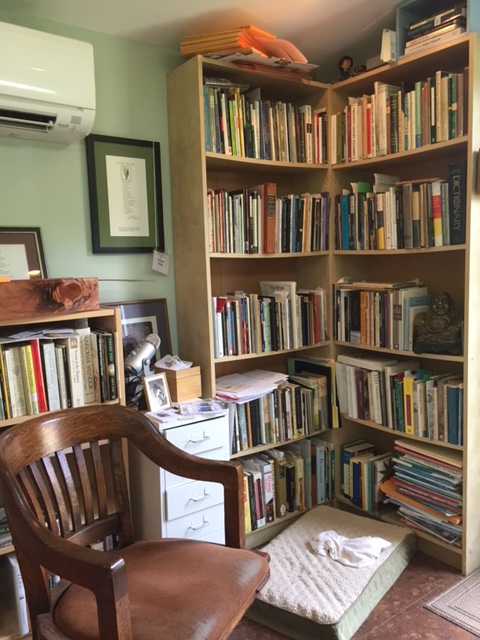
Books keep migrating here. I wonder why. The cattle dog spent many hours in the dog bed, but the Chihuahuas prefer the house.
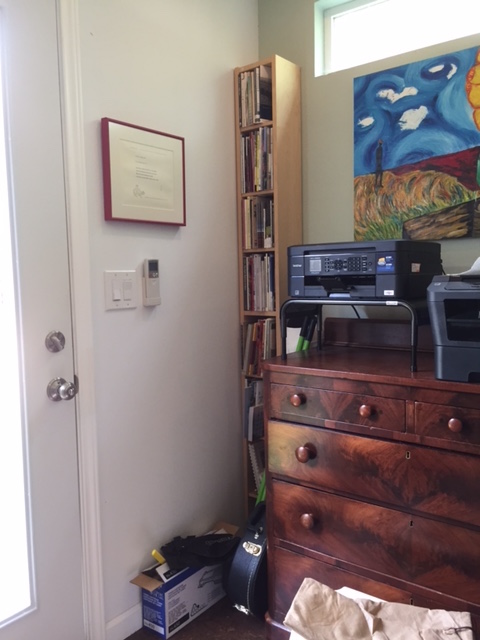
I try to use the available space as efficiently as possible, hence the skinny book cases. The painting is by Stuckist painter Ron Throop, whose art and words inspire me.
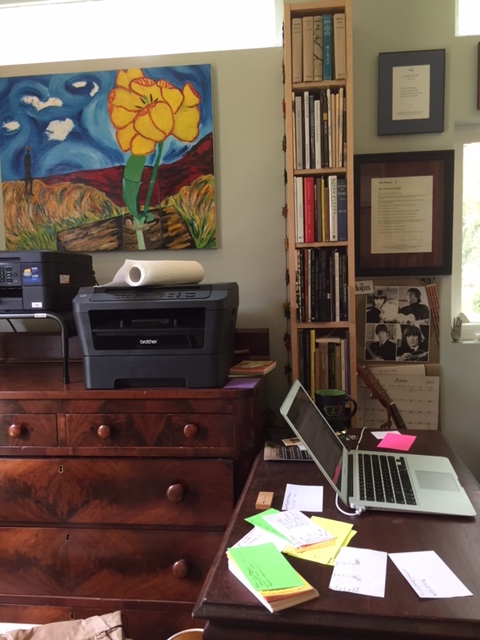
The desk is usually messier than this…
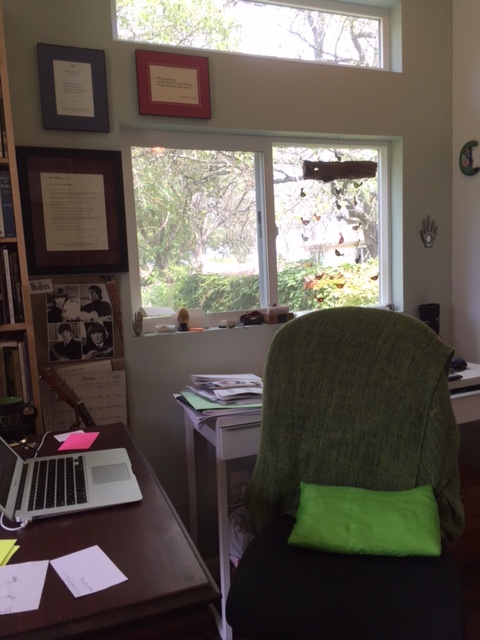
Birds often smacked into the righthand window, until I added the little mobile fabricated from a piece of cedar and wooden bird ornaments.

Yes, that’s a stationary bike. The good thing about having such a small space is that I can ride the bike and reach over for a sip of beer without having to pause.

I’ve been banging on that guitar for forty years. It’s a little worn, but then so am I. The broadside is a Galway Kinnel poem, “Little Children’s Prayer,” which joins a small group of signed broadsides in the shack, featuring poems by Jane Hirshfield, Arthur Sze and Mei-Mei Berssenbrugge. Alas, I’m running low on wall space.

Sault Ste. Marie
Too often you see yourself and wonder
which bodies ancestors navigated
to gather such glorious scars and wrinkles
in one place, both noticeable and unseen,
little waves in a great lake of flesh.
The mirror is not unkind, you think,
with proper lighting — in candlelight
or late evening’s peppery glow,
after a few drinks. Then you recall
crossing the equator three decades
past, how the deck’s non-skid surface
scratched your knees as you scrubbed
the twists and currents that’d buffeted
you to that imagined line on the globe,
and later, the following points and clock
faces withering down the long queue
of jobs, the spilled beer and incomplete life
sentences. Even now, Superior washes
through its locks, filling, denying, allowing
one’s depths into another’s space with equal
regard, promoting passage, flooding past with
future, present with then, balancing tomorrow, now.

“Sault Ste. Marie” won LCk Publishing’s Spring Poetry Contest in April 2017.
Cutting Down the Anniversary Pine
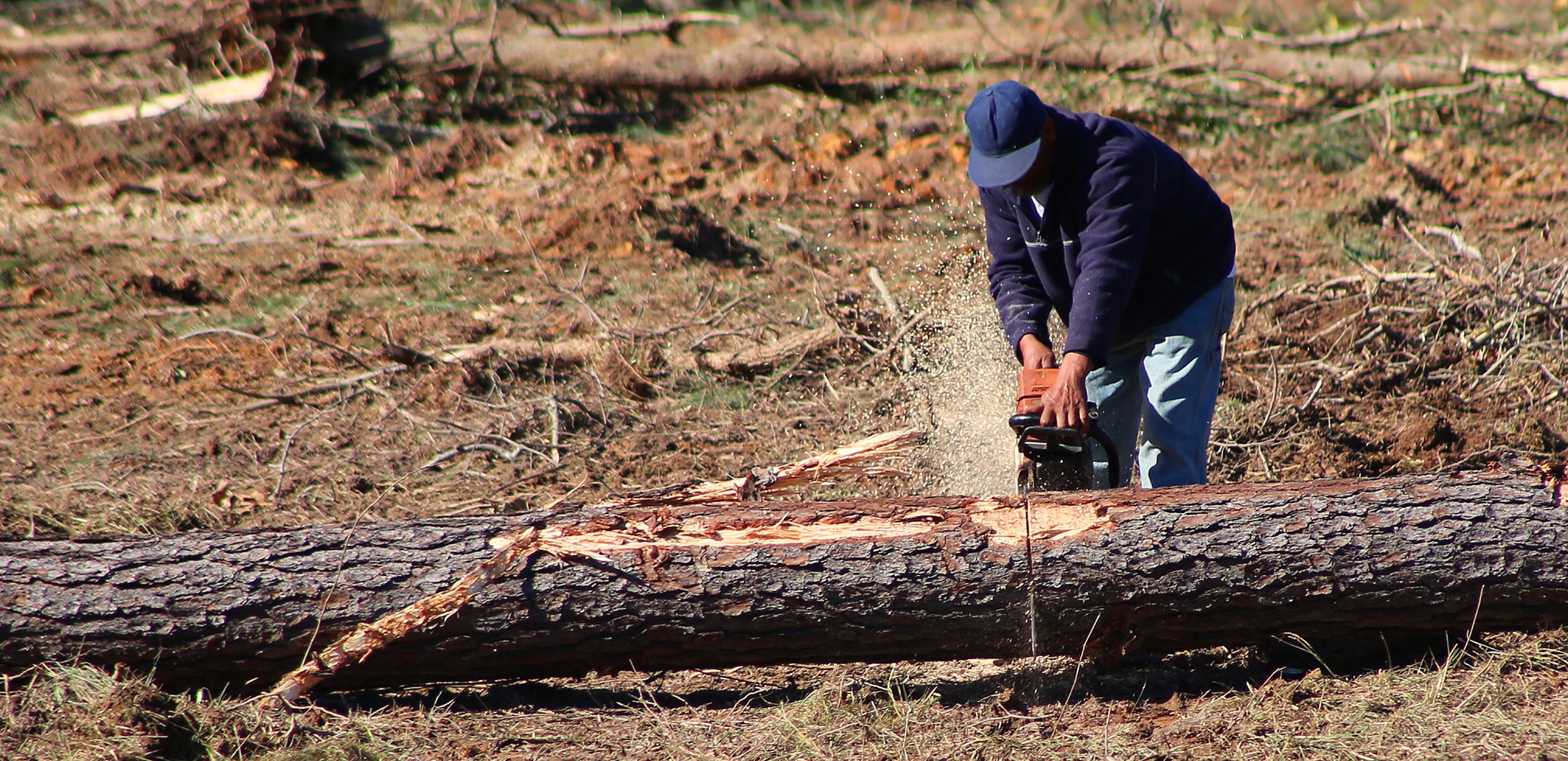
Things expand. Plans change. Clouds disperse,
people move. I remember swimming
through a dream’s warm water, and rising
for air only to find that I no longer lived
within that need, in that space demanding
the physiological transport of oxygen,
where the laws of physics reigned supreme,
and geometry, with a little luck, posited
all the right questions. And then the clock
blared and morning slammed me back.
Trees grow, as do needs and lives and even
cottages. We took down the dead Jack pine
that year, and drank skip-and-go-nakeds
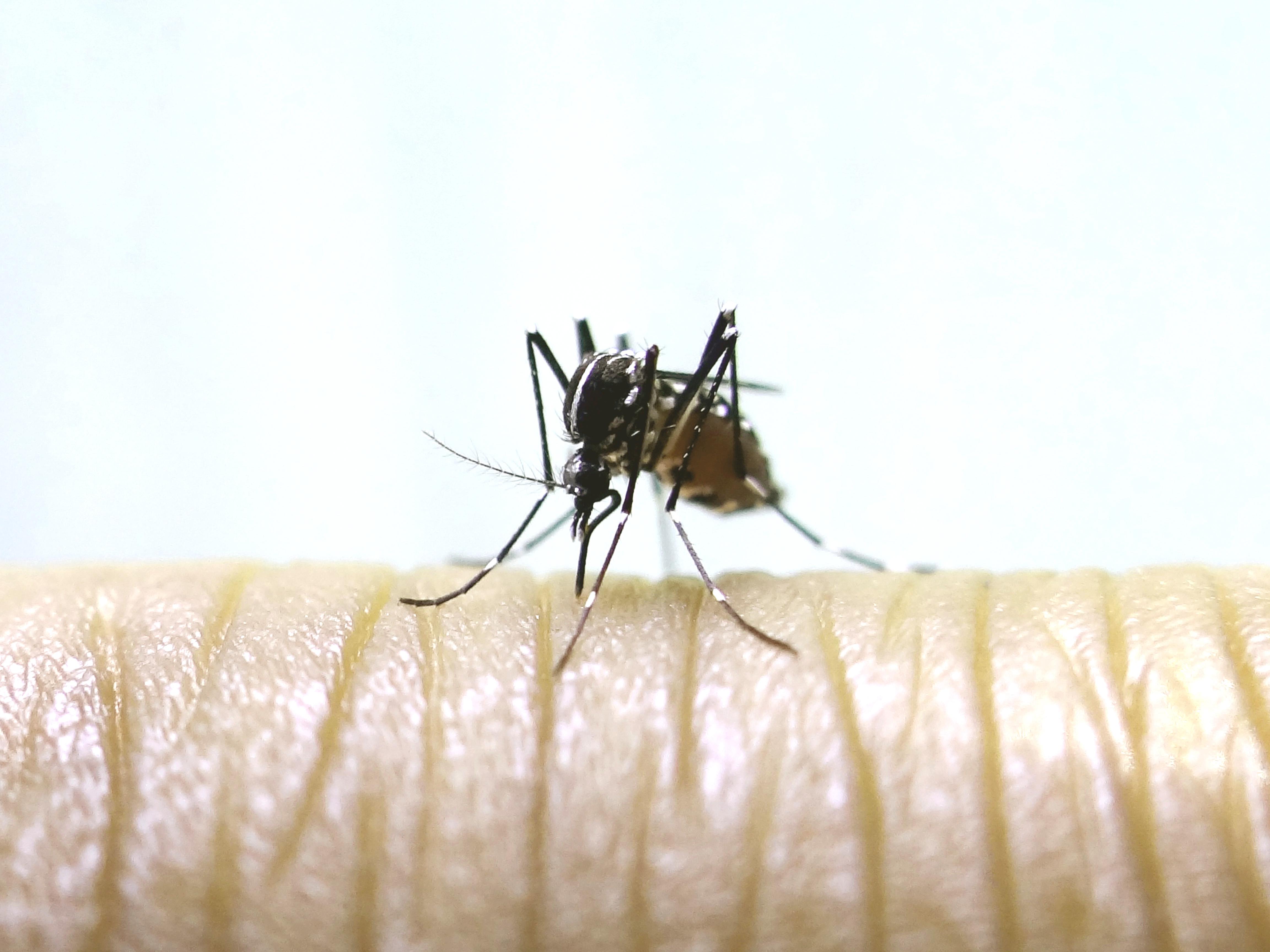
by the pitcherful, while mosquitoes swarmed
me and ignored everyone else. It’s important,
but I still can’t recall the white pine, nor
where you planted it forty-three years ago.
Symbol or not, its treeness intrudes.
So we suffer these things with age, and if
what we cut down carries meaning beyond
cellulose and shade, bark and pine scent,
we’ll bear that mourning, too. So fuel your
saw, brother, and sharpen the chain. Today
becomes yesterday. Tomorrow never waits.
* * *
“Cutting Down the Anniversary Pine” was drafted during the Tupelo Press 30-30 Challenge in August 2015, and was published by Quiet Letter in April 2017.

Between
1
Living between, we watch what flows below us shed itself.
And what remains after the drought subsides?
I don’t recall the instance of assignation, of color-imprinted
awareness and stones erupting from the earth,
nor the paper’s texture and the faint odor of chemicals reacting,
but in this moment I embrace bitter coffee, the wrecked-nerve
hammer-strikes pulsing from hip to ankle, squealing brakes
and the rain shallowing morning’s ridge as if to say
enjoy me now
for I may never return.
2
Faith flickers in the wind, darting among the weeds.
Risen from payment, penalty, punishment, revenge, the word pain
establishes justification where none need exist.
Interpreting light and sound, scent and heat, we converse.
The dog shivers in bed and I lay a towel over her,
affixing content to involuntary movement.
Stepping through space, crossing the stream.
Those things we don’t know.
Three feet below me the snake’s head ripples towards the far side,
a V of turbulence dissecting the calm.
Everything that can be contained contains us as we in turn
envelop one another. I take your hand and press forward.
3
Connected, we part, only to return and part again.
My hand stopped inches away and the diamondback slithered off
under the workbench, seeking peace.
Abandoned skin, abandoned words. Even the cactus grows thirsty.
The paradox of becoming what you are not. Today, sitting hurts
and standing provides little relief.
In one of two halves I find myself. In the other, your laughter rings.
Like rumblings of earthen discontent or the hiss of air
exiting waterless pipes, we emerge, aimless, exhausted.
Inhabiting one world, we seek others.
* * *
“Between” appeared in Clade Song, one of my favorite poetry journals, in August 2016.
I Praise the Moon, Even When She Laughs
I got drunk once and woke in Korea
with you watching over me.
Odd, how you spend seasons looking
down, and I, up. If I lived in a cloud,
could you discern me from the other
particles? Perhaps your down is
peripheral, or left, or non-directional. I can
fathom this without measuring scope,
yet I feel queasy about the possibility
of being merely one vaporous drop
coalescing among others, unnamed
and forgettable, awaiting the particular
atmospheric conditions to plummet to my
fate. As if we control our own gravities!
One winter I grilled pork tenderloin under
your gaze, unaware that the grass
around me had caught fire, and when I
unwound the hose and turned on the
faucet you laughed, as the hose wasn’t
connected and only my feet were
extinguished. Dinner was delayed
that evening, but I praised you just the same.
I look up, heedless in the stars’ grip, unable
to retrace all those steps taken to this here,
now, but still you sway above the branches,
sighing, lighting my path, returned once
again, even if not apparent at all times. Every
star signals a departure. Each is an arrival.
* * *
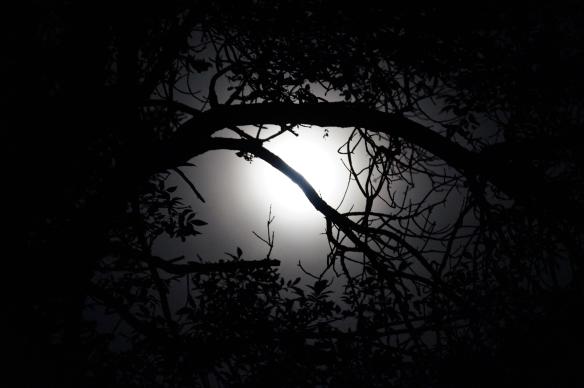
“I Praise the Moon, Even When She Laughs” was published in Sourland Mountain Review in January 2017.

The transliteration on Chinese-poems.com reads:
Spring sleep not wake dawn
Everywhere hear cry bird
Night come wind rain sound
Flower fall know how many

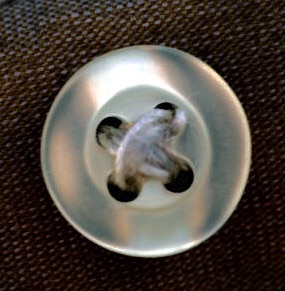
Scarecrow Sees
Da Vinci maintained that sight relies on the eye’s
central line, yet the threads holding my
ocular buttons in place weave through four
holes and terminate in a knot. My flying friends
perceive light in a combination of four colors,
unlike the farmer, who blends only three. The
octopus knows black and white but blushes
to escape predators, while I remain fixed,
evading no one. Certainly my sense is more
vision than sight, and not the result of nerve
fibers routing light. Crows choose colors
when asked, but a certain shade of yellow
eludes them. And who would hear, above
the flock’s clamor, my claim to see this world
as it is? Grayscale, monochrome, visual
processing and perceptual lightness measures
mean little to one whose space accumulates
in uncertain increments – what is a foot to an
empty shoe? If I painted, which hues would
prefer my attempts, which would distract or
invade my cellulosic cortex, resulting in
fragmentation or blindness? Fear is not
limited to the sighted alone. I look out over
the field and perceive the harmonious
interaction of soil and root, leaf and sun,
the beauty of atmospheric refraction and
the wonder sprouting daily around me. Then
as one entity the crows explode into the blue,
leaving me alone with the shivering stalks,
questioning my place and purpose, awaiting
the next stray thought, a spark, a lonely
word creeping through this day’s demise.
This was written during the August 2015 Tupelo Press 30-30 Challenge, and was published by The High Window in December 2016.
Daniel Schnee considers my poem “The Resonance of No.”

 O at the Edges