Before We Knew


Before We Knew

All thought of consequence
melted with that first touch
of tongue to skin, no respite
to be found in that heat,

no shade at all. I recall
hitching a ride later with a
German couple who lit up
and passed the joint without

asking, and after their
Cinquecento sputtered away,
I walked down to the bar at the
waterfront for an espresso and

to watch the lights spark along
the bay.  A few times a week
I’d see a boat putter in and tie up,
and the one-armed man would

display his catch or a carton
of bartered Lucky Strikes, but
not this night. The moon
weighed heavy on my shoulders

as I trudged home, remembering
the way you’d smiled and said,
from some place I’d never
witnessed before, come here,

now, as if I could have said no and
turned around, as if another urge
could have inserted itself
in that moment, in that life, ever.


* * *

“Before We Knew,” first appeared in Sleet Magazine in August 2018. I am grateful to editor Susan Solomon for taking this poem.


Gulf

gulf


Gulf
for M.V.

Which looms wider, its sky or water? The birds, here, too,
reconvene in greater streaks. This morning I stomped around
Paisano, examining the grasses and soil, the rocks and various
configurations of clouds, and listened to experts discuss
prescribed burns and how the land’s contours can determine
sequence and efficacy. The mockingbird whose territory
we occupy has disappeared. Perhaps he’s just moved on.
I heard a red-bellied woodpecker yesterday, but never saw it,
and of course the rattlers at the ranch are still underfoot, just
less apparent this time of year. I looked closely, as always,
but never spied one. What else did I miss? The rich people
on the bluffs bulldoze habitat, poison creeks and erect their
Italianate villas, caring not a whit for the breeding warblers
or the landscape, although they might pony up a few bucks
for an environmental charity if sucked-up to properly. Given
a choice between the two, I’d pick the snakes every time;
they don’t smile or offer spiked drinks and stories of their
conquests, and usually warn before striking. Even a minor
deity might take offense and crack open a new fault in the
earth between this place and theirs, widening it by inches
with each presumption, every falsehood, whether shaded
in unrelated facts or illogic, until that shifting space could
be spanned solely by a bridge planked with truth and good
manners, and, yes, by mutual consent. Looking back, I
find many examples of these bridges collapsing in utero,
but we keep trying. Your story of the gulf coast storm
reminded me of weeks spent on calm water, and seeing,
no matter where I turned, blue meeting blue, from horizon
to horizon, the sky never broken by bird or cloud, born
anew each day, always looking between, never down.


“Gulf” was published in West Texas Literary Review in March 2017.


Gulf

gulf


Gulf
for M.V.

Which looms wider, its sky or water? The birds, here, too,
reconvene in greater streaks. This morning I stomped around
Paisano, examining the grasses and soil, the rocks and various
configurations of clouds, and listened to experts discuss
prescribed burns and how the land’s contours can determine
sequence and efficacy. The mockingbird whose territory
we occupy has disappeared. Perhaps he’s just moved on.
I heard a red-bellied woodpecker yesterday, but never saw it,
and of course the rattlers at the ranch are still underfoot, just
less apparent this time of year. I looked closely, as always,
but never spied one. What else did I miss? The rich people
on the bluffs bulldoze habitat, poison creeks and erect their
Italianate villas, caring not a whit for the breeding warblers
or the landscape, although they might pony up a few bucks
for an environmental charity if sucked-up to properly. Given
a choice between the two, I’d pick the snakes every time;
they don’t smile or offer spiked drinks and stories of their
conquests, and usually warn before striking. Even a minor
deity might take offense and crack open a new fault in the
earth between this place and theirs, widening it by inches
with each presumption, every falsehood, whether shaded
in unrelated facts or illogic, until that shifting space could
be spanned solely by a bridge planked with truth and good
manners, and, yes, by mutual consent. Looking back, I
find many examples of these bridges collapsing in utero,
but we keep trying. Your story of the gulf coast storm
reminded me of weeks spent on calm water, and seeing,
no matter where I turned, blue meeting blue, from horizon
to horizon, the sky never broken by bird or cloud, born
anew each day, always looking between, never down.


“Gulf” was published in West Texas Literary Review in March 2017.


Scarecrow Replies


Scarecrow Replies


This talk of destiny and exceptionalism and the incessant
push towards terror inflames my metaphorical innards.
Birds may kill, but they don’t practice genocide and never
erase history’s missteps with published falsities; their songs
remain true. Not so with man. What grows importance is
not what you hold but what another has in his grasp, no matter
how tenuous. I think of water and how some would charge
for the right to drink, or withhold it from those who cannot
pay. And air? Whose breath defines the dollar? Or the fear
that a distant neighbor might receive a benefit that you
neither need nor desire. Crows claim territory but roam
with the season, adapt as necessary. While they may provoke
curses in their wake, their damage is temporary and they
don’t poison for profit. If I could leave my post what station
would I accept? Having shared my days with sky-bound
friends, how could I choose another? They sing and swoop
and cooperate among the winds, taking only what they need.
They neither hoard nor covet. They steal but don’t swindle.
Their wings lift no grudges. Even gravity respects them.


“Scarecrow Replies” first appeared in MockingHeart Review in May 2018. Thank you to editor Clare Martin for her generosity and many kindnesses.


Political Haibun


Political Haibun

The wind knows impermanence but does not trust it.
Dependent upon atmospheric pressure, absorption
and rotation, who can blame the wind? We, too,
lend ourselves illusions, only to barter them away.
Three miles for a beer. Seven seconds for a fresh look.
A dollar extended for every five stolen. Empathy,
but only for the wealthy. Electing liars to office,
we justify our actions with more untruths. Nothing
improves. Even the quality of lies diminishes.

yellowed grass bending

under the sun’s weight

god’s will, they say


The Theory and Practice of Rebellion

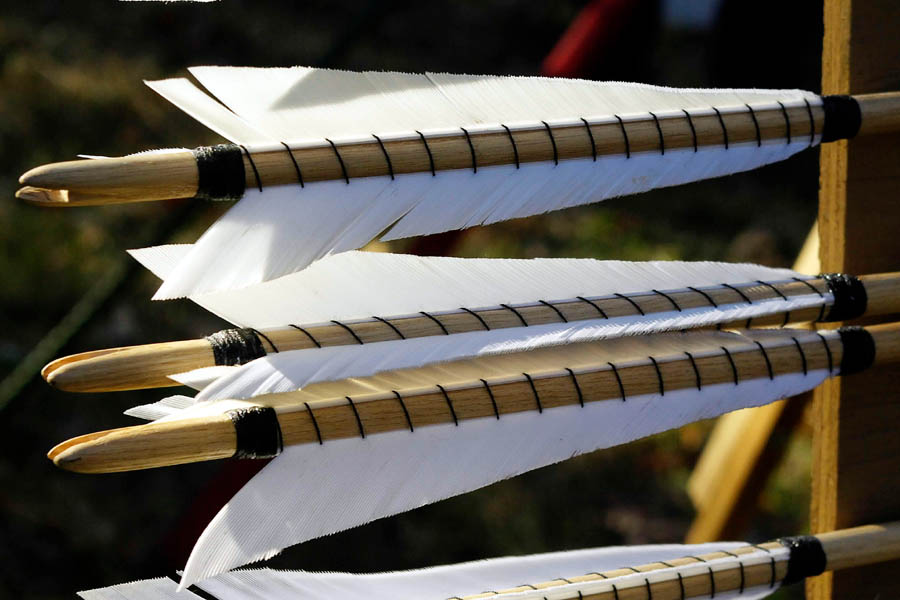
arrows


The Theory and Practice of Rebellion

Such small lives we’ve led,
diffident, quiet, until
provoked.

Remove our words,
we become steel
and sharp stone,
fletched softwood
splitting the air,
string reverberating,
singing resist,
resist
.

Fear not
who we are now.

Consider tomorrow.


“The Theory and Practice of Rebellion,” first appeared in Outcast Poetry, and was reprinted on Vox Populi. Many thanks to editor Sean Lynch for originally taking this piece, and for Michael Simms for reprinting this and other pieces. I am truly grateful for his support.

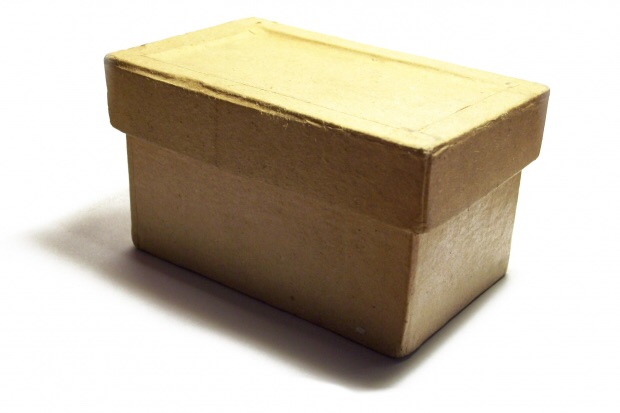
The Box

image


The Box

Opened or closed, the mood
descends

with the pull of tooth and
tongue

and discarded sound in wet
grass,

its odor mingling with
cordite

by summer pavement under the
canopy,

six plastic flowers faded by the
sun,

and photographs scattered over scraped
earth,

where we stand bound and
apart,

I reach toward
you

and find only
air.


image

“The Box” first appeared here in May 2015.

Shoe

blueshoe


Shoe

The right has only one option,
as is true of the left,

neither to mingle
nor disappear like washed socks

or loved ones in a casino.
There are those who believe

in fallen towers and pasts
burnished beyond recognition,

and truth, as it was written, for them,
in blood, with money inherited

from thieves. The puddle happens.
The door rotates. A snifter shatters.

The shoe’s approach defines its wearer.


* * *

This first appeared in March 2016, but somehow seems even more appropriate today.


cactus shoe


From Left to Right I Ponder Politics and Kanji


From Left to Right I Ponder Politics and Kanji

In the evening I pour wine to celebrate
another day’s survival. My motions:
up to down, left to right. Glass

from cabinet, wine to mouth.
And then I return to the page.
The character for stone, ishi,

portrays a slope with a stone
at its base, and I take comfort
in knowing that as my knee aches

at the thought of climbing, ishi exists
in descent only. A volcano belches,
producing hi, fire, rising above the

cone, while earth, tsuchi, lies firm
beneath the shoots pushing up,
outward, and ame, rain,

consists of clouds and dotted
lines and the sky above. But if
wind is made of insects and

plums, do I assemble new meaning
without fact or wisdom, form
or assumed inflection, left to

down, up to right? Consider water,
its currents, its logic and needs.
Consider truth. This is how I think.


* * *

“From Left to Right I Ponder Politics and Kanji” appeared in Bonnie McClellan’s International Poetry Month celebration in February 2017.


Who Will Know


Who Will Know

If I drip like snow from the roof who will know?
When I throw stones at dead men who will know?

The mother’s ghost rests in a razor-filled moat.
He purses his lips, laughs, says who will know?

You are the night sky above the red-cloud horizon.
When I fade like twilight, tell me who will know.

Which vein traces love, which proffers denial
as our blood starts flowing, and who will know?

Unanswered prayers line his frozen pockets.
When he unclenches his tiny hands, who will know?

This man’s tongue repels truth no matter the hour.
If we hear only what he allows, then who will know?


* * *

“Who Will Know” made its first appearance in May 2019 at The Local Train Magazine, a publication out of Bangladesh.