From Left to Right I Ponder Politics and Poetry

From Left to Right I Ponder Politics and Poetry

In the evening I pour wine to celebrate
another day’s survival. My motions:
up to down, left to right. Glass

from cabinet, wine to mouth.
And then I return to the page.
The character for stone, ishi,

portrays a slope with a stone
at its base, and I take comfort
in knowing that as my knee aches

at the thought of climbing, ishi exists
in descent only. A volcano belches,
producing hi, fire, rising above the

cone, while earth, tsuchi, lies firm
beneath the shoots pushing up,
outward, and ame, rain,

consists of clouds and dotted
lines and the sky above. But if
wind is made of insects and

plums, do I assemble new meaning
without fact or wisdom, form
or assumed inflection, left to

down, up to right? Consider water,
its currents, its logic and needs.
Consider truth. This is how I think.

* * *

“From Left to Right I Ponder Politics and Poetry” appeared in Bonnie McClellan’s International Poetry Month celebration in February 2017.
Laolao Pavilion (after Li Po)

file0001681287329

Another attempt at adapting Li Po. A note on Chinese-poems.com stated “at this time, the breaking of a willow twig was part of formal leave-taking.”

Laolao Pavilion (after Li Po)

Where do more hearts break under heaven?
This sad pavilion, where visitors part,
the spring wind whispers bitter goodbyes
and willow twigs never mend.

Transliteration from Chinese-poems.com:

Heaven below damage heart place
Laolao see off visitor pavilion
Spring wind know parting sorrow
Not send willow twig green.

file000171156221

First posted here in June 2014.

Spring Dawn (after Meng Haoran)

file4731293467677


This morning I slept through dawn
and the screeching birds, long
after last night’s wild wind and rain.
But who can count the fallen flowers?


The transliteration on Chinese-poems.com reads:

Spring sleep not wake dawn
Everywhere hear cry bird
Night come wind rain sound
Flower fall know how many


file7101237575173
This adaptation first appeared on the blog in November 2014.

Incongruities

image

Years ago, I worked in a library…

Incongruities

so little depends
upon

the half-Japanese
bookman

reading Italian
haiku

in the Texas
library.

Once again, my apologies to William Carlos Williams, whose poetry inspires and therefore often bears the brunt of my little diversions into whimsy. “Incongruities” first appeared here in October 2015. The original WCW poem can be found here.

image

On Parting (after Tu Mu)

file000736221785

On Parting (after Tu Mu)

This much fondness numbs me.
I ache behind my drink, and cannot smile.
The candle too, hates parting,
and drips tears for us at dawn.


A non-poet friend asked why I’m dabbling in these adaptations. After all, she said, they’ve already been translated. Why do you breathe, I replied, admittedly a dissatisfying, snarky and evasive answer. So I thought about it. Why, indeed. The usual justifications apply: as exercises in diction and rhythm, it’s fun, it’s challenging. But the truth is I love these poems, these poets, and working through the pieces allows me to inhabit the poems in a way I can’t by simply reading them. And there is a hope, however feeble, of adding to the conversation a slight nuance or a bit of texture without detracting from or eroding the original.


The transliteration on Chinese-poems.com reads:

Much feeling but seem all without feeling
Think feel glass before smile not develop
Candle have heart too reluctant to part
Instead person shed tear at dawn

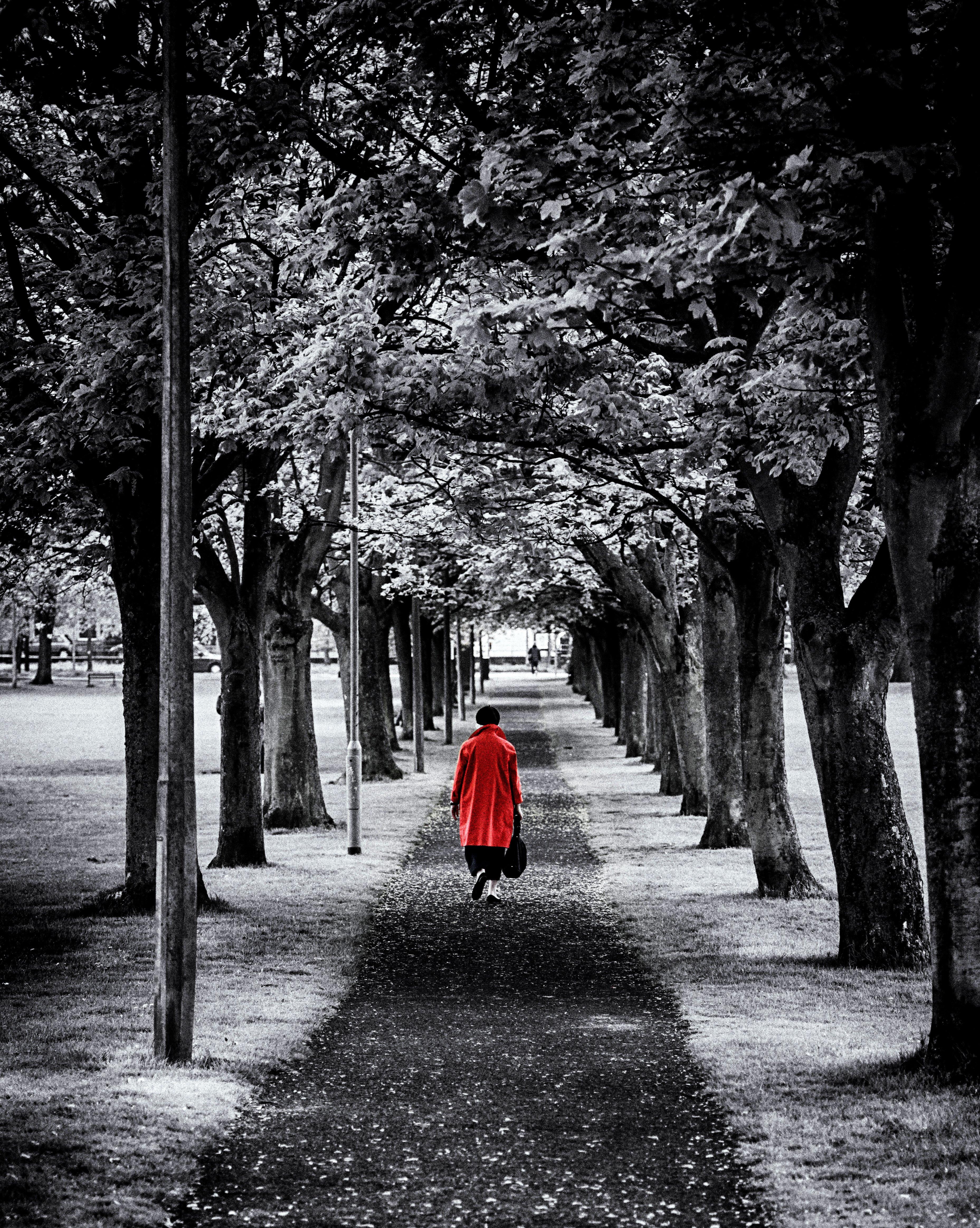
red_coat

This first appeared on the blog in October 2014.

Apricot House (after Wang Wei)

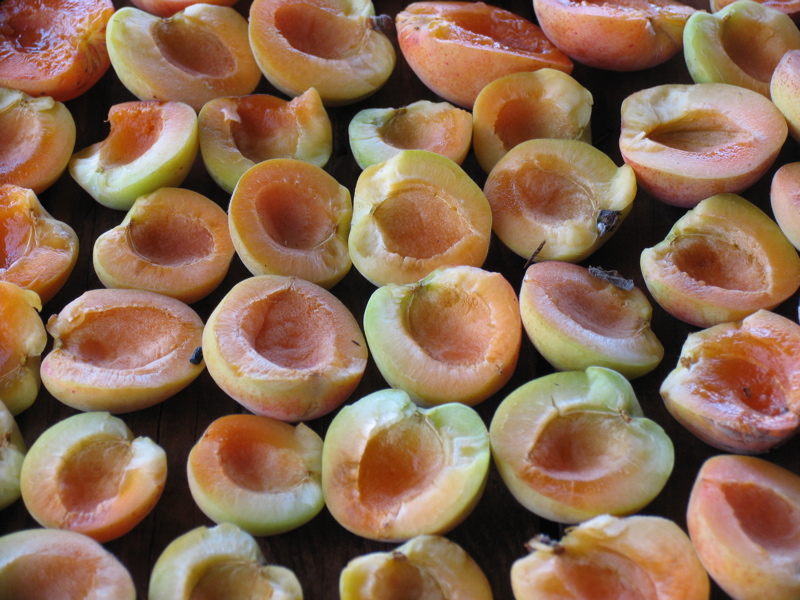
file000532973761

Apricot House (after Wang Wei)

We cut the finest apricot for roof beams
and braided fragrant grasses over them.

I wonder if clouds might form there
and rain upon this world?

The transliteration on Chinese-poems.com reads:

Fine apricot cut for roofbeam
Fragrant cogongrass tie for eaves
Not know ridgepole in cloud
Go make people among rain

Each adaptation poses its challenges, and this one was certainly no exception.
First I identified key words and determined how or whether to use them.
Apricot, roofbeam, cogongrass, eaves, ridgepole, cloud, people, rain.

Apricot was a given. It offered specificity, and feels lovely in the mouth. Roof beams, as well. Cogongrass didn’t make the cut. It is indeed used for thatched roofs in southeast Asia, but it felt clumsy; in this case, the specificity it lent detracted from my reading. And rather than use “thatched” I chose “braided” to imply the layered effect of thatching, and to imply movement, to mesh with and support the idea of clouds forming and drifting under the roof. “Not know” posed a question: did it mean ignorance or simply being unaware, or perhaps a state of wonderment? I first employed “unaware” but thought it took the poem in a different direction than Wang Wei intended (but who knows?). “Ridgepole” seemed unnecessary. So I chose to let the reader follow the unsaid – using “form there” to reinforce the impression already shaped by the roof beams and the grasses “over them.” I admit to some trepidation over the second couplet. It may still need work.

clouds

“Apricot House” first appeared here in December 2014.

Track (after Tranströmer)

file000826525674(1)

Track (after Tranströmer)

2 p.m.: Sunlight. The subway flows
beneath us. Flecks of darkness
shimmer madly on the wall.

As when a man cracks a window into a dream,
remembering everything, even
what never occurred.

Or after skimming the surface of good health,
all his nights become ash, billowing clouds,
strong and warm, suffocating him.

The subway never stops.
2 o’clock. Filtered sunlight, smoke.

* * *

I’ve been dipping into Friends, You Drank Some Darkness, Robert Bly’s 1975 translations of Harry Martinson, Gunnar Ekelöf and Tomas Tranströmer, and I couldn’t resist playing with one of my favorite poems. A different darkness, a separate space, another landscape…

This first appeared here in April 2015.

A Poem from My Recently Published Micro-Chapbook has been Nominated for a Pushcart Prize

no-eye

The editors of the Origami Poems Project have nominated “Parting from Wang Wei,” a poem from my recently published micro-chapbook, No Eye But the Moon’s: Adaptations from the Chinese, for a Pushcart Prize. Many thanks to Jan and Kevin Keough for this honor. The chapbook is available via free download from Origami Poems Project. And please peruse their site for other titles and folding instructions.


Stone Path (after Tu Mu)

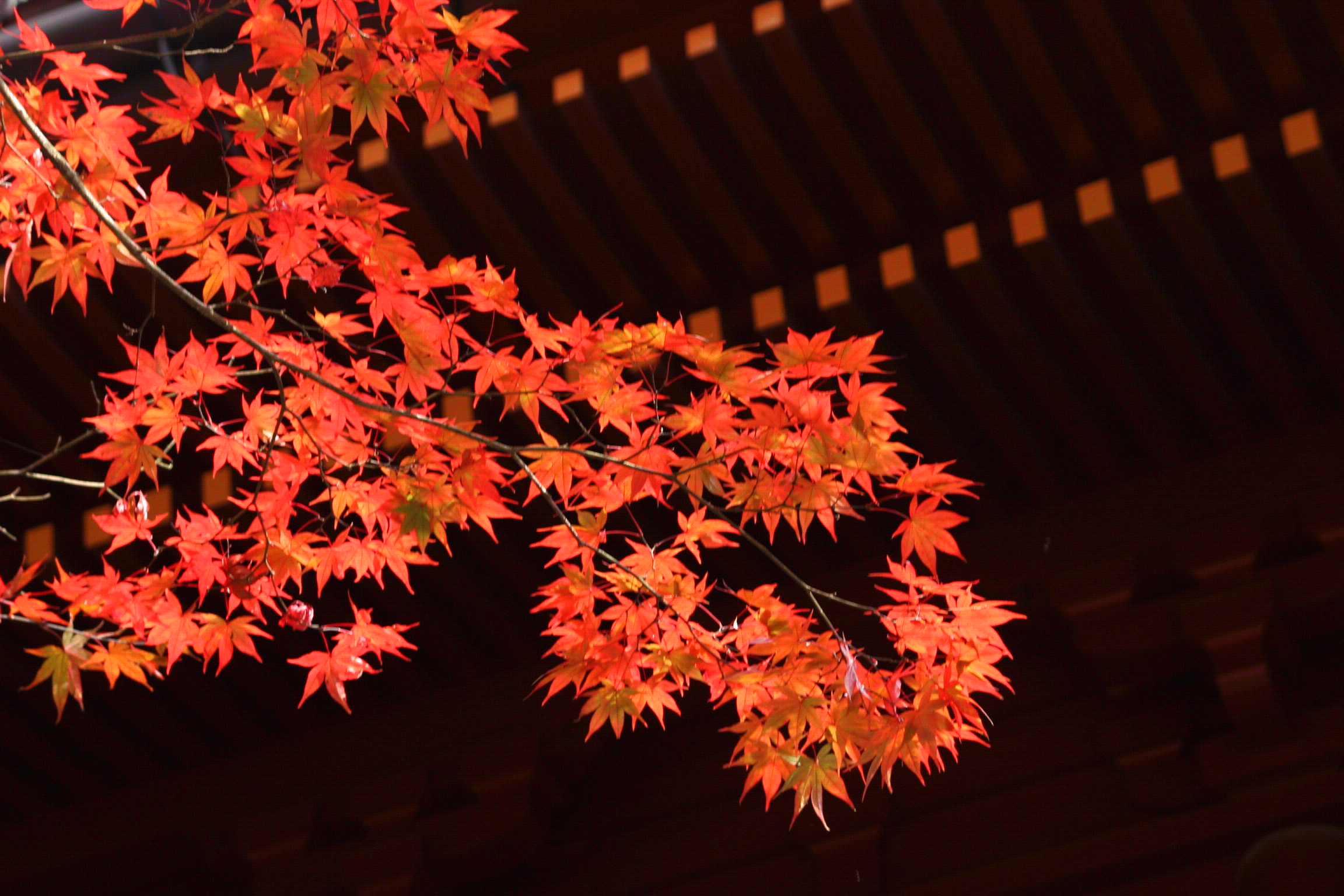
file0001060591982

Stone Path (after Tu Mu)

High up the cold mountain a stone path rises
to the village in the white clouds.
I stop the carriage and inhale the evening fragrance,
its red, frosted maple leaves richer than any spring flower.

I may have inserted a bit more of myself into this adaptation than is my usual custom. I hope it does not intrude.

The transliteration on Chinese-poems.com reads:

Far on cold mountain stone path slant
White cloud live place be households
Stop carriage because love maple forest evening
Frost leaf red than second month flower

* * *

This adaptation first appeared  in October 2014.

file0001982262771

Sheng-yu’s Lament (after Mei Yao-ch’en)

DSC_1243

Sheng-yu’s Lament (after Mei Yao-ch’en)

First heaven took my wife,
and now, my son.
These eyes will never dry
and my heart slowly turns to ash.
Rain seeps far into the earth
like a pearl dropped into the sea.
Swim deep and you’ll see the pearl,
dig in the earth and you’ll find water.
But when people return to the source,
we know they’re gone forever.
I touch my empty chest and ask, who
is that withered ghost in the mirror?

* * *

“Sheng-yu’s Lament” is included in my micro-chapbook, No Eye But The Moon’s, available via free download at Origami Poems Project.

The transliteration on Chinese-poems.com reads:

Heaven already take my wife
Again again take my son
Two eyes although not dry
(Disc) heart will want die
Rain fall enter earth in
Pearl sink enter sea deep
Enter sea can seek pearl
Dig earth can see water
Only person return source below
Through the ages know self (yes)
Touch breast now ask who
Emaciated mirror in ghost

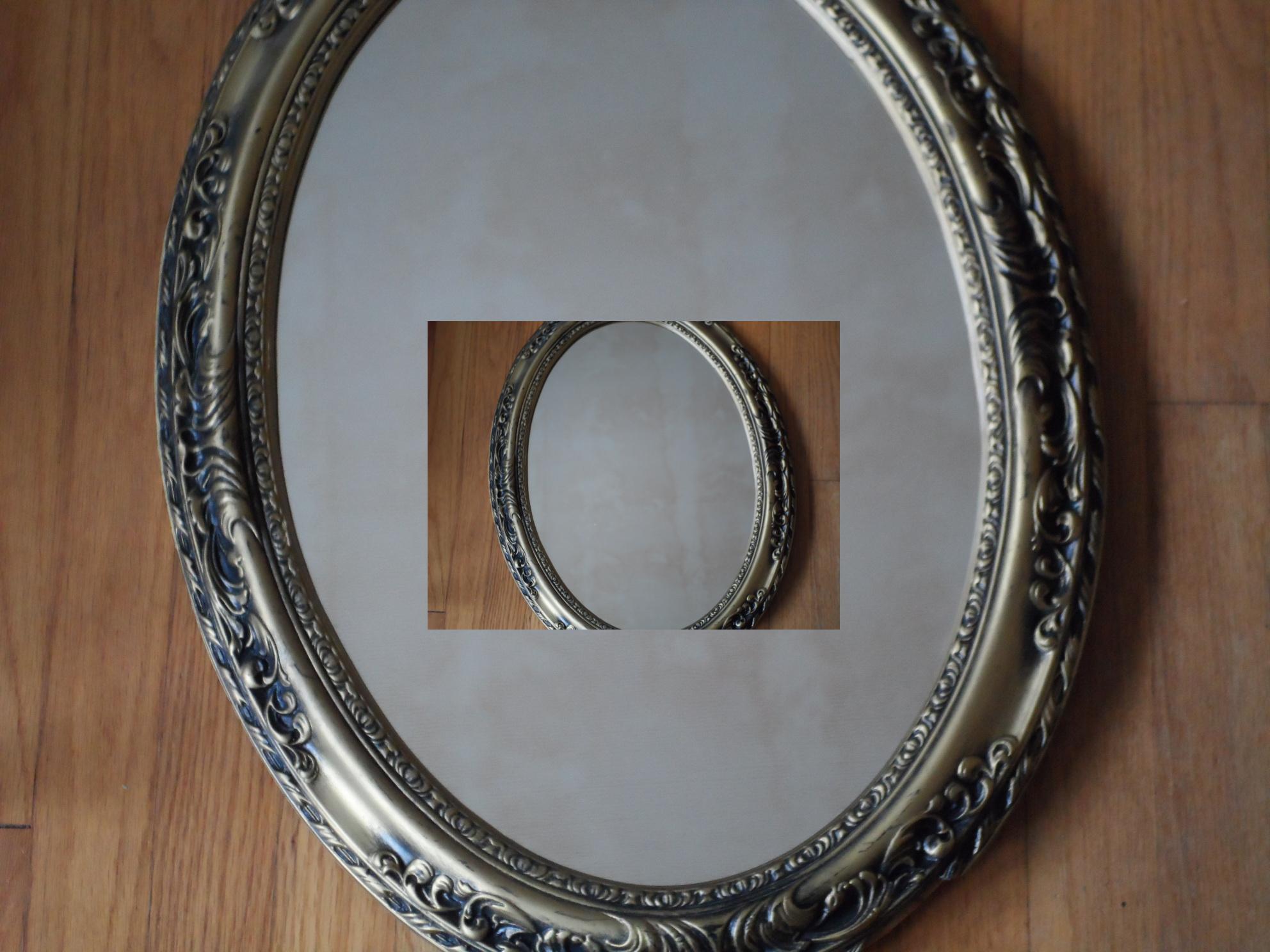
SAM_0841