Sunlight sneaks through a crack, feathering
the overgrown lawn, electric blues in the air.
I have forgotten everything I once was.
An uprooted tree, the abandoned
steeple, a lone dog chained to a pole.
The uncertain puddle in a memory of howls.
Last night’s midnight ochre, in spades.
It lives behind me, like the wind.
“Texas Flood” was published in the print journal North Dakota Quarterly in February 2019.
And hey, here’s a video of SRV playing his version of “Texas Flood” with brother Jimmie.
At the moment you snipped away
my reticence, I spoke so eloquently
that even the stones wept at your
indifference. As you arranged my
pose and buttoned the shirt
around the wire and fodder
replenishing my torso, I understood
your roots and mine should never
merge: transcendental, and in
collusion with the irrational, we
circles cannot be squared. And
how must I reconcile my unheard
words? The longer I speak the
greater their magnitude – a balloon
expanding in volume retains its
ratio – one day my words will sift
through your filters and you will
at last receive them. I pull this
particular comfort close – that
patterns and frequencies and
tendencies become law, that the
fleshless and soulless, the mute
and misunderstood, the powerless,
the different, nevertheless will be
heard. But what of love? How may I
contend to feel, to know that which
is your right? A nervous system
conducts electrical and chemical
impulses, yet lacking these, my
coreless heart sags at the thought
of your departure. I am no man.
Is this truly not enough?
“Scarecrow Contemplates Pi” first appeared with two companion pieces in Eclectica in summer 2016.
We have always absorbed heaven,
even through these days of malformed
grain and truth pulled dark and low:
variety confirms purpose. This ear
captures no sound. These inflorescences
produce starch. Those
release pollen. You will die one day.
Inaction reflects uncertain intent.
One must weigh frost,
and with their shallow
roots, susceptibility to drought, poor
soils and high wind. Your lips
kiss steel more readily than flesh, yet
I pray that you amend your thoughts
and accept my proffered hand,
that the individual fruits of the cob
may one day fuse into a single mass,
bringing weight to sunlight,
and a greater grain to your table. But
the door stands unopened, a voice
censuring the innocent. I contemplate
converted light, consider
crows, subduction and rags flapping
in the darkness, silent
tongues wavering unseen above the
unhoed dirt, within each kernel’s
purpose, deep into a hollow core,
raging, unmet and shriveled,
hands opened, resolute yet proud.
The title is from a traditional song, as performed by Alison Krauss and Union Station. The poem is my take on it. “The Boy Who Wouldn’t Hoe Corn” was included in GFT Presents: One in Four, a semiannual, print literary journal published by GFT Press.
I was a military brat. My return to the U.S. after attending high school in Italy was, well, interesting. Junction City, Kansas was definitely not bella Napoli. This poem came from that experience, albeit a few years after, and was published in the mid-80s in the Allegheny Review, a national journal of undergraduate creative writing, and was republished by Silver Birch Press in 2017. The kid who wrote it still exists. Somewhere.
Letter from Kansas
Caro amico,
Driving the stretch to Junction City,
I look for familiar faces in the cars
we pass, but see only strange grasses
gliding by. Three weeks ago
I slept on a stone-littered hilltop
overlooking the Bay of Naples.
Now the prairie laps at our front door.
A mile from the house two corralled bison
munch dull hay thrown daily
from a truck’s flat bed, and past that
the Discount Center’s sign
spells America. What I wouldn’t give
for a deep draught of Pozzuoli’s
summer stench and the strong
yellow wine that Michele’s father
makes. We mixed it with the gardener’s
red, creating our own bouquet,
remember? And here they say
I’m too young to buy beer and wine.
Without them the food is flavorless,
like the single language spoken.
I understand it all,
and miss the difficulty. Maybe Texas
will be better. Ci vediamo. Bob
This was one of my first posts on the blog, and as you might expect, very few people saw it. I wrote the poem in the summer of 1983, when I was new to poetry, still tentative, exploring. A few weeks later I attempted the sonnet form, and, well, everything changed. Everything.
Do not turn away. Stare at my impropriety
and accept the facts exposed: the mixed,
the blended, the unholy result of the extra-
legal conjoining. Or, that unconcealed
mark on the cheek, brown or black,
a pupil in the eye of the sack-clothed
target. Look closer. Ask your question.
I am the world inside the fermented
egg, the tacit accusation. What you choose
not to see. Feel my breath. Remember.
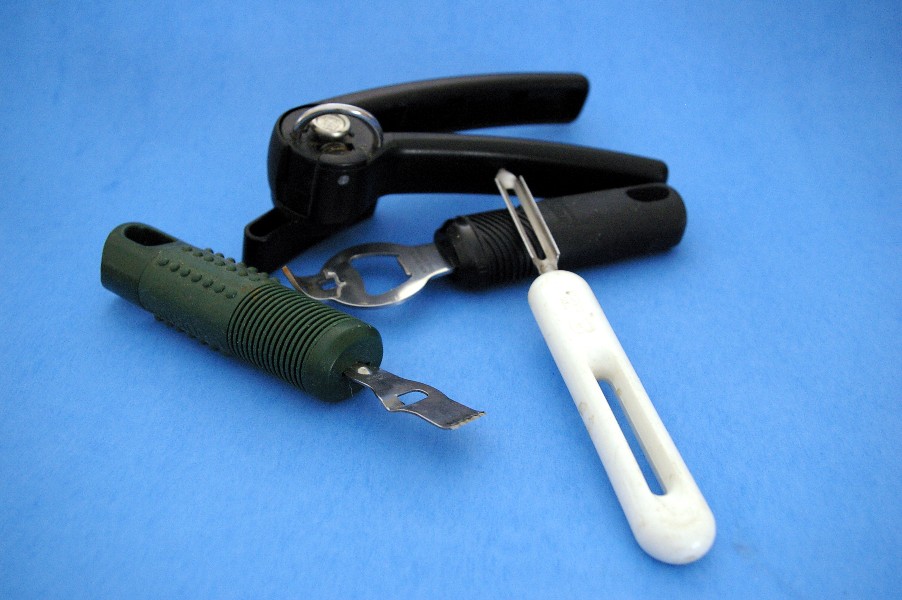
In the drawer of possibilities
you find stasis, the lure of the unknown.
To what should this hinged orb
be subservient? Or that wrinkled blade?
An egg, the bald potato. The sacrificial
carrot? To everything its purpose.
Like that light in the crook of the
altered frame, attracting the winged
beings. You, of course, serve nothing.
“Drawer of Possibilities” first appeared in The New Reader in March 2018.






 O at the Edges