When Shadows Hide


When Shadows Hide

I breathe when you breathe,
and watching me,
you capture each lost molecule.

This book blinks whenever you turn the page.
I see you between the words, between the white threads.

You are the adored chapter, the one I read in bed before
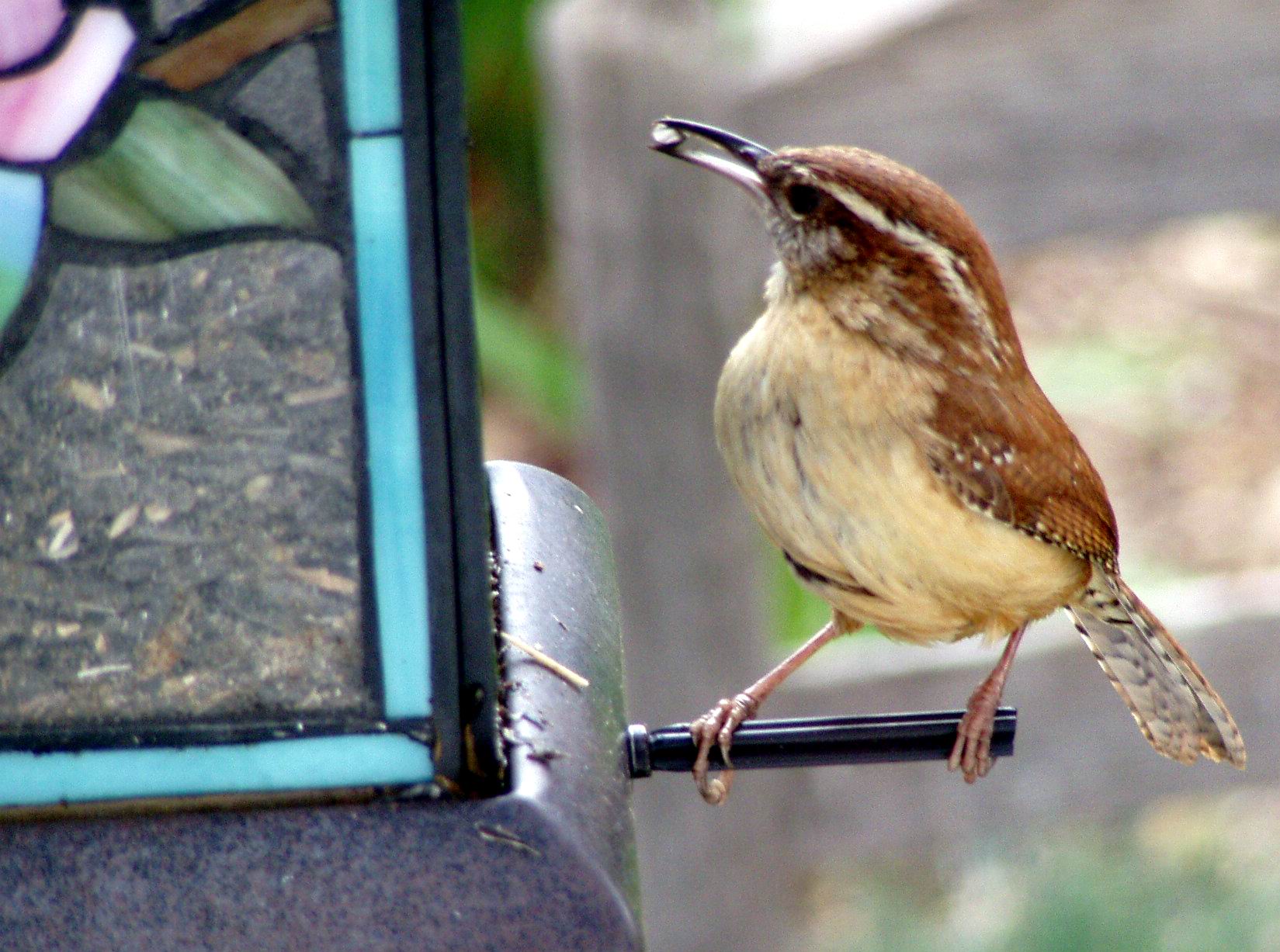
sleep, and after I wake, before the first wren announces
dawn, then in the afternoon’s highest point, when shadows hide,
and later, as they emerge to stroke your bare shoulder.

What’s on the other side, you ask. What do you hear?

Your breath, I say. Your name.


“When Shadows Hide” was first published in the print anthology Epiphanies and Late Realizations of Love in February 2019.


Obsession: Books, or, Poetry Finds Me

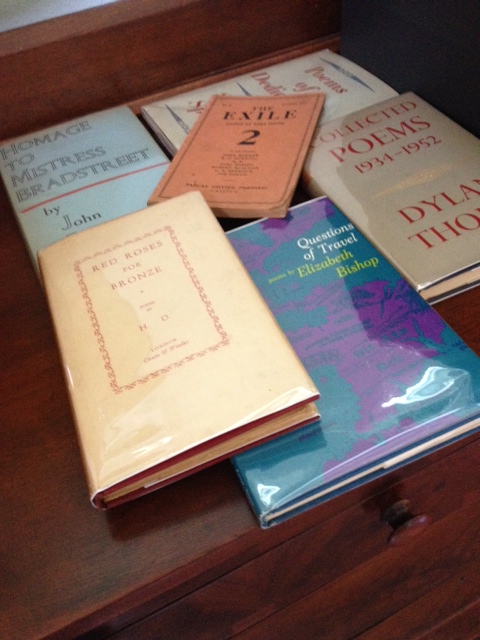
photo 2

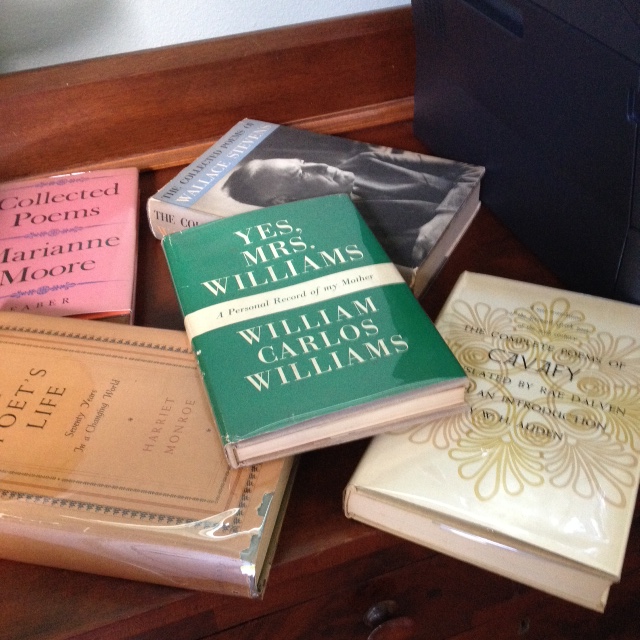
In another life books framed my days. I slept with them, dreamt about them, woke to their presence stacked by the bed and in various corners throughout the house, read them, handled them, discussed their merits with friends, co-workers, beer-drinking buddies, bartenders, customers, strangers, relatives, and even enemies. Traced my fingers slowly down their spines, identified some by odor alone, others by weight and feel. Bought, sold, cleaned, lent, skimmed, traded, gave, borrowed, collected, repaired, preserved, received. Traveled to acquire more, returned home to find still others languishing in never-opened, partially read or barely touched states. There were always too many. There were never enough.

The relationship began innocently. I’ve been an avid reader since the age of five, and over the years developed a knack for uncovering uncommon modern first editions. I’d walk into a thrift shop and spot a copy of William Kennedy’s first novel, The Ink Truck, snuggling up to Jane Fonda’s workout book, for a buck. Or at a small town antique store, something especially nice, perhaps a near-fine first edition of Cormac McCarthy’s Outer Dark, would leer at me from a dark shelf – $1.50. John Berryman’s Poems (New Directions, 1942) found me at a garage sale, for a quarter. Good Will yielded Pynchon’s Gravity’s Rainbow. There were others, of course. Many others.

I partnered with a few like-minded friends and opened a store, and when that didn’t work out, started my own home-based book business, which eventually expanded into a small brick-and-mortar shop, a true labor of love. And I mean labor. The forlorn space we rented was cheap and had housed for years a low-end, illicit massage parlor. Cleaning it out was, oh, shall we say interesting? I’ll never forget the furry massage table, the naked lady lamp or the various implements left behind after the joint was finally forced to close. But we hauled out the filthy carpeting, stripped and refinished the hardwood floors, fixed, painted and patched what we could, and hid what we couldn’t. It was exhausting, but well worth the toil.

My work schedule ran from Monday through Sunday, a minimum of eighty hours a week – in a seven-year period, I took off only two long weekends. It consumed me, but in the end I emerged mostly intact, a little more aware of my proclivities, of an unhealthy tendency to immerse myself wholly into an enthusiasm, to the detriment of family and friends. When we sold our store’s wares, I embraced the change; some dreams simply deplete you. But the itch remained.

Just a few weeks ago I found myself perusing an accumulation of books in a storage facility across the street from a junk shop in Llano, Texas, a small county seat an hour’s drive west of my home on the outskirts of Austin. The shop’s owner had purchased an English professor’s estate, and judging by the collection, the professor had specialized in poetry. My first thought was “I want it all,” but reason set in (I could very well imagine my wife’s reaction were I to arrive home with a trailerful of books) so I glanced over the criticism, fiction, drama, essays and biographies, and concentrated on the poetry. In the end I walked away with thirty-one books, including H.D.’s Red Roses for Bronze (Chatto & Windus, 1931), Randall Jarrell’s Little Friend, Little Friend, Elizabeth Bishop’s Collected Poems and Questions of Travel, a brace of Berrymans – His Toy, His Dream, His Rest and Homage to Mistress Bradstreet – both the U.S. and U.K. first editions, which differ – and Love & Fame. A good haul, to say the least, but one that left me only partially satisfied and contemplating a return. But I remain resolute. So far.

As I said, the itch remains…

* * *

This first appeared here in April 2015, and yes, the itch is still there. The pandemic has prevented me from haunting used bookstores as I’d imagined I would. But someday…
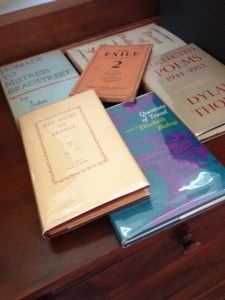
photo 1(1)

Self-Portrait as Two Halves


YinYang


Self-Portrait as Two Halves

No epiphanies in these woods,
no prayers yanked about,
currying favor from the loneliest
god of a fruitless tree, its DNA
unraveling at thought’s speed.
Never having greeted us,
the other world waves good
riddance and this one turns its
back, both torn in equal measure
yet admitting no guilt through
their narrowed eyes. Oh, to be
whole in this splintered self.


“Self-Portrait as Two Halves” first appeared in The Dew Drop in November 2020.

RO

Ro

When this note fades
will it join you in that place
above the sky
or below the waves
of the earth’s plump
body? Or will it
circle back, returning to
my lips and this
hollow day
to aspire again?


Note: Ro designates the fingering required to produce a particular note on the shakuhachi, the traditional Japanese bamboo flute. In this case, closing all holes.


Cardinal


Cardinal

Question: what is air if not
the means by which we

see and feel? Sound creates only
itself, another version of the original

sense. I move from shadows to a deeper
darkness, hoping to find that point where absence
ends. But there is no end, only

continuation, a cry for those
who offer their hands in ambiguity. Sometimes
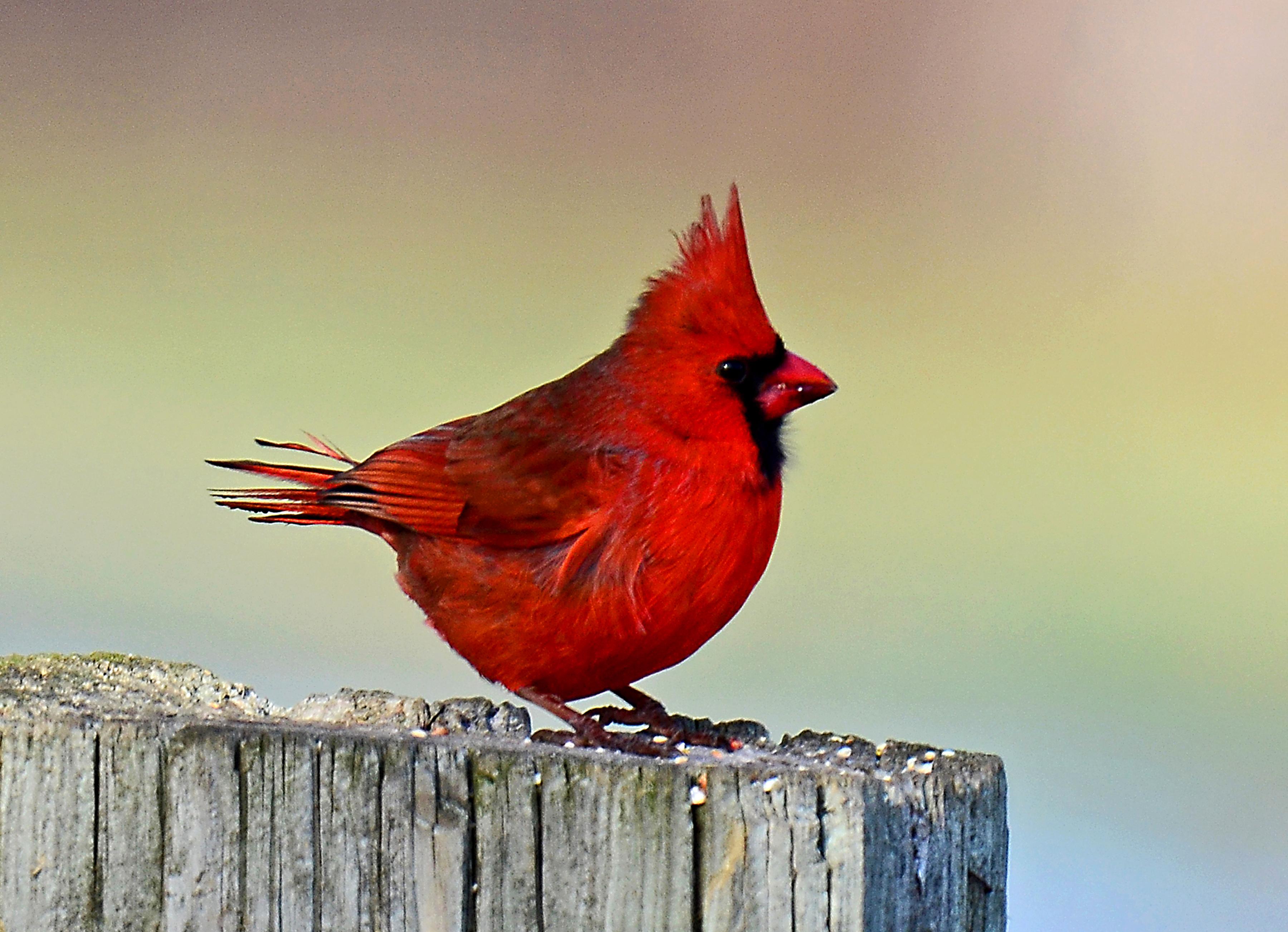
a cardinal’s call fills our

morning with questions. So
little of all we touch
is felt. We are the air. The air is.


Another poem from the 80s. I was obsessed with birds even back then…

Bent


Bent

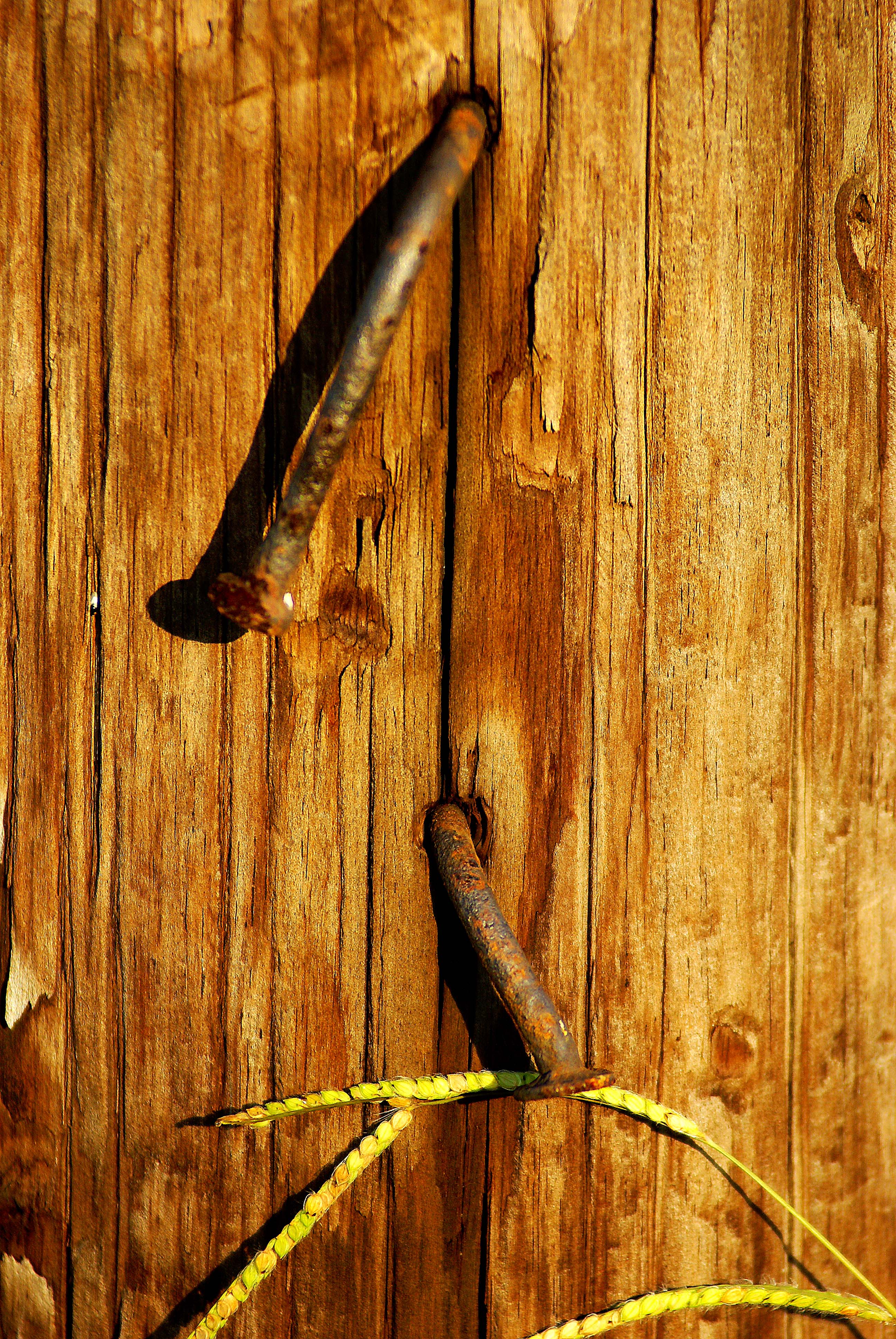
We’ve seen some version of the nail
curled over, the head angled at 90 degrees
or parallel to its body, just above

the penetration point. Three years ago
a tornado powered a single straw stem
through the oak’s bark and into its trunk,

illustrating the Old English beonet, for
“stiff grass,” and sadly conjuring the image
of a blade affixed to a firearm’s muzzle, the

etymology of which lies elsewhere, in Gascony.
And when we consider mental inclination,
signifying deflected, turned, or not straight,

we might also include an earlier past participle
meaning “directed in course.” But even the
tree’s armor could not deter the twister’s

wrath, and the hammer, no matter my aim
or purpose, seems intent upon glancing off
the nail, twisting it, leaving us, again, bent.


“Bent” first appeared in the print publication Ristau: A Journal of Being in January 2018.


The Art of Flight

DSC_1050


The Art of Flight

What wings accumulate is not air
but space, an exemplar

of restraint defied. I listen
and hear feathers

ruffling in the shadows,
a vibration that swells

until it becomes flight or
regret, the retrieval of our

bodies from this dream of ascent.
The art of flight is one of

disturbance, of angles and lift
and touching what can’t be seen.

What we hold carries no meaning.
The beauty lies in the gathering.


file000141329806


I wrote this piece in the mid-80s, and posted it here in 2015. I’d forgotten about it, until I found the original moldering in a box of old papers. It’s okay, for an artifact from another life…

While Blowing on the Shakuhachi I Think of Birds

While Blowing on the Shakuhachi, I Think of Birds

Yesterday’s sorrow
dissipates in joy.
Though you are not here, I hear your voice,

blow a solitary note in response.
Your philosopher bird carries it to you,
two-thousand miles away,
as the wren brings your song to me.

This is love today
and tomorrow, 
embodied in birdsong and faith.

Next week I will know your touch
as you will mine.

We’ll follow our lists,
starting with lips, while the universe
surges around us, filling the voids we never saw.

Needs, answered.

Perhaps the world will end.

Perhaps the red-tailed hawk will follow its nature.

Perhaps I will stand on the roof and shout your name.

But today, this little bird nesting in all the unsaid spaces,
is all I have, little mouth flickering, forming moons and

new mornings, new shadows, new light.

* * *

“While Blowing on the Shakuhachi I Think of Birds” first appeared in Voices de la Luna in March 2020.

In Gathering Light

In Gathering Light

1

I sit in darkness
my back to the words
gouged in stone

and wonder what
phrase the stars will
utter tonight,

what wisdom
one finds in dreams

or the widening circles
of the hole that was
there
in water,

in earth, in the common tongue
of all things.

The tree speaks
a different language.
I hear

whispers, a bone-flute’s
whistle, the sound of metal
striking dirt striking

wood,
but nothing, no words
I can gather.

2

I have lost my shadow
among the weeds
of this place.

Somewhere
it wanders,

a thin, grey shape
waiting for light to give birth

to the blackness
I call friend,

itself, shadow.
My fingertips trace
the lines, hoping

to draw something
from the stone –
an unknown word,

the druid’s
small bag of dreams,
the lyrics of the stars.

* * *

Another poem, another artifact from the mid-80s, rediscovered last year.

Self-Portrait as Window

window

Self-Portrait as Window

When you look through me
which darkness illuminates
your vision, outlining the
ghosts of never was and not
yet? Or do your eyes glare
back in silent terror, knowing
the power of liquid made
solid, of light transformed to
electricity and by inference
these words or the shades
drawn by voice command?
Transparent, elusive, evident,
I stand alone, clear. Hidden.

“Self-Portrait as Window” first appeared in The Dew Drop in November 2020.