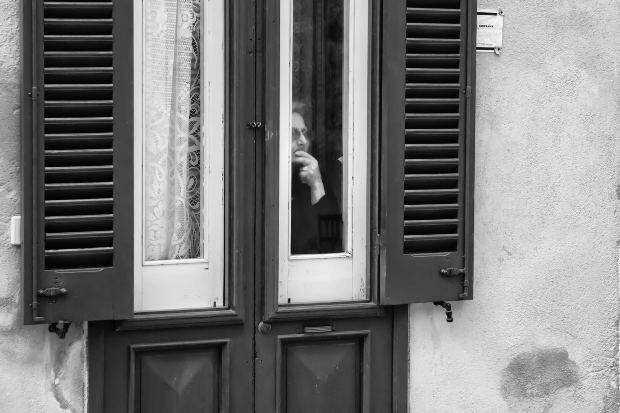
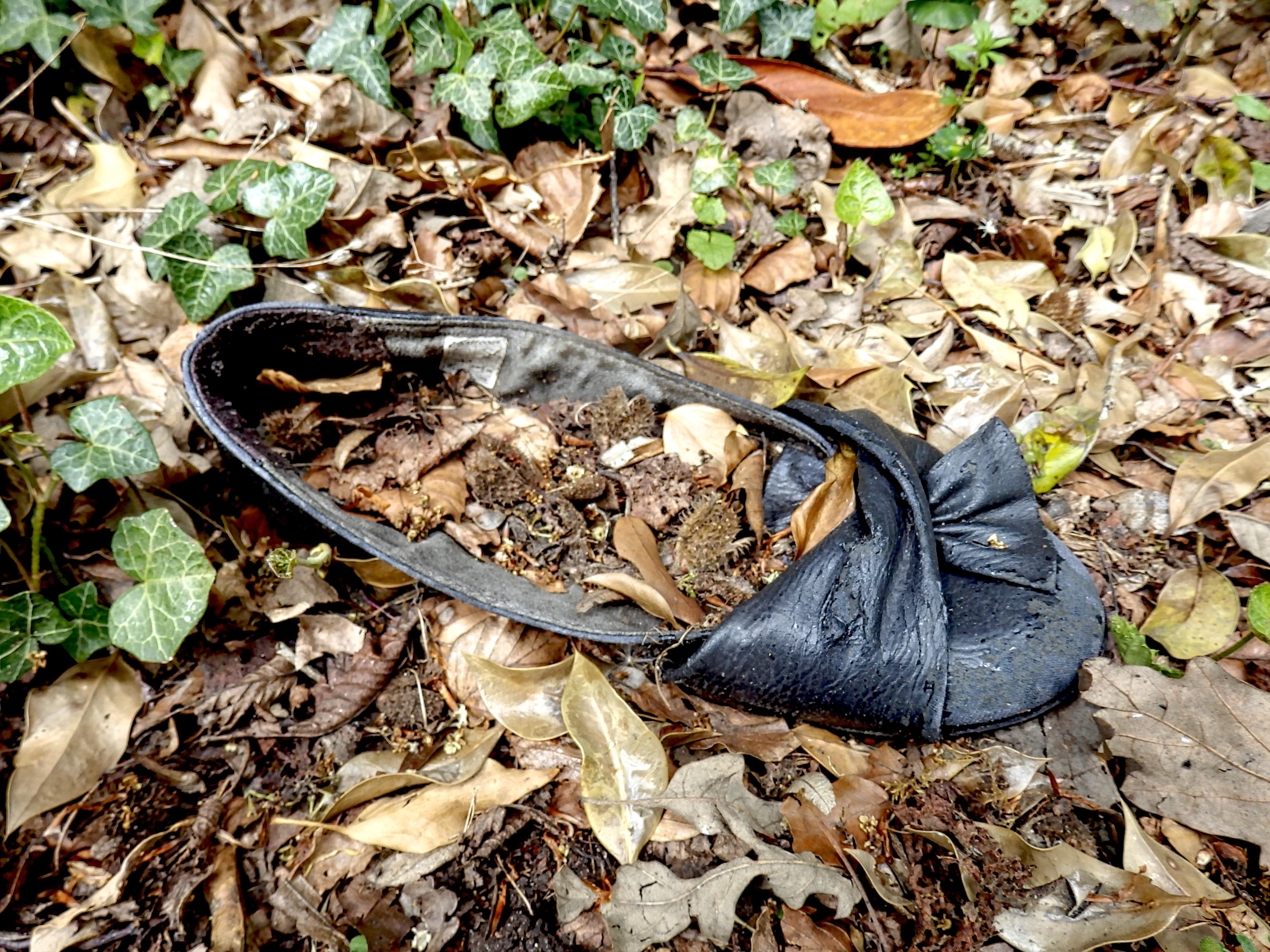
Introduction to the arrival of the cat’s death

Jeff Schwaner’s poem about impending loss strikes me hard today.

Jeff Schwaner's avatarTranslations from the English

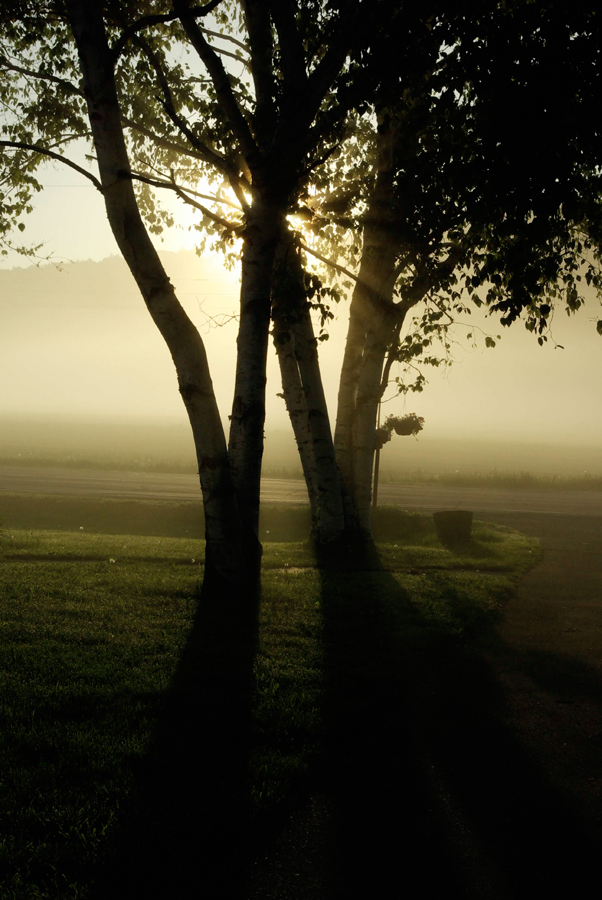
stairs

Introduction to the arrival of the cat’s death

You have been coming this way for over a year
And I know it has taken a lot from you

Moving so slow

But I cannot let you in just yet.
He is too weak to move from our bed

These last few days but he still purrs
When he’s aware we are with him

And you can’t come into this room.
I will bring him down to you in a day

Or maybe two

There is so little left of him and by the time
I lift him from the bed everything

That’s valuable will already be gone.
I have carried them down before you know

I will not leave you waiting

Any longer than it takes in the meantime
There’s coffee a piano some books to read

The chairs I know are not comfortable
Down here where you wait

View original post

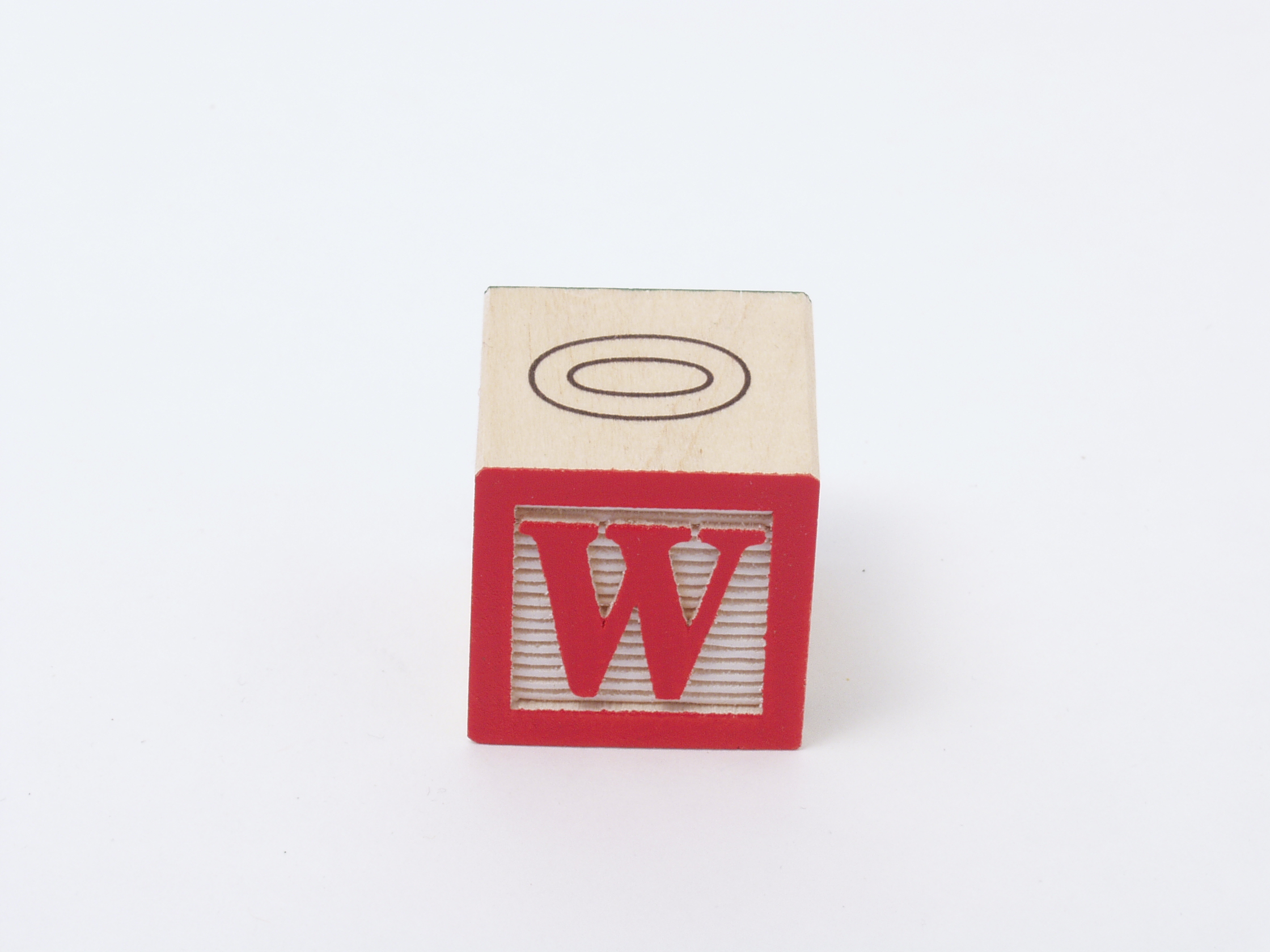
Self-Portrait with W

file7131243281016

Self Portrait with W

One might claim a double victory, or after the Roman Empire’s fall, a reclamation
from the slurred “b” and its subsequent reduction.

Survival of the rarely heard, of the occipital’s impulse.

The oak’s crook performs a similar function.

Shielding myself from adjuration, I contemplate the second family
root, weighted in weapons, in Woden, in wood.

Not rejection, but acceptance in avoidance.

The Japanese homophone, daburu, bears a negative connotation.

Original language was thought to be based on a natural
relation between objects and things.

Baudelaire’s alphabet existed without “W,” as does the Italian.

The recovery of lost perfection is no longer our aim.

When following another, I often remain silent.
As in two, as in answer, as in reluctance, reticence.

We share halves – one light, one shadowed, but both of water.

Overlapped or barely touching, still we complete.

* * *

“Self-Portrait with W” originally appeared in the Silver Birch Press Self-Portrait series in 2014, and was reprinted in my chapbook, The Circumference of Other, included in Ides, a one-volume collection of fifteen chapbooks published by Silver Birch Press and available on Amazon.com.

OLYMPUS DIGITAL CAMERA

Letter to Gierke from the Future’s Past

Letter to Gierke from the Future’s Past

Dear Ken: I’m fixated on open faucets and drained tanks,
on cracked PVC and browned grass, denial and what’s to
come, thinking of old dogs and accusations and how
the morning’s lopsided beginning has wrung out every
shred of positive emotion absorbed overnight. Then
a pinpoint emerges, swelling, until I can see, as through
a spidery windshield, tomorrow and its improbabilities.
Last weekend I built a window screen to exact measurements,
only to discover the sill tilted on the north by a quarter-inch,
and in order to install the damned thing I had to shorten
its right side, ruining the rectangle. Perfection eludes me,
even when guided by tape and square, especially in this
climate of exacerbated deterioration, which has not, alas,
excluded me – sciatic nerve, shoulders, knees, hands, etc.
But enough whining. Tea leaves predict that in a few hours
I’ll cross the creek trickling over the road, check the cisterns
and drop off tomorrow’s drinks before heading home to
swat mosquitoes and grill sage-rubbed pork kebabs while
sipping hoppy brews. That’s as far into the future as I
care to venture. The Cowboys drafted a lineman named
Taco, the weeds need mowing and my belly says noon
is fast approaching. I’d like carnitas, but have only rice
and beans, which probably signifies something far deeper
than my conscience will admit, trials I’ll never face. A
thunderstorm looms in the forecast, but my left ankle says
it ain’t happening. What do your mended bones claim?
Mine usually plead the fifth, but hey, they’re careful,
these days, and with good reason. Take care. Bob

* * *

“Letter to Gierke from the Future’s Past” was featured at Vox Populi in December 2017.

Letter to Okaji on the Past Not So Perfect

Ken Gierke’s reply to “Letter to Gierke from the Future’s Past.”

Ken Gierke / rivrvlogr's avatarrivrvlogr

Letter to Okaji on the Past Not So Perfect

Letter to Okaji on the Past Not So Perfect

Dear Bob: I often think that things are just as they should be. The house is just right. My car is running fine, on it’s way to 200,000 miles. The young are healthy, the elders nearly so. And then the lawn dies under another heat wave, after it’s third planting, and the throttle body on the car sucks more water than air as it chokes and dies during a 700 mile drive to a funeral in the dead of winter. But I limp home after a major repair with engine flush and decide not to tell the local shop they cracked the oil filler cap when they changed my oil. I learn to live with weeds and balance water consumption with a scraggly lawn. I also remind myself that a sore knee when I make that mid-nightly trip to the bathroom…

View original post 60 more words

Irene Hergottova (7 Poems)

Daniel Paul Marshall is unearthing some gems in his stint as editor of Underfoot Poetry. Case in point: these poems by Irene Hergottova.

My Poem “Nine Ways of Shaping the Moon” is on Other People’s Flowers Podcast

My poem “Nine Ways of Shaping the Moon” is featured on the Podcast Other People’s Flowers. I’ve never heard this poem read by someone else. It’s good to hear a different voice. Many thanks to Hugo Gibson for recording this version. You may find the podcast at these various links:

https://itunes.apple.com/gb/podcast/other-peoples-flowers/id1351210915?mt=2https://www.podbean.com/podcast-detail/tw73f-672dc/Other-People’s-Flowers-Podcasthttps://anchor.fm/other-peoples-flowershttps://player.fm/series/series-2182071https://www.stitcher.com/podcast/other-peoples-flowers

Nine Ways of Shaping the Moon

                                         for Lissa

1
Tilt your head and laugh
until the night bends
and I see only you.

2
Weave the wind into a song.
Rub its fabric over your skin.
For whom does it speak?

3
Remove all stars and streetlights.
Remove thought, remove voice.
Remove me. But do not remove yourself.

4
Tear the clouds into threads
and place them in layered circles.
Then breathe slowly into my ear.

5
Drink deeply. Raise your eyes to the brightness
above the cedars. Observe their motion
through the empty glass. Repeat.

6
Talk music to me. Talk conspiracies
and food and dogs and rain. Do this
under the wild night sky.

7
Harvest red pollen from the trees.
Cast it about the room
and look through the haze.

8
From the bed, gaze into the mirror.
The reflection you see is the darkness
absorbing your glow.

9
Fold the light around us, and listen.
You are the moon in whose waters
I would gladly drown.

* * *

First posted in October 2014, and again on Valentine’s Day in 2016, 2017 and 2018, “Nine Ways of Shaping the Moon” also appears in my chapbook, If Your Matter Could Reform. Coincidentally, my poem is paired with one by Veronica Haunani Fitzhugh, with whom I am acquainted via this blog and the Tupelo Press 30-30 challenge. I’m very pleased and proud to have my poem read alongside hers.

While Reading Billy Collins at Bandera’s Best Restaurant, Words Come to Me


While Reading Billy Collins at Bandera’s Best Restaurant, Words Come to Me

And having no other paper at hand,
I scrawl on a dollar bill, “I want to speak
the language of smoke.” My invisible friend
interrupts. That is a white man’s dilemma.

 At least you have a dollar and a pen.
“But I’m only half-white,” I reply, “with half
the privilege.” Then you must bear double
the burden,
he says. This version of math

twists my intestines into a Gordian knot,
as does the concept of half equals twice,
or in terms I might better comprehend,
one beer equals four when divided by color

or accent and multiplied by projection.
The unsmiling waitress delivers my rib-eye
as I’m dressing the salad, and the check appears
just after the first bites of medium-rare beef

hit my palate, certainly before I can answer the
never-voiced question “would you like dessert?”
Cheese cake, I would have said. Or cobbler. And I
seldom turn down a second beer. This too, I’m told,

is another example of my unearned entitlement. I
contemplate this statement, scribble a few other
phrases on bills, drop them on the table, and walk out,
wondering which direction to take, which to avoid.

* * *

“While Reading Billy Collins at Bandera’s Best Restaurant, Words Come to Me” was a finalist last fall for the Slippery Elm Prize in Poetry. It was published in Slippery Elm (print only) in December 2017. You may be amused to hear that last October I had lunch in Bandera with one of the other finalists in this competition, but not at the restaurant featured in the poem. The photo is of a local bar, not the eatery, but it offers some of the flavor of the town.

Poem Up at Vox Populi

My poem, “The Question is Never,” is up at Vox Populi, and has been paired with Allison Skinner’s essay on the psychological effects of dehumanizing language. Thank you, Michael Simms, for taking this poem.

Yesenin

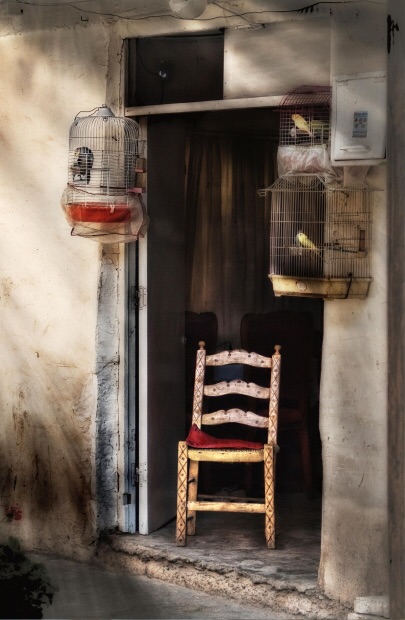
image

Yesenin

Respite, involuntary and gentle
circling one’s
collar, a touch barely felt, renewed.

Or, the other turns,
belying expression and the halted voice.

The recursive window, closing.
A final poem in blood.

And beyond the glass? The face behind
the indifferent mask
designs its own

smile, risking everything
as the chair’s leg tilts,

inertia become constriction,
the taut lapse begun.

* * *

A fascinating poet, Sergei Yesenin died nearly 90 years ago. You might check out his bio on wikipedia.

image

If You Drop Leaves


If You Drop Leaves

If you drop leaves when she walks by,
does that signify grief for those
cut down early,

or merely drought?
How easily we abandon and forget.

Yet a whiff of lemon verbena or the light
bouncing from a passing Ford
can call them back,

tiny sorrows ratcheted in sequence
above the cracked well casing

but below the shingles
and near the dwindling shade
tracing its outline on the lawn.

And what do you whisper
alone at night within sight
of sawn and stacked siblings?

Do you suffer anger by way
of deadfall or absorption,

bark grown around and concealing
a penetrating nail, never shedding
tears, never sharing one moment

with another. Offered condolences,
what might you say? Pain earns no
entrance. Remit yourselves.

“If You Drop Leaves” was published at Bad Pony in November 2017. Many thanks to editor Emily Corwin for taking this piece.