My poems “Self-Portrait as Never” and “The Real Question” are live at After the Pause. I’m grateful to editor Michael Prihoda for accepting these pieces.

My poems “Self-Portrait as Never” and “The Real Question” are live at After the Pause. I’m grateful to editor Michael Prihoda for accepting these pieces.
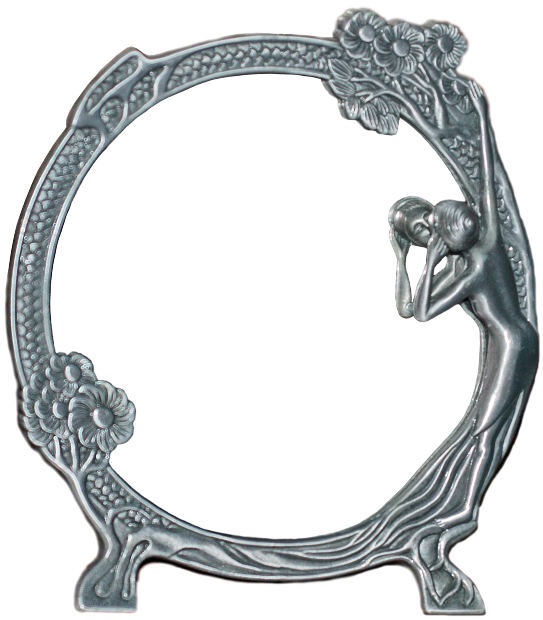
Mirror
The attraction is not
unexpected. We see
what is placed
before us, not
what may be.
The mirror is empty
until approached.
* * *
One of six short poems included in my micro-chapbook, You Break What Falls. Available for free download here: http://www.origamipoems.com/poets/236-robert-okaji

“Mirror” first appeared here in May 2015.
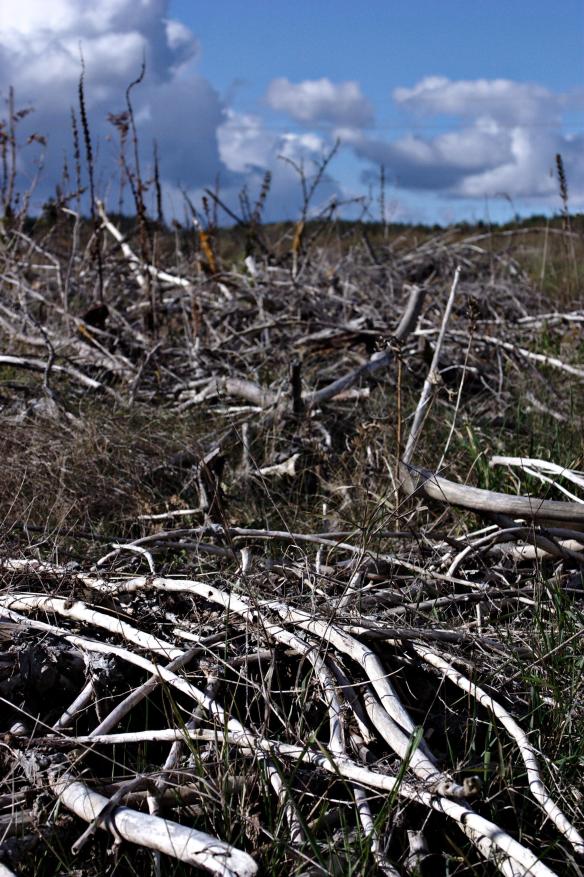
Water Witching, We Hear
The rattle of stalks
along dirt roads,
whispery days
sifting through
parched
light,
you say
patience, my
friend, and again,
patience.
* * *
“Water Witching, We Hear” first appeared on the blog in April 2017.
The Garden
But what of this notion
of the romantic?
It rained last night.
I could smell it
before it fell,
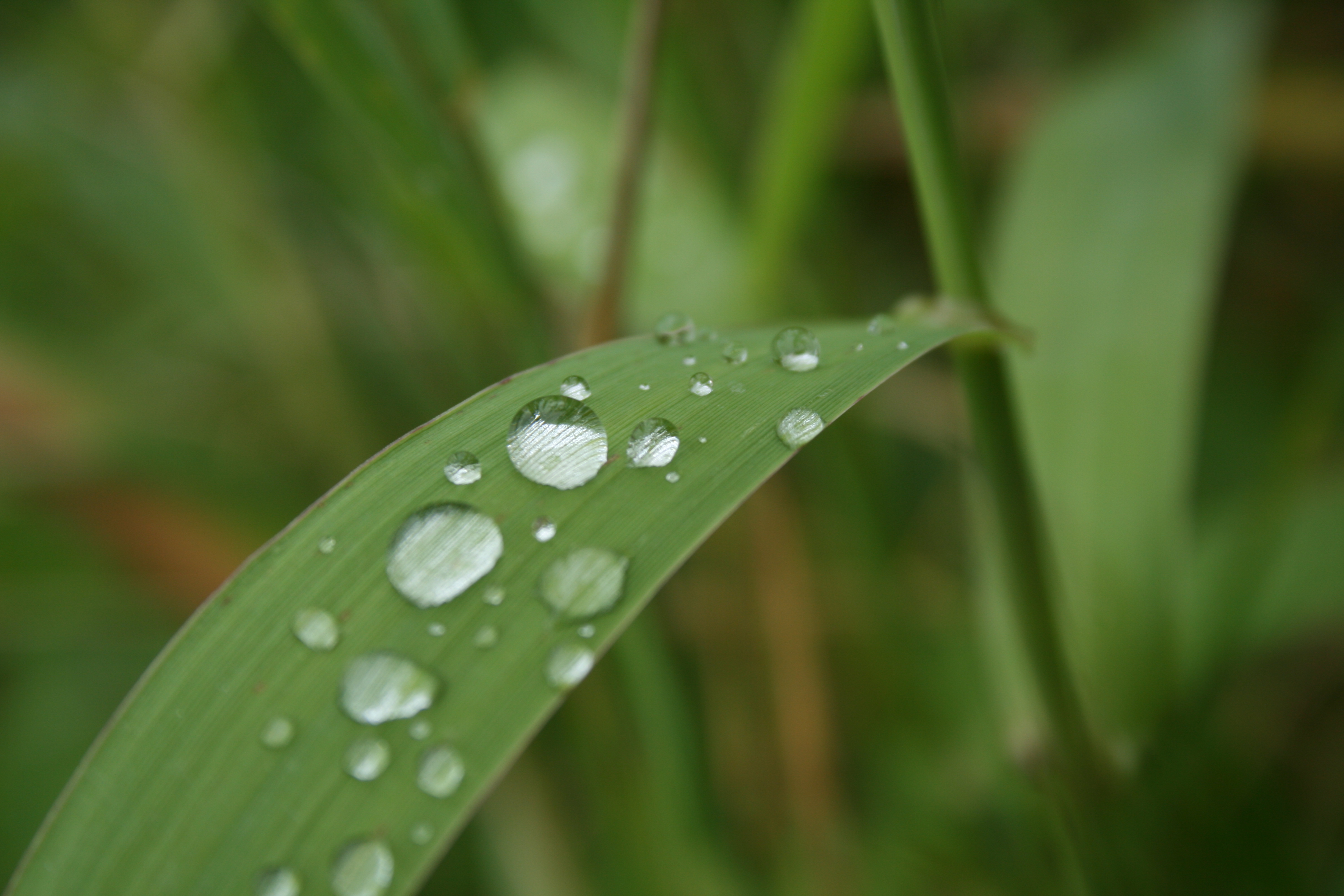
each drop a perfect
sphere until the final
moment. This
is fact, impractical but
lovely for its truth.
* * *
Initially posted here in January of 2014, the poem was published many years ago (30?) as a poetry postcard offered by the literary journal Amelia. I admit to being wrong about the shape of raindrops. But hey, they start out spherical…
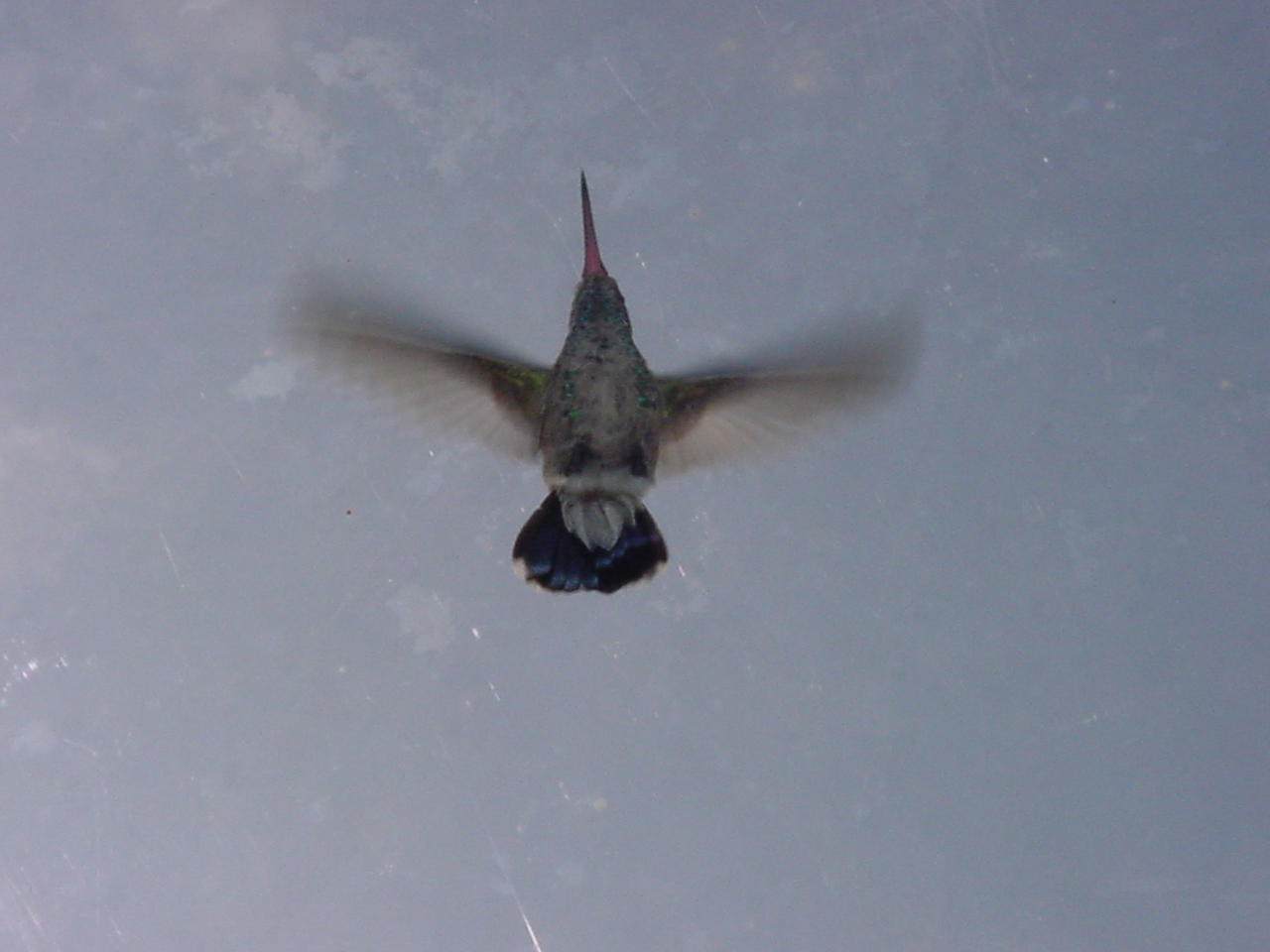
Hummingbird (3)
Arriving from nowhere,
its mouth opens
but what escapes
comes not from within
and is never complete.
Words, too, falter
in this space,
struggling to remain
aloft, challenged yet free,
an exchange
between air and wing,
of sound and thought,
occurring as it must
without design
or desire, simply
there, then gone,
a presence one notices
in its absence.
* * *
“Hummingbird (3) made its first appearance on the blog in December 2014.

In the Place of Cold Doors
We have a word for everything,
or seven for nothing. Soon
you’ll enter and I’ll talk
on the other side,
watch for signs in every
dropped crumb,
every nailhead and
embedded phrase remembered
in another’s voice. The light
will dim and I’ll look for rain and
go on speaking. My words will wander
unnoticed. You hear only yesterday.
“In the Place of Cold Doors” first appeared in Gossamer: An Anthology of Contemporary World Poetry, published by Kindle Magazine in Kolkata, India. I was thrilled to have several poems included in the anthology.
Apricot House (after Wang Wei)
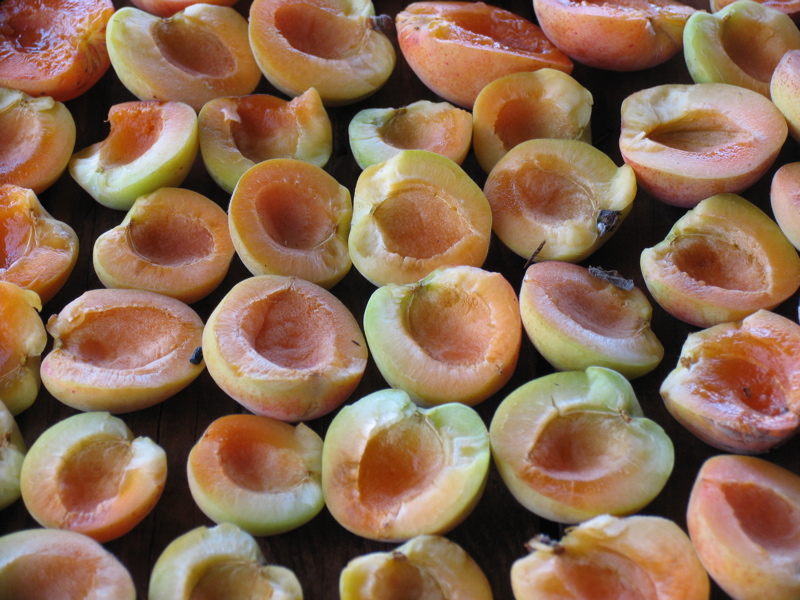
We cut the finest apricot for roof beams
and braided fragrant grasses over them.
I wonder if clouds might form there
and rain upon this world?
The transliteration on Chinese-poems.com reads:
Fine apricot cut for roofbeam
Fragrant cogongrass tie for eaves
Not know ridgepole in cloud
Go make people among rain
Apricot was a given. It offered specificity, and feels lovely in the mouth. Roof beams, as well. Cogongrass didn’t make the cut. It is indeed used for thatched roofs in southeast Asia, but it felt clumsy; in this case, the specificity it lent detracted from my reading. And rather than use “thatched” I chose “braided” to imply the layered effect of thatching, and to imply movement, to mesh with and support the idea of clouds forming and drifting under the roof. “Not know” posed a question: did it mean ignorance or simply being unaware, or perhaps a state of wonderment? I first employed “unaware” but thought it took the poem in a different direction than Wang Wei intended (but who knows?). “Ridgepole” seemed unnecessary. So I chose to let the reader follow the unsaid – using “form there” to reinforce the impression already shaped by the roof beams and the grasses “over them.” I admit to some trepidation over the second couplet. It may still need work.

“Apricot House” first appeared here in December 2014.
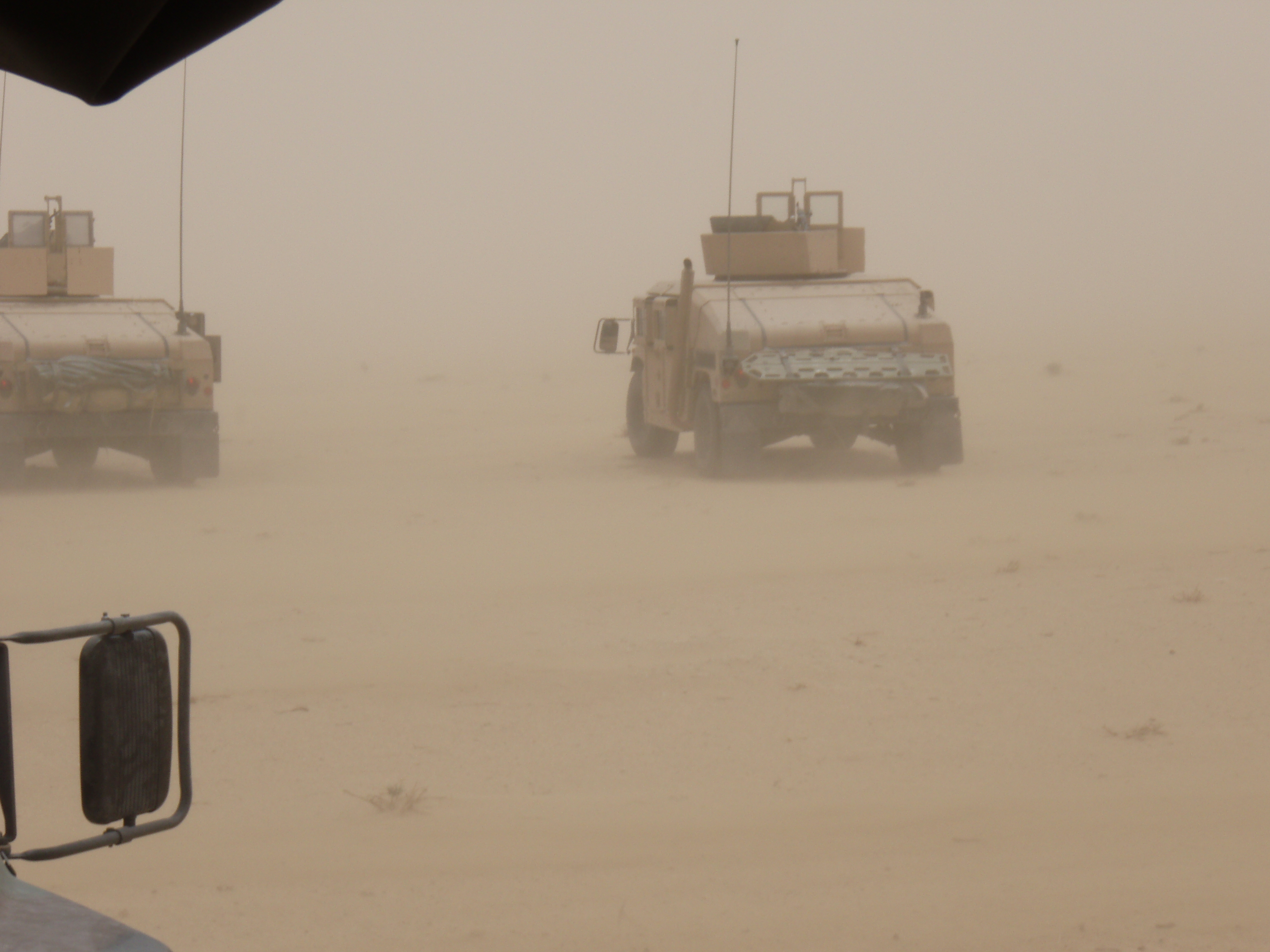
Elegies for the Night (2002)
for W
1
You might palm a small token, damp and misshapen as the words
you expel, never admitting the dark truth.
Or the plundered life, neither black nor white, invisible yet whole.
Someone prays, yet all around silence reigns and the snow melts.
Possibilities cleansed in the light of misplaced certainty.
2
The charred wind’s fruit bears little resemblance to its predecessor.
And later, within the garden’s stones, what remains
but an acrid taste on the tongues of the speechless?
And if the bones have dispersed where might their thoughts reside?
The wind takes nothing it does not want.
The wind wants nothing.
Nothing remains.
I am afraid, she said. Please tell me.
3
Though the moon returns in its diminished
state, I shall not listen. Words
turn back and eat
themselves, exposing intent
behind form, consonants beneath
vowels lying in wait. Abandonment.
And further senseless
debates: gain from loss, shock and awe,
the incessant demand for others to do
not what you would do but what you would have them do.
I claim no insight,
but even the light you reveal burns unclean.
4
Despair and its siblings fall to mind.
Scarcities: clean water, air, the simplest meal
when ashes swirl and fingers burn long after
the rain. My son, my son,
and other cries lost in the sand.
If he listened what sounds could he bear,
what sights, which odors? I tremble and lie still.
* * *
“Elegies for the Night” first appeared in Boston Poetry Magazine in April 2014.


Spring Night (after Wang Wei)
Among falling devilwood blossoms, I lie
on an empty hill this calm spring night.
The moon lunges above the hill, scaring the birds,
but they’re never quiet in this spring canyon.
Another try at an old favorite…
I consider this adaptation rather than translation, but perhaps appropriation or even remaking might be more accurate.
Here’s the transliteration from chinese-poems.com:
Person idle osmanthus flower fall
Night quiet spring hill empty
Moon out startle hill birds
Constant call spring ravine in
So many choices, none of them exactly right, none of them entirely wrong. How does one imply idleness, what words to use for “flower” (blossom? petal?), or for that matter, “fall” (descend, flutter, spiral)? And how to describe a moonrise that scares the constantly calling birds? My first attempt began:
“I lie among the falling petals”
but it seemed vague. The word “osmanthus” fattened my tongue, or so it felt, but the osmanthus americanus, otherwise known as devilwood or wild olive, grows in parts of Texas. So I brought the poem closer to home.
I considered naming the birds (quail came to mind) but decided against. In this case the specificity felt somehow intrusive.
My hope is that I’ve managed to amplify, in some small way, previous iterations, and that while the edges are still a bit blurred in morning’s first light, perhaps they’ll become slightly crisper by the evening.
“Spring Night” last appeared here in February 2018.
Inquisition
1.
I breathe smoke
from the fire
warming our feet
Something is not right
but not wrong
yet
like the bones’ dance
on wires
in a bad dream
Fear’s sharp blade twists
burning with the slow
heat of coals
2.
I cannot read ashes
the message
of cracked stones in desert light
nor the poetry
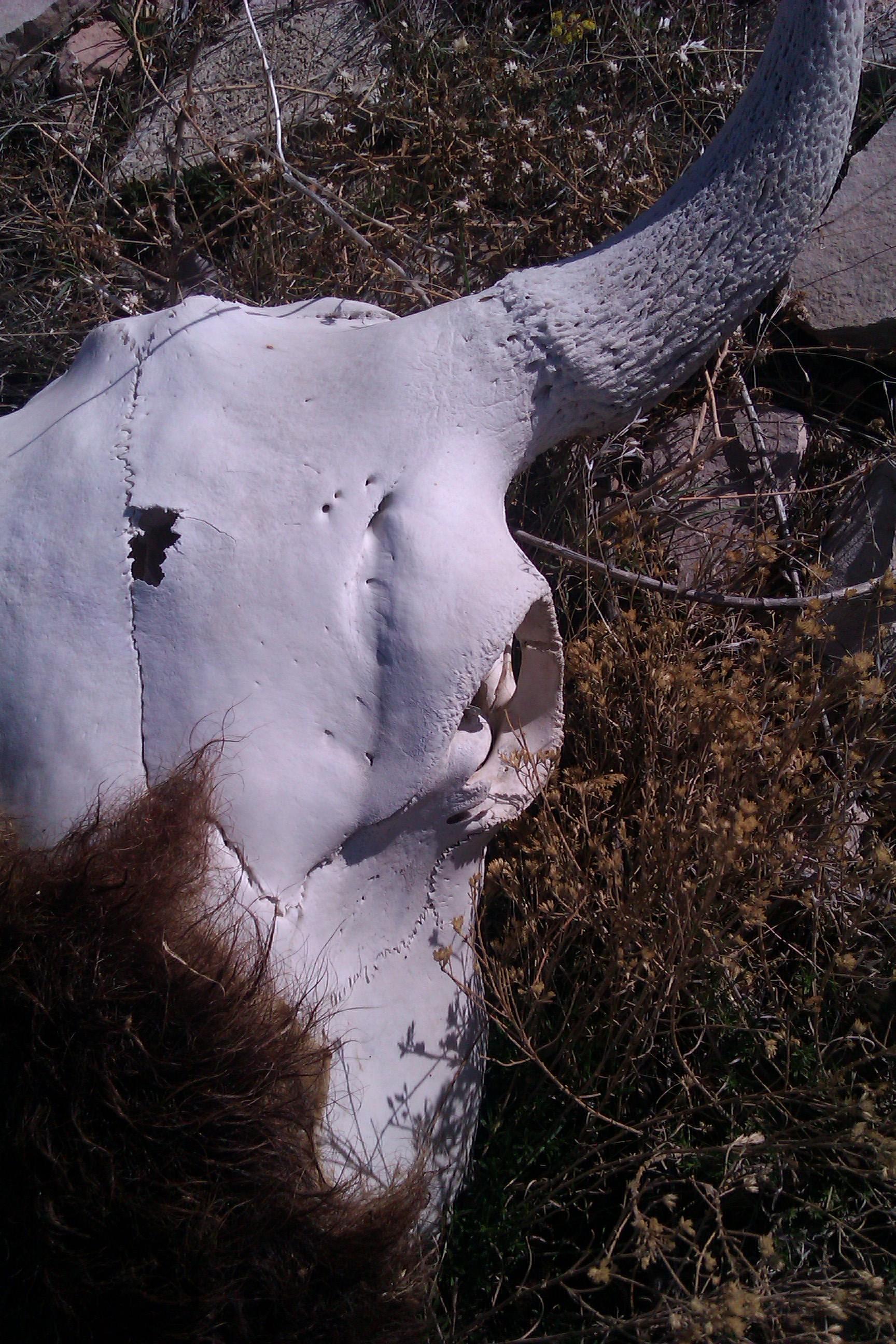
of the cow’s skull
white on dark sand
What right has a man
And the snake’s
quivering tongue tasting
what the air brings to him

Originally posted in December 2014. One of my earliest published pieces, this first appeared in Taurus, in 1984. Curiously, this is not the piece that I remembered having been published in Taurus. I wonder if that poem still exists somewhere? Such is memory…
 O at the Edges