Senate (Tritina)


Senate (Tritina)

Not imposition, but welcome.  The way
cooperation welcomes coercion, turning the
tenor of the intended phrase, opening

the statement to interpretation, opening
a point without dissension, in the way
of politics, agreeing which fact will shape the

morning, which truth will determine the
next word and the subsequent, as if opening
the issue, claiming to have found the way,

one way, the only, but never actually opening.

* * *

A Tritina might best be described as the lazy poet’s Sestina, consisting of ten rather than 39 lines, with the end words of the first stanza repeating in a specific pattern in the subsequent two stanzas. The last line includes all three end words.

The patterns:
abc
cab
bca
The last line uses the end words in sequence following the pattern of the first stanza.


At Sunrise We Celebrate the Night’s Passage

sunrise

At Sunrise We Celebrate the Night’s Passage

And discuss not the darkness of crows, but the structure of phonemes
embedded in our names, the gratitude of old fences, of broken

circles and extinguished flame.

Two weeks ago he poured wine and declared himself Dog.

There are roosters, too, who cannot crow,
other speechless men, and lonely burros guarding brush piles.

What letters form silence? From what shapes do we draw this day?

Light filters through the cedars and minutes retract,

as the bull’s horns point first this way, then that, lowering themselves
through the millennia, becoming, finally, A as we know it.

With my tongue, I probe the space emptied of tooth.

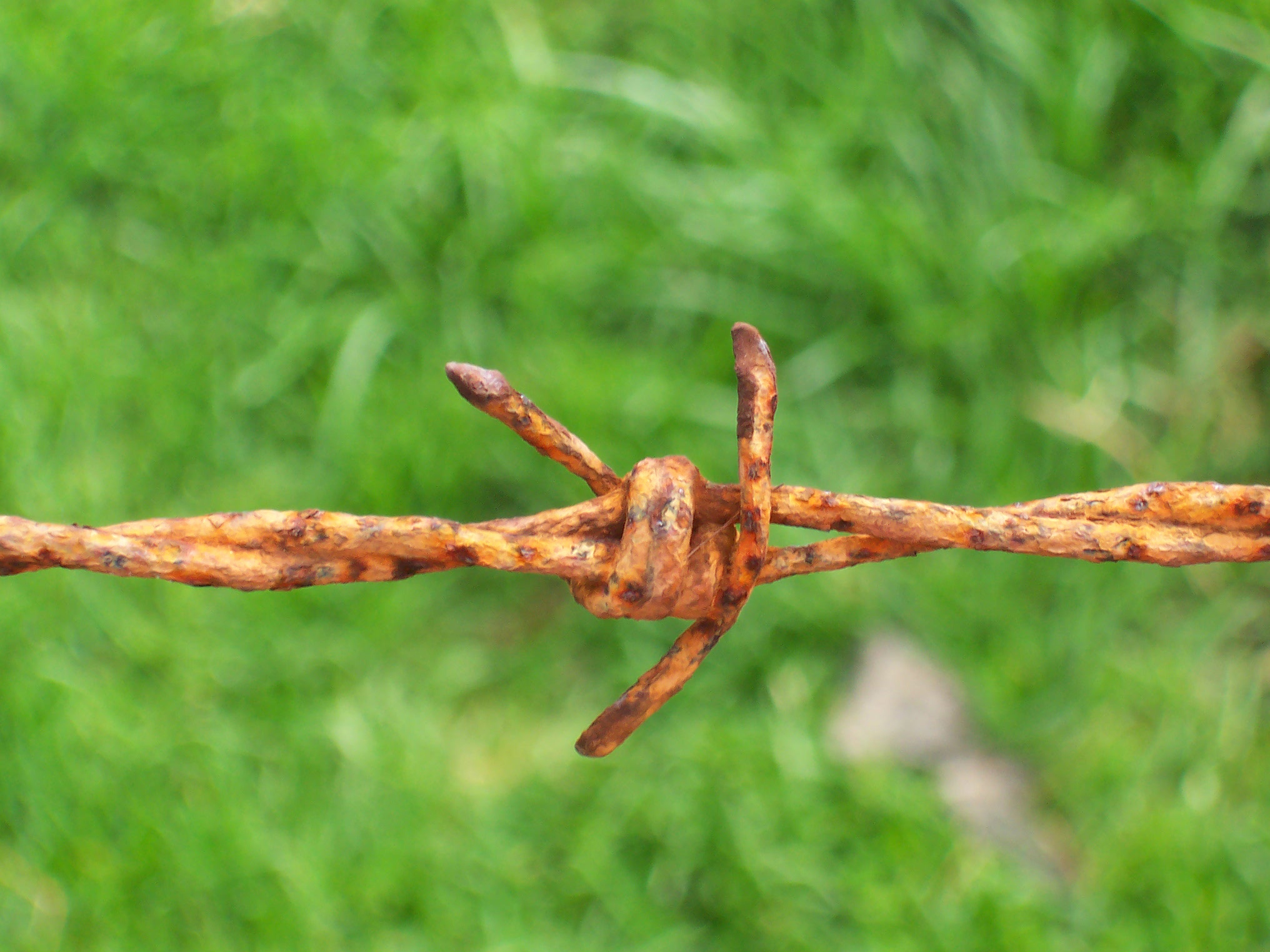
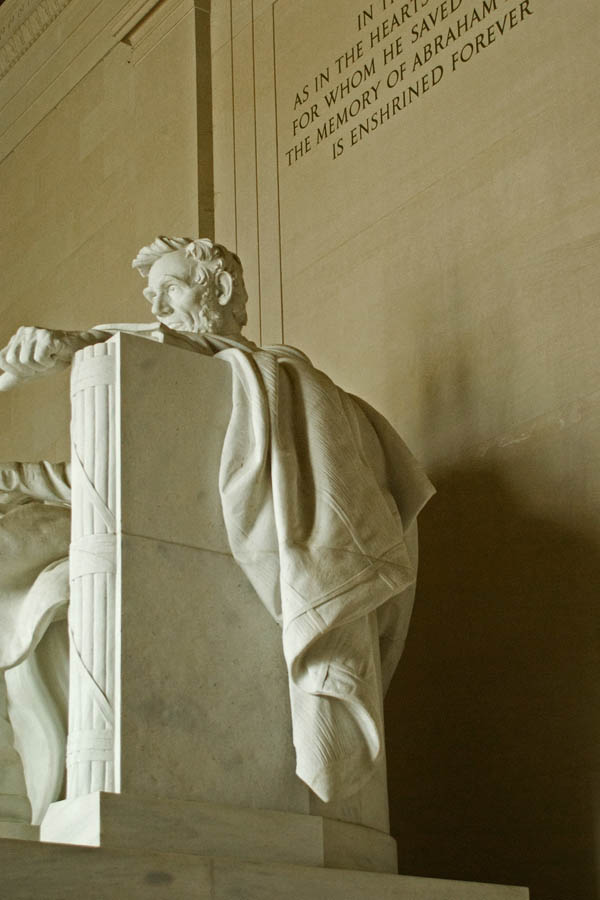
Barbed wire was designed to repel, but when cut sometimes curls

and grabs, relinquishing its hold only by force or careful negotiation.
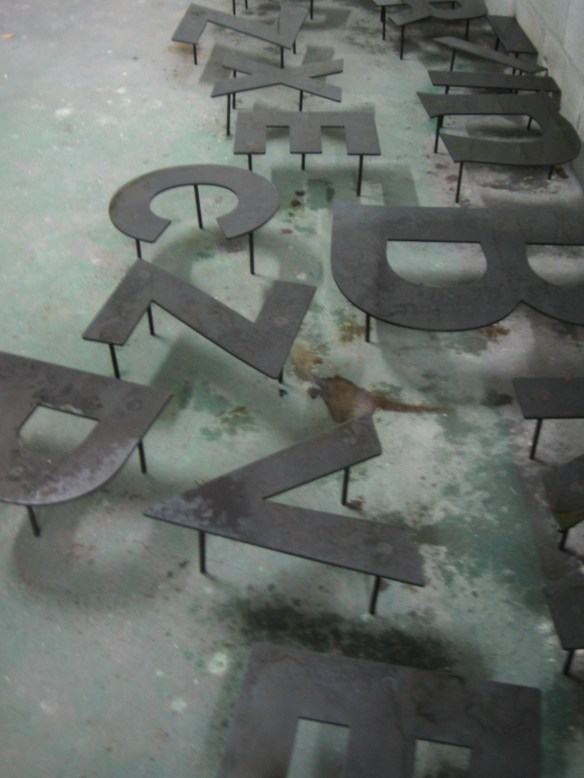
Symbols represent these distinct units of sound.

My name is two houses surrounding an eye.

Yours consists of teeth, the bull, an arm, the ox goad.

barb

Originally published in Prime Number Magazine, one of my favorite online literary journals, in 2013, and posted here in September 2015. Cantinflas the donkey makes a cameo appearance in this poem…

Which is an Eye or a Bowl, a Dream

eyes3


Which is an Eye or a Bowl, a Dream

Or well-placed mirror in a sunburnt room, shivering through shifted
images: that hand, blackened and stout, opened like a dark peony;
the tattooed chin; shovel and torch; hook and owl. You say no one
chooses one fist over another, that bread’s rise completes its cycle
and begins anew, pressed flat and rounded. Take this heart and seal
its chambers. Note the anterior descent. Compression, lesion. Plaque.
Consequence. And your friend, who slept, never to awaken. Lying
in that strange bed, you taste salt, acknowledge change, whisper
to no one: audible house…audible tree, knowing that time’s limit
remains unclear. The air swirls and you accept this new light.


Note: “Audible house…audible tree” is from Jane Hirshfield’s “Not Moving Even One Step,” from The Lives of the Heart.

bowlnhashi

Thinking of Language

words

Yesterday, while avoiding the big rig frenzy on the wet highway, I heard a fascinating talk on NPR’s TED Radio Hour, Phuc Tran’s “Does the Subjunctive Have a Dark Side.” The idea of how one’s language, one’s grammar, can shape or affect a culture, has never been made so apparent to me as in this well articulated piece.

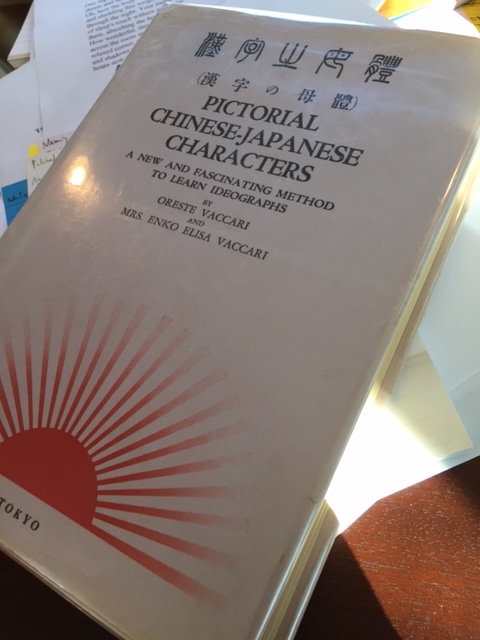
My poem, “From Left to Right I Ponder Politics and Kanji,” is up at Bonnie McClellan’s International Poetry Month Celebration

kanji

My poem, “From Left to Right I Ponder Politics and Kanji,” is up at Bonnie McClellan’s International Poetry Month Celebration. She’ll be presenting 28 poems following this year’s theme of “Neural Networks: The Creative Power of Language.” It’s been a fun, interesting month, with more to come.

Recording of my poem “Runaway Bus”

tickets


Here’s a recording of my poem “Runaway Bus,” which was featured on Postcard Poems and Prose Magazine in January.


Wherein the Book Implies Source

book

Wherein the Book Implies Source 

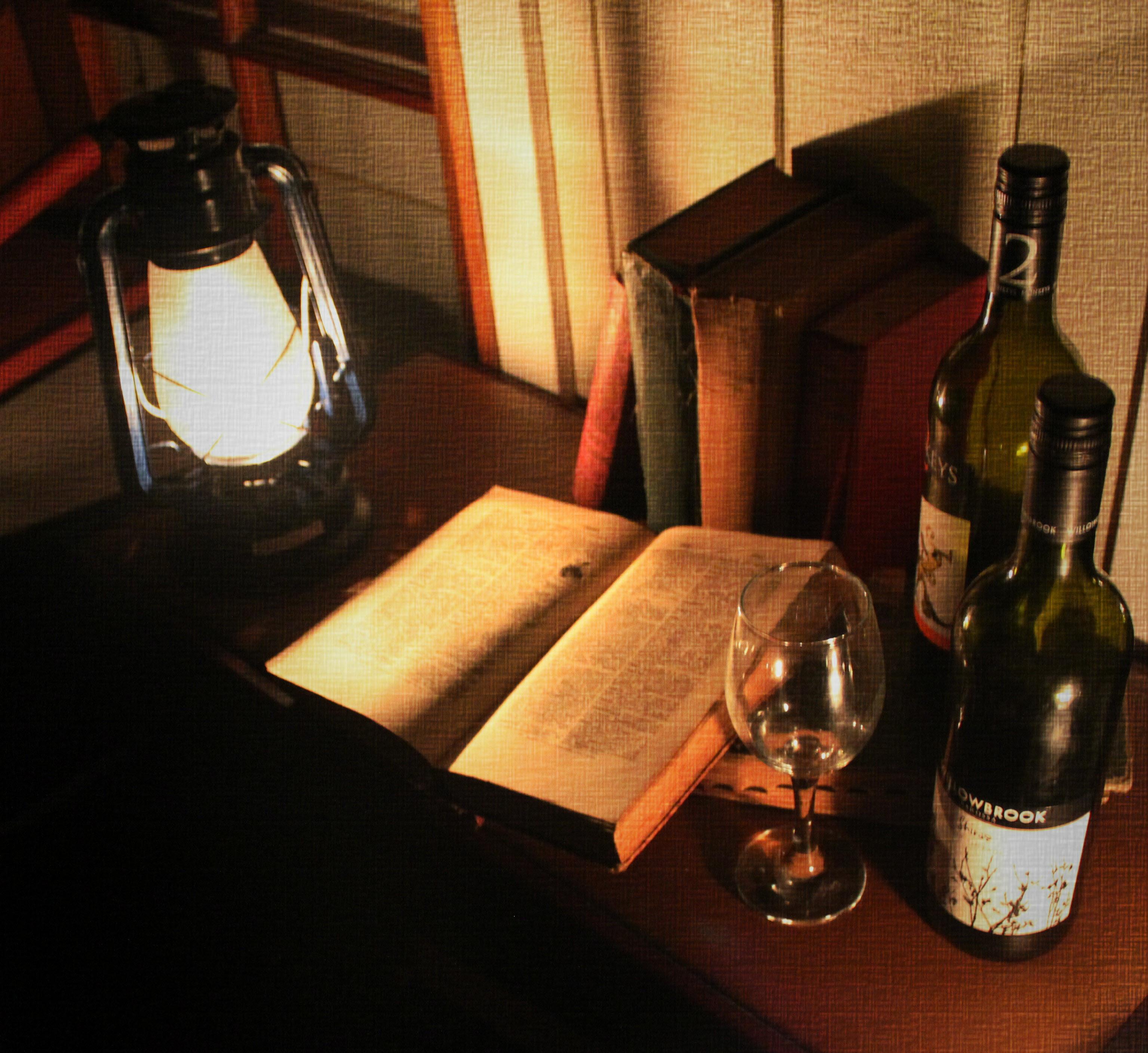
And words form the vessel by which we traverse centuries, the river
stitched across the valley’s floor, easing access.

Accession by choice. Inorganic memory.

Vellum conveys its origin: of a calf.

How like an entrance it appears, a doorway to a lighted space.
Closed, it resembles a block of beech wood.

To serve as conveyance, to impart without reciprocity.

Framing the conversation in space, immediacy fades.

The average calfskin may provide three and a half sheets of writing material.
Confined by spatial limitation, we consider scale in terms of the absolute.

The antithesis of scroll; random entry; codex.

A quaternion equalled four folded sheets, or eight leaves: sixteen sides.

Reader and read: each endures the other’s role.
Pippins prevented tearing during the drying and scraping process.

Text first, then illumination.

Once opened, the memory palace diminished.

* * *
This originally appeared in April 2014 as part of Boston Review’s National Poetry Month Celebration, and is included in The Circumference of Other, my offering in the Silver Birch Press chapbook collection, IDES, published in 2015.

ides front cover 92915

Celan, 1970

image

Celan, 1970

From frame to door,
the obvious defers, denying

entry as if
an eye could reclaim

or separate

the fallen tear
and the river’s skin,

or return
those words to

thought, water to
stone, intent

to cold
reason,
now to before.

He stepped into release.


* * *

“Celan, 1970” first appeared in October 2015. One of the most influential (and difficult) European poets of the 20th century, Paul Celan survived the horror of World War II but never escaped its shadow. A brief biography may be found here.

image

What the Body Gives, Gravity Takes (Cento)

balance


What the Body Gives, Gravity Takes (Cento) 

As if what we wanted
were not the thing
that falls,

as what was given
to answer ourselves with – air

moving, a stone
on a stone,
something balanced momentarily.

Or wheels turning,
spinning, spinning.

The waters would suffer
at being waves,
but nothing of their dream
takes place,

nothing that is complete
breathes. But the world
is peopled with objects.

You grow smaller,
smaller, and always
heavier.

You can think of nothing else.


Credits:

Jane Hirshfield, Gustaf Sobin, George Oppen, Joy Harjo, Alberto de Lacerda, Jacques Dupin, Francis Ponge, Denise Levertov, Jacques Roubaud.

* * *

“What the Body Gives, Gravity Takes” appeared in Issue Four of Long Exposure, in October 2016.
wheels

5 Poems up at Taos Journal of International Poetry & Art

OLYMPUS DIGITAL CAMERA

I’m delighted to have five poems up at Taos Journal of International Poetry & Art. Another dream come true… Many thanks to editors Veronica Golos and Catherine Strisik for taking my work.