And to Sleep


And to Sleep

and what we
sense if not
of our selves

or within this
space we contain
may be of

no thing touched
by one’s fluttering
eye as if

awake we see
even less the
dreams of course

real though we
hold them only
in our sleep


Another poem from the 80s. “And to Sleep” first appeared here in February 2015.

Glass with Memory

lamp


Glass with Memory

When I remember you
glass comes to mind,
but nothing so transparent
as an unclothed thought

or warmth trickling in
through the pipes or
under the haze of
the second night’s sheet,

no two alike except
in appearance, but under
the lamp’s unconscious glare
I find warmth spreading

across the hard surface,
telling me all is
not lost, that smoothness
persists beyond our reflection.


glass


“Glass with Memory” made its first appearance on the blog in February 2017.


Self-Portrait with Mandolin

almond

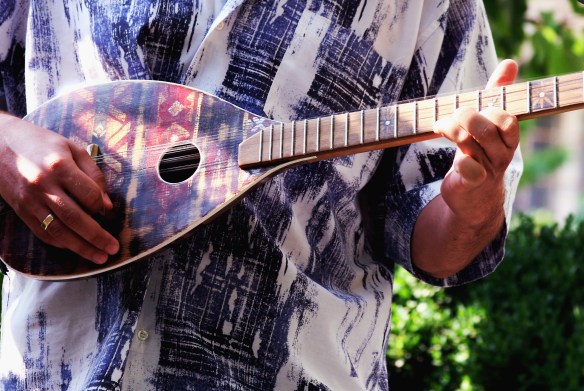
Self-Portrait with Mandolin

Being
the afterthought

of wood and
steel, I accept

the phrases
allowed me.

Limitations
frame our days;

working within,
we grow.

Almond to tree,
sound in time.

Chords
by implication.

I root among
the falling

leaves,
gathering

their tunes.
When I cannot

see, my hands
find the way.

mando

Self-Portrait with W

file7131243281016


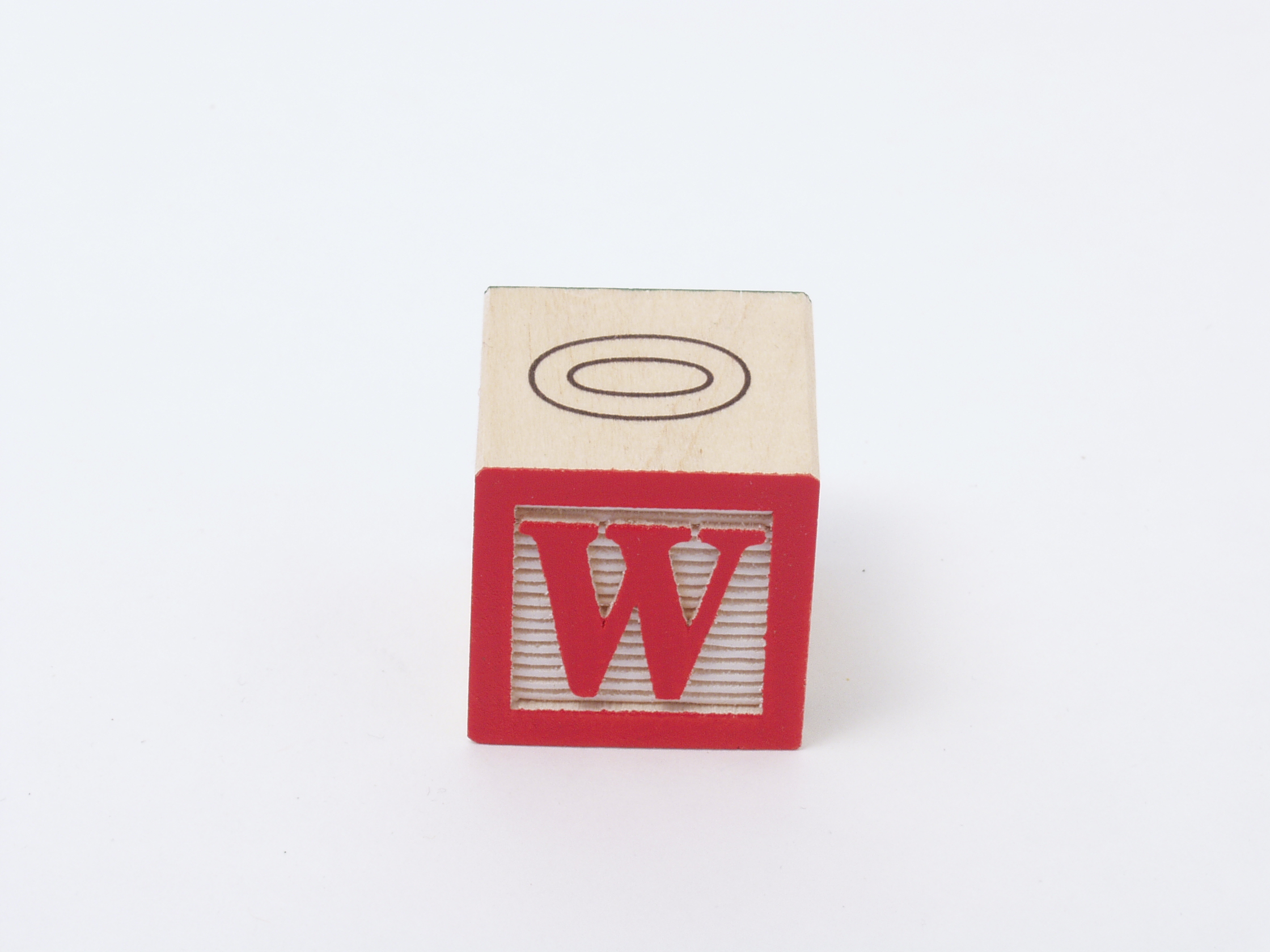
Self Portrait with W

One might claim a double victory, or after the Roman Empire’s fall, a reclamation
from the slurred “b” and its subsequent reduction.

Survival of the rarely heard, of the occipital’s impulse.

The oak’s crook performs a similar function.

Shielding myself from adjuration, I contemplate the second family
root, weighted in weapons, in Woden, in wood.

Not rejection, but acceptance in avoidance.

The Japanese homophone, daburu, bears a negative connotation.

Original language was thought to be based on a natural
relation between objects and things.

Baudelaire’s alphabet existed without “W,” as does the Italian.

The recovery of lost perfection is no longer our aim.

When following another, I often remain silent.
As in two, as in answer, as in reluctance, reticence.

We share halves – one light, one shadowed, but both of water.

Overlapped or barely touching, still we complete.


* * *

“Self-Portrait with W” originally appeared in the Silver Birch Press Self-Portrait series in 2014, and was reprinted in my chapbook, The Circumference of Other, included in Ides, a one-volume collection of fifteen chapbooks published by Silver Birch Press and available on Amazon.com.

OLYMPUS DIGITAL CAMERA


Forecast

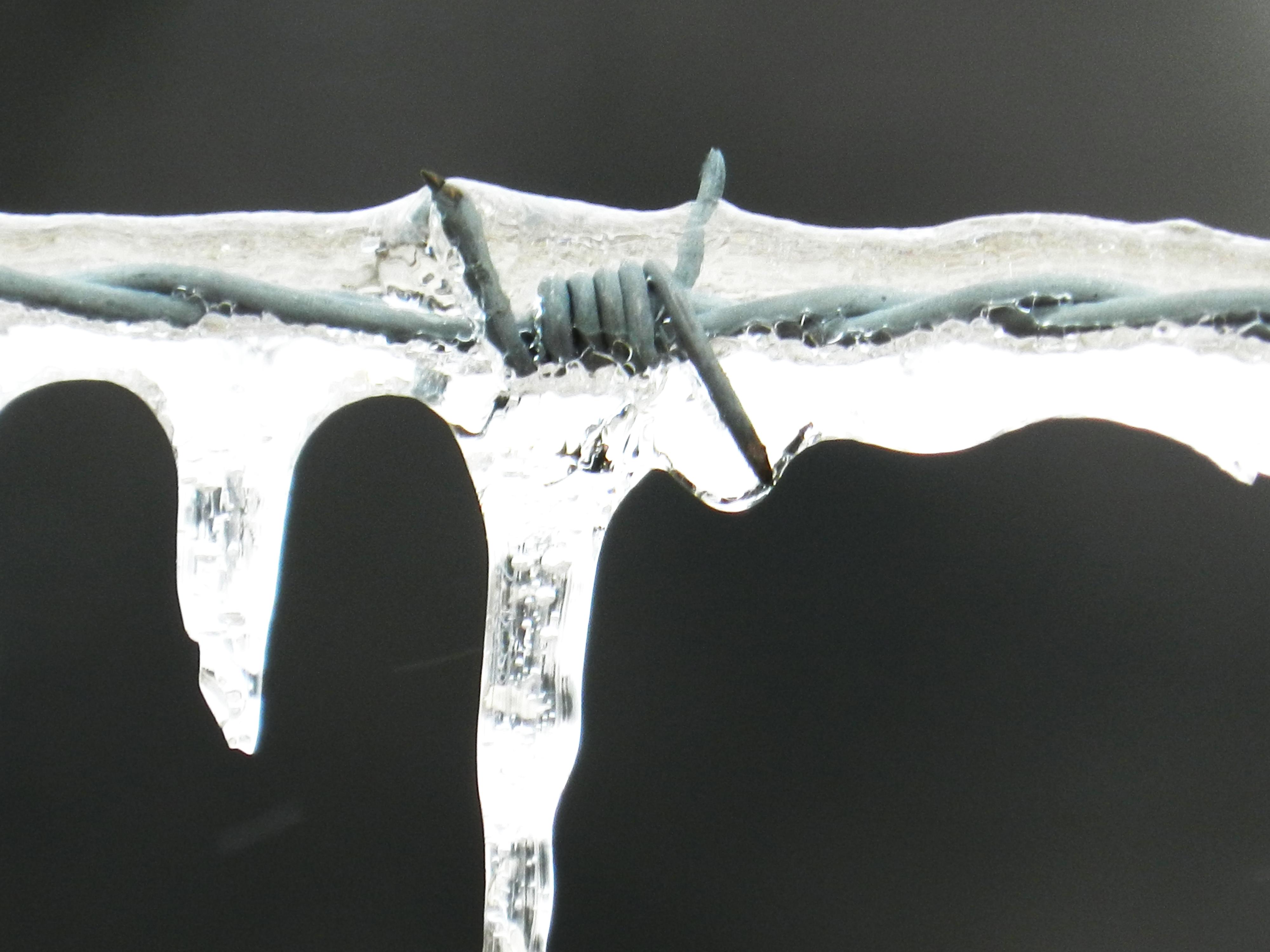
freezing


Forecast

Does the peach
blossom

count its
numbered days

in the lure of false
spring?

Smiling, you admit pleasure
in cruelty,

in assigning lots
to the relief of those

never called,
and those whose answers

remain open,
unfixed.

The freeze is coming,
you say.

Let us pray.


frozen

This first appeared here in January 2017.

The Simplest Coercion

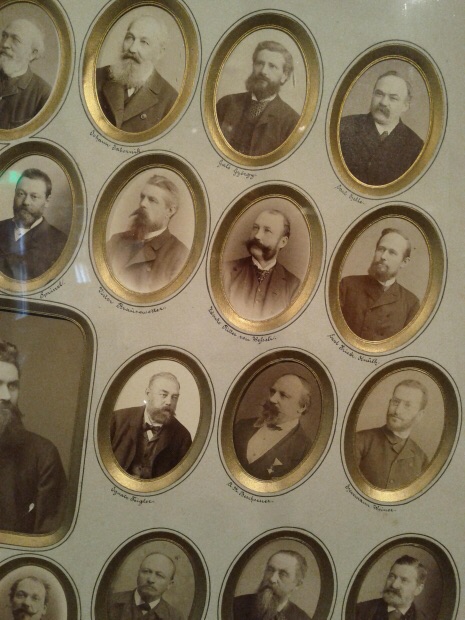
image


The Simplest Coercion

Each portrait betrays a similar
attraction: faces

swallowed by the artist’s
eye, his sight being

beyond optic, that assumption
inherent in every expression

but one. Yet this, the self-
portrait, reveals a hint

of secrets – an unwillingness
to confront,

the simplest coercion.


* * *


Another piece from the 80s…

image


This first appeared on the blog in May 2015.

Lake Pavilion (after Wang Wei)

file000774486365

Lake Pavilion

The boat carries the honored guest
so regally across the lake.
We look out over the railing and sip our wine.
Lotus blossoms, everywhere.

As is nearly always the case, I had more questions than answers when I first considered this adaptation, beginning with “what is happening here?” Yes, someone crosses a lake to meet a guest, they drink wine and see flowers in the water. But what does this signify? From my 21st century Texan viewpoint, the poem seems to be a piece about spiritual passage, and I colored my version with this in mind, using visual references to capitalize on and support the theme – crossing a body of water, looking outward, and of course, observing the lotus flowers, which hold great symbolism in Chinese and Buddhist culture.

The Chinese-poems.com transliteration:

Small barge go to meet honoured guest
Leisurely lake on come
At railing face cup alcohol
On all sides lotus bloom

SAM_3355

This first appeared on the blog in November 2014. My, how time has passed.

Palinode (egg, politics, pathology)


Palinode (egg, politics, pathology)

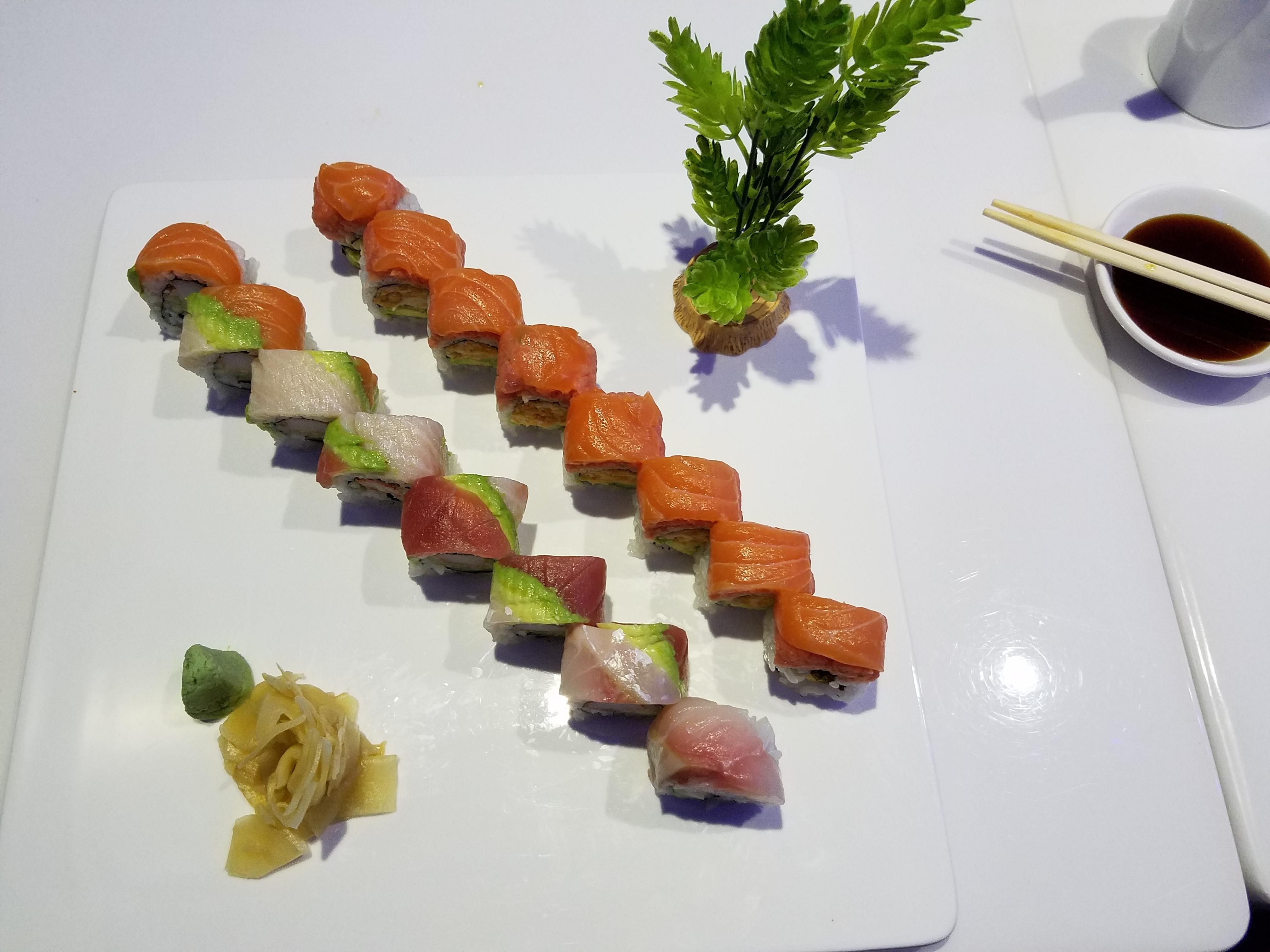
Who determines completion if not the morning’s best
layer? The answer is what comes first, not the
question, which replenishes the old deviltry: I am not
whole: I am partial: I am absent: you. Please define
node. Taking exception, rules mediate the norm. Fried,
poached, scrambled, radiated, coddled, baked, raw,
boiled, I serve myself, and in turn am served, when,
truth be told, I’d rather serve you. Twice.

I’d rather serve you twice than be pushed aside, a
thimbleful of nectar fermented and forgotten in
someone’s late pantry. Or worse, cast into the Pacific,
swallowed by a Fukushima-fed tuna, caught and
auctioned to an Alaskan sushi chef and left to molder
at week’s crossing. The point at which a wave has an
amplitude of zero, or a pathological swelling. That one
moment of clarity before night’s fall.

That one moment of clarity before night’s fall at
Juneau’s 716 Calhoun Avenue, which posits the
ability to see beyond sight: the blind hen produces
more, never pausing to consider repercussive issues.
Progeny, pathological swellings, statements of the
incurious. Do we use squirmish? I take, or am given,
offense. Without you, I am the silence preceding the
letter, an untoward growth, the silence remaining.

Without you, I am the silence preceding the letter
terminating at vision’s end: a fence, the Phoenician
form which birthed H, or two posts joined at
midsection and later, abandoned. Breach. Enough.
One’s last egg brought to fruition, a terminus in
thought or language carelessly placed. A bruising
point between vanishing waves or carted through
our long nights. Denial. The pathology revealed.


“Palinode (eggs, politics, pathology) first appeared at ISACOUSTIC* in October 2019. Many thanks to editor Barton Smock for his tireless efforts to promote poetry and poets.



A Brief History of Babel

image


A Brief History of Babel


Borders, windows.
Sound.

Trudging up the steps, I am winded after six flights,
my words smothered in the breathing.

The Gate of God proffers no favors.
When the spirit gives me utterance, what shall I say?

Curiously, no direct link exists between Babel and babble.

A collective aphasia could explain the disruption. One’s
inability to mouth the proper word, another’s
fluency impeded by context.

A stairway terminating in clouds.

Syllable by twisted syllable, dispersed.

Separated in symbols.
And then,
writing.

To see the sunrise from behind a tree, you must face
east: higashi, or, a discrete way of seeing
the structure of language unfold.
Two characters, layered. One
thought. Direction.
Connotation. The sun’s
ascent viewed through branches
as through the frame
of a glassless
window.

Complexity in simplicity.
Or the opposite.

I have no desire to touch heaven, but my tongues reach where they will.

Who can know what we say to God, but God?

And the breeze winding through, carrying fragments.


* * *


My poem, “A Brief History of Babel,” was drafted during the August 2015 Tupelo Press 30-30 challenge, and was subsequently published at Bonnie McClellan’s International Poetry Month celebration in February 2017.


Rain Forest Bridge

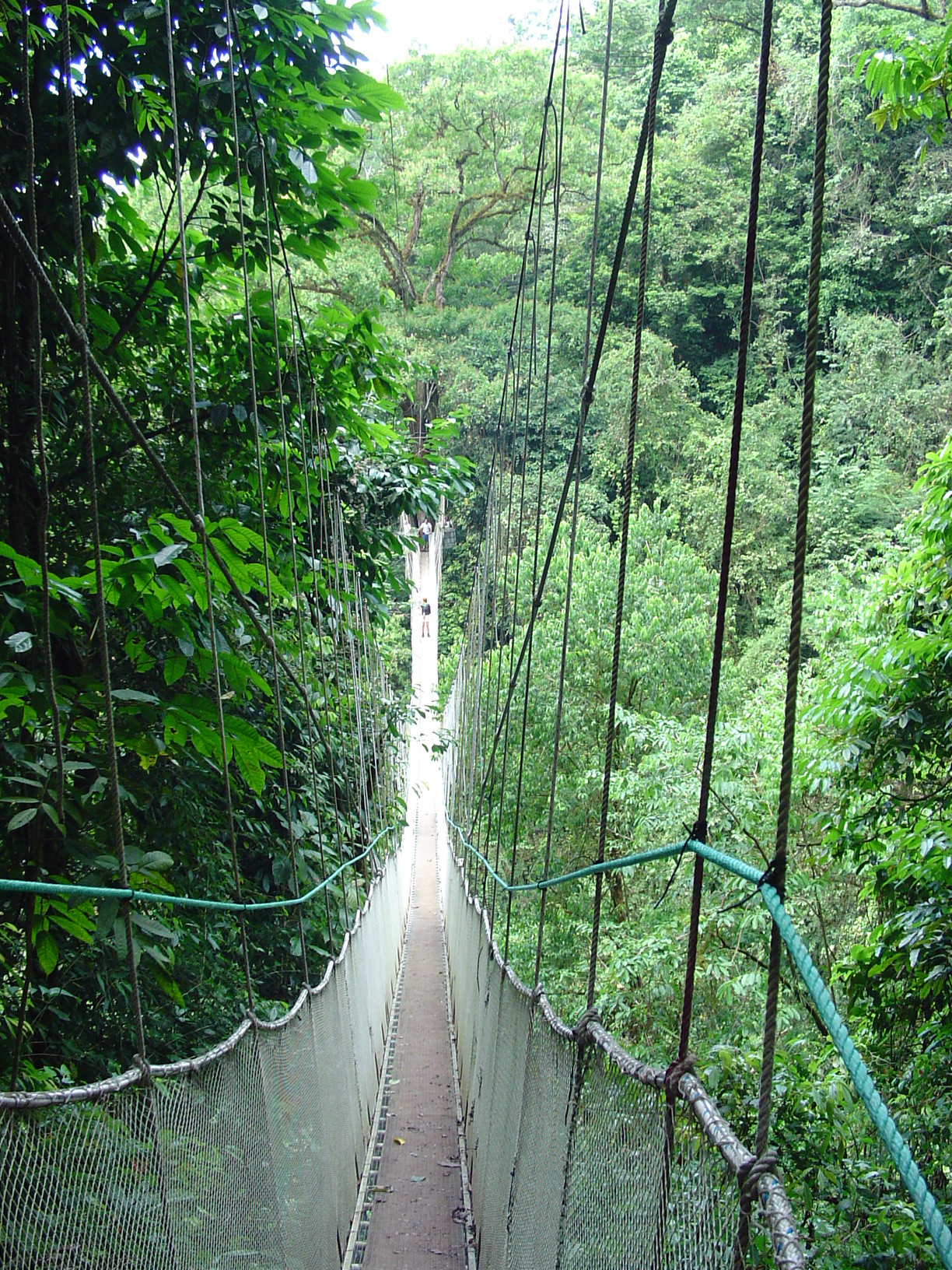
bridge

Rain Forest Bridge

To cross
you must first
trust the strands

to hold.
The second tentative
step precedes
the next,

each successive one
gaining strength:
here to

there, now
to then, a summoning of
entreaties
within
one’s faith.

Vapor meets cooler air,
forming droplets,
clouding the far side.

I have feared endings
and the strictures of the unseen,

but here
in this vast
swaying,
I know

one line
bisects the void.

* * *

“Rain Forest Bridge” first appeared in Four Ties Lit Review in August, 2014.

rope