What Are You Going To Do?


What Are You Going To Do (Cento)

Not everything can be set to music,
you have to understand that.

If I went to the end of the street,
would I be at the center of myself?

Now ends. Now begins.
Still, we sing the same songs;

we live in the sound – no love
of miracle or numbers helps.

I wonder if my body
is outline. A far point rendezvous.

A smoke plume taken, but not
into a hot, dark mouth.

Or perhaps it never had a name.
Bruising’s not the end of it.


* * *

Credits: Maggie Smith, Michael Chitwood, Carol Frost, CM Burroughs, Aimee Nezhukumatathil, Dan Beachy-Quick, Willis Barnstone, Lauren Camp, Ruth Ellen Kocher, Maggie Smith, Lawrence Raab, Natasha Saje.

“What Are You Going To Do” was drafted during the August 2016 Tupelo 30-30 challenge, and was published in the February 2017 issue of Taos Journal of International Poetry & Art. The lines used were taken from Tupelo Press publications.


Scarecrow Sings the High Lonesome

Scarecrow3


Scarecrow Sings the High Lonesome

Nothing about me shines or sparkles. If asked,
I would place myself among the discarded —
remnant cloth and straw, worn, inedible,
useless, if not for packaging intended to
convey a certain message, which I of course
have subverted to “Welcome, corvids!” Even
my voice lies stranded in the refuse, silent
yet harmonious, clear yet strangled, whole
and unheard, dispersed, like tiny drops of
vapor listing above the ocean’s swell, enduring
gray skies and gulls and those solemn rocks
bearing their weight against the white crush.
Why do I persist? What tethers a shadow
to its body? How do we hear by implication
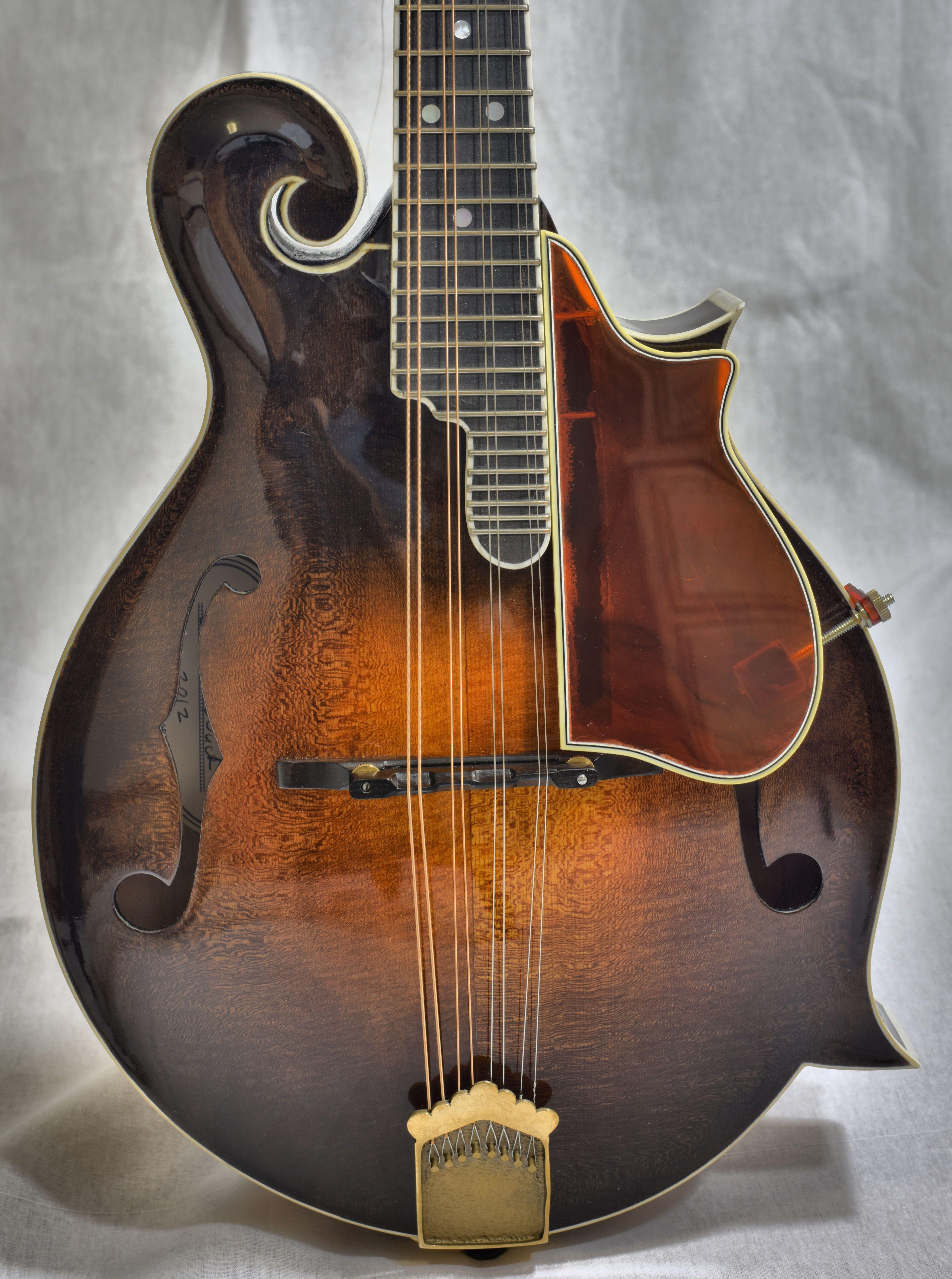
what isn’t there? Bill Monroe hammered
his mandolin, chopping chords, muting,
droning, banging out incomplete minors
to expectant ears, constructing more than
a ladder of notes climbing past the rafters
into the smoky sky. What I sing is not
heard but implied: the high lonesome, blue
and old-time, repealed. Crushed limestone
underfoot. Stolen names, borrowed sounds.
Dark words subsumed by light, yellowed,
whitened, faded to obscurity, to obscenity.


“Scarecrow Sings the High Lonesome” first appeared in Crannóg, in June 2017.


Steps


Steps

Up or down, it’s all the same.

How the knee or hip strains under the planet’s
surge. Opposite, and unequally felt.

One knows pain, the other does not.

Forever spinning, we remain still,
moving in place. Wanting.

As the heart pumps,
stronger for its labor,
accustomed to the effort.


Poem Up at Literati Magazine

map


My poem “A Brief History of Edges” is live at Literati Magazine. Many thanks to editor Renée Sigel for taking this piece, my first Swiss publication

.


Odi et amo (Zero)

zero sign


Odi et amo (zero)

How I fear what you contain.
Reaching through,

I find only more you,
but when I multiply your being,

the result limits me.
I add myself to your body and obtain

only myself. If nothing is something,
how, what, may I claim?

Your beginning and end, a line
become circle, become identity.

I enter, and entering, depart.


zero MGD©


“Odi et amo (Zero)” first appeared on the blog in December 2015, and was published in The Basil O’Flaherty in October 2016.


Shadow’s Tale

image


Shadow’s Tale

If I call,
will you
reply?

Questions
left unwritten
shape
themselves

like words
we see
but don’t
read. Signs

fade then
reappear,
and the oaks

droop
in the still
heat.
No rain

again. If
you call,
will I
reply?


image

“Shadow’s Tale” first appeared here in June 2015.

Buddha’s Not Talking


Buddha’s Not Talking


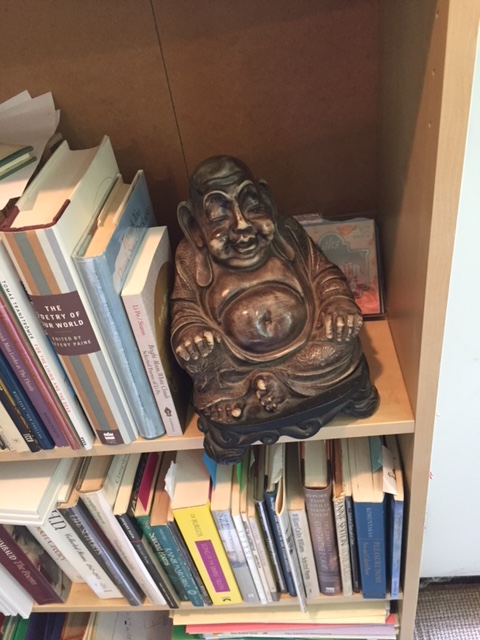
He looks out from the shelf while I consider
manure, sharp knives and the hagfish’s second
heart, or whether odors differ in texture when a dog

retraces his steps through the park, and do they really
lose themselves or just quickly shed their pasts,
forever moving towards now. Sometimes I say hello,

but truthfully we seldom interact, unless I bump his
shoulder when retrieving one of the books leaning
against him, and then it’s only a quick “sorry” on my

part, and a stare on his, perhaps a slight nod if
I’ve not yet had coffee. I fear I’ll never grasp
the difference in having and being, that my true

nature has splattered on a trail and the dogs will
sniff it and lift their legs in acknowledgment,
or perhaps acceptance of the infinite, with wisdom

far beyond my reach, before moving on to disquisitions
about soil and fragrance and the need to justify art
with decimal points. Yesterday I roasted chicken, moved

books, sipped ale. Today I’ll sweep, discard papers and
wonder if I’ll become what I think, whether reincarnation
will be cruel or kind. Either way, Buddha’s not talking.


* * *

“Buddha’s Not Talking” first appeared in July 2017 at Blue Bonnet Review.
With gratitude to editor Cristina Del Canto for taking this piece.

Tuning the Beast


Tuning the Beast

I prepare contingencies for all outcomes. No.
I’ve prepared for this: a body. A key. As if

that cloth draped a leg. Not a leg
but the representation of a limb.

Another fragment, brought forth and opened.
Not a limb, an arrow, perhaps, pointing to the sea.

An oar, brought inland and unrecognized
for its purpose, directed or aimless. No, not an oar.

A neck, polished, and a chamber, with strings.
Repetition, fixation. Position. Intent.

I pluck and strum, pick and stroke, maintaining
space, steel above wood, bending notes,

moving sound in time, purposefully, from
this place to that, the left hand, creating,

conversing. The right, reasoning, controlling,
burning its past to the present, allowing,

preventing, rendering beat, consistent
motion, shaping only this moment, this now.


“Tuning the Beast” was drafted during the August 2015 Tupelo Press 30-30 Challenge, thanks to Sunshine Jansen’s sponsorship. It subsequently appeared in The Blue Nib in September 2016.


Apricot Wood (with recording)

clouds


Apricot Wood

I built a frame of apricot
wood. This was for you. The clouds float
through it even as I sleep. You wrote
once of wild herbs gathered and brought
to a lovely girl, an offering not
of passion but of some remote
desire to hear a word from the throat
of the Lord Within Clouds. I thought
of this as I chiseled the wood.
Last night it rained. I listened to
it from my bed by the open
window, hoping that the clouds would
not leave. This morning two birds flew
by. It is raining again.


file8641239202119


Originally penned in the 1980s, “Apricot Wood,” is included in my 2015 chapbook, If Your Matter Could Reform. It was first published in 1986, in SPSM&H, a publication devoted to sonnets, and was featured on Autumn Sky Poetry Daily in March 2015. It’s interesting to look at my writing from this period. Some pieces seem to have been written by a stranger, long ago and far, far away. This one somehow seems closer. 


A Brief History of Babel

image


A Brief History of Babel


Borders, windows.
Sound.

Trudging up the steps, I am winded after six flights,
my words smothered in the breathing.

The Gate of God proffers no favors.
When the spirit gives me utterance, what shall I say?

Curiously, no direct link exists between Babel and babble.

A collective aphasia could explain the disruption. One’s
inability to mouth the proper word, another’s
fluency impeded by context.

A stairway terminating in clouds.

Syllable by twisted syllable, dispersed.

Separated in symbols.
And then,
writing.

To see the sunrise from behind a tree, you must face
east: higashi, or, a discrete way of seeing
the structure of language unfold.
Two characters, layered. One
thought. Direction.
Connotation. The sun’s
ascent viewed through branches
as through the frame
of a glassless
window.

Complexity in simplicity.
Or the opposite.

I have no desire to touch heaven, but my tongues reach where they will.

Who can know what we say to God, but God?

And the breeze winding through, carrying fragments.


* * *


My poem, “A Brief History of Babel,” was drafted during the August 2015 Tupelo Press 30-30 challenge, and was subsequently published at Bonnie McClellan’s International Poetry Month celebration in February 2017.