Take Away


Take Away

Take away the blackness,
what does night become?

Remove arugula’s bitterness,
the reddened prints on a slapped
cheek, or yeast from leavened bread.

The coroner’s mask denies emotion.

We possess no less now than we did then.
One hand holds the root, the other, a trowel.
Soil, compost. Ash. Water, dreams. Renewal.

The economy of dying continues.

One mother stands alone, cradling pain in
both arms. The second shares her shadow.

“Take Away” is included in my chapbook, From Every Moment a Second, available for order now via Amazon.com and Finishing Line Press.

Flood Gauge in the Morning


Flood Gauge in the Morning

It reclines on its side, submerged.
So far, so good, it seems
to say. Still here, still intact.
And the bridge looks so clean
from this angle
underwater.

I toss
a fist-size stone
onto the upstream
side of the road,
and watch it wash away.
Maybe we’ll cross tomorrow.

“Flood Gauge in the Morning” is included in my chapbook, From Every Moment a Second, available for order now via Amazon.com and Finishing Line Press.

If Ahead I See


 If Ahead I See

Gray skies filtered through light,
eyes adapting space,
the possibilities of the

horizon or a foot
lashing out in reflex,
what do I learn?

The house finch sings as if
all air will expire at song’s end.

Falling, I release this misplaced trust.
The path, muddied and crowded with fools.

“If Ahead I see” is included in my chapbook, From Every Moment a Second, available for order now via Amazon.com and Finishing Line Press.

The Boy Who Wouldn’t Hoe Corn


The Boy Who Wouldn’t Hoe Corn

We have always absorbed heaven,
even through these days of malformed
grain and truth pulled dark and low:
variety confirms purpose. This ear

captures no sound. These inflorescences
produce starch. Those
release pollen. You will die one day.

Inaction reflects uncertain intent.
One must weigh frost,
and with their shallow
roots, susceptibility to drought, poor

soils and high wind. Your lips
kiss steel more readily than flesh, yet
I pray that you amend your thoughts
and accept my proffered hand,

that the individual fruits of the cob
may one day fuse into a single mass,
bringing weight to sunlight,

and a greater grain to your table. But
the door stands unopened, a voice
censuring the innocent. I contemplate
converted light, consider

crows, subduction and rags flapping
in the darkness, silent
tongues wavering unseen above the

unhoed dirt, within each kernel’s
purpose, deep into a hollow core,
raging, unmet and shriveled,
hands opened, resolute yet proud.

The title is from a traditional song, as performed by Alison Krauss and Union Station. The poem is my take on it. “The Boy Who Wouldn’t Hoe Corn” was included in GFT Presents: One in Four, a semiannual, print literary journal published by GFT Press.

When to Say Goodbye

dried

When to Say Goodbye

 If all goes well it will never happen.
The dry grass in the shade whispers

while the vines crunch underfoot,
releasing a bitter odor. A year ago

I led my dog to his death, the third
in five years. How such counting

precedes affection, dwindles ever
so slowly, one star winking out after

another, till only the morning gray
hangs above us, solemn, indefinite.

Voiceless. If I could cock my head
to howl, who would understand? Not

one dog or three, neither mother nor
mentor, not my friend’s sister nor her

father and his nephews, the two boys
belted safely in the back seat. No.

I walk downhill and closer to the creek,
where the vines are still green.

In the shade of a large cedar, a turtle
slips into the water and eases away.

“When to Say Goodbye,” drafted during the August 2015 Tupelo Press 30-30 challenge, was published by Oxidant | Engine in May 2017, and subsequently nominated for a Best of the Net 2017 award.

Flame


Flame 

Drifting, she passes through the frame.

Reshapes borders, edges.

The way smoke scribes a letter in the sky with
gases and particulates. Intractable. Impermanent.

But not like a risen corpse
yet to accept its body’s stilling, or
the flooded creek’s waters taking
a house and the family within. Some things

are explainable. This morning you drained
the sink, and thunder set off a neighbor’s alarm.

From every moment, a second emerges.

Picture a man lighting a candle where a home once stood.

“Flame” is included in my chapbook, From Every Moment a Second, available for order now via Amazon.com and Finishing Line Press.

Runaway Bus

tickets

Here’s a recording of my poem “Runaway Bus,” which was featured on Postcard Poems and Prose Magazine in January and is included in my chapbook, From Every Moment a Second, available for order now via Amazon.com and Finishing Line Press.


Runaway Bus

Wishing for pristine airways
and unfeathered dreams, I lie
on my right side, and wait.

Again, the bellows flex and pump.

The relentless tickle, exploding,
another round of gasps and mucus retained,
one droplet among others,
spread across the night.

Comfort’s runaway bus never slows,
and I watch it pull away, shrinking in time.

Wait, wait, I say. I bought a ticket.

UPS Dropped Off This Box Last Evening

Author copies of my chapbook From Every Moment a Second have arrived! These came directly from the printer, and according to Finishing Line Press the rest of the print run should soon be in their hands, and will be packed and shipped to buyers asap. So if you’ve ordered one, it really is on the way. Finally. Thank you for your patience!

Four Years of Blogging

How could this be? I’ve been blogging for four years. I had absolutely no idea what I was doing when I began, but somehow have managed to keep at it. I’m grateful for your visits, likes and comments, but most of all, I’m appreciative for the friendships that have grown out of this odd form of communication. Thank you!

How to Write a Poem

How to Write a Poem

Learn to curse in three languages. When midday
yawns stack high and your eyelids flutter, fire up

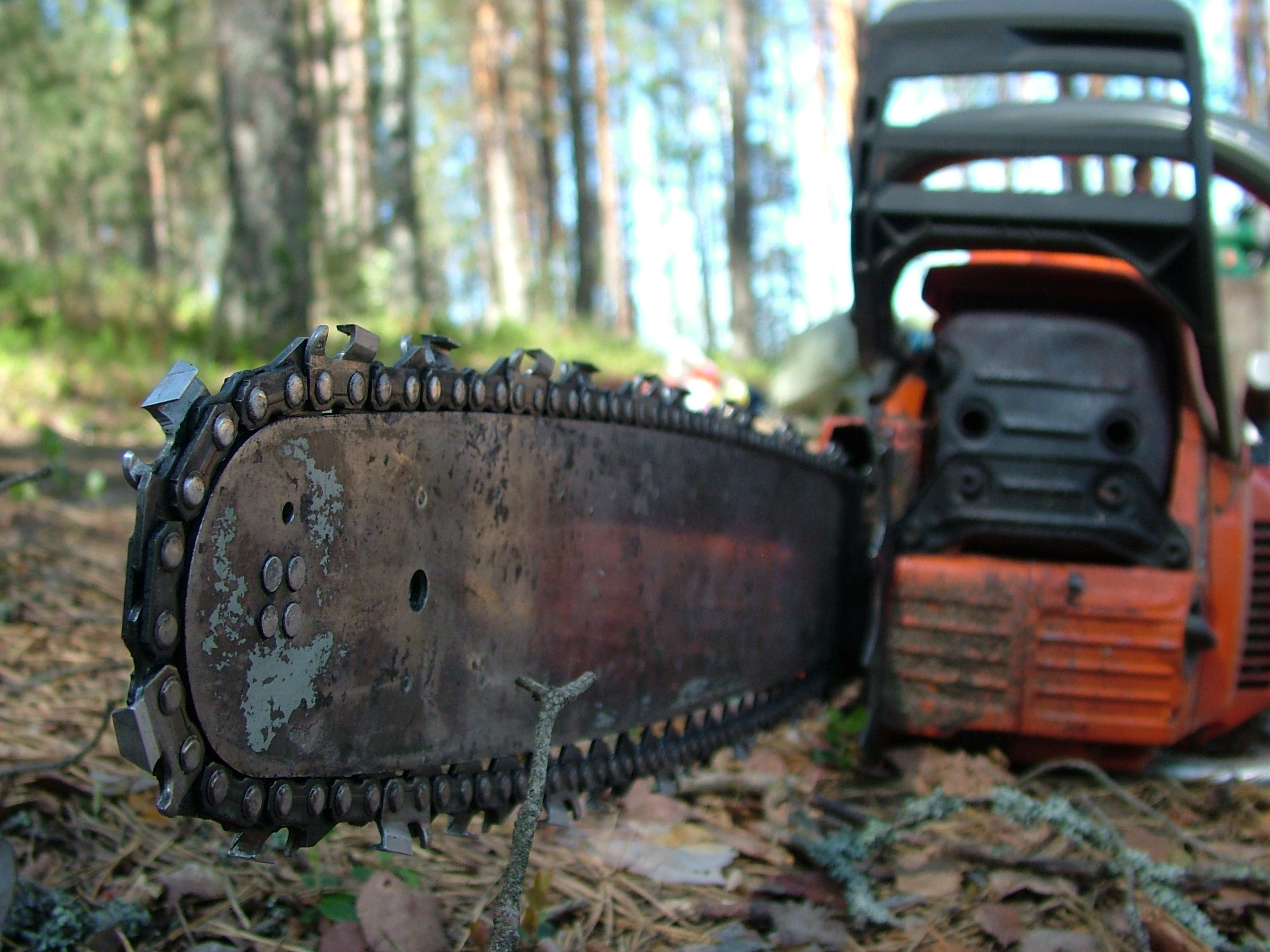
the chain saw; there’s always something to dismember.
Make it new. Fear no bridges. Accelerate through

curves, and look twice before leaping over fires,
much less into them. Read bones, read leaves, read

the dust on shelves and commit to memory a thousand
discarded lines. Next, torch them. Take more than you

need, buy books, scratch notes in the dirt and watch
them scatter down nameless alleys at the evening’s first

gusts. Gather words and courtesies. Guard them carefully.
Play with others, observe birds, insects and neighbors,

but covet your minutes alone and handle with bare hands
only those snakes you know. Mourn the kindling you create

and toast each new moon as if it might be the last one
to tug your personal tides. When driving, sing with the radio.

Always. Turn around instead of right. Deny ambition.
Remember the freckles on your first love’s left breast.

There are no one-way streets. Appreciate the fragrance
of fresh dog shit while scraping it from the boot’s sole.

Steal, don’t borrow. Murder your darlings and don’t get
caught. Know nothing, but know it well. Speak softly

and thank the grocery store clerk for wishing you
a nice day even if she didn’t mean it. Then mow the grass,

grill vegetables, eat, laugh, wash dishes, talk, bathe,
kiss loved ones, sleep, dream, wake. Do it all again.


“How to Write a Poem,” is included in Indra’s Net: An International Anthology of Poetry in Aid of The Book Bus, and has appeared on the blog as well.

All profits from this anthology published by Bennison Books will go to The Book Bus, a charity which aims to improve child literacy rates in Africa, Asia and South America by providing children with books and the inspiration to read them.

Available at Amazon (UK) and Amazon (US)