
All the Little Pieces
How to rewind
broken,
the subtle shift of shard
and floor
laid between night’s
fall
and the morning’s first
glow. Take this
lantern. Set it
on the wall. Remove
the glass. Do not
light the candle.
Wait.


All the Little Pieces
How to rewind
broken,
the subtle shift of shard
and floor
laid between night’s
fall
and the morning’s first
glow. Take this
lantern. Set it
on the wall. Remove
the glass. Do not
light the candle.
Wait.

Love Song for the Dandelion
When you scatter
I gasp
aware that the windborne
carry truths
too powerful to breathe
too perfect
to bear
What is your name
I ask
knowing the answer
all along
* * *
“Love Song for the Dandelion” first appeared in Rue Scribe in September 2018. Many thanks to Eric Luthi and the editors at Rue Scribe for accepting this piece and several others.
Thinking of Li Po at Sky’s End (after Tu Fu)
Cold wind rises at the sky’s end.
What does he consider?
And when will the geese arrive?
The rivers and lakes are full this autumn
but poets’ fates are seldom pleasant.
Demons love to see us fail.
Let’s think of dead Ch’u Yuan
and offer poems to the river.
The transliteration on Chinesepoems.com reads:
Thinking of Li Po at the End of the Sky
Cold wind rise sky end
Gentleman thought resemble what?
Goose what time come?
River lake autumn water much
Literature hate fate eminent
Demons happy people failure
Respond together wronged person language
Throw poems give Miluo
According to the notes at Chinesepoems.com, the wild goose is a symbol of autumn, letters and travellers in difficulties. The wronged person is Qu Yuan, a poet of the fourth century BC who drowned himself in the Miluo river – another exiled poet later threw some verses into the river as an offering to him.


Texas Haibun
I dream of poetry in all its forms, rising and flowing and subsiding without end, much like ice shrugging within itself. Last winter a hard freeze split a valve on the downstream side of the cistern. Had it cracked even a few inches up-line there would have been no need to replace the valve.
captive rain recalls
its journey towards the ground
the garden returns
The well terminates at 280 feet. The water is hard, but cool, and tastes of dark limestone and ancient rains.
Even the gnarled live oaks have dropped their leaves. Grass crunches underfoot and smells like dead insects and dried herbs. Mosquitoes have vanished. Only the prickly pears thrive. Their flowers are bright yellow and bloom a few days each year.
sauteed with garlic
nopalitos on my plate
their thorns, forgiven
I wipe sweat from my forehead with the back of the glove, and wonder how many ounces of fluid have passed through my body this year, how the rain navigates from clouds through layers of soil and stone, only to return, how a cold beer might feel sliding down my throat.
stoking the fire
winter rain whispers to me
forget tomorrow
* * *
Originally posted in February, 2014, this was my first attempt at a haibun.


My poem “In That Pause” is live at The Elevation Review. Thank you, Thomas Kneeland, for taking this piece.

Interiors Continue reading
Three of my self-portrait poems are featured at https://thedewdrop.org/2020/11/08/robert-okaji-three-poems/
Calm (after H.D.)
I flow over the ground,
healing its hidden scar–
the scar is black,
the bedrock risen,
not one stone is misplaced.
I relieve the ground’s
burden with white froth,
I fill and comply—
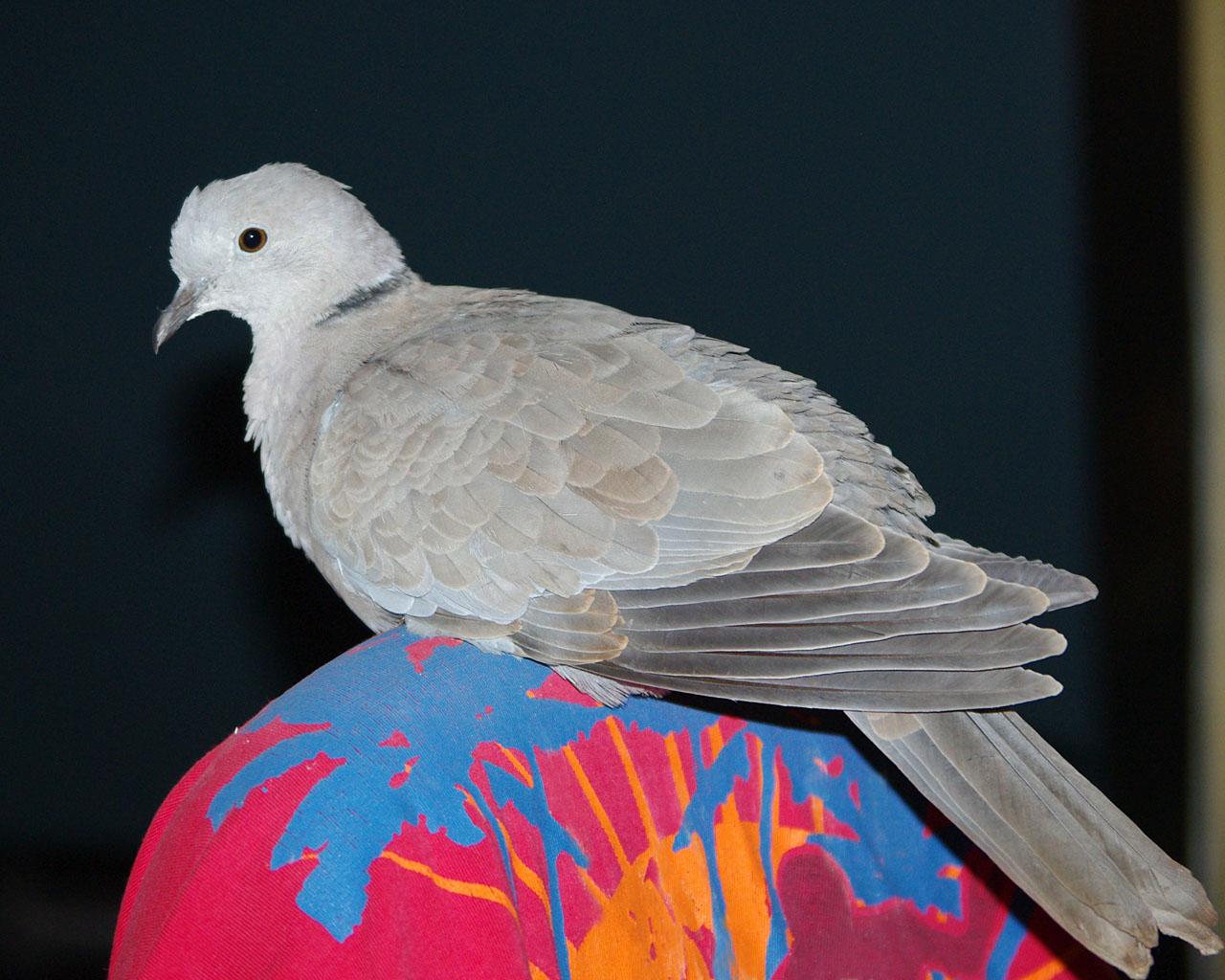
I have thrown a pebble
into the night,
it returns to me,
settles and rises,
a white dove.
* * *
“Calm” is included in my micro-chapbook Only This, which is available via free download from Origami Poems Project. It made its first appearance here on the blog in March 2015, and was written as an exercise, using a poem, “Storm,” by H.D. as the launching point. I’ve tried to emulate her diction and rhythm, with mixed success. Still, it’s fun to try these on occasion.

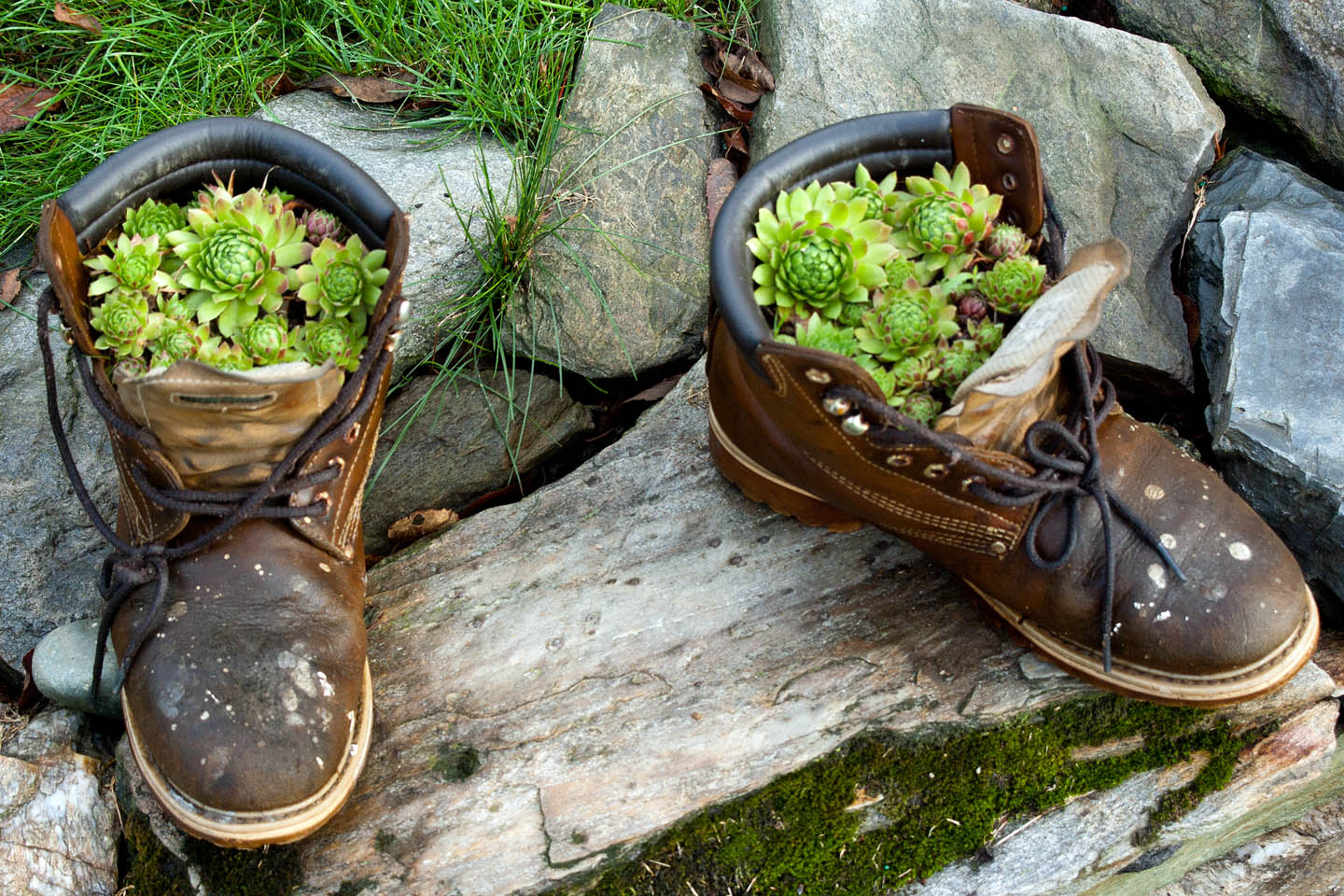
Shoe
The right has only one option,
as is true of the left,
neither to mingle
nor disappear like washed socks
or loved ones in a casino.
There are those who believe
in fallen towers and pasts
burnished beyond recognition,
and truth, as it was written, for them,
in blood, with money inherited
from thieves. The puddle happens.
The door rotates. A snifter shatters.
The shoe’s approach defines its wearer.
* * *
This first appeared in March 2016, but somehow seems even more appropriate today.
Letter from Austin
Michael, when you say moons do you see
cold stone floating in the firmament
or phrases frayed in the mouth and spat on paper?
And does the Spanish moon simmer at a similar
pace to mine or yours? Which embers blush brighter?
But let’s turn to estuaries, to salt and clamor and gun-
running poets and interrupted words sold in stalls
between parenthetical gates, to incomparable cavas
and the deterioration of envy and intervening years.
Or perhaps mislaid passion – a friend claims love
is merely a bad rash, that we scratch and scratch
and inflame but never truly cure what ails us. Sounds like
politics to me. Or sports. And business. Or neighborhoods.
On my street people should cook and play music together,
laugh, raise chickens and read good books. They should
brew beer, swap tomatoes, recite each other’s poetry and sing
in tune. But we’re different here, preferring instead electronics
glowing in dimly lighted rooms. I reject this failure, as I also
reject the theory of centrifugal force spinning off the moon’s
body from the earth’s crust, preferring to imagine a giant
impact blasting matter into orbit around what morphed into the
earth, and somehow accreting the stuff into this orb we
sometimes worship. This, to me, is how good relationships
form: explosions of thought and emotion followed by periods
of accretion. But what I mean is I hope this finds you well
by the river of holy sacrament. Remember: brackish water
bisects our worlds. Turn. Filter. Embrace. Gotta run. Bob.
Originally published in Heron Clan 3, this first appeared on the blog in July 2015.
My friend Michael occasionally sends hand-written notes or letters to me, and I respond with poems. This is one. You might read some of his writing at Underfoot Poetry.

 O at the Edges