My poem “Self-Portrait as Blemish” is up at Tiny Wren Lit. I am grateful to editor Dana Knott for taking this piece.

My poem “Self-Portrait as Blemish” is up at Tiny Wren Lit. I am grateful to editor Dana Knott for taking this piece.

My poem “Where Grief Falls” is featured at Great Lakes Review. I am grateful to the team at GLR for taking this piece.

The Geography of Silence
1. Laundry drooping at midday.
2. She dreams off-key, in pastels.
3. With misunderstanding comes anger.
4. Mata! Mata! Again!
5. Ashes crossing the ocean.
6. Sweat, and the taste of separation.
7. Reaching for past moons, she cries.
8. Death’s shade.
9. Rice.
10. Self-sacrifice, the centered gift.
11. Inward, always. Inward.

.

Window Open, Closed
We enter daylight in the shape
of praise, little words
billowing through wire mesh. Across
the highway a busboy questions time
and the concept of never, while
someone plucks leaves from the bay
tree and plans her day. Roger Bacon
longed to manipulate the inner essence
of inanimate objects, to harness their force,
and a lonely man swallows prescription drugs
deliberately, releasing their attributes over time.
My eyes redden from juniper pollen as the moon
spins invisibly above our roofs, tugging at the
clouds. I once traced in a building of music
the organ’s sound to the woman I longed
to attract. Now, the window prevents the passage
of solids, but waves penetrate. I spread my fingers
across the glass, but feel no vibrations. Distant
sirens announce a procession of cause and intent,
of carelessness and indecision. Somewhere a voice rises.
* * *
This originally appeared during Bonnie McClellan’s 2015 International Poetry Month celebration, and is included in The Circumference of Other, my offering in the Silver Birch Press chapbook collection, IDES, available on Amazon. A recording of the poem may be found on Bonnie’s site.

Door Harp
tear-shaped or is
it the inviolable
form of the
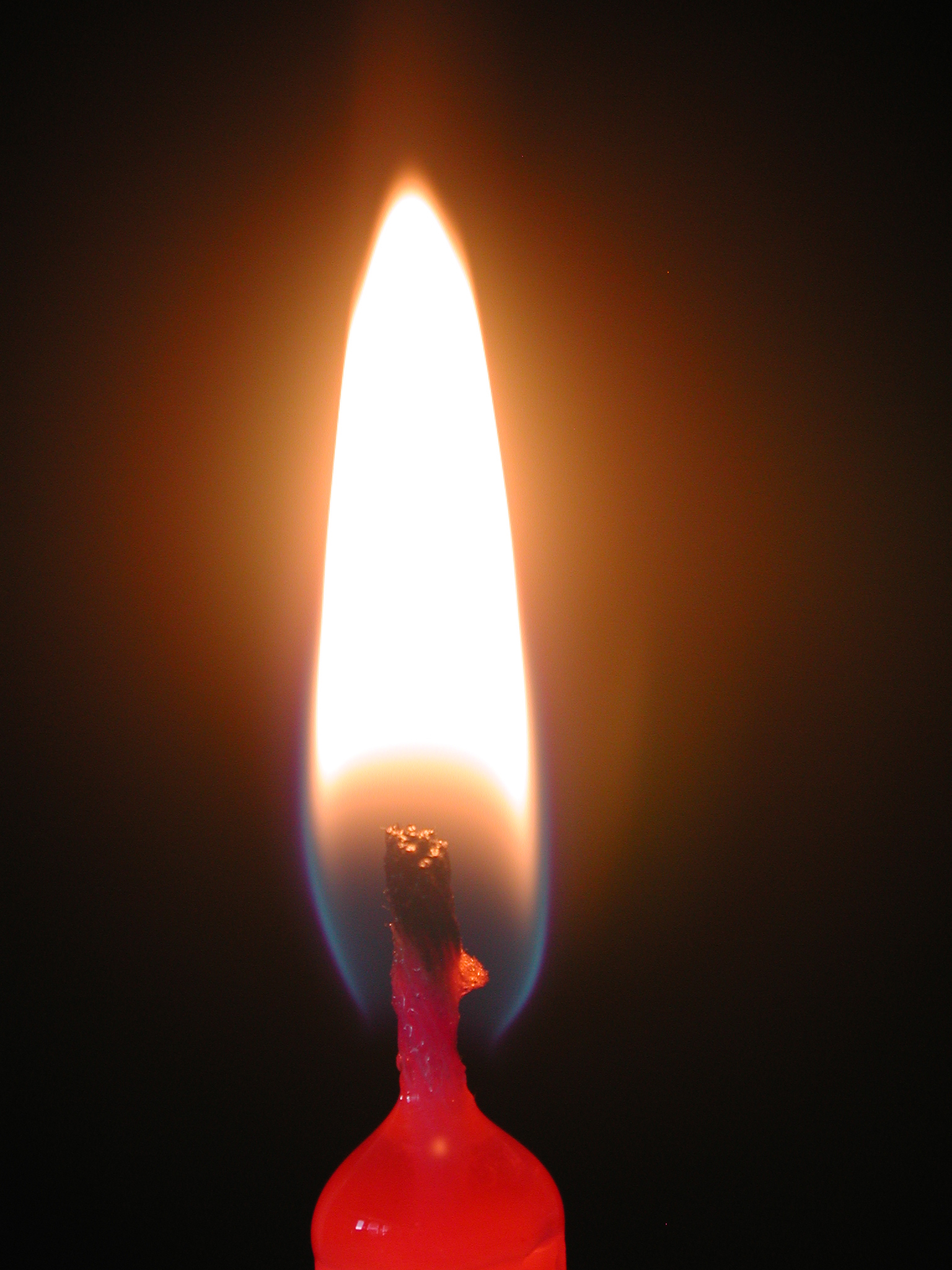
candle’s flame ever
changing but constant
in its own
presence that being
momentary or fixed
as a loved
one’s death I
listen and hear
only three notes
each one solitary
and aloof yet
of one purpose

Yet another piece from the eighties. It first appeared here in November 2015.
Nocturne (Fall 1983)
Tall weeds block
the view. Remove
sound from sight,
the guitar becomes
kindling. I stretch
my hands toward
the burning wood,
hearing the echo
and the woman.

This first appeared here in November 2015.

Moths
Small moths stir
in the darkness.
I feel their
wings brush my
face, my hands,
remembering the cry
of something unseen.
It is windy
again this morning.
* * *
“Moths” first appeared here in July 2015.


Still Hands (Cento)
I let it burn, rooted as it is. Now
nothing else keeps my eyes
in the cloud – get close to a star,
and there you are, in the sun.
What about all the little stones,
sitting alone in the moonlight?
Silence complicates despair.
I have believed so long in the magic
of names and poems,
and I know that you would take
the still hands to dryness and
loose rocks, where the light
re-immerses itself. It’s not the story
I want. We cannot live on that.
* * *
Credits:
Sharon Wevill, Julia de Burgos, Francis Ponge, Mary Oliver,
Alberto de Lacerda, Robert Hass, HD, Jacques Dupin, Francesca Abbate, George Oppen.

The subject of Nineteen Ways of Looking at Wang Wei: How a Chinese Poem is Translated, these four lines have not suffered from lack of translation. Gary Snyder’s rendition is beautiful – some might say perfect – as is Burton Watson’s. And then there’s Octavio Paz’s version. Yet I persist…
The transliteration on Chinese-poems.com (which differs from that offered by Eliot Weinberger):
Empty hill not see person
Yet hear person voice sound
Return scene enter deep forest
Duplicate light green moss on
And my take:
Deer Sanctuary
There’s no one on this empty hill,
but I hear someone talking.
Sunlight trickles into the forest,
reflecting onto the green moss.
Time and again Weinberger objects to an explicit first person observer, but to my ear it flows better. I’ve tried to retain a sense of precision in observation and at least a hint of duality, and believe that I’ve succeeded, at least in part. Having carried this poem with me for more than two decades, only now have I felt up to the task of adapting it. I chose the title “Deer Sanctuary” because in my neck of the woods spaces enclosed by “game fences” are generally meant for hunting. We Texans do love our venison. But the poem, to me, is ultimately peaceful. Hence my title.
I was flattered when Sam Hamill contacted me after this first appeared in 2014. We had a brief exchange about the sun and moss and academics that I’ll cherish forever.
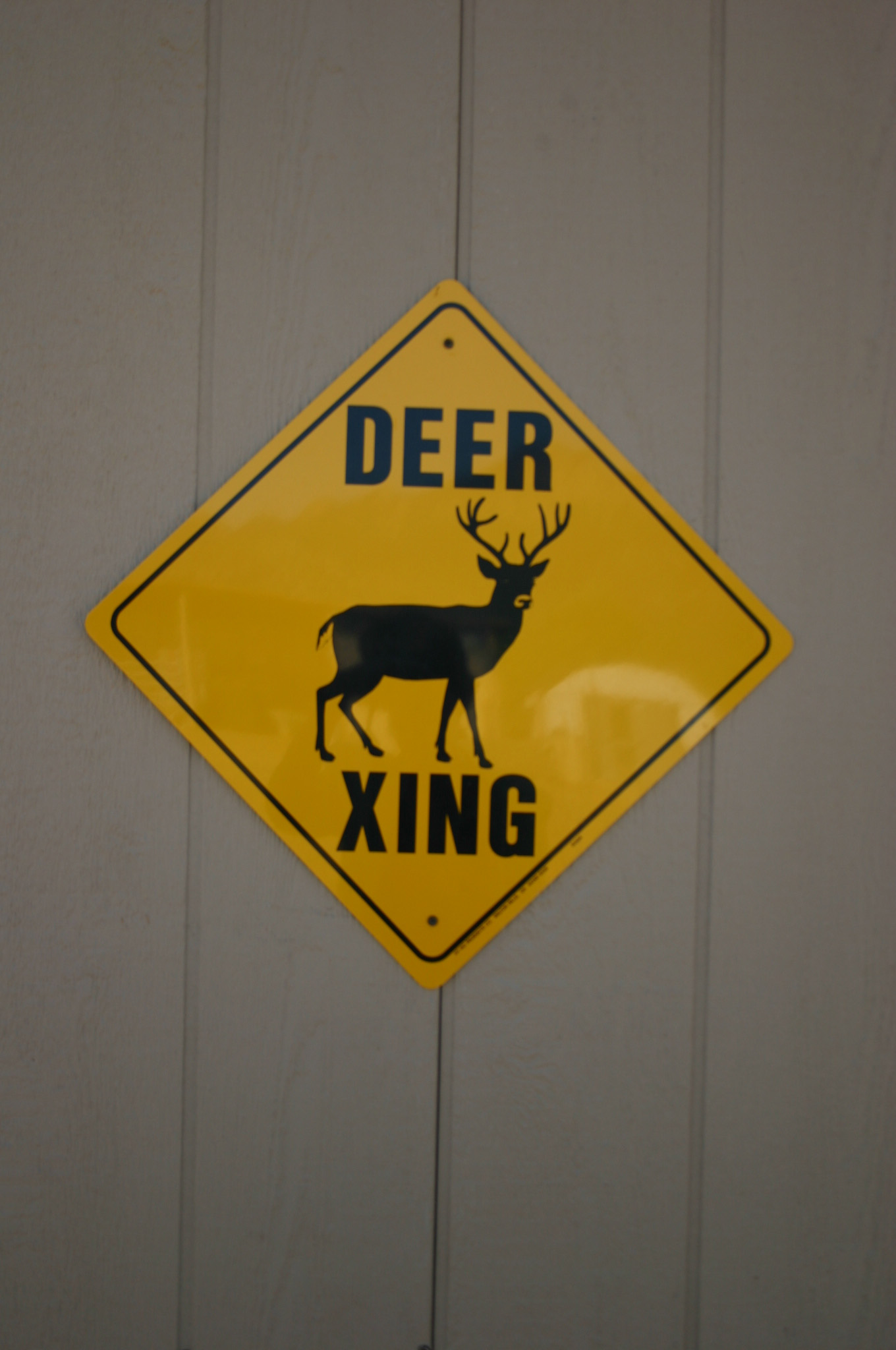
This originally appeared on the blog in April 2014.

Resurrection (Cento)
Everything we love
returns to the ground.
Each syllable is the work of sabotage,
a breeze seeping from the heart of the rocks.
They are my last words
or what I intend my last words to be.
I think just how my shape will rise,
a miracle, anywhere light moves.
*****
A cento is composed of lines borrowed from other poets. “Resurrection” first appeared here in January 2016, and owes its existence to the poetry of Tishani Doshi, Paul Auster, Antonella Anedda, Sean Hill, Emily Dickinson, and Ruth Ellen Kocher. I urge you to seek out their work. It astounds!

 O at the Edges