Black Lilies

Black Lilies

Flensing words, slicing deeper: all, nothing,
red to redder. Their skin, paling to nothing.

I speak today but you hear yesterday.
Black lilies in the chill of nothing.

Drifted apart, the two halves reconcile.
Yellowed, whitened. Older. Both stitched in nothing.

How many words have we lost to morning? Shredded
syllables sparring for sound. The nothing of nothing.

A coated voice, turquoise and calm, spreading across the room.
Buttered light. Pleasantries, unfolding. You, being nothing.

The language of night sleeps unformed in my bed.
I remember your hand on my cheek; flesh forgets nothing.

* * *

Another near-ghazal, “Black Lilies” first appeared in ISACOUSTIC* in January 2018.

Forgotten

Forgotten

Is it simply forgotten
or not remembered?

My father coughs
through his days,

asking for answers
only his brother knows.

Some books are better
read from the end,

he says. I don’t know
what to do.

He tries to spell his name
but the letters elude him,

teetering between symbol
and thought and choice.

The chair tips over
when I lean too far back,

replacing memories
with hardwood

and a new bruise
coloring my thoughts.

This word, that one.
A face, the date.

Last Tuesday’s crumb.
The floor accepts us all.

* * *

“Forgotten” first appeared in ISACOUSTIC* in January 2018.

Prentiss Moore, 1947-1998

photo(22)

Prentiss Moore, 1947-1998

I’d been so busy with the bookstore that we’d not been in touch. I always thought we’d have time for that breakfast, for those drinks, for that laughter. I heard about his death only minutes before the memorial gathering was to begin. Stunned, and dressed in my standard bookseller’s uniform of jeans and wrinkled shirt, unshaven, I felt inadequate to the occasion, betrayed, embarrassed. The clear sky pressed uncomfortably close. How dare he die! Why did I not know? The ground shifted underfoot and I walked like a man underwater. I swatted at a buzzing wasp, not caring if it retaliated. And for the first time I realized that I, too, was dying. We all were. We all are. The gathering was lovely, memorable. Friends, family, acquaintances and even strangers spoke. I could not.

I once said that I hoped to become half the poet that Prentiss was. I may finally be approaching that elusive mark, but I’m still angry. How dare he die!

To read one of his most memorable poems, please look here:

And my poem for Prentiss can be found on this blog:

Earth’s Damp Mound

Khaty Xiong in The Ellis Review

This poem in The Ellis Review breaks my heart and lifts my day all at the same time.

There are many reasons, known and unknown, as to why I write; I don’t like to think these reasons change necessarily, but rather, amass over time—no, maybe, these reasons refine over time. These days, I am writing a lot of elegies, so if I had to answer in the present, I write because it brings me closer to the dead, and being close to what is no longer animate, in whatever state or form, makes the pain that comes with loss just a little more bearable. Even death welcomes conversation.” — Khaty Xiong

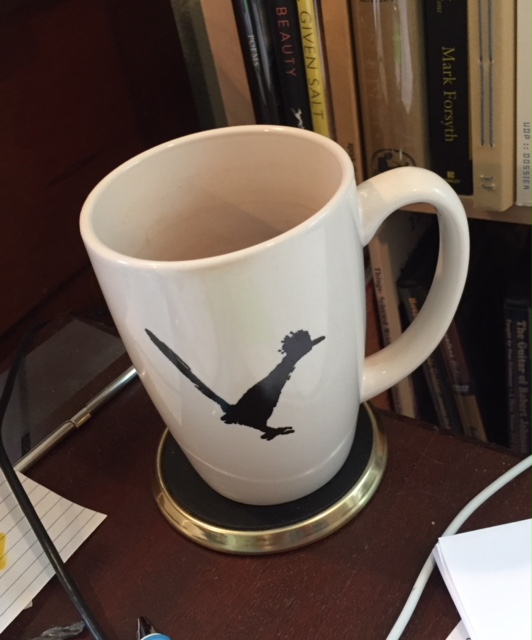
Empty Cup

Empty Cup

I set down my cup, pour
tea and think this day, too,
may never end.

With what do we quantify love? How does grief measure us? Nine days ago I wrote “My father is dying and I’m sipping a beer.” More words followed, but I did not write them, choosing instead to let them gather where they would – among the darkening fringe at light’s edge, in that space between the shakuhachi’s notes, in the fragrance of spices toasting in the skillet. In unwept tears. Everywhere. Nowhere.

Seven days ago I wrote “My father is dead.” Again, I chose to let the unwritten words gather and linger, allowing them to spread in their own time, attaching themselves to one another, long chains of emptiness dragging through the days.

If experience reflects truth, sorrow’s scroll will unravel slowly for me, and will never stop. I feel it beginning to quiver, but only the tiniest edge emerges. I am nothing, I say. I am voice, I am loss, I am name. I am memory. I am son.

I have fifty-nine years
and no wisdom to show for it.
Never enough. Too much.

* * *

I don’t usually repeat recent posts so soon, but this one seems appropriate for Father’s Day. I miss you, Dad.

Somewhere: 28 Rue St. Jacques

Somewhere: 28 Rue St. Jacques

Or eating spam fried rice in the courtyard
after kindergarten, and playing cowboys
with Thierry, the kid next-door. We shared toys,
but not comics. Written language was hard

to decipher, unlike the spoken. I
never captured the nuances, and lost
the rest over the years. Today the cost
eludes me, like moths fluttering by. Try

to recall that particular morning light,
how it glanced off the French snow, and the
way our mother smiled at breakfast, no trace

of sadness, yet, the lines marking our heights
rising along the wall, limbs of a tree
we’d never climb, out there, somewhere, in space.

* * *

This was originally drafted during the August 2015 Tupelo Press 30/30 Challenge. I was never satisfied with it, and didn’t see any reason to revise. But those memories are worth sharing!

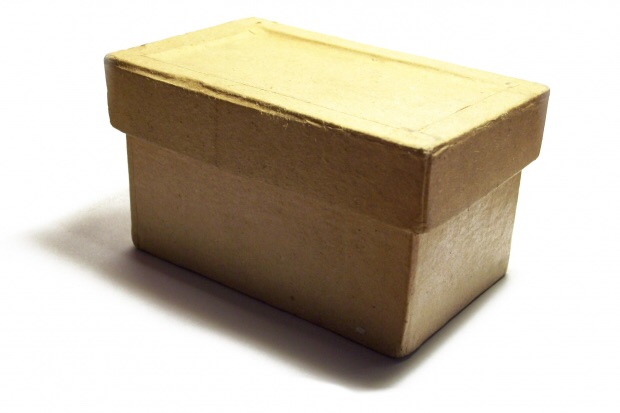
The Box

image

The Box

Opened or closed, the mood
descends

with the pull of tooth and
tongue

and discarded sound in wet
grass,

its odor mingling with
cordite

by summer pavement under the
canopy,

six plastic flowers faded by the
sun,

and photographs scattered over scraped
earth,

where we stand bound and
apart,

I reach toward
you

and find only
air.

image

“The Box” first appeared here in May 2015.

Jackboy’s Pride

photo(9)

Abused, abandoned and left to die of thirst or predation almost sixteen years ago on a largely uninhabited county road terminating at our rural property’s entrance, Jackboy brought much laughter and comfort to our household. Tireless shadow, friend, writing partner, loyal companion and protector, he was, and will remain forever, a good boy – in his estimation, the highest possible praise. Nearly four years have passed. We miss him.

Jackboy’s Pride

Through patience,
recognition eases in: the patterns

of repetition and praise
and joy in task. The orange ball. A scorpion’s

tail. How we delight in sharing each
victory. And with the breeze

runs other unspoken tales – a neighbor’s
cruelty, bones, the pregnant raccoon

lumbering through the cedars. But nothing
deters the jump and the following drop.

He nips heels where none exist. We follow.

photo(10)

Martín Espada’s “Here I Am”


Find the stunning poem here, then read his explanation for writing elegies for the living.

Acceptance Charm

Autosave-File vom d-lab2/3 der AgfaPhoto GmbH

Acceptance Charm

She’ll take the river’s trace
over curl      and leaf

and the street’s
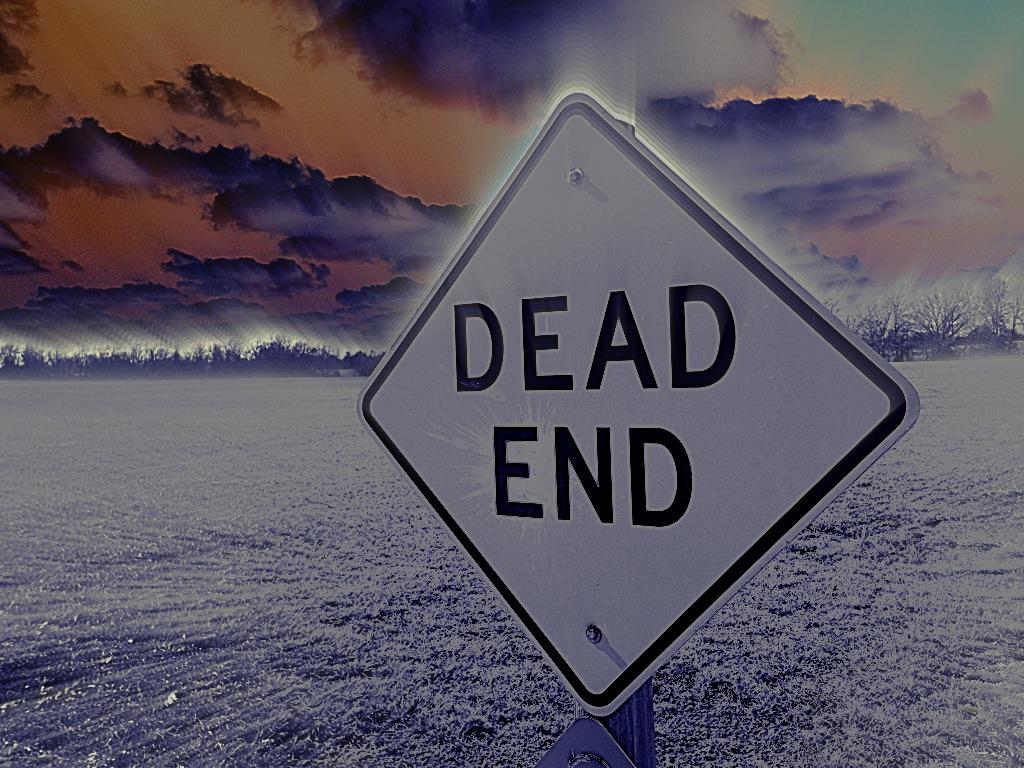
dead end,

riveting eyes
even as they blink.

The narcotic’s       benediction.

Renewal. Sleep.

That bed      remains unmade,
stripped of purpose: no

caress     a thigh would
recognize

dark fingers      writing in air

dead-end

“Acceptance Charm” last appeared here in December 2016.