Music Like Waves, Rising, Dispersing

Deborah Brasket shows us connections between a poem, music and starlings.

Deborah J. Brasket's avatarDeborah J. Brasket, Author

Zdislaw Beksinski - Dagni Tobin - Веб-альбомы Picasa Zdislaw Beksinski

I came across this poem on one of my favorite blogs O at the Edges.

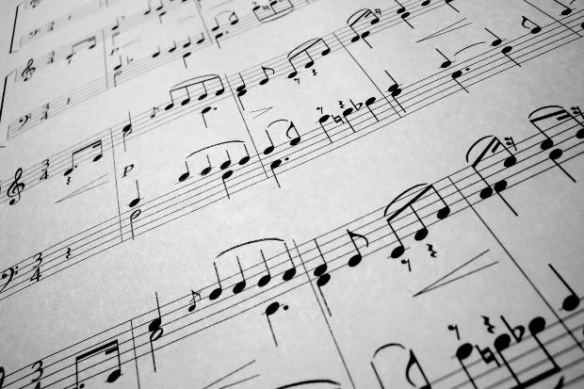
I love the image of the wave losing itself in dispersal only to rise again, just as music does in the playing, even in the inner repetitions, remaking itself.

Just as memory does, rising from mysterious depths only to disappear again.

Like murmuring starlings, spilling patterns across the sky.

So much “self-similarity” weaving this world together.

I leave you with three gifts: the poem that inspired me, the music that inspired him, and the wonder of murmuring birds.

Requiem

By Robert Ojaki

That it begins.
And like a wave which appears
only to lose itself

in dispersal, rising whole again
yet incomplete in all but
form, it returns.

Music. The true magic.

Each day the sun passes over the river,
bringing warmth to it. Such

devotion inspires movement: a cello in the

View original post 40 more words

Door Haibun


Door Haibun

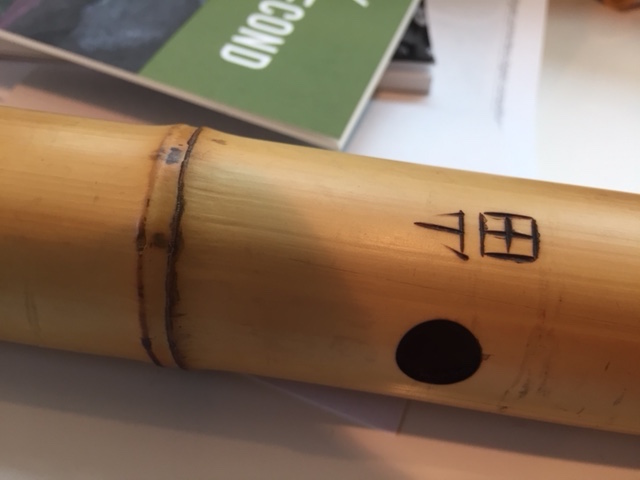
The glass remains unchanged but what I see through it differs moment by moment. This door is truly of a port in air; I observe these shifting worlds, their translucent seconds ever ticking. Nothing rests – the Texas mountain laurel’s blossoms fade and flutter to the ground while the wind weaves intricate patterns through its branches. Rogue onion sprouts scatter throughout this small section of yard, and a squirrel scampers along the cedar pickets. Light slants through a hole in the clouds. A hummingbird buzzes by. Even the earth moves, and five minutes ago rain tapped out an inconsistent tune on my metal roof. I lift the shakuhachi to my lips, and exhaling, enter the day.

three dogs yapping
announce spring’s arrival
oh, sweet music!

Requiem

file0001789222317(1)

Requiem

That it begins.
And like a wave which appears
only to lose itself

in dispersal, rising whole again
yet incomplete in all but
form, it returns.

Music. The true magic.

Each day the sun passes over the river,
bringing warmth to it. Such

devotion inspires movement: a cello in the
darkness, the passage of sparrows. Sighs.

The currents are of our own
making. If we listen do we also

hear? These bodies. These silent voices.

* * *

“Requiem” was written in the 80s, in response to a piece of music. It made its most recent appearance here in November 2016.

DSC02722

Nocturne (Fall 1983)

image

Nocturne (Fall 1983)

Tall weeds block
the view. Remove
sound from sight,

the guitar becomes
kindling. I stretch
my hands toward

the burning wood,
hearing the echo
and the woman.

image

This first appeared here in November 2015.

Exhaling, I Get Dizzy


Exhaling, I Get Dizzy

From one note flattened
to the next floating whole,

textured with rustling
stalks and the sweet odor

of dried grasses, you
detach, drift off.

What colors this tone, you
ask. What sings my day?

Door Harp

candle

Door Harp

tear-shaped or is
it the inviolable
form of the

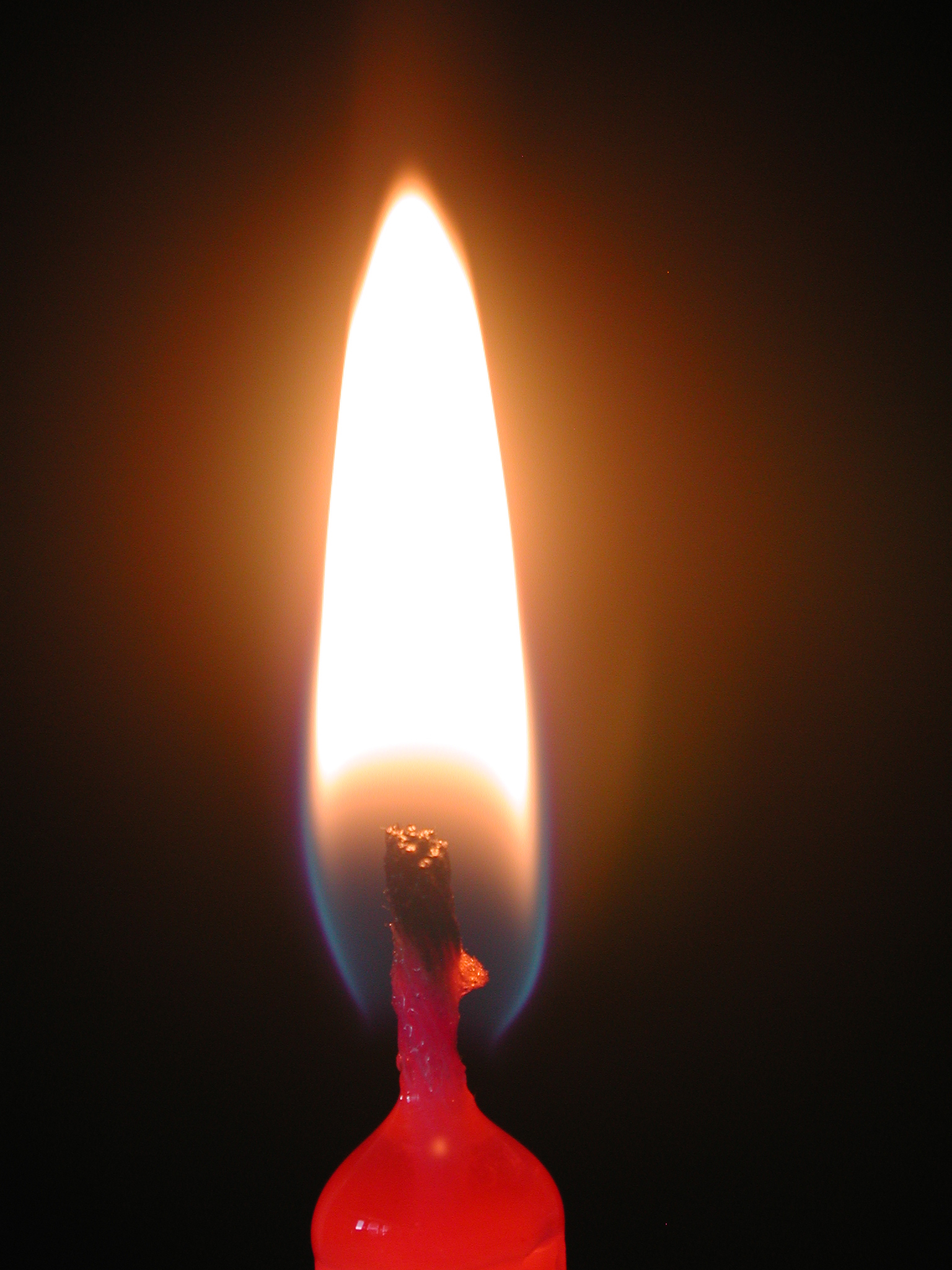
candle’s flame ever
changing but constant
in its own

presence that being
momentary or fixed
as a loved

one’s death I
listen and hear
only three notes

each one solitary
and aloof yet
of one purpose

image

Yet another piece from the eighties. It first appeared here in November 2015.

In the Key of Your Hour

blueguitar


In the Key of Your Hour 

The words I sing are draped in silence,
wedged between notes yet flowing forward.

Stop-time presents the illusion of interrupted tempo and meter.

Perception informs our spirits.

The old guitar hangs on the wall and seldom speaks,
preferring instead to lightly hum when the wind blows just so.

The conceit of two right hands. A slamming door.

Music enters my room by subterfuge, but exits boldly.

If simultaneity is relative, how do we assign primacy
to an overtone? One voice, one whole.

We must respond to our bodies. In kind, with trust.

I ask you to listen without considering the requisite commitment.

The broken circle represents common time replete with imperfections,
linking the measurable to the internal well.

Gather what comes, no matter the source.

Mark time and repeat: harmonics, the quivering string. Breath.

“In the Key of Your Hour” appeared here in September 2016, and is also in my chapbook-length work, The Circumference of Other, which is included in IDES: A Collection of Poetry Chapbooks, published by Silver Birch Press in 2015.

OLYMPUS DIGITAL CAMERA

Patterns

dead-dahlia(1)

Patterns

For one who moves in uncertainty, this
flower, the petals of which

gently fade, as if reason
is found in the decline of beauty
and its comforts.

But all you touch remains
touched. If silence reveals the body

of music, what can be said of darkness? Words
appear motionless until they blossom, a
pattern seldom seen yet carried to us in

all manner of conveyance. Listen,
for there is no purer voice.

Let the earth speak.

file6581268573240

“Patterns” first appeared here in March, 2015, and again in June 2016. I wrote it 30-some years ago, placed it in a folder and promptly forgot it.

What Are You Going To Do?


What Are You Going To Do (Cento)

Not everything can be set to music,
you have to understand that.

If I went to the end of the street,
would I be at the center of myself?

Now ends. Now begins.
Still, we sing the same songs;

we live in the sound – no love
of miracle or numbers helps.

I wonder if my body
is outline. A far point rendezvous.

A smoke plume taken, but not
into a hot, dark mouth.

Or perhaps it never had a name.
Bruising’s not the end of it.

* * *

Credits: Maggie Smith, Michael Chitwood, Carol Frost, CM Burroughs, Aimee Nezhukumatathil, Dan Beachy-Quick, Willis Barnstone, Lauren Camp, Ruth Ellen Kocher, Maggie Smith, Lawrence Raab, Natasha Saje.

“What Are You Going To Do” was drafted during the August 2016 Tupelo 30-30 challenge, and was published in the February 2017 issue of Taos Journal of International Poetry & Art.

Scarecrow Sings the High Lonesome

Scarecrow3


Scarecrow Sings the High Lonesome

Nothing about me shines or sparkles. If asked,
I would place myself among the discarded —
remnant cloth and straw, worn, inedible,
useless, if not for packaging intended to
convey a certain message, which I of course
have subverted to “Welcome, corvids!” Even
my voice lies stranded in the refuse, silent
yet harmonious, clear yet strangled, whole
and unheard, dispersed, like tiny drops of
vapor listing above the ocean’s swell, enduring
gray skies and gulls and those solemn rocks
bearing their weight against the white crush.
Why do I persist? What tethers a shadow
to its body? How do we hear by implication
what isn’t there? Bill Monroe hammered
his mandolin, chopping chords, muting,
droning, banging out incomplete minors
to expectant ears, constructing more than
a ladder of notes climbing past the rafters
into the smoky sky. What I sing is not
heard but implied: the high lonesome, blue
and old-time, repealed. Crushed limestone
underfoot. Stolen names, borrowed sounds.
Dark words subsumed by light, yellowed,
whitened, faded to obscurity, to obscenity.

“Scarecrow Sings the High Lonesome” first appeared in Crannóg, in June 2017.