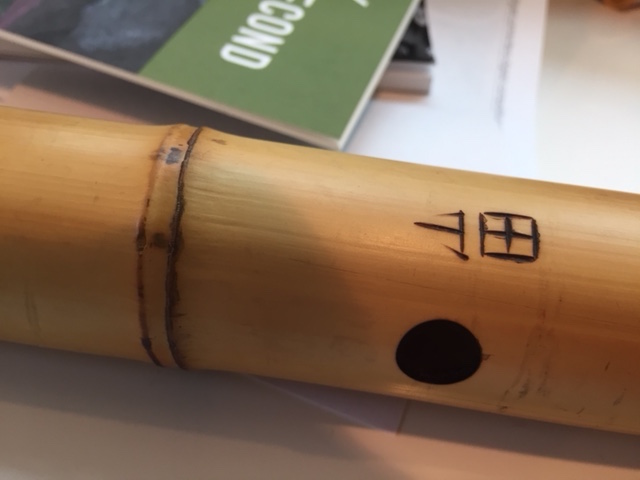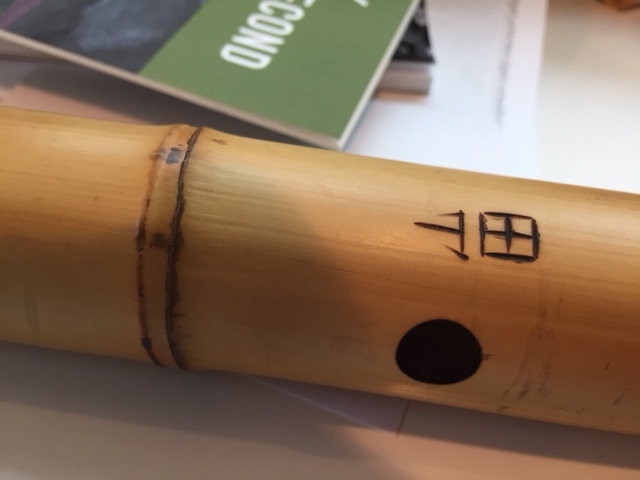
Bamboo Flute


Bamboo Flute

I am studying simplicity
in the way a rattlesnake
watches a field mouse,

which means of course
that I am doing it all wrong
and making this much more

difficult. Today’s lesson
is humility: I achieve no
tone from this damn bamboo

flute, no matter how I adjust
my mouth and wind. Go
watch football
, the voices

say. Instead I go to the grocery,
buy my wife’s favorite
wine, and later pour her

a glass and offer Irish cheddar
with rice crackers and a few
grapes. I sip beer, pick up

the flute, and sound a
wavering D followed by a goose
fart and spitting hamsters.

Progress, at last! Now
back to the lesson. Relax.
I’m nailing this simplicity thing.


* * *

“Bamboo Flute” first appeared in The Larger Geometry: poems for peace, available at Amazon. This anthology of poems that “uplift, encourage and inspire,” features poets from five countries and three continents. Published by the interfaith peaceCENTER of San Antonio, Texas, a 501(c)(3) nonprofit organization. All proceeds from the sale of this anthology go to benefit the peaceCENTER.

I’m pleased to have had a small role in selecting the poems.

Contributing poets include Lynne Burnett, Charlotte Hamrick, Daryl Muranaka, Stephanie L. Harper, Sudhanshu Chopra, Texas Poet Laureate Carol Coffee Reposa, Michael Vecchio, Rebecca Raphael and others.

Scarecrow Sings the High Lonesome

Scarecrow3


Scarecrow Sings the High Lonesome

Nothing about me shines or sparkles. If asked,
I would place myself among the discarded —
remnant cloth and straw, worn, inedible,
useless, if not for packaging intended to
convey a certain message, which I of course
have subverted to “Welcome, corvids!” Even
my voice lies stranded in the refuse, silent
yet harmonious, clear yet strangled, whole
and unheard, dispersed, like tiny drops of
vapor listing above the ocean’s swell, enduring
gray skies and gulls and those solemn rocks
bearing their weight against the white crush.
Why do I persist? What tethers a shadow
to its body? How do we hear by implication
what isn’t there? Bill Monroe hammered
his mandolin, chopping chords, muting,
droning, banging out incomplete minors
to expectant ears, constructing more than
a ladder of notes climbing past the rafters
into the smoky sky. What I sing is not
heard but implied: the high lonesome, blue
and old-time, repealed. Crushed limestone
underfoot. Stolen names, borrowed sounds.
Dark words subsumed by light, yellowed,
whitened, faded to obscurity, to obscenity.


“Scarecrow Sings the High Lonesome” first appeared in Crannóg, in June 2017.


What Are You Going To Do?


What Are You Going To Do (Cento)

Not everything can be set to music,
you have to understand that.

If I went to the end of the street,
would I be at the center of myself?

Now ends. Now begins.
Still, we sing the same songs;

we live in the sound – no love
of miracle or numbers helps.

I wonder if my body
is outline. A far point rendezvous.

A smoke plume taken, but not
into a hot, dark mouth.

Or perhaps it never had a name.
Bruising’s not the end of it.


* * *

Credits: Maggie Smith, Michael Chitwood, Carol Frost, CM Burroughs, Aimee Nezhukumatathil, Dan Beachy-Quick, Willis Barnstone, Lauren Camp, Ruth Ellen Kocher, Maggie Smith, Lawrence Raab, Natasha Saje.

“What Are You Going To Do” was drafted during the August 2016 Tupelo 30-30 challenge, and was published in the February 2017 issue of Taos Journal of International Poetry & Art. The lines used were taken from Tupelo Press publications.


Door Haibun


Door Haibun

The glass remains unchanged but what I see through it differs moment by moment. This door is truly of a port in air; I observe these shifting worlds, their translucent seconds ever ticking. Nothing rests – the Texas mountain laurel’s blossoms fade and flutter to the ground while the wind weaves intricate patterns through its branches. Rogue onion sprouts scatter throughout this small section of yard, and a squirrel scampers along the cedar pickets. Light slants through a hole in the clouds. A hummingbird buzzes by. Even the earth moves, and five minutes ago rain tapped out an inconsistent tune on my metal roof. I lift the shakuhachi to my lips, and exhaling, enter the day.

three dogs yapping
announce spring’s arrival
oh, sweet music!


“Door Haibun” first appeared here in April 2018.

Tuning the Beast


Tuning the Beast

I prepare contingencies for all outcomes. No.
I’ve prepared for this: a body. A key. As if

that cloth draped a leg. Not a leg
but the representation of a limb.

Another fragment, brought forth and opened.
Not a limb, an arrow, perhaps, pointing to the sea.

An oar, brought inland and unrecognized
for its purpose, directed or aimless. No, not an oar.

A neck, polished, and a chamber, with strings.
Repetition, fixation. Position. Intent.

I pluck and strum, pick and stroke, maintaining
space, steel above wood, bending notes,

moving sound in time, purposefully, from
this place to that, the left hand, creating,

conversing. The right, reasoning, controlling,
burning its past to the present, allowing,

preventing, rendering beat, consistent
motion, shaping only this moment, this now.


“Tuning the Beast” was drafted during the August 2015 30-30 Challenge, thanks to Sunshine Jansen’s sponsorship. It subsequently appeared in The Blue Nib in September 2016.


Musing on My New Chapbook

From where do these poems come?

Beats me. I can’t explain how I write poetry. It just happens, generally at a desk, word by word, without prior planning.

So it was with the pieces in I Have a Bird to Whistle (7 Palinodes), my latest chapbook. I was staring out the shack’s window, through the bird imprint (months earlier, a dove had smacked into the glass, leaving its body’s smudged outline behind), when the first words of the poem came to me: “What falters in translation?”  Which of course led to thoughts about assumptions and traitorous actions, passageways, Robert Johnson, slide guitar, truth, perception, flight, refraction, etymology, deflection, Jung, and much, much more. Thus the book’s title is taken directly from Robert Johnson’s lyrics, inspired by a dove’s misperception, and filtered through my mind’s colander, with the residue dumped out on the page. Not en elegant process, nor a quick one, but there you have it.

The book is available here to U.S. residents for $7.50, shipping included.

Non-U.S. purchasers can order it directly from me by emailing aBirdtoWhistle@yahoo.com.


Shakuhachi Blues


Shakuhachi Blues

That waver,
like the end of a long

dream flickering to wakefulness,
or an origami crane

unfolding between whiskey
poured and the tale of deceit

and a good woman done wrong.
Air flutters through this bamboo

tube, and it seems I control
nothing. Inhaling, I try again.


A simple instrument that will take a lifetime to learn…

Waiting for the Shakuhachi, I Practice with What I Have


Waiting for the Shakuhachi, I Practice with What I Have

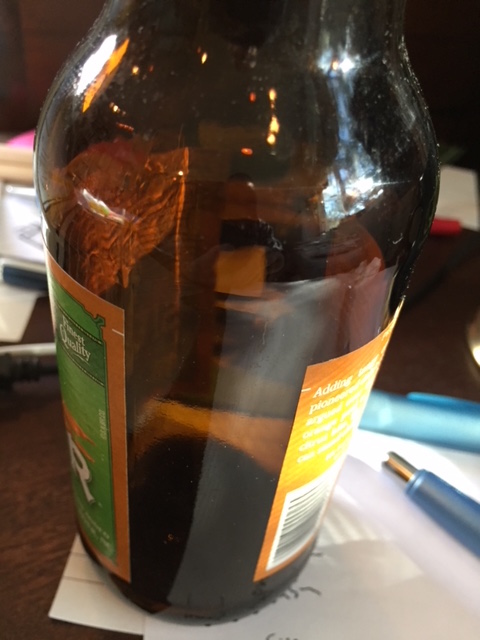
The tone feels round on shorter bottles,
which more closely resemble my shape.
Longnecks pitch lower, while the emptied
pinot requires more controlled air flow.
My grooved fingers fumble in their
search for meaning. I know this silence,
but that one requires more study.

Cool air stumbles in
through the trees.
Ah, autumn’s return.


This first appeared on The Zen SpaceThank you, Marie Marshall, for publishing my work!


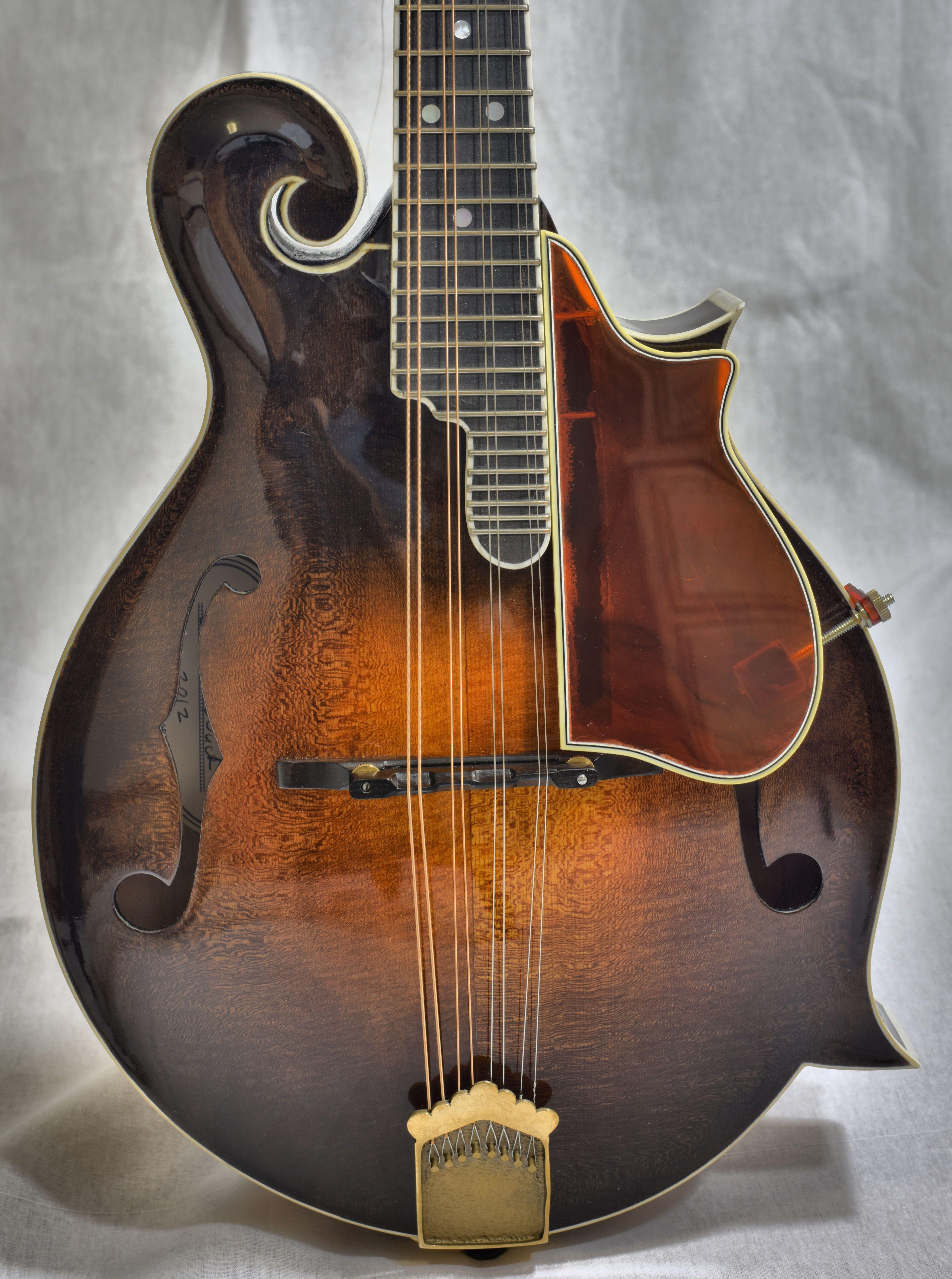
Self-Portrait with Mandolin

almond

Self-Portrait with Mandolin

Being
the afterthought

of wood and
steel, I accept

the phrases
allowed me.

Limitations
frame our days;

working within,
we grow.

Almond to tree,
sound in time.

Chords
by implication.

I root among
the falling

leaves,
gathering

their tunes.
When I cannot

see, my hands
find the way.

mando

“Scarecrow Believes” up at Vox Populi

My poem “Scarecrow Believes” is up at Vox Populi. Many thanks to editor Michael Simms for selecting this piece. I am grateful, as always, for Michael’s support.