My poem “The Most Intimate” is live at Poetry Breakfast. Thank you, Ann Kestner, for taking this piece.

My poem “The Most Intimate” is live at Poetry Breakfast. Thank you, Ann Kestner, for taking this piece.

Snails
How convenient to carry a home on one’s back, I
think, disregarding heft and plumbing and the shape
of rooms too hollow to feel. Yesterday a box of African
chapbooks migrated to my doorstep, and I plucked
yellowing leaves from the tomato plant by the poetry
shack. Marine snails constitute the majority of snail
species, but we count first what we can see. Everything
turns–the days buzz by like male blackchins swooping
through their pendulum air-dance, and I tally my
diminishing hours from the safety of these walls.
Heliciculture is another word for snail farming, but
reminds me of stars spiraling wildly above my roof
each night, spewing poetic fire throughout the cosmos.
The neighbor mows her lawn and I observe the wind
stepping from treetop to treetop, another sign of the
earth’s continued rotation. Their slime permeates human
cosmetics to minimize premature skin aging, and was
once used medicinally to soothe coughs (I write this
as mucus slides down my throat, a response of the
lung’s filtration system to histamines). There is much
to consider about the intricacies of harvesting slime.
Most snail species consume plants, but a few are
predatory carnivores, which leads to questions
about their prey. Cooked in butter with garlic, served
with a dry white? I spear one, contemplate texture
and move on to the next, leaving behind no visible trail.
* * *
My poem “Snails” was published on Vox Populi in October 2017. Many thanks to founder and editor Michael Simms for giving this poem a home.
The Body Gives
Sometimes the body gives too much.
A tendon frays, the heart mumbles
and no one sees the damaged parts.
Ignoring pain, we continue climbing ladders,
sandpaper breath rasping the morning light.
Little bits of us crumble all the time,
yet we stumble on, pretending.
Then the body kills us with its enthusiasm.
Cells duplicate wildly, plaque explodes.
This enmity within? Defensive maneuvers.
Working alone, I wonder where I might end.
On the floor. In a field. Atop the bed.
Under the surface of a rippling pond
or drifting with smoke
through a snow-clad afternoon
at eight thousand feet. Among
the grocery’s tomatoes and squash
approaching the end of a long list.
At the bar, glass in hand, or in a truck
at a four-way stop, the radio blaring.
Time enough for speculation, they say.
But I wonder: when I jump,
does the earth always rise to greet me?
* * * *
“The Body Gives” first appeared in The New Reader Magazine, in March 2018.
Hours
who remembers can
the blur of
flowers be so
unpleasant if as
Creeley says “imagination
is the wonder
of the real”
what then is
presence obtained from
nothing the mere
transformation of shape
to glory incessant
as the night
raining in through
the long hours
* * * *
A poem from the mid-80s. I don’t recall where the Creeley quote came from.
Coyote
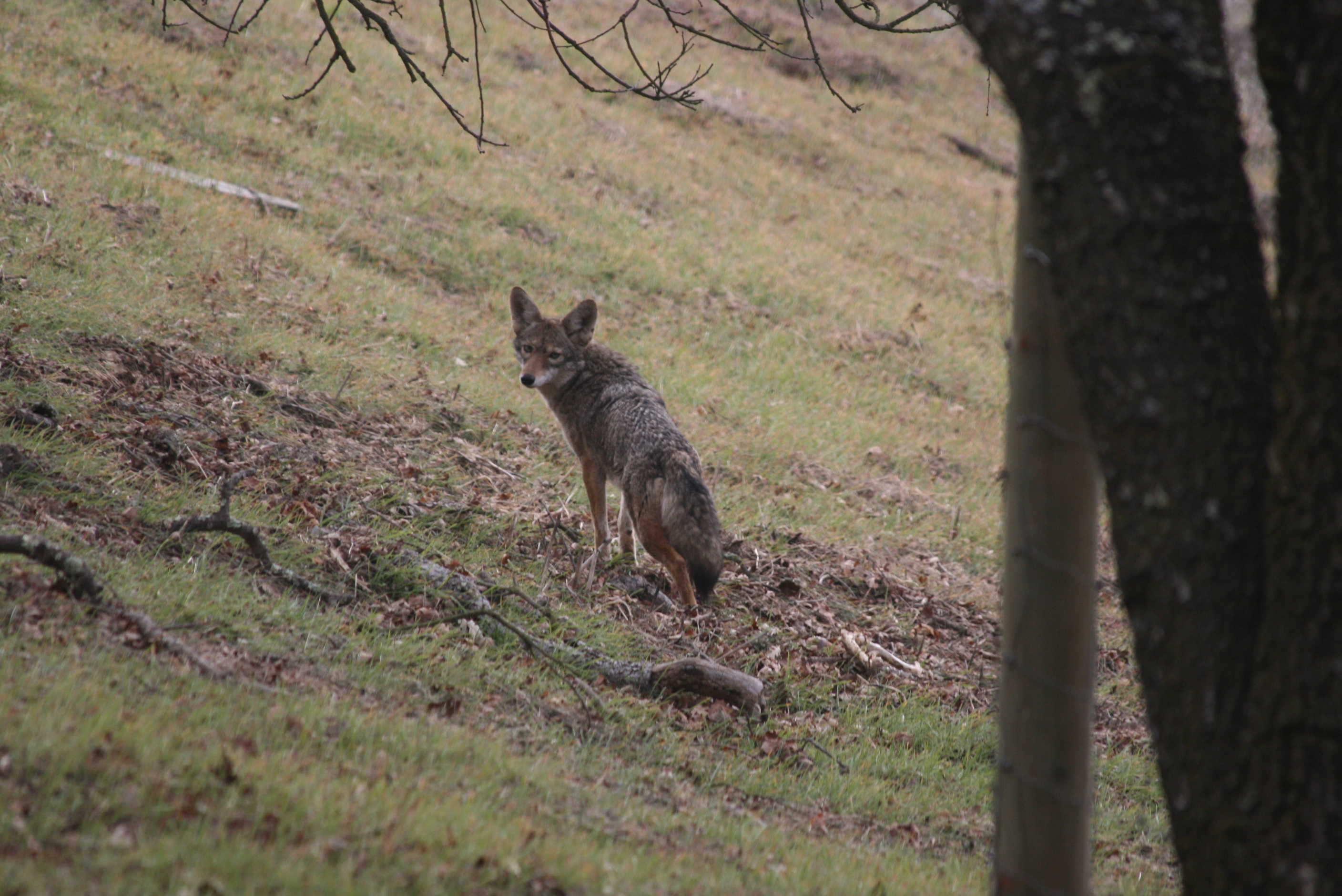
What makes the coyote yip
at three in the afternoon,
after the rain
but before the hunt?
Today
I am alone.

Spring Night (after Wang Wei)
Among falling devilwood blossoms, I lie
on an empty hill this calm spring night.
The moon lunges above the hill, scaring the birds,
but they’re never quiet in this spring canyon.
Another try at an old favorite…
I consider this adaptation rather than translation, but perhaps appropriation or even remaking might be more accurate.
Here’s the transliteration from chinese-poems.com:
Person idle osmanthus flower fall
Night quiet spring hill empty
Moon out startle hill birds
Constant call spring ravine in
So many choices, none of them exactly right, none of them entirely wrong. How does one imply idleness, what words to use for “flower” (blossom? petal?), or for that matter, “fall” (descend, flutter, spiral)? And how to describe a moonrise that scares the constantly calling birds? My first attempt began:
“I lie among the falling petals”
but it seemed vague. The word “osmanthus” fattened my tongue, or so it felt, but the osmanthus americanus, otherwise known as devilwood or wild olive, grows in parts of Texas. So I brought the poem closer to home.
I considered naming the birds (quail came to mind) but decided against. In this case the specificity felt somehow intrusive.
My hope is that I’ve managed to amplify, in some small way, previous iterations, and that while the edges are still a bit blurred in morning’s first light, perhaps they’ll become slightly crisper by the evening.
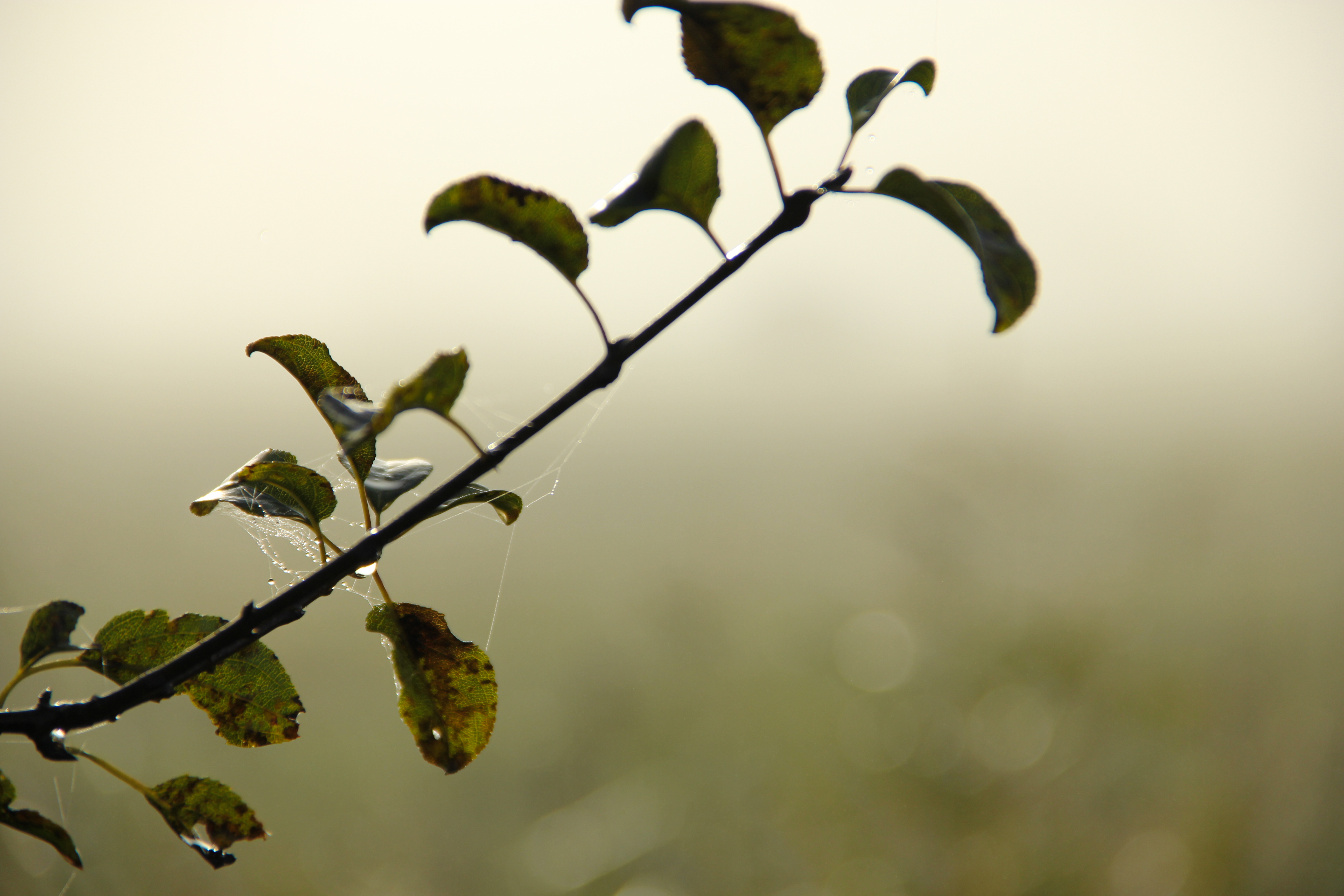
“Spring Night” last appeared here in February 2018.
Inquisition
1.
I breathe smoke
from the fire
warming our feet
Something is not right
but not wrong
yet
like the bones’ dance
on wires
in a bad dream
Fear’s sharp blade twists
burning with the slow
heat of coals
2.
I cannot read ashes
the message
of cracked stones in desert light
nor the poetry
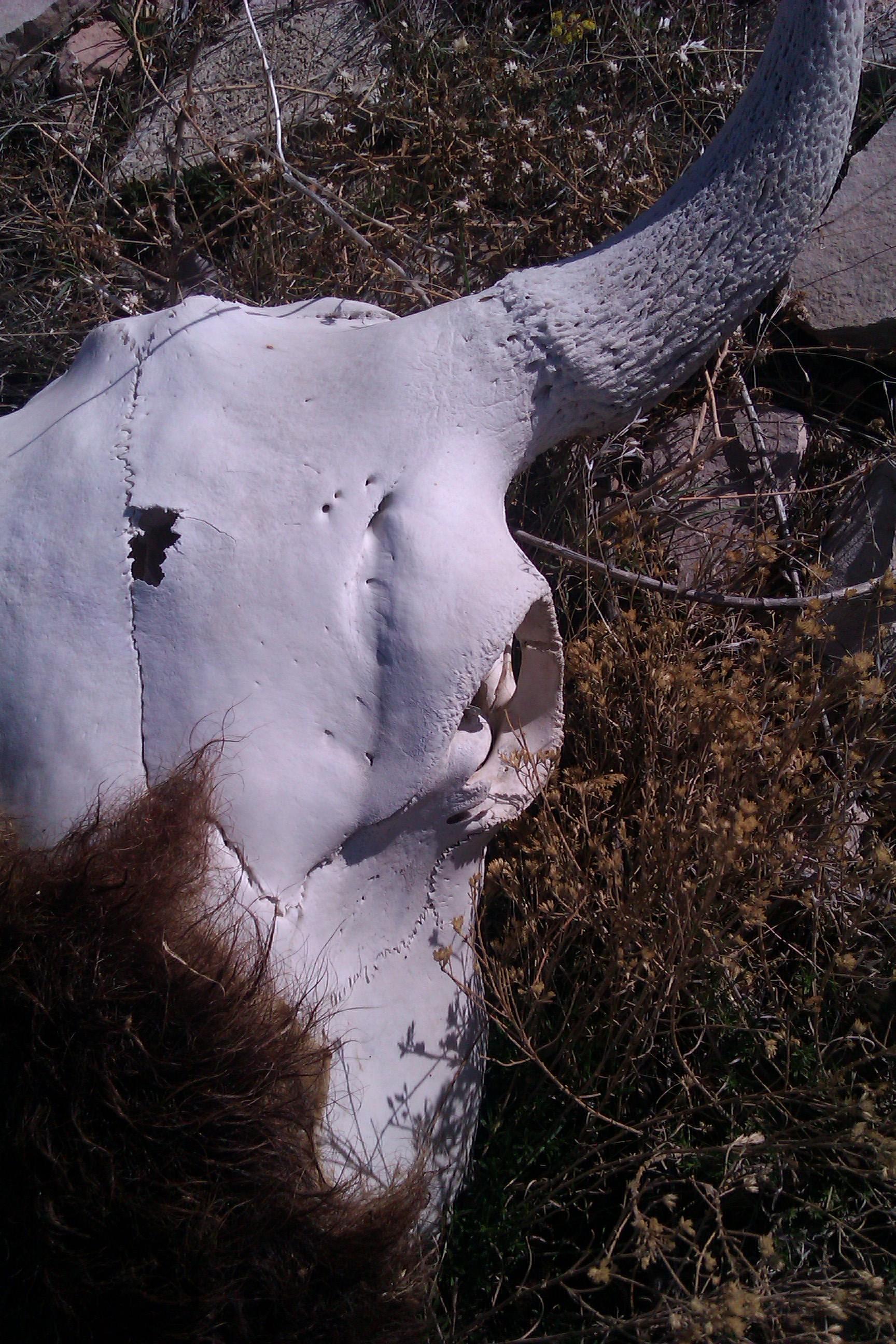
of the cow’s skull
white on dark sand
What right has a man
And the snake’s
quivering tongue tasting
what the air brings to him

Originally posted in December 2014. One of my earliest published pieces, this first appeared in Taurus, in 1984. Curiously, this is not the piece that I remembered having been published in Taurus. I wonder if that poem still exists somewhere? Such is memory…
Scarecrow Sees
Da Vinci maintained that sight relies on the eye’s
central line, yet the threads holding my
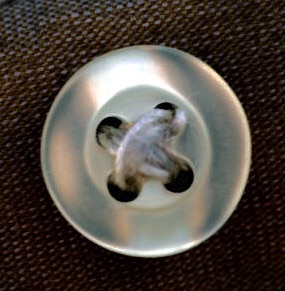
ocular buttons in place weave through four
holes and terminate in a knot. My flying friends
perceive light in a combination of four colors,
unlike the farmer, who blends only three. The
octopus knows black and white but blushes
to escape predators, while I remain fixed,
evading no one. Certainly my sense is more
vision than sight, and not the result of nerve
fibers routing light. Crows choose colors
when asked, but a certain shade of yellow
eludes them. And who would hear, above
the flock’s clamor, my claim to see this world
as it is? Grayscale, monochrome, visual
processing and perceptual lightness measures
mean little to one whose space accumulates
in uncertain increments – what is a foot to an
empty shoe? If I painted, which hues would
prefer my attempts, which would distract or
invade my cellulosic cortex, resulting in
fragmentation or blindness? Fear is not
limited to the sighted alone. I look out over
the field and perceive the harmonious
interaction of soil and root, leaf and sun,
the beauty of atmospheric refraction and
the wonder sprouting daily around me. Then
as one entity the crows explode into the blue,
leaving me alone with the shivering stalks,
questioning my place and purpose, awaiting
the next stray thought, a spark, a lonely
word creeping through this day’s demise.
This was written during the August 2015 Tupelo Press 30-30 Challenge, and was published by The High Window in December 2016.
My poem “Love in the Time of Untruth” is live at Clementine Unbound. Many thanks and much admiration for editor G.F. Boyer for taking this piece and for being so kind during a difficult time.
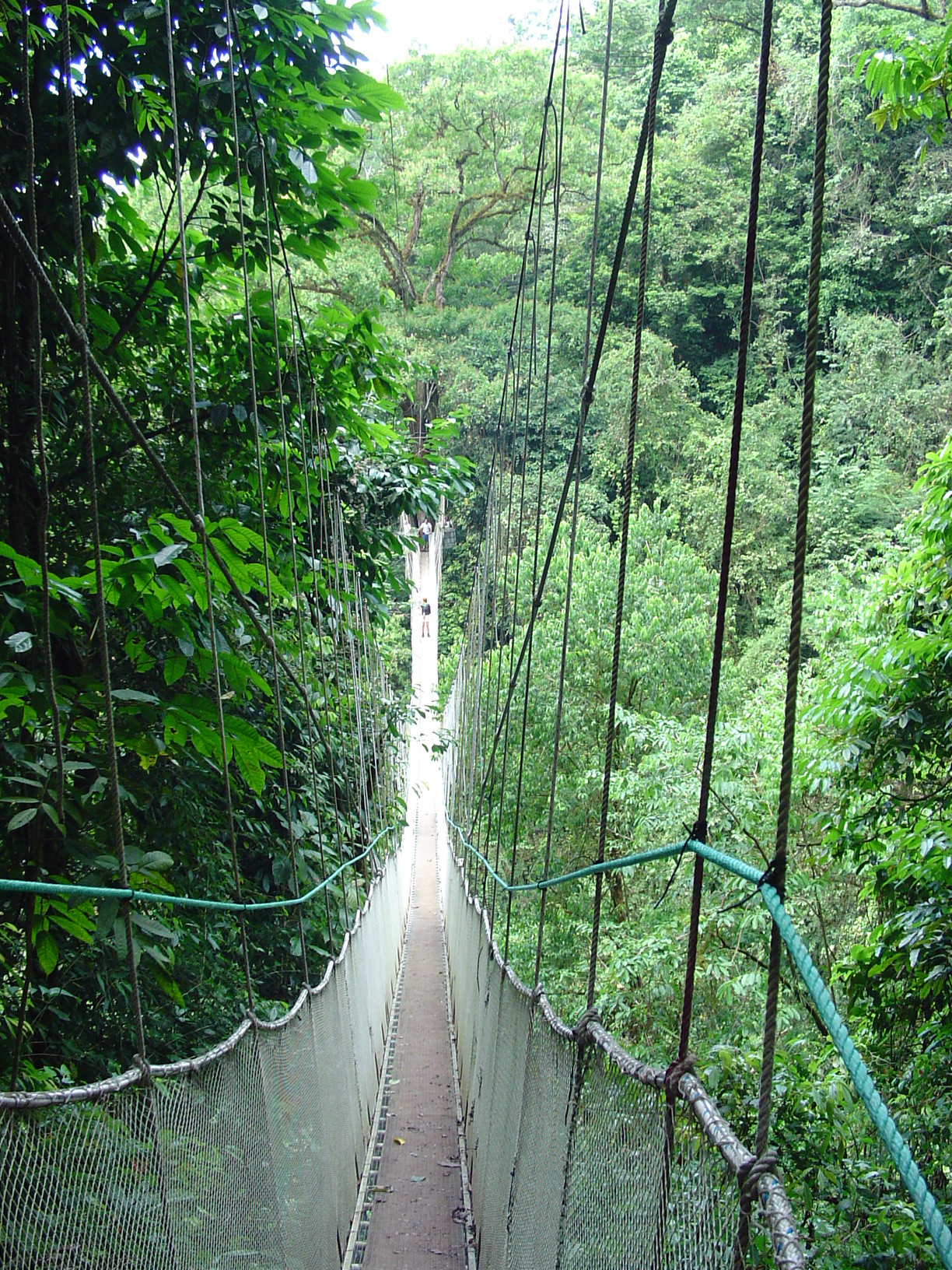
Rain Forest Bridge
To cross
you must first
trust the strands
to hold.
The second tentative
step precedes
the next,
each successive one
gaining strength:
here to
there, now
to then, a summoning of
entreaties
within
one’s faith.
Vapor meets cooler air,
forming droplets,
clouding the far side.
I have feared endings
and the strictures of the unseen,
but here
in this vast
swaying,
I know
one line
bisects the void.
* * *
“Rain Forest Bridge” first appeared in Four Ties Lit Review in August, 2014.
A recording of it may be found on the Four Ties site.
 O at the Edges