Ocean Vuong’s “Self-Portrait as Exit Wounds”


Today’s offering on the Academy of American Poets Poem-a-Day site is Ocean Vuong’s “Self-Portrait as Exit Wounds,” a superb end to a week of immigrant poems by Juan Felipe Herrera, Chen Chen, Solmaz Sharif, and Mai Der Vang.

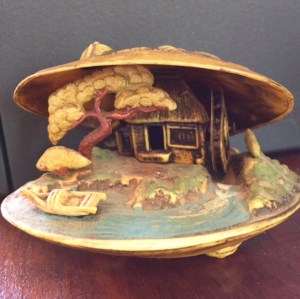
May I Be Familiar


May I Be Familiar

Do we find you in what you’ve left or where you’ve gone.

In words you could not form, or forgot long ago.

Missing the pastels, the shades, all nuance.

With moistened hands, I pat rice into a ball and wrap it in seaweed.

By my reckoning, the word who no longer implicates.

Ritual accumulates significance in memory.

Forgotten fruit on the sill. A whisper nailed to the wall.

Honor and pride line your earthen home.

Though you never did, I pickle ginger. Make takuan.

The transparent house reflects no gaze and contains no one.

Gathering your absence, I coil it around my body.

* * *

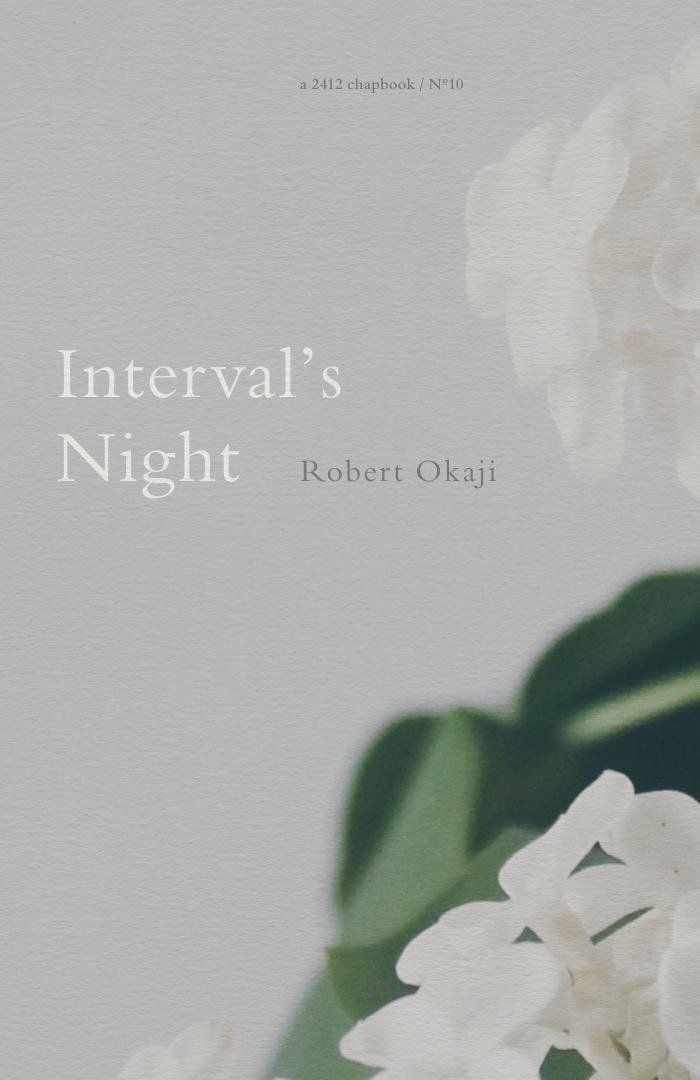
“May I Be Familiar” is included in my mini-digital chapbook, Interval’s Night, published by Platypus Press as part of their 2412 series.


Scarecrow Dances


Scarecrow Dances

A case of the almost
tapping into the deed:

I dance in daylight,
but never on stairs

nor in countable
patterns, the wind

and birds my only
partners. When the

left arm twitches
counter to the right

hand’s frisk, my
head swivels with

the breeze, catching
my feet in pointe,

a moment endured
in humor. Luther

Robinson switched names
with his brother Bill

and became Bojangles,
but my brothers remain

nameless and silent,
flapping without desire

or intent. Why am I
as I am, born of no

mother, stitched and
stuffed, never nurtured

but left to become this
fluttering entity, thinking,

always thinking, whirling,
flowing rhythmically

in sequence, in time
to unheard music?

No one answers me.
But for now, I dance.


“Scarecrow Dances” first appeared in The Blue Nib in September 2016.


Recording of “Magic”

tophat


You might read the poem at Taos Journal of International Poetry & Art.

Every Wind

Every Wind

Every wind loses itself,
no matter where

it starts. I want
a little piece of you.

No.

I want your atmosphere
bundled in a small rice paper packet
and labeled with strings of new rain
and stepping stones.

I want
the grace of silence
blowing in through the cracked
window, disturbing only
the shadows.

Everywhere I go, bits of me linger,
searching for you.

Grief ages one thread at a time,

lurking like an odor
among the lost
things,

or your breath,
still out there,

drifting.


“Every Wind” first appeared in The Lake in July 2016.

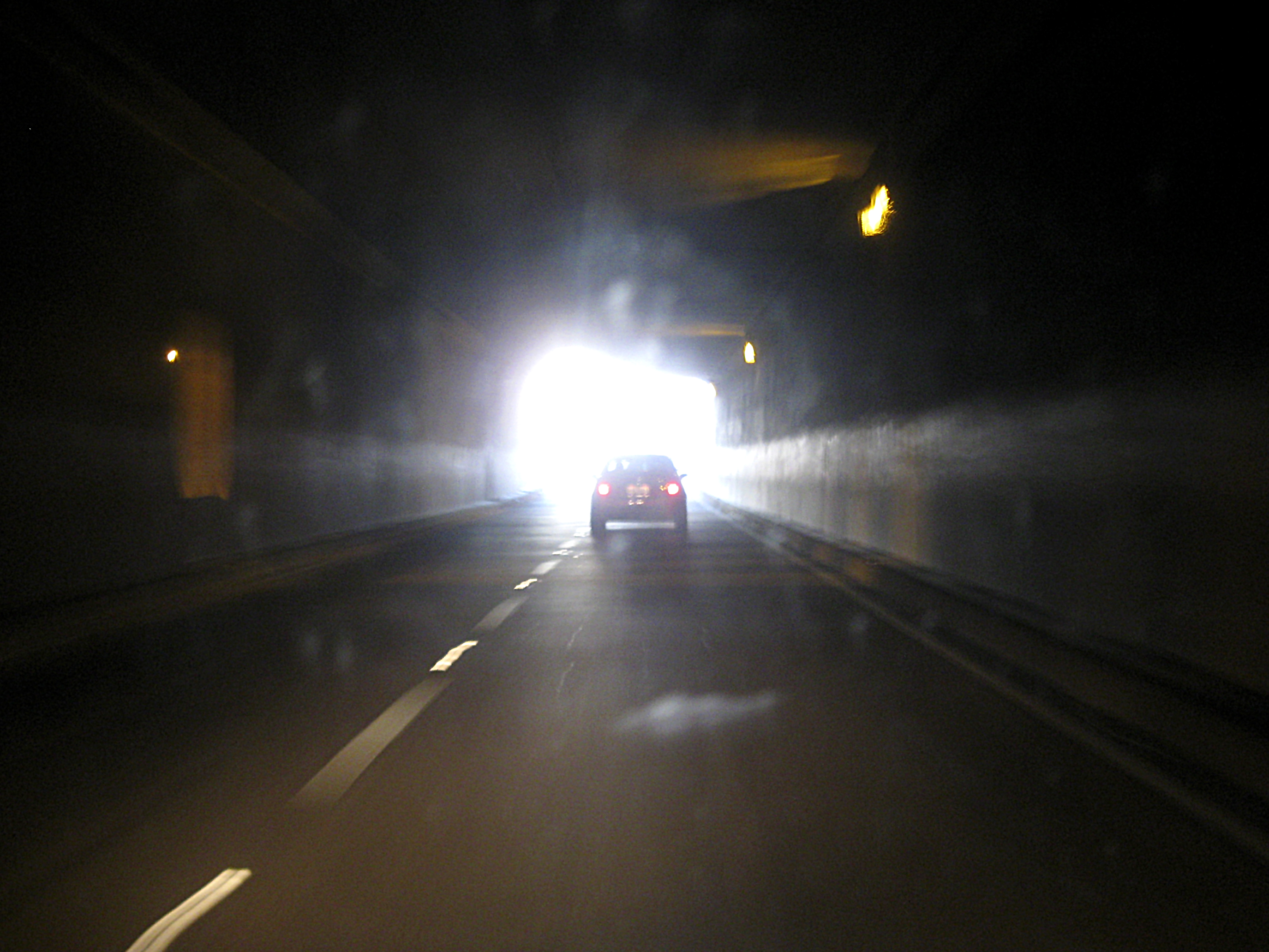
Track (after Tranströmer)

file000826525674(1)

Track (after Tranströmer)

2 p.m.: Sunlight. The subway flows
beneath us. Flecks of darkness
shimmer madly on the wall.

As when a man cracks a window into a dream,
remembering everything, even
what never occurred.

Or after skimming the surface of good health,
all his nights become ash, billowing clouds,
strong and warm, suffocating him.

The subway never stops.
2 o’clock. Filtered sunlight, smoke.

* * *

I’ve been dipping into Friends, You Drank Some Darkness, Robert Bly’s 1975 translations of Harry Martinson, Gunnar Ekelöf and Tomas Tranströmer, and I couldn’t resist playing with one of my favorite poems. A different darkness, a separate space, another landscape…

This first appeared here in April 2015.

Senate (Tritina)


Senate (Tritina)

Not imposition, but welcome.  The way
cooperation welcomes coercion, turning the
tenor of the intended phrase, opening

the statement to interpretation, opening
a point without dissension, in the way
of politics, agreeing which fact will shape the

morning, which truth will determine the
next word and the subsequent, as if opening
the issue, claiming to have found the way,

one way, the only, but never actually opening.

* * *

A Tritina might best be described as the lazy poet’s Sestina, consisting of ten rather than 39 lines, with the end words of the first stanza repeating in a specific pattern in the subsequent two stanzas. The last line includes all three end words.

The patterns:
abc
cab
bca
The last line uses the end words in sequence following the pattern of the first stanza.


Memorial Day


Memorial Day

Arriving at this point
without knowledge of the journey,

the slow collapse and internal
dampening – the shutting down, the closing in – lost

in the shadowed veil, my eyes flutter open to find
everything in its place, yet

altered, as if viewed from a single step
closer at a different height, offering a disturbing

clarity. Looking up, I wonder that she wakes me
from a dream of dogs on this, of all days,

only to detect under me linoleum in place of the bed,
my glasses skewed from the impact,

the floor and left side of my head wet. You looked
like you were reaching for something, she says,

and perhaps I was, though with hand outstretched
I found nothing to hold but the darkness.


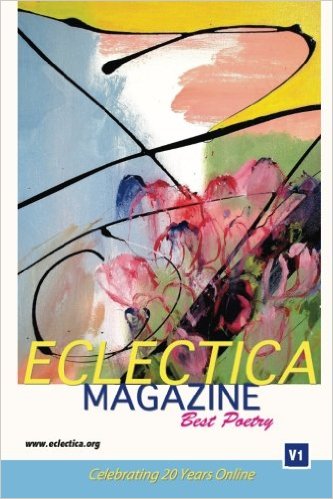
“Memorial Day” was first published in Eclectica in July 2014, and was, much to my delight, subsequently included in Eclectica Magazine’s 20th Anniversary Best Poetry Anthology.

Recording of “Scarecrow Pretends” at Words and Feathers

I’m participating in the Open Mic at Words and Feathers. My contribution is “Scarecrow Pretends,” and can be read here, at The Slag Review. Kudos to Crow for hosting this virtual reading!

At Sunrise We Celebrate the Night’s Passage

sunrise

At Sunrise We Celebrate the Night’s Passage

And discuss not the darkness of crows, but the structure of phonemes
embedded in our names, the gratitude of old fences, of broken

circles and extinguished flame.

Two weeks ago he poured wine and declared himself Dog.

There are roosters, too, who cannot crow,
other speechless men, and lonely burros guarding brush piles.

What letters form silence? From what shapes do we draw this day?

Light filters through the cedars and minutes retract,

as the bull’s horns point first this way, then that, lowering themselves
through the millennia, becoming, finally, A as we know it.

With my tongue, I probe the space emptied of tooth.

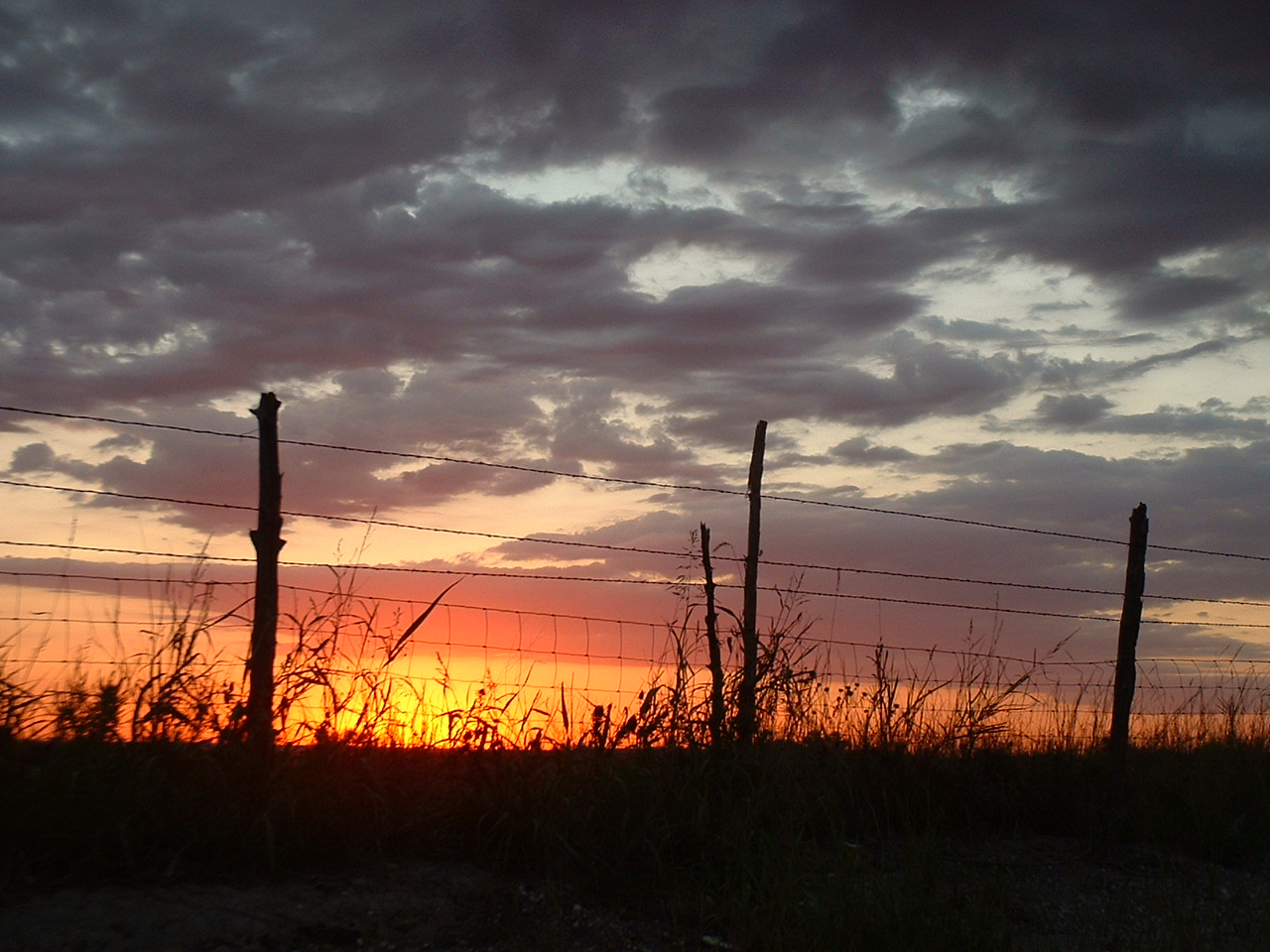
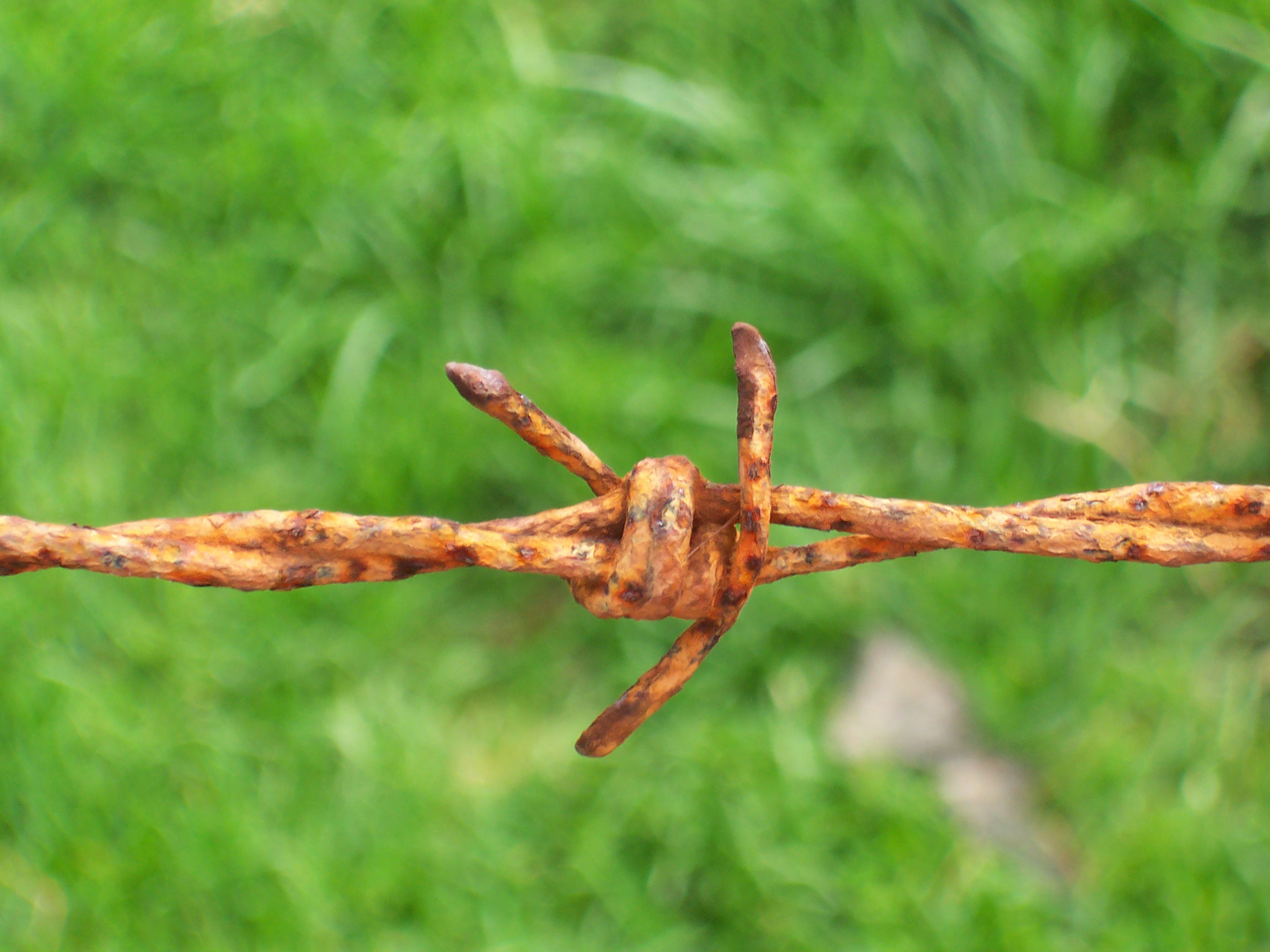
Barbed wire was designed to repel, but when cut sometimes curls

and grabs, relinquishing its hold only by force or careful negotiation.
Symbols represent these distinct units of sound.

My name is two houses surrounding an eye.

Yours consists of teeth, the bull, an arm, the ox goad.
barb

Originally published in Prime Number Magazine, one of my favorite online literary journals, in 2013, and posted here in September 2015. Cantinflas the donkey makes a cameo appearance in this poem…