Nightmare Charm
To awaken undisturbed
or at all
I unclench my fist
freeing darkness.
How to transcribe the dead’s tune?
They float
within they float
within,
fear’s cascading grip transcending sleep


Nightmare Charm
To awaken undisturbed
or at all
I unclench my fist
freeing darkness.
How to transcribe the dead’s tune?
They float
within they float
within,
fear’s cascading grip transcending sleep

The Sky Refutes East and West
Here, the horizon lingers.
The open eye, the mouth’s shape.
A hoop, the circle without iris.
Does the screech owl acknowledge latitude and hemisphere?
The Semitic alphabet contained no vowels, thus O
emerged as a consonant with a pupil, morphing into a dotted ring,
and later, with the Greeks, an unembellished circle (which of course
they cracked open and placed at the end). The female lays eggs
on the remnants of earlier meals lining the bottom of her den.
If you listen at night you might hear the purring of a feathered
cat (the Texas screech owl’s call varies from that of its eastern cousins).
The difference between sphere and ball.
To pronounce the Phoenician word for eye, sing the lowest note possible,
then drop two octaves. They usually carry prey back to their nests.
Screech owls are limited to the Americas.
Coincidence and error, the circumference of other.
***
“The Sky Refutes East and West” was first published in Prime Number Magazine, and also appears in my chapbook The Circumference of Other, included in Ides: A Collection of Poetry Chapbooks (Silver Birch Press, 2015).
Gaza
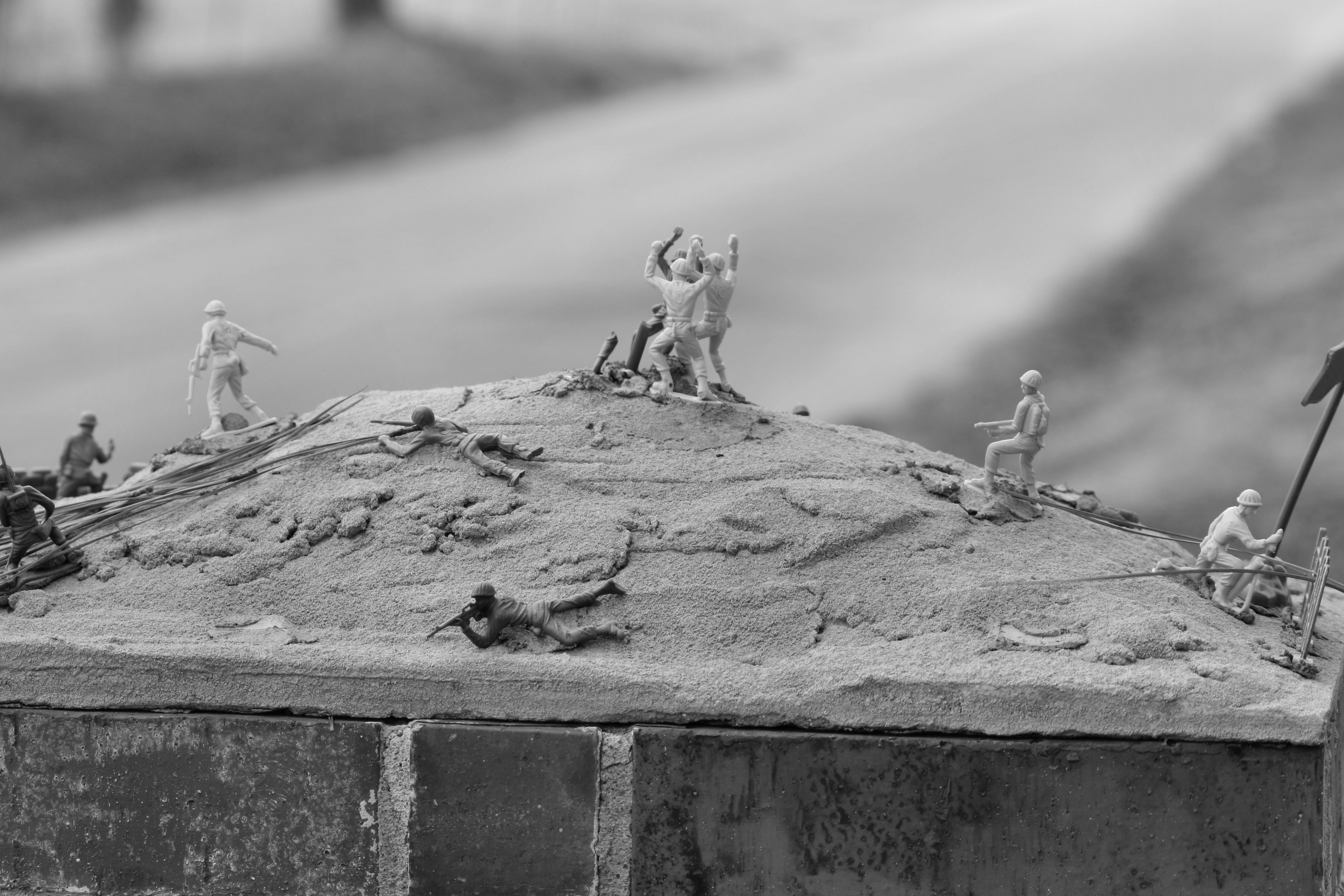
We presume affliction by census,
whereas light
requires no faith.
Is the roofless house a home? When you call
who answers? The vulture
spreads its wings
but remains on post. Shifting,
I note minute of angle, windage. No
regrets, only tension. Breathe in. Exhale.
Again.
***
“Gaza” first appeared in July, 2014, and is included in my chapbook, If Your Matter Could Reform.

Wet Grass, Weeds
A lone raven
circling the neighbor’s oak,
an oddity in this neighborhood,
lending mystery to the afternoon,
a gateway through dandelion
fluff and the blue seeping through clouds.
A car rumbles by,
stereo hammering the air,
warnings everywhere for the wary.


Spring Night (after Wang Wei)
Among falling devilwood blossoms, I lie
on an empty hill this calm spring night.
The moon lunges above the hill, scaring the birds,
but they’re never quiet in this spring canyon.
Another try at an old favorite…
I consider this adaptation rather than translation, but perhaps appropriation or even remaking might be more accurate.
Here’s the transliteration from chinese-poems.com:
Person idle osmanthus flower fall
Night quiet spring hill empty
Moon out startle hill birds
Constant call spring ravine in
So many choices, none of them exactly right, none of them entirely wrong. How does one imply idleness, what words to use for “flower” (blossom? petal?), or for that matter, “fall” (descend, flutter, spiral)? And how to describe a moonrise that scares the constantly calling birds? My first attempt began:
“I lie among the falling petals”
but it seemed vague. The word “osmanthus” fattened my tongue, or so it felt, but the osmanthus americanus, otherwise known as devilwood or wild olive, grows in parts of Texas. So I brought the poem closer to home.
I considered naming the birds (quail came to mind) but decided against. In this case the specificity felt somehow intrusive.
My hope is that I’ve managed to amplify, in some small way, previous iterations, and that while the edges are still a bit blurred in morning’s first light, perhaps they’ll become slightly crisper by the evening.
“Spring Night” made its first appearance on O at the Edges in April, 2014.
My poem “Two Cranes on a Snowy Pine” has been published in Issue 3 of Panoply, A Literary Zine, aka Panoplyzine. Many thanks to editors Jeff Santosuosso, Katheryn Holmes and Andrea Walker.
See the woodblock print that sparked this poem: Hokusai

Autumn Winds (after Li Po)
Clear autumn winds swirl
below the moon’s glow,
scattering the gathered leaves.
The startled crows return.
When will we see each other again?
This hour, this lonely night, my feelings grow brittle.
The transliteration on Chinese-poems.com reads:
Autumn wind clear
Autumn moon bright
Fall leaves gather and scatter
Jackdaw perch again startle
Each think each see know what day
This hour this night hard be feeling
“Autumn Winds” first appeared in September, 2014. I started the adaptation in the heart of summer, hoping that it would offer a respite from the unrelenting Texas heat…

Cedar Grove (after Wang Wei)
I sit alone among the cedars,
play my guitar and hum.
In this dark forest
no eye spies me but the moon’s.
My take on Wang Wei’s “Bamboo Grove,” from this transliteration copied somewhere along the way:
alone sit dark bamboo among
strum lute again long whistle
deep forest man not know
bright moon come mutual shine

“Cedar Grove” made its first appearance in March 2014. I adapted it to fit my circumstances…
You might find the Wikipedia entry on Wang Wei of interest.

Lament for Five White Cat (after Mei Yao-ch’en)
Five White cat always made sure
no rats gnawed my books,
but this morning Five White died.
On the river I offered up rice and fish,
and buried you in its lazy currents,
chanting my lament. I could never neglect you.
One time you caught a rat
and carried it squealing around the yard
to frighten all the other rats
and keep my cottage clear of them.
We’ve shared space aboard this boat,
and although the food is meager
it’s free of rat piss and droppings
because you were so diligent,
more so than any chicken or pig.
Some people speak highly of horses,
saying nothing compares to them or donkeys.
But we’re done with that discussion!
My tears prove it so.
The transliteration from Chinese-poems.com:
Self have 5 white cat
Rat not invade my books
Today morning 5 white die
Sacrifice with rice and fish
See off it at middle river
Incantation you not you neglect
Before you bite one rat
Hold in mouth cry around yard remove
Want cause crowd rat frightened
Thought will clear my cottage
From board boat come
Boat in together room live
Dry grain although its thin
Evade eat drip steal from
This real you have industriousness
Have industriousness surpass chicken pig
Ordinary person stress spur horse drive
Say not like horse donkey
Already finish not again discuss
For you somewhat cry
A Song Dynasty poet, Mei Yao-ch’en (or Mei Yaochen) died in 1060. His great poems live on.
This adaptation first appeared in November 2014, and is for one of my favorite poets, Jeff Schwaner, whose Mei Yao-ch’en sequence has entertained, inspired and enlightened me. You can find the sequence here: http://jeffschwaner.com/mei-yao-chen-sequence/


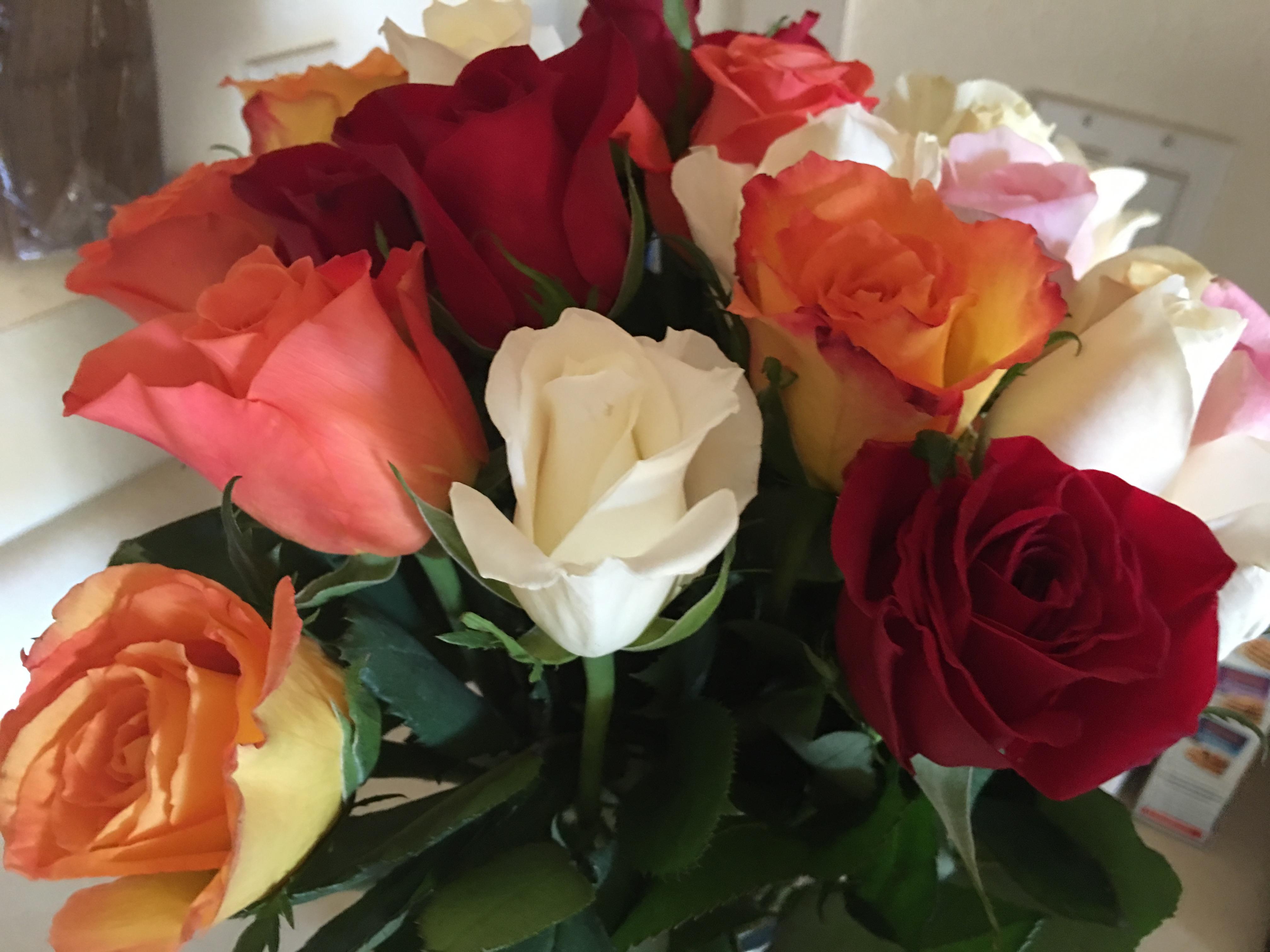
“Setting Fire to the Rose Garden” was my sixteenth poem for the Tupelo Press 30/30 Project last August. Many thanks to Lily June, who sponsored and provided the title.
Setting Fire to the Rose Garden
Each flower is a gift, a testament to
another morning’s arrival.
I watch you tend the firestar, its
mango-colored petals flirting with
the fire ’n’ ice’s elegant
red, accepting the pink indictment
of the flaming peace, and the
scarlet fireglow’s blush. You are like
a new sunlight crossing the day,
yet when I wave, a cloud passes over
you. Flames differ in this regard,
knowing they exist only as the product
of heat, oxidation and combustible
material, yet sharing their brief lives
with all who care to notice. I inhale
your dark thoughts, holding them
within, but later assemble my own
bouquet — wood chips and diesel
fuel, ground spinners, snakes,
strobes, rockets, candles, shells,
repeaters and a spark timer — and
plant it fondly in the garden. Oh,
how they’ll blossom before dawn’s
first touch. How they will shine.