It may interest you to know that I have, in some small way, aided and abetted a poetry-writing bot. It’s fascinating to read how the bot learned to write poetry.
To a Poem is a Bott the Stranger
14

It may interest you to know that I have, in some small way, aided and abetted a poetry-writing bot. It’s fascinating to read how the bot learned to write poetry.

Memorial Day, 2015
I turn away from the sun, and drink.
Every window is dark.
No one hears my song, not even the guitar.
When the rain pauses the grackle rests on the cedar picket.
Etymology: from Latin memorialis, of or belonging to memory,
leading to home and family, their connotations.
Remembering is simple, she says. But forgetting…
The coral snake slips by, unseen.
Nothing lives in my shadow.
“Memorial Day, 2015” first appeared at Picaroon Poetry in July 2017. Many thanks to editor Kate Garrett, for taking this piece.


My poem “Sometimes Love is a Dry Gutter” is featured at Vox Populi. I’m grateful to editor Michael Sims for taking this piece.

Memoir (Cento)
Your hands touched
everything. Will you
be a fountain
or a sea?
A woman sleeps next to me
on the earth. Now
nothing else keeps my eyes
in the cloud.
Each rock is news.
* * *
A cento is composed of lines from poems by other
poets. This cento originated from pieces in:
77 Poems, Alberto de Lacerda
Because the Sea is Black, Blaga Dimitrova
Body Rags, Galway Kinnell
Song of the Simple Truth, Julia de Burgos
Love Poems, Anne Sexton
For further information and examples of the form, you might peruse the Academy of American Poets site: http://www.poets.org/poetsorg/text/poetic-form-cento
This last appeared on the blog in May 2016.
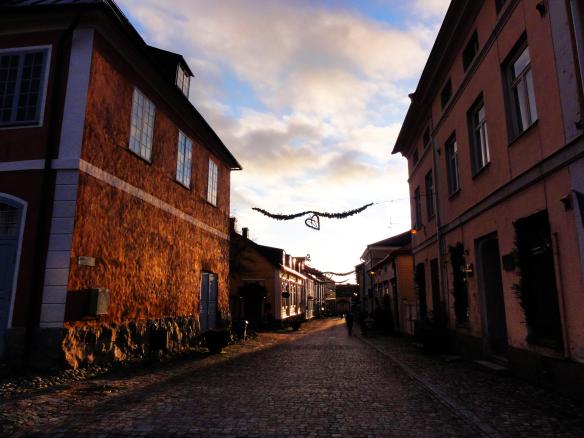
My poem “Helsinki” is live at Panoply. It was inspired in part by a Facebook thread on which editors commented on what caused them to instantly reject poems. One said beginning a poem at a window was cause for rejection. Hence the first line.

Insomnia
Lying awake
at two in the morning,
wondering
how a dog would suffer
sleeplessness –
silently, or with little
growls and snuffles,
scratching at its
padded bed
in exasperation,
circling, turning
back, again.
I roll to the left,
then to the right,
and flat on my back,
groaning at the pain
in my hip and the anger
of the day’s impending
bull on my shoulders,
and the looming
banshee cry
of that damned alarm.

Huazi Ridge
Limitless birds merging
with the autumn-colored hills
all along Huazi Ridge
this sadness, too, without end
Another adaptation. I hope that I’ve not strayed too far from the original’s tone.
The transliteration on Chinese-Poems.com offers:
Fly bird go no limit
Join mountain again autumn colour
Up down Huazi Ridge
Melancholy feeling what extreme
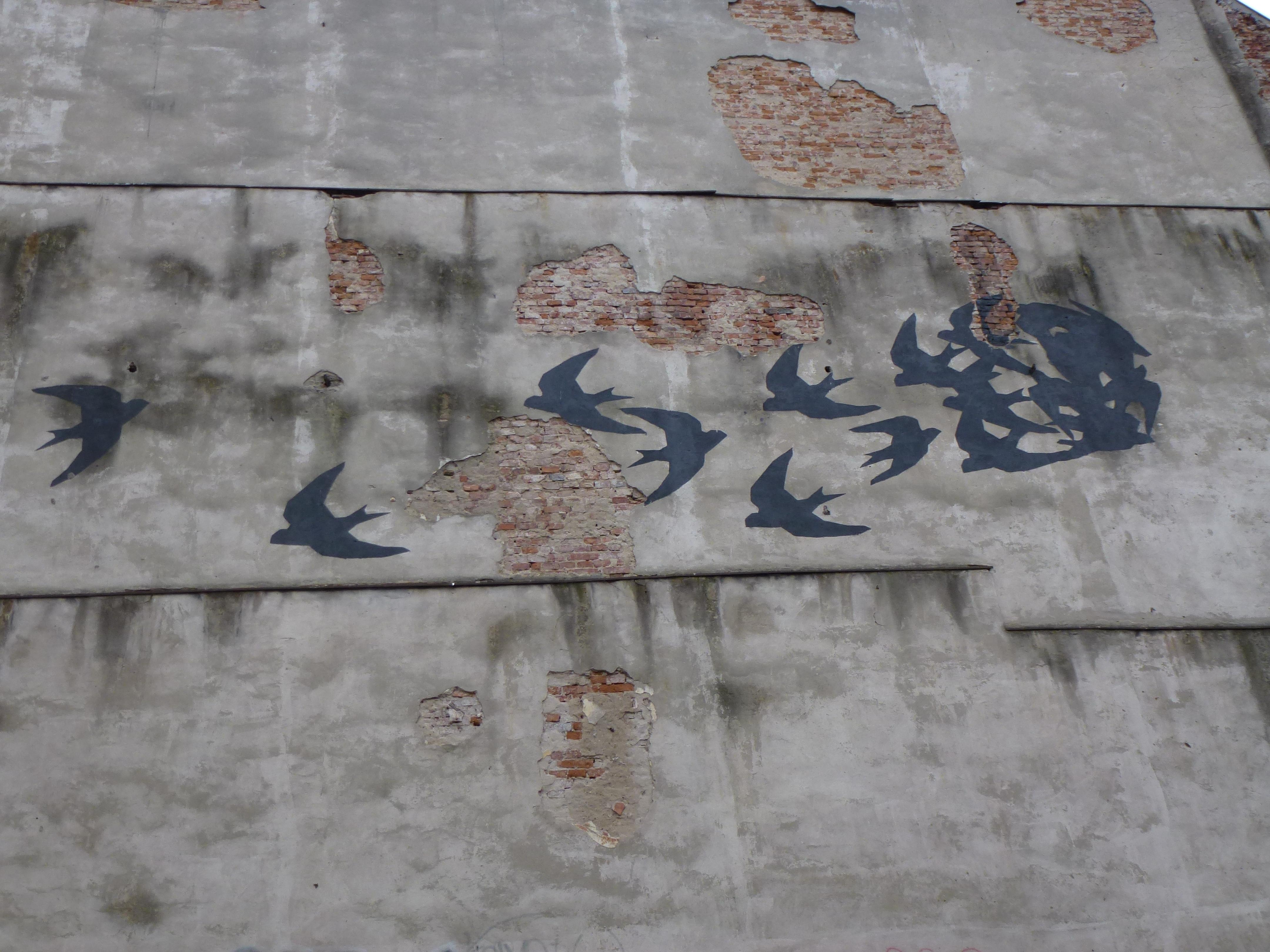
“Huazi Ridge” last appeared on the blog in June 2016.
My last five posts of 2017 are reruns of five of the most viewed posts on this site during the year.
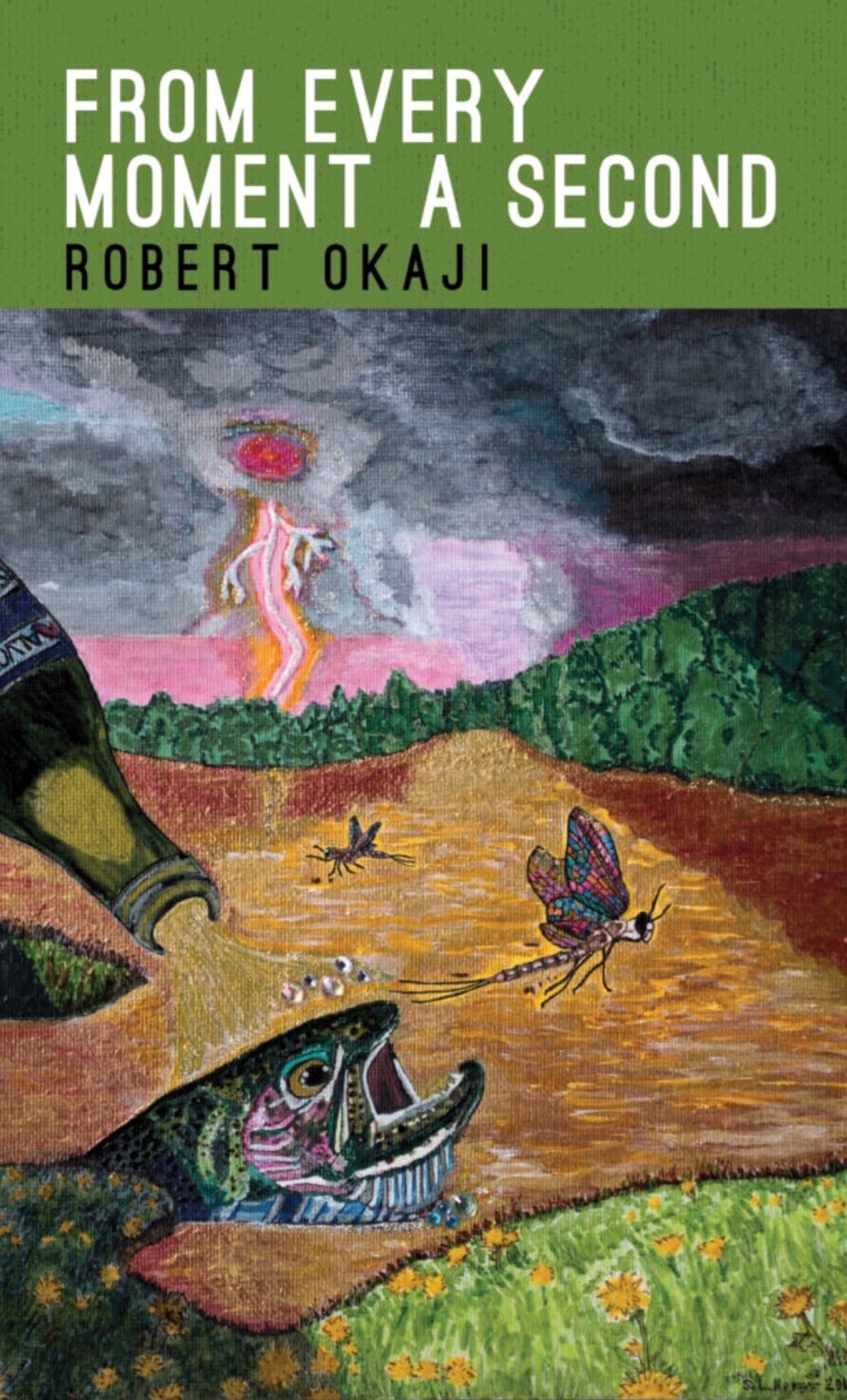 FROM EVERY MOMENT A SECOND
Robert Okaji
Finishing Line Press
2017
★★★★★
From Every Moment A Second, the latest chapbook by American poet Robert Okaji, is yet another meticulously crafted collection of observations, private austerities and hesitancies spelt out in verse. A small collection of twenty poems, each feels “warm”, like a cozy winter Sunday on your living room couch – to paraphrase Junichiro Tanizaki – lost in contemplation of flavours to come.
What makes it a five star collection is each poem is clear in its vision, each unambiguously a part of the greater gist of the book. Each line shows where lesser works ‘tell’, and thus this collection feels like a series of tiny one act plays. Part of this is how each line and stanza feels like it has been put exactly in its proper place, that any further edits would remove a character or…
View original post1,121 more words
* * *
It’s humbling yet fitting that the second most popular post on the blog in 2017 was actually a reblog from Daniel Schnee’s site.
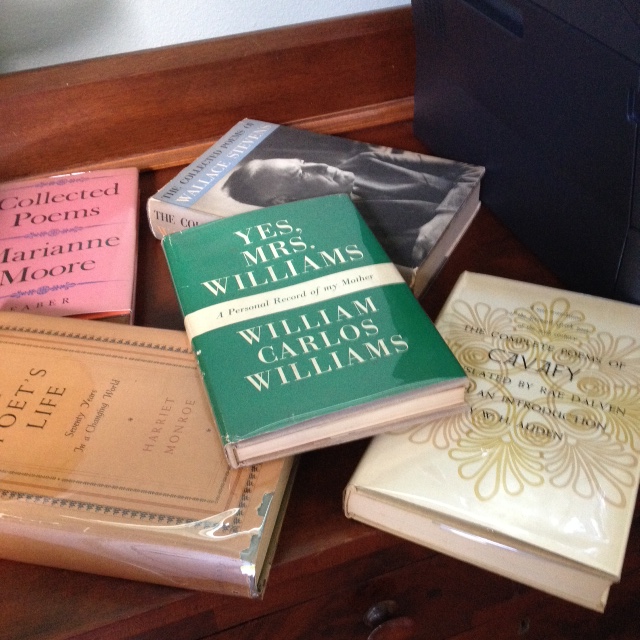
In another life books framed my days. I slept with them, dreamt about them, woke to their presence stacked by the bed and in various corners throughout the house, read them, handled them, discussed their merits with friends, co-workers, beer-drinking buddies, bartenders, customers, strangers, relatives, and even enemies. Traced my fingers slowly down their spines, identified some by odor alone, others by weight and feel. Bought, sold, cleaned, lent, skimmed, traded, gave, borrowed, collected, repaired, preserved, received. Traveled to acquire more, returned home to find still others languishing in never-opened, partially read or barely touched states. There were always too many. There were never enough.
The relationship began innocently. I’ve been an avid reader since the age of five, and over the years developed a knack for uncovering uncommon modern first editions. I’d walk into a thrift shop and spot a copy of William Kennedy’s first novel, The Ink Truck, snuggling up to Jane Fonda’s workout book, for a buck. Or at a small town antique store, something especially nice, perhaps a near-fine first edition of Cormac McCarthy’s Outer Dark, would leer at me from a dark shelf – $1.50. John Berryman’s Poems (New Directions, 1942) found me at a garage sale, for a quarter. Good Will yielded Pynchon’s Gravity’s Rainbow. There were others, of course. Many others.
I partnered with a few like-minded friends and opened a store, and when that didn’t work out, started my own home-based book business, which eventually expanded into a small brick-and-mortar shop, a true labor of love. And I mean labor. The forlorn space we rented was cheap and had housed for years a low-end, illicit massage parlor. Cleaning it out was, oh, shall we say interesting? I’ll never forget the furry massage table, the naked lady lamp or the various implements left behind after the joint was finally forced to close. But we hauled out the filthy carpeting, stripped and refinished the hardwood floors, fixed, painted and patched what we could, and hid what we couldn’t. It was exhausting, but well worth the toil.
My work schedule ran from Monday through Sunday, a minimum of eighty hours a week – in a seven-year period, I took off only two long weekends. It consumed me, but in the end I emerged mostly intact, a little more aware of my proclivities, of an unhealthy tendency to immerse myself wholly into an enthusiasm, to the detriment of family and friends. When we sold our store’s wares, I embraced the change; some dreams simply deplete you. But the itch remained.
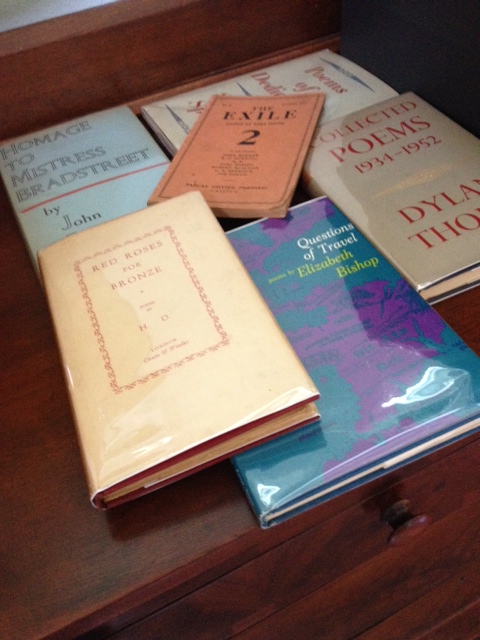
Just a few weeks ago I found myself perusing an accumulation of books in a storage facility across the street from a junk shop in Llano, Texas, a small county seat an hour’s drive west of my home on the outskirts of Austin. The shop’s owner had purchased an English professor’s estate, and judging by the collection, the professor had specialized in poetry. My first thought was “I want it all,” but reason set in (I could very well imagine my wife’s reaction were I to arrive home with a trailerful of books) so I glanced over the criticism, fiction, drama, essays and biographies, and concentrated on the poetry. In the end I walked away with thirty-one books, including H.D.’s Red Roses for Bronze (Chatto & Windus, 1931), Randall Jarrell’s Little Friend, Little Friend, Elizabeth Bishop’s Collected Poems and Questions of Travel, a brace of Berrymans – His Toy, His Dream, His Rest and Homage to Mistress Bradstreet – both the U.S. and U.K. first editions, which differ – and Love & Fame. A good haul, to say the least, but one that left me only partially satisfied and contemplating a return. But I remain resolute. So far.
As I said, the itch remains…
* * *
This first appeared in April 2015.

May you find peace and joy in the coming year.

