The Simplest Coercion

image


The Simplest Coercion

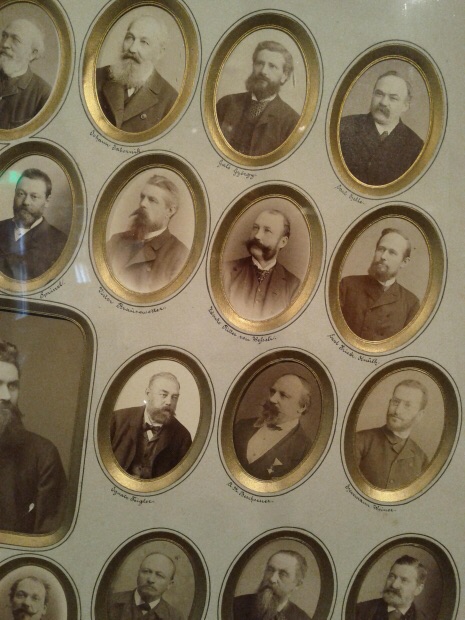
Each portrait betrays a similar
attraction: faces

swallowed by the artist’s
eye, his sight being

beyond optic, that assumption
inherent in every expression

but one. Yet this, the self-
portrait, reveals a hint

of secrets – an unwillingness
to confront,

the simplest coercion.


* * *


Another piece from the 80s…

image


This first appeared on the blog in May 2015.

To That Dismal Train Somewhere Near Banff


To That Dismal Train Somewhere Near Banff

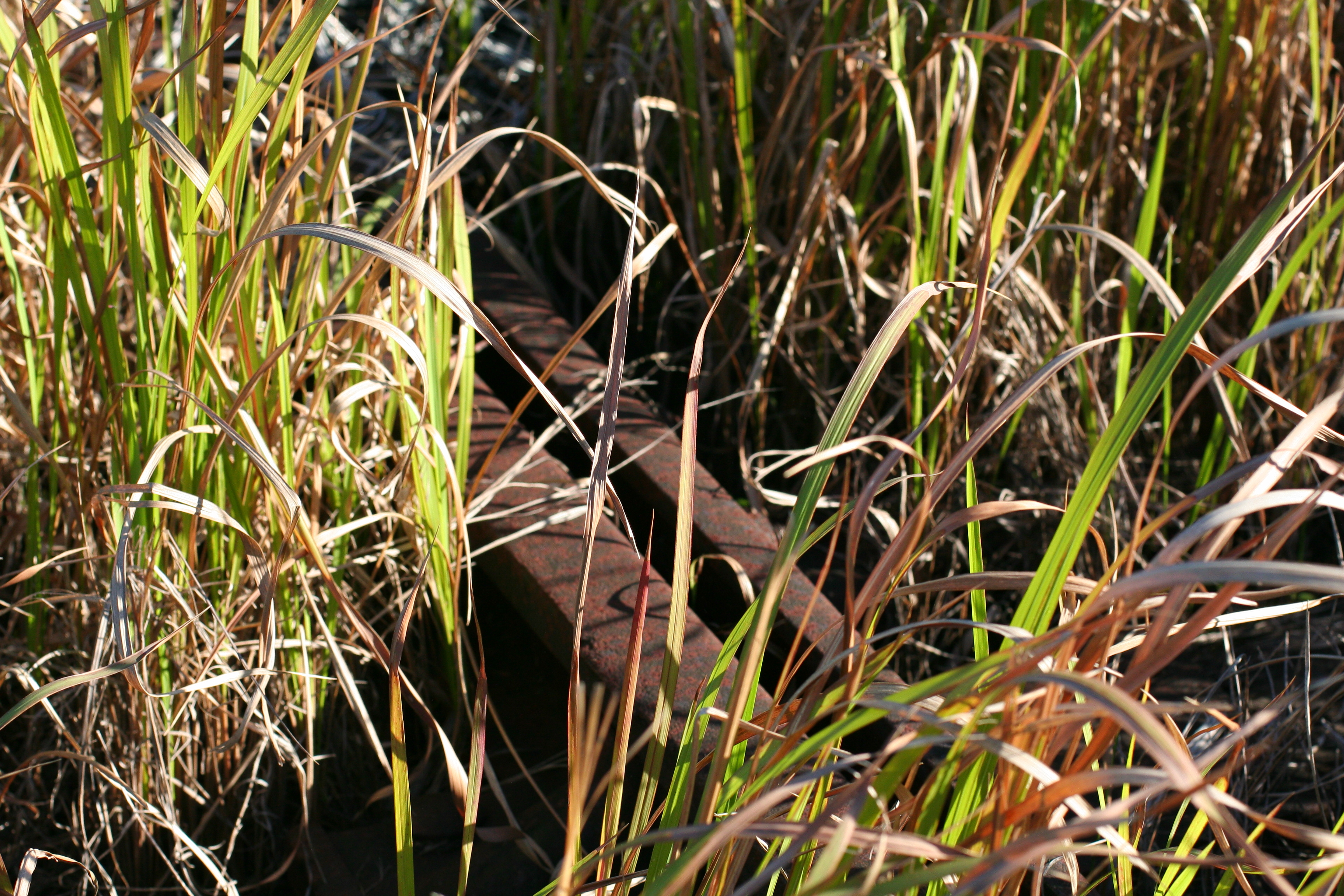
Forgotten, you settle into the earth,
naming stones for each destination missed –
Kamloops, Jasper, Lake Louise – which is worth
each open-mouthed coin laid on the rail, kissed

and reformed into altered currency
no longer capable of carrying
debt or a tourist’s sense of urgency,
only dying days and the wearying

plight of the unmoved. If vines caress your
body, who’s to blame for accepting their
advances? When green subsumes rust, deplore
that too, but enjoy the moments you share,

leaf on metal and glass, the raspy light
tonguing your throat through those long, whistling nights.


Send Your Poem to the Moon

Send Your Poem to the Moon

treecloud

That’s right, the moon! Brick Street Poetry Inc. will be publishing three volumes of an international anthology which will be launched aboard the Space X flight scheduled to depart for the South Pole of the Earth’s moon in 2023. The deadline (February 15!!!) is fast approaching, so please click on this link to check out submission details and the themes for the anthologies. The goal is to include a new poem from every country on Earth.

Apricot House (after Wang Wei)

file000532973761


Apricot House (after Wang Wei)

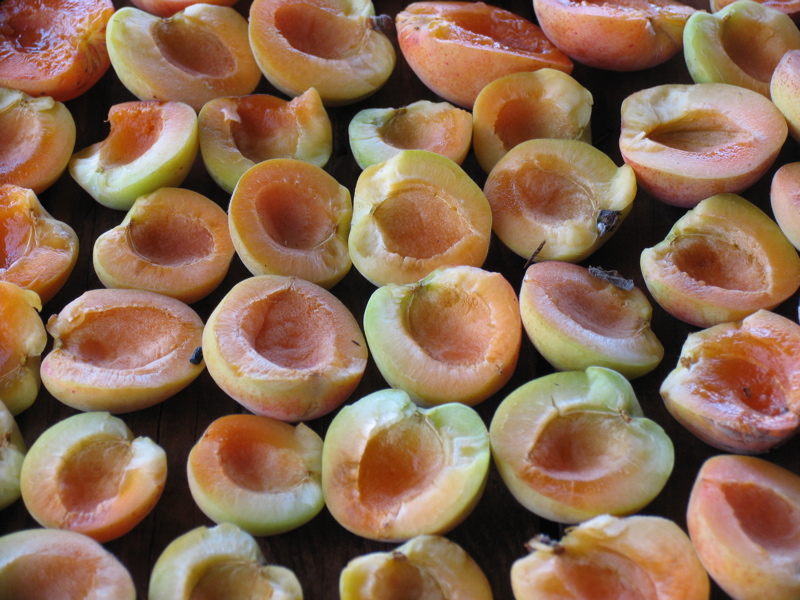
We cut the finest apricot for roof beams
and braided fragrant grasses over them.

I wonder if clouds might form there
and rain upon this world?


The transliteration on Chinese-poems.com reads:

Fine apricot cut for roofbeam
Fragrant cogongrass tie for eaves
Not know ridgepole in cloud
Go make people among rain

Each adaptation poses its challenges, and this one was certainly no exception.
First I identified key words and determined how or whether to use them.
Apricot, roofbeam, cogongrass, eaves, ridgepole, cloud, people, rain.

Apricot was a given. It offered specificity, and feels lovely in the mouth. Roof beams, as well. Cogongrass didn’t make the cut. It is indeed used for thatched roofs in southeast Asia, but it felt clumsy; in this case, the specificity it lent detracted from my reading. And rather than use “thatched” I chose “braided” to imply the layered effect of thatching, and to imply movement, to mesh with and support the idea of clouds forming and drifting under the roof. “Not know” posed a question: did it mean ignorance or simply being unaware, or perhaps a state of wonderment? I first employed “unaware” but thought it took the poem in a different direction than Wang Wei intended (but who knows?). “Ridgepole” seemed unnecessary. So I chose to let the reader follow the unsaid – using “form there” to reinforce the impression already shaped by the roof beams and the grasses “over them.” I admit to some trepidation over the second couplet. It may still need work.


clouds

“Apricot House” first appeared here in December 2014.


Bowls, Emptied

bowls

Bowls, Emptied

I picture them always separate, unfilled, never nested among the others.

In descending order: yellow, green, red. The missing blue.

Concave, hollow, hemispherical, freed of conscience.

Other images – the skies, denser with age.

You stirring with a wooden spoon, cigarette smoldering nearby.

Or the itinerant smell of new sod and wet soil.

My knee aches whenever I traverse stairs or turn quickly.

Which holds more grief, these vessels or memory’s lapse?

Inverted, their capacity remains constant as the heavens, dark or light.

The paling dome, a memory of freshly pulled onion.

Squatting, you would patiently pluck weeds.

I bite my tongue and kneel to place the flowers.

Near this stone, where the crickets chirr and dew worms burrow.

By this mound and these blades of near-silent grass.

Where I accept this moment’s offering. And you do not.
OLYMPUS DIGITAL CAMERA

Snow with Moose

OLYMPUS DIGITAL CAMERA

Snow with Moose

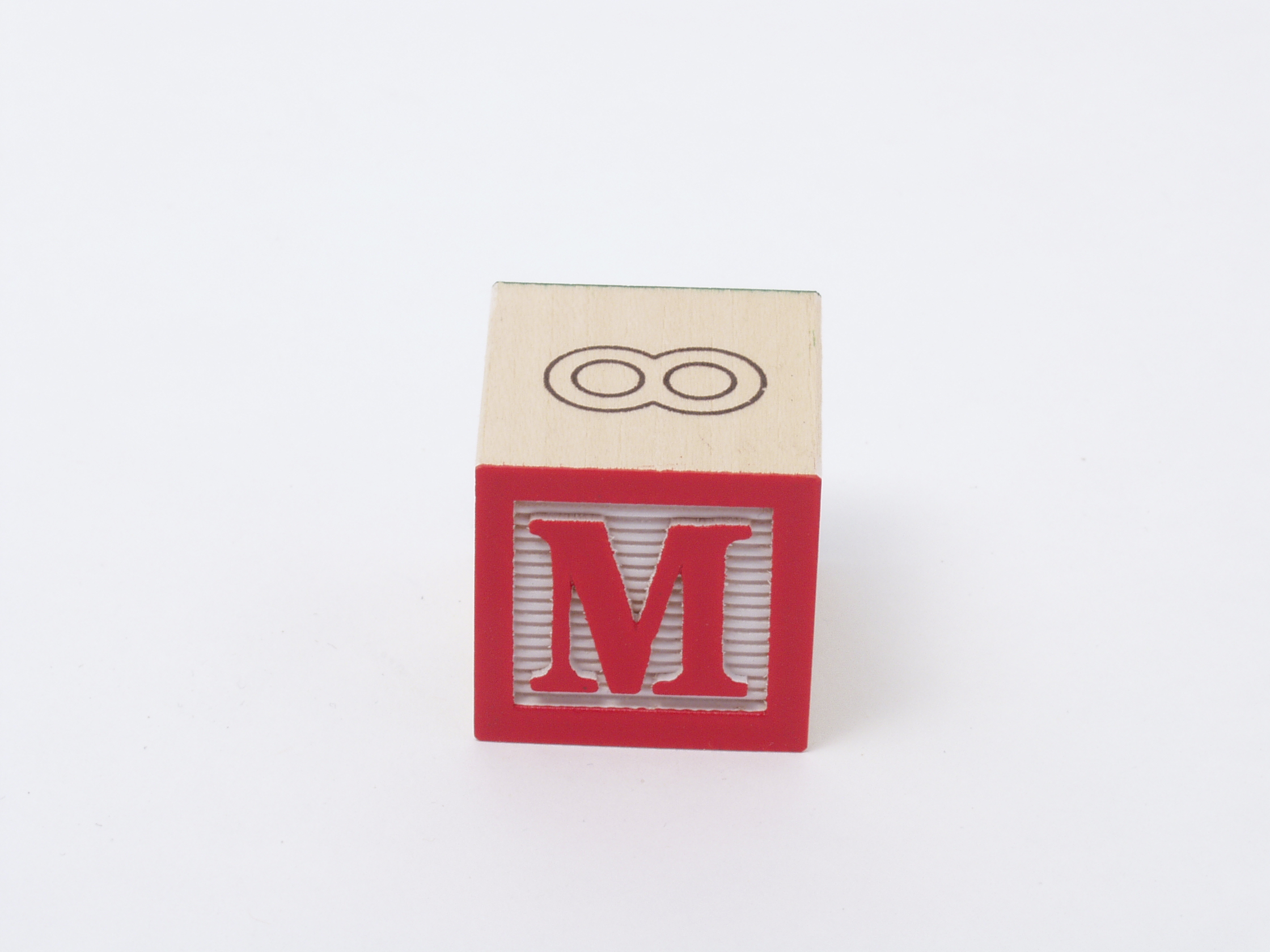
Guide to the incremental, to the sifted mass. The Phoenician mem shifted
shapes, but always suggested water.

Moose likely derives from the Algonquian descriptor “he strips away.”

The Japanese character for water, mizu, evokes currents.

Moose are solitary creatures and do not form herds. A bilabial consonant,
M is a primary sound throughout the world.

The prehensile upper lip undresses branches and grabs shoots.

Wavering, I share the lack of definition, of clarity in design and choice.

The sound is prevalent in the words for mother in many unrelated tongues,
from Hindi to Mandarin, Hawaiian to Quechua, and of course English.

Eleven strokes compose the Japanese character for snow.

A smile would reveal no upper front teeth.

Long legs enable adults to manage snow up to three feet deep. Under water,
individual flakes striking the surface sound similar, despite size disparities.

It can also accurately be classified as a mineral.

Solitude to connection, dark on white. The lone traveler.

moose

“Snow with Moose” first appeared here in December 2015.

Directive to the Circumspect Texan

image

Directive to the Circumspect Texan

When the vowel trips through the consonant and knots
the tongue, remember this: artifice. A making. In one

hand, a knife. On the table, cured flesh and fermented
products. Imagine uncertain lighting, laughter, a narrow

opening and the uphill walk three days into the parametric
world of occlusion. Tell no untruths. Mention refrigerators

and your proficiency with duck. Admit failure and order
a second pilz. Listen. Discuss heat and issues of space,

personnel logistics and the pleasure of July departures.
Cite advertising and Ashbery. Savor what is rightly not

yours. Embrace inadequacy. Forego dessert. Express
true gratitude. Say y’all. Shake hands. Find the door.

image

“Directive to the Circumspect Texan” first appeared here in December 2015.

Nocturne with a Line after Kees

country


Nocturne with a Line after Kees

I close my eyes and see nothing but rain.
And after, take pity

for what turns beyond sight: the wretched
flower, a hiss from the road. Last night the wind
stole sleep from my body,

leaving me alone, wordless, listening
for her next breath. An alchemist,

I transmute the memories of old wounds laid open.


*****

This first appeared in Ijagun Poetry Journal, in December 2013.


Antique pharmacy


After Before

mantis

After Before

A return to that
time when silence

reigned. The neighbor’s
guinea fowl have long

departed, but three cedars
drop needles in the driveway

even as reluctant growth
pushes out from the oaks’

limbs. Nothing circles
below the clouds, no

roosters crow. Feeders
hang still and empty.

The wrens remain
cloistered. You read

these events as separate
birdless chapters, all

hushed in the dappled
air, passages carried

yet confined by nearly
soundless threads

suspended from the
persimmon tree. You admit

a status as sentient
protein, one meal among

many, while you rest
and absorb

the soft ticking
of eighteen eager

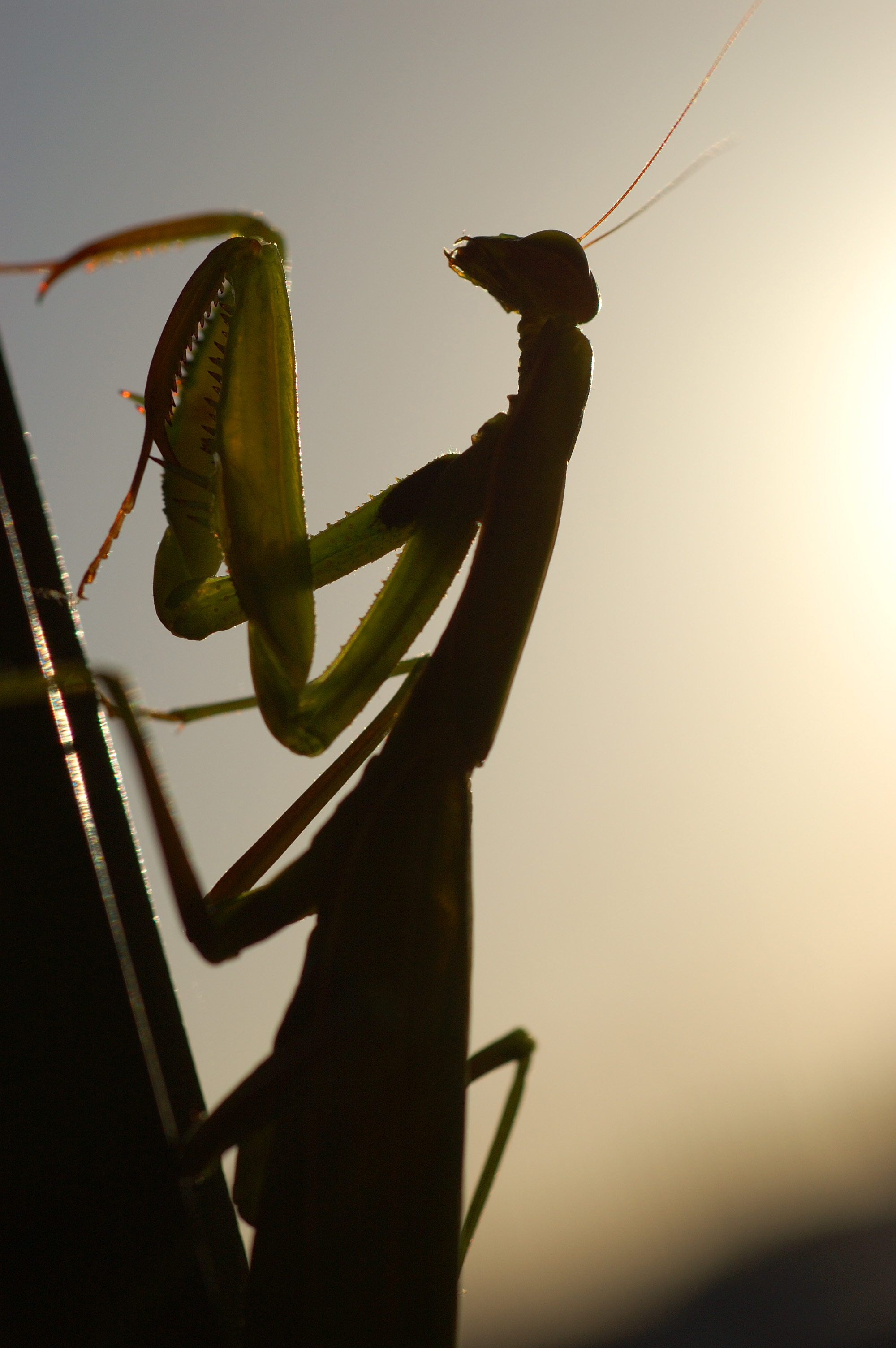
juvenile mantises
on the porch screen.

feeder

“After Before” first appeared here in December 2015.

Lake Pavilion (after Wang Wei)

file000774486365

Lake Pavilion

The boat carries the honored guest
so regally across the lake.
We look out over the railing and sip our wine.
Lotus blossoms, everywhere.

As is nearly always the case, I had more questions than answers when I first considered this adaptation, beginning with “what is happening here?” Yes, someone crosses a lake to meet a guest, they drink wine and see flowers in the water. But what does this signify? From my 21st century Texan viewpoint, the poem seems to be a piece about spiritual passage, and I colored my version with this in mind, using visual references to capitalize on and support the theme – crossing a body of water, looking outward, and of course, observing the lotus flowers, which hold great symbolism in Chinese and Buddhist culture.

The Chinese-poems.com transliteration:

Small barge go to meet honoured guest
Leisurely lake on come
At railing face cup alcohol
On all sides lotus bloom

SAM_3355

This first appeared on the blog in November 2014. My, how time has passed.