Unknown's avatar

About robert okaji

At one time I was a sailor. I once owned a bookstore. I live in Texas with my wife, two dogs, and a few books.

The Color of Water

SONY DSC

The Color of Water

Eyes the color of water. The tree I cut down
returns: fallen leaves, smoke, the missing

shade, memory come to reflect
emotion. Once the blue grosbeak

hid in its branches, calling but refusing
to appear, the voice our only consolation.

Now rain streaks the empty space.
Those things we touch often bruise,

but to leave them untouched may harm us
even more. Two days ago the sky cleared.

Changes, how often we see them for what
they are not. An essential falsity. Those eyes.

Words, ever-changing. Shadows of lovers
whose bodies merge but never touch.

file731340645452

This first appeared on the blog in March 2015.

Nocturne with a Line from Porchia

bureau


Nocturne with a Line from Porchia

Everything is nothing, but afterwards.
I rise and the moon disturbs the darkness,
revealing symbols, a few stolen words
on the bureau. Tomorrow I’ll express
my gratitude by disappearing be-
fore I’m found, which is to say goodbye
before hello, a paradigm for the
prepossessed. Compton tells us to imply
what’s missing, like Van Gogh or Bill Monroe,
but why listen to the dead before they’ve
stopped speaking? Unfortunately we throw
out the bad with the good, only to save
the worst. I return to bed, and the floor
spins. Nothing is everything, but before.


* * *

This first appeared in The Blue Hour Magazine in December 2014, and is also included in my chapbook, If Your Matter Could Reform. The line “Everything is nothing, but afterwards” comes from Antonio Porchia’s Voices, translated by W.S. Merwin. Porchia wrote one book in his lifetime, but what a book it was! Often described as a collection of aphorisms, Voices is so much more – each time I open the book, I find new meaning in old lines.

Vincent


Patterns

dead-dahlia(1)

Patterns

For one who moves in uncertainty, this
flower, the petals of which

gently fade, as if reason
is found in the decline of beauty
and its comforts.

But all you touch remains
touched. If silence reveals the body

of music, what can be said of darkness? Words
appear motionless until they blossom, a
pattern seldom seen yet carried to us in

all manner of conveyance. Listen,
for there is no purer voice.

Let the earth speak.

file6581268573240

“Patterns” first appeared here in March, 2015. I wrote it 30-some years ago, placed it in a folder and promptly forgot it.

Calm

DSC_0002


Calm (after H.D.)

I flow over the ground,
healing its hidden scar–
the scar is black,
the bedrock risen,
not one stone is misplaced.

I relieve the ground’s
burden with white froth,
I fill and comply—
I have thrown a pebble
into the night,
it returns to me,
settles and rises,
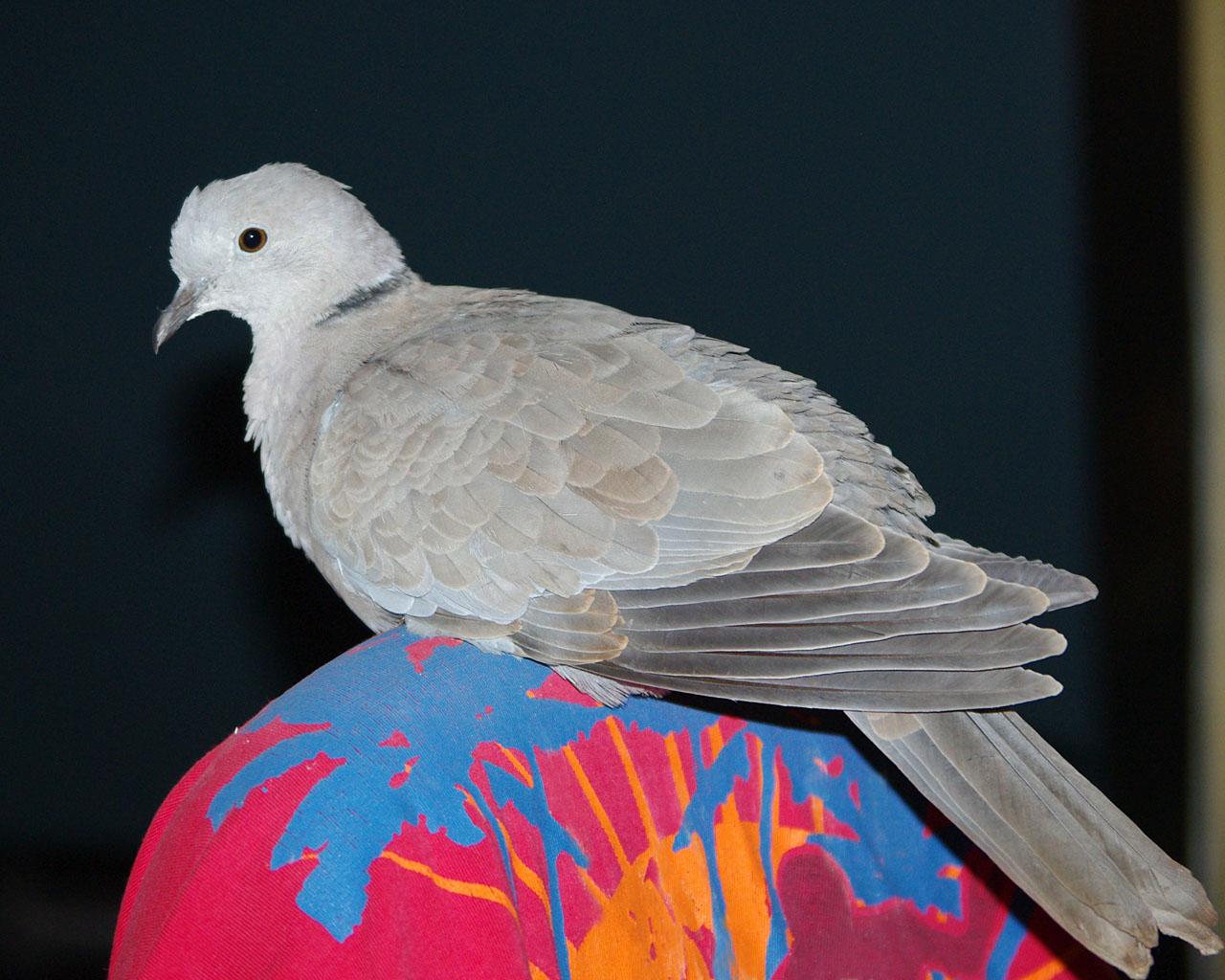
a white dove.


* * *

“Calm” is included in my micro-chapbook Only This, which is available via free download from Origami Poems Project. It made its first appearance here on the blog in March 2015, and was written as an exercise, using a poem, “Storm,” by H.D. as the launching point. I’ve tried to emulate her diction and rhythm, with mixed success. Still, it’s fun to try these on occasion.


collareddove48d1

The Fullness That Precedes

image


The Fullness That Precedes

it is not
the moon but
rain that attracts

me to this
place no faint
light no shadow

but the fullness
that precedes its
history that of

magic from nothing
to nothing by
which one may

discern perfection a
cloud the solitary
note of distraction


image


Written in the 80s, “The Fullness That Precedes” first appeared here in May 2015.

Requiem II (with recording)

image


Requiem II

To say what becomes: this word
bends in the wind of our

breath. Is this too simple to
say? Our bodies gather yet retain

nothing. Numbers, phrases, the way
the ocean rolls. Once I saw
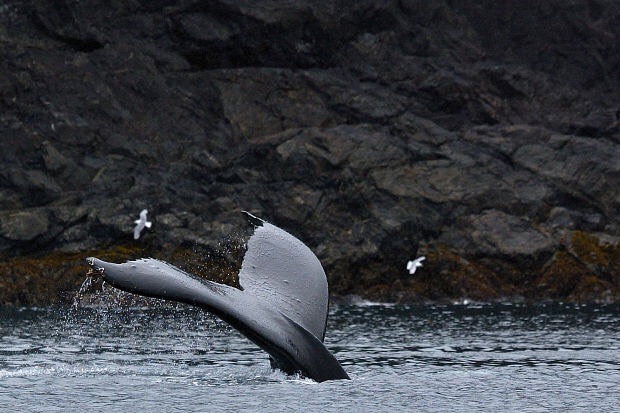
a whale at dusk. Or rather I saw its

tail part the water and disappear
into darkness, an answer too complex
and sweet for tongues to comprehend.

But waves seldom explain. Imagine
something nearby but beyond reach.

Think of clouds and shrines, consider light.


image


“Bittersweet” Kevin MacLeod (incompetech.com)
Licensed under Creative Commons: By Attribution 3.0 License
http://creativecommons.org/licenses/by/3.0/


In Praise of Chiggers

In Praise of Chiggers

And the others
feasting unseen
upon you,
offering their
blessings
of digestive juices
and anticoagulants,
allergic reactions and
reddened mounds
made pleasurable
by your fingernails
scraping the skin
around them, over
and raw, again,
again, it feels
so good!

“In Praise of Chiggers” first appeared here in August, 2017.

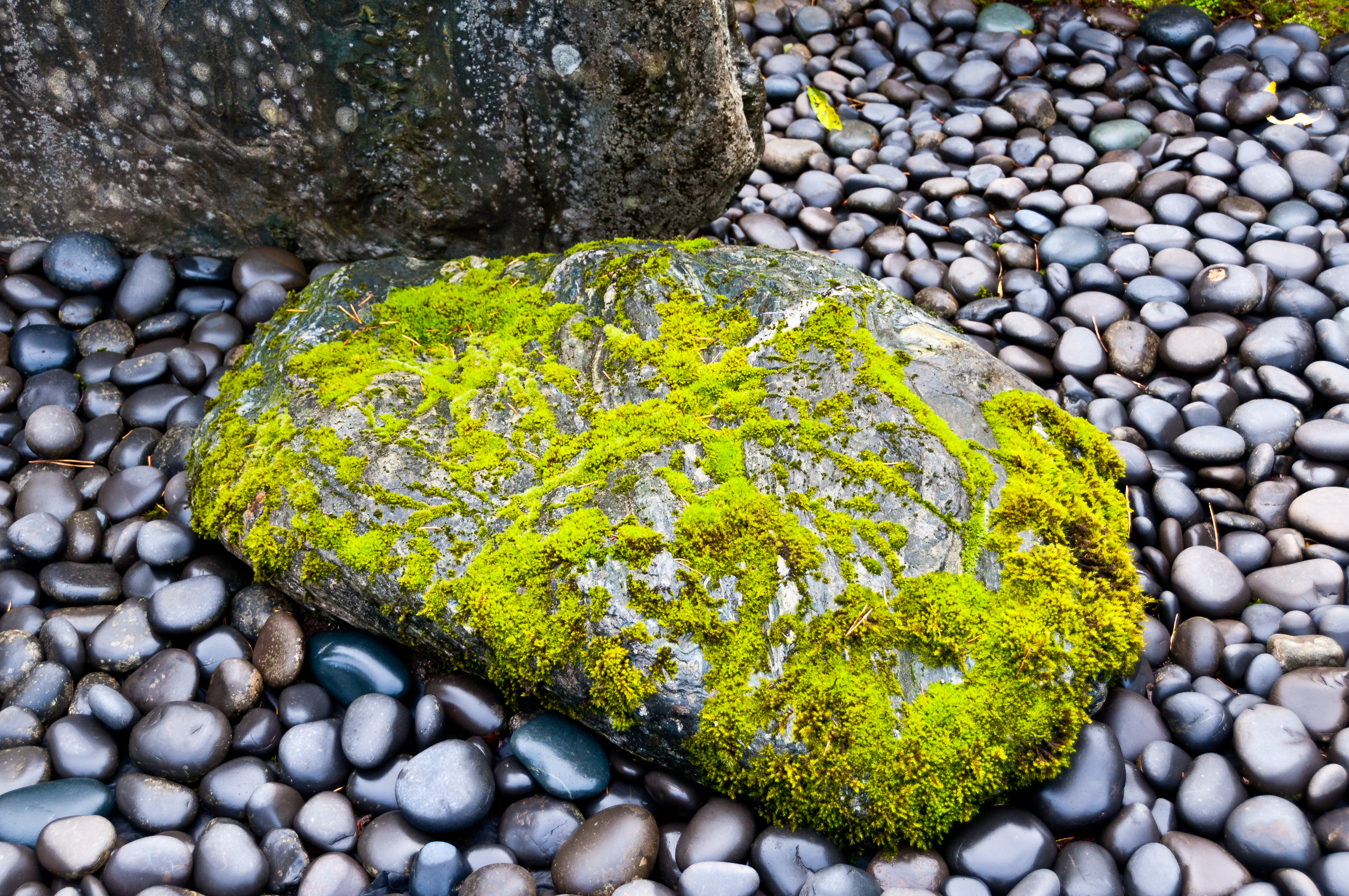
Japanese Gardens

file3011293816499


Japanese Gardens

how natural the
lines falling so
purely as if

with a single
stroke we walk
through the opening

and see space
the white center
composed of sand

and gravel later
a gate opens
to another garden

its lantern and
stone so carelessly
arranged so deliberate


file3041292222348

“Japanese Gardens” first appeared here in January 2015.


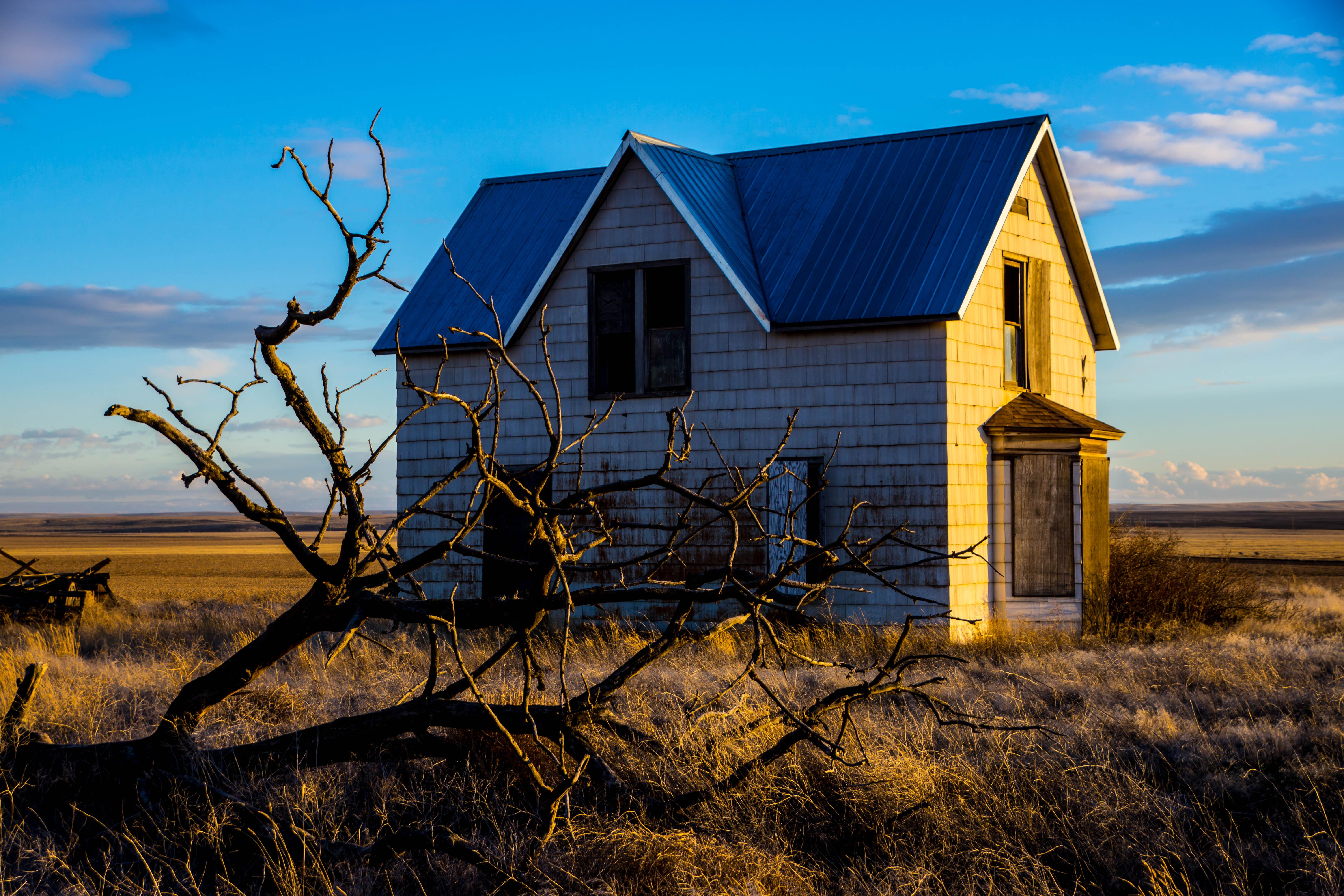
Home: Living Between


Home: Living Between

My younger self dwelled in shadows propelled by light.
Indigo to ebony, in variant shades.

Concealed in language and skin, surrounded by shelved words.
Departed friends. Grass grown tall or baked to a brittle yellow.

The central order of a life arranged in sequence, orbiting through mother,
father, sister and passers-by glancing through our windows.

A parachute of discomfort billowing in the blue.
Distance and uncertainty beyond the nuclear family.

Acknowledging the new, still I looked inward.
The house as structure, as symbol, but always impermanent, unattainable.

Not rejection, but a liminal sense of being, of place.
Faces changed, but books carried me from city to state to country.

Translated from three views and speaking in brushstrokes across the wall,
slowly filled from edge to center, layer upon layer.

Containment, conjunction, circumstance. Triangle to circle.
No headstones mark my locus, no place bears my name.

Borders, the threshold of shared lives.


* * *

“Home: Living Between” was originally published at Allegro Poetry Magazine.  Thank you, Sally Long, for taking this poem.