Bright Autumn Moon (after Su Shi)

AWcaQQ1a

Bright Autumn Moon (after Su Shi)

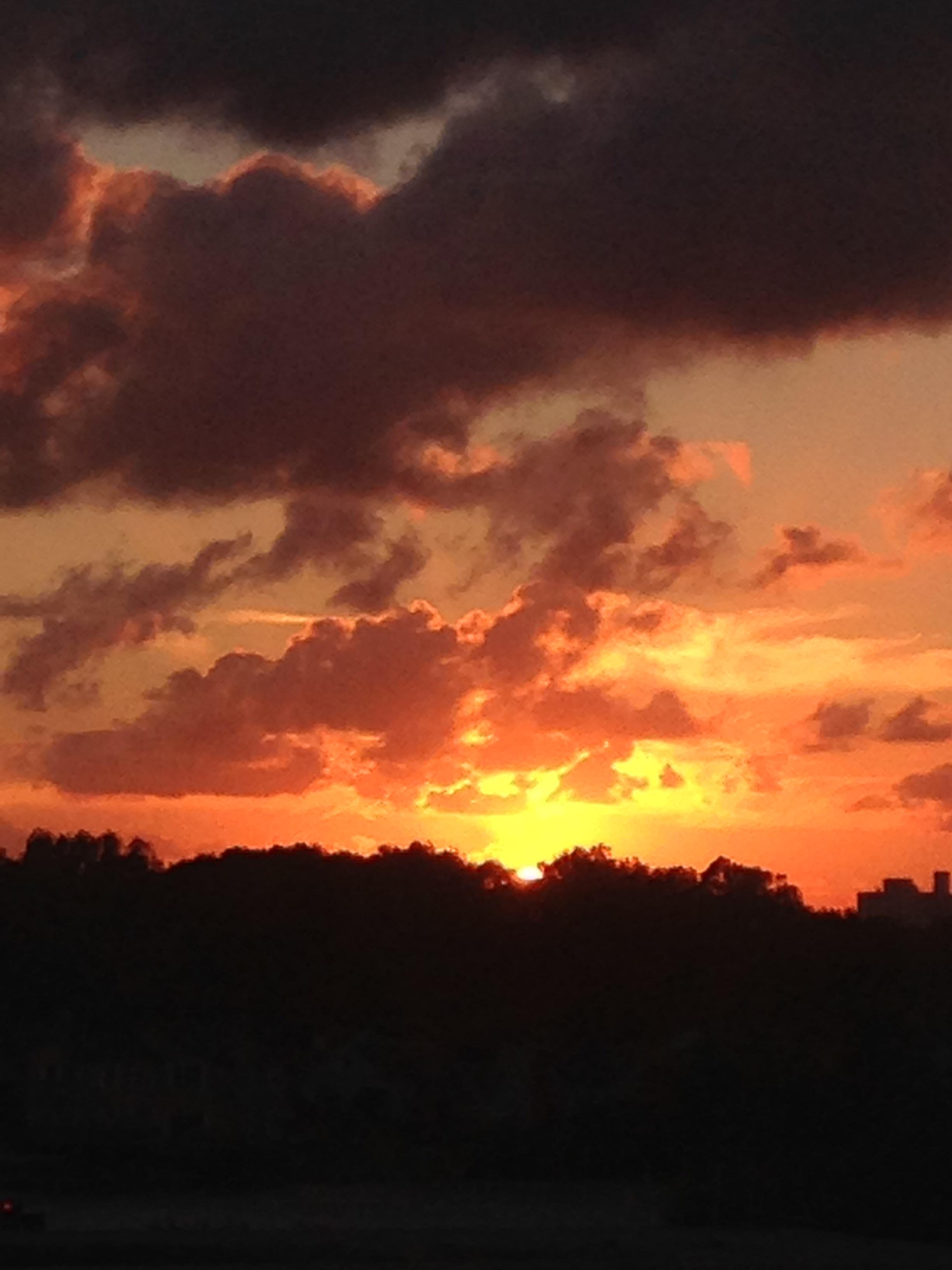
Clouds gather on the horizon, but here
it’s clear and cold as the silent Milky Way
and the stone of heaven, turning.
My life, like this night, will not last long.
Where will the bright moon find me next year?


The transliteration on Chinese-poems.com reads:

Mid-Autumn Moon

Sunset cloud gather far excess clear cold
Milky Way silent turn jade plate
This life this night not long good
Next year bright moon where see


Jade was also known as the “stone of heaven” and was considered a bridge
between heaven and earth. It made more sense to me in this context. I’m clearly
taking license here…

NIGHT SKY 3


#poetry open call for submissions

Submit your vulture poems!

dellisphelps's avatarformidable Woman sanctuary

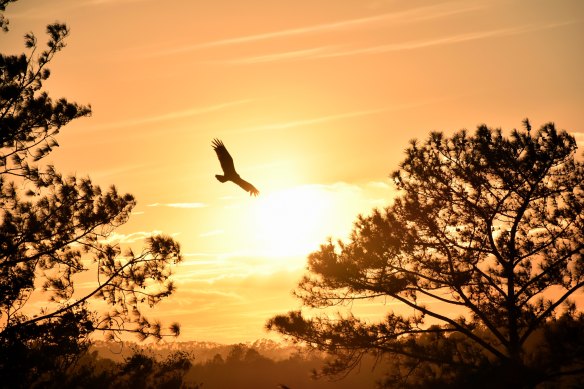
Photo by Sam Bark on Unsplash

To be eaten by that beak
and
become part of him, to share those wings and those eyes–
What a sublime end of one’s body, what an enskyment; what a life
after death.

~Robinson Jeffers
from “Vulture”

enskyment

(working title, forthcoming Spring 2020, Moon Shadow Sanctuary Press).

Submit 3-5 poems about vultures or poems that feature a vulture somewhere within the poem. Deadline: Jan. 1, 2020

Poems may be unpublished or previously published,
but if they are previously published, please include an acknowledgement
also indicating that you retain the publication rights. If you do not
retain the rights to the work, please include contact information for
requesting permission to reprint.

Submit your poem in a word document using Times New
Roman 12pt font. Remove all identifying information from the file name
and from the document. Include a separate, brief cover letter with

View original post 122 more words

You Say Cicada, Which Shrivels My Ears

Status

robert okaji's avatar


You Say Cicada, Which Shrivels My Ears

I say cicada, the difference lurking in the middle,
like the shortest dancer in an off-Broadway musical,
or a note hidden between two reams of legal paper
in the supply room of a well-appointed dentist’s
office, where you find yourself, by accident, searching
for the exit. But think how our sap-sucking friend must
feel, a foot underground, during its final instar phase,
reversing course, leaving behind the darkness
and moist roots, burrowing up through the soil
toward light and the shrug into maturity. And after
that, squeezing through a crack in what had been
itself, emerging, soft and vulnerable, slouching to the
inevitable call. I think of ecdysis, how we, too, shed
ourselves, leaving behind remnants, old skin and
armor, and rising, on occasion, wiser, softer, more
complete. But sometimes we try to reenter those
discarded shells. My acquaintance searches through
the past for bits of himself, purchases toys – marbles,
pocket knives – stitching together a semblance of the
old comfort. He keeps, in one jar, three teeth from his
childhood, in another the exuviae of a half-dozen
scorpions. How delightful it would be, he says, to
abandon your hardened self and become someone
new. He looks to the ground. I nod, and whisper.


“You Say Cicada, Which Shrivels My Ears,” appeared in the inaugural issue of Claw & Blossom, in July 2019. The poem was originally written during the August 2016 30-30 challenge. I’m grateful to Sunshine Jansen, who sponsored the poem and provided three words to be included in the piece: instar, ecdysis, and sap-sucking. Thank you, as well, to editor C.B. Auder for accepting the poem.



Dream of Wheels and Lights

file2441309730955


Dream of Wheels and Lights

Bells clang in the night. The lamp post belted
by mist offers little comfort. A stone’s
toss away junipers curved like melted
spoons shudder silently. There are no phones
in this place. A thought sneaks into your mind
quietly, like a straw piercing the oak’s
armor in a bad wind. You turn and grind
the thought with your heel. A wheel rolls by, spokes
flashing like scythes. Crouching by a puddle
a man studies his face. He looks at you
and cries: “All I want is to be subtle.”
You think you know him, but you’re not sure who
he used to be. You throw a rock and shout
at him. The wheel slows and the light burns out.


Originally published in Amelia, in 1985, and posted here in March 2015. I remember writing this, but it still puzzles me.


photo(5)


Calm

DSC_0002


Calm (after H.D.)

I flow over the ground,
healing its hidden scar–
the scar is black,
the bedrock risen,
not one stone is misplaced.

I relieve the ground’s
burden with white froth,
I fill and comply—
I have thrown a pebble
into the night,
it returns to me,
settles and rises,
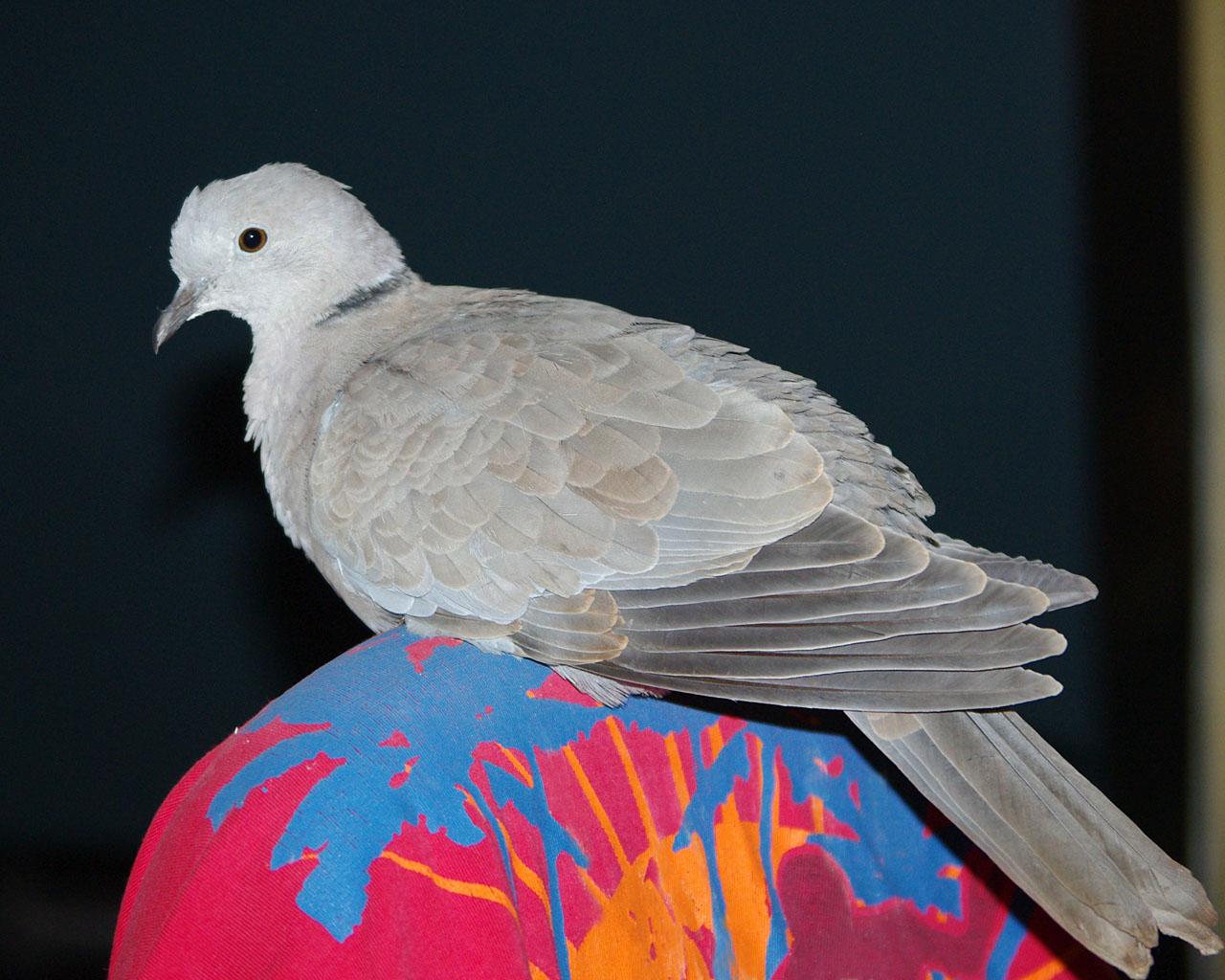
a white dove.


* * *

“Calm” is included in my micro-chapbook Only This, which is available via free download from Origami Poems Project. It made its first appearance here on the blog in March 2015, and was written as an exercise, using a poem, “Storm,” by H.D. as the launching point. I’ve tried to emulate her diction and rhythm, with mixed success. Still, it’s fun to try these on occasion.


collareddove48d1

Nocturne with a Line from Porchia

bureau


Nocturne with a Line from Porchia

Everything is nothing, but afterwards.
I rise and the moon disturbs the darkness,
revealing symbols, a few stolen words
on the bureau. Tomorrow I’ll express
my gratitude by disappearing be-
fore I’m found, which is to say goodbye
before hello, a paradigm for the
prepossessed. Compton tells us to imply
what’s missing, like Van Gogh or Bill Monroe,
but why listen to the dead before they’ve
stopped speaking? Unfortunately we throw
out the bad with the good, only to save
the worst. I return to bed, and the floor
spins. Nothing is everything, but before.


* * *

This first appeared in The Blue Hour Magazine in December 2014, and is also included in my chapbook, If Your Matter Could Reform. The line “Everything is nothing, but afterwards” comes from Antonio Porchia’s Voices, translated by W.S. Merwin. Porchia wrote one book in his lifetime, but what a book it was! Often described as a collection of aphorisms, Voices is so much more – each time I open the book, I find new meaning in old lines.

Vincent


My Poem “Lying in Bed I Think of Breakfast” is Up at The Big Windows Review


My poem “Lying in Bed I Think of Breakfast” is featured at The Big Windows Review. Thanks to editor Thomas Zimmerman for accepting this piece.


One

number-one


One

I am Brahma
the straight line, the upright being,

fire that flares,
seed without end, manifold

self beyond all
polarity, radiating sun:
the all.

Philosophers considered one a non-number,
generatrix of all that follows.

Other.

The singularity. The lone.

From the Indo-European oi-qos we achieve solitude,
while the collective meaning of one derives from the Sanskrit sam.

United in itself, it changes nothing,
becoming everything.

On its side it represents the horizon.

Alone is all-one.
The Latin non is one negated, as is the German nein.

Symbol of intellect, the Hindu moon glows wide.
Atomic number of hydrogen, magician’s numeral,

monad and eccentric, I bear the empty product.


one on side

“One” last appeared here in September 2018.

The Real Question


The Real Question 

I ask myself why I mourn
what has not yet

occurred. Will that last fledgling
fly or will a snake swallow

its gravity before descending
to a separate end? Coffee

darkens the carafe and an egg
poaches amidst the scent of basil.

Sprinkling parmesan on buttered
toast, I wonder where to unearth

the real question, when to look
into its eye. How to read its grief.


“The Real Question” was first published in After the Pause in June 2019. Thank you, Michael Prihoda, for accepting this piece.

Letter from Austin

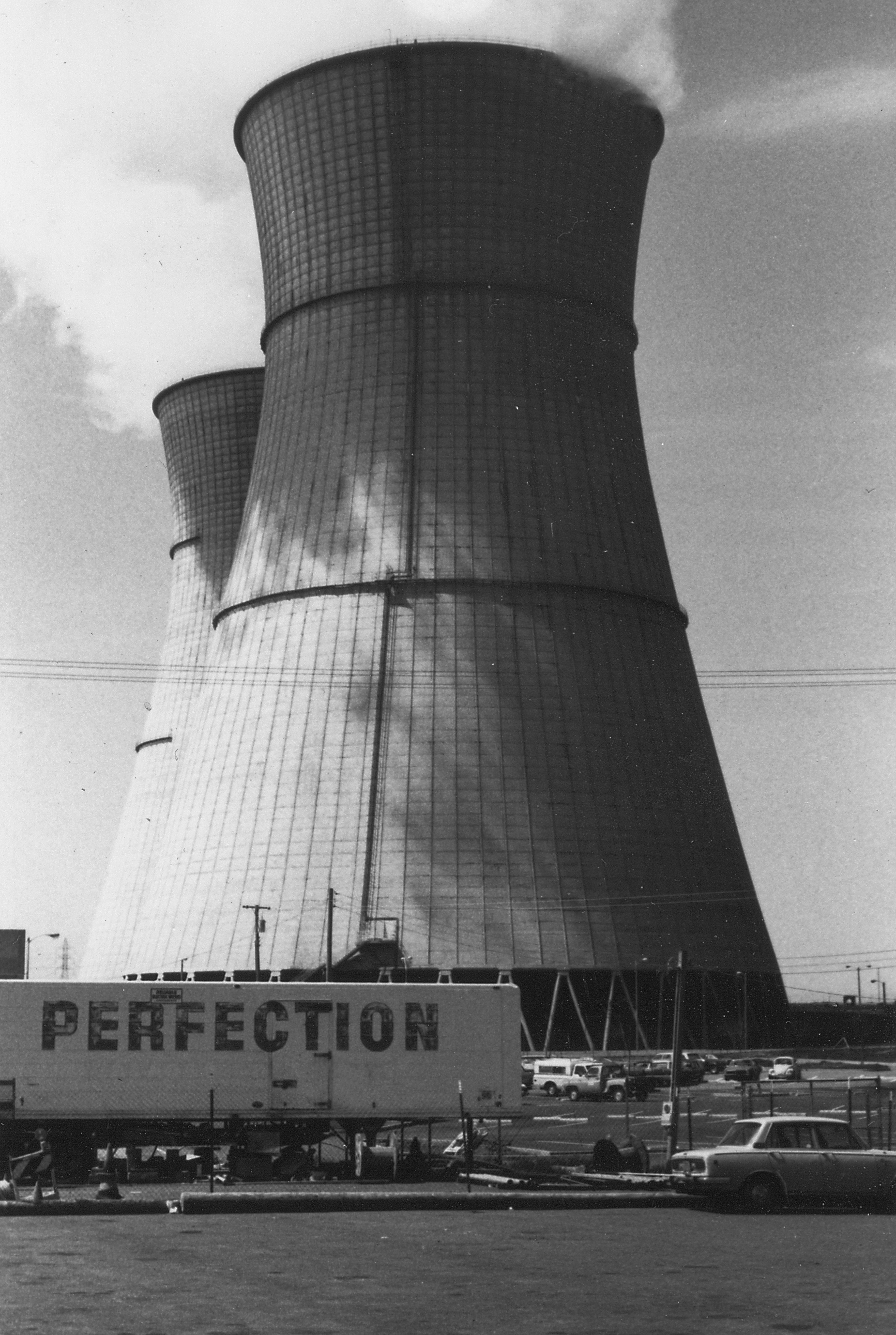
perfection


Letter from Austin

Michael, when you say moons do you see
cold stone floating in the firmament
or phrases frayed in the mouth and spat on paper?
And does the Spanish moon simmer at a similar
pace to mine or yours? Which embers blush brighter?
But let’s turn to estuaries, to salt and clamor and gun-
running poets and interrupted words sold in stalls
between parenthetical gates, to incomparable cavas
and the deterioration of envy and intervening years.
Or perhaps mislaid passion – a friend claims love
is merely a bad rash, that we scratch and scratch
and inflame but never truly cure what ails us. Sounds like
politics to me. Or sports. And business. Or neighborhoods.
On my street people should cook and play music together,
laugh, raise chickens and read good books. They should
brew beer, swap tomatoes, recite each other’s poetry and sing
in tune. But we’re different here, preferring instead electronics
glowing in dimly lighted rooms. I reject this failure, as I also
reject the theory of centrifugal force spinning off the moon’s
body from the earth’s crust, preferring to imagine a giant
impact blasting matter into orbit around what morphed into the
earth, and somehow accreting the stuff into this orb we
sometimes worship. This, to me, is how good relationships
form: explosions of thought and emotion followed by periods
of accretion. But what I mean is I hope this finds you well
by the river of holy sacrament. Remember: brackish water
bisects our worlds. Turn. Filter. Embrace. Gotta run. Bob.


Originally published in Heron Clan 3, this first appeared on the blog in July 2015.

My friend Michael occasionally sends hand-written notes or letters to me, and I respond with poems. This is one. You might read some of his writing at Underfoot Poetry.

OLYMPUS DIGITAL CAMERA