Senate (Tritina)

Senate (Tritina)

Not imposition, but welcome.  The way
cooperation welcomes coercion, turning the
tenor of the intended phrase, opening

the statement to interpretation, opening
a point without dissension, in the way
of politics, agreeing which fact will shape the

morning, which truth will determine the
next word and the subsequent, as if opening
the issue, claiming to have found the way,

one way, the only, but never actually opening.

* * *

A tritina might best be described as the lazy poet’s sestina, consisting of ten rather than 39 lines, with the end words of the first stanza repeating in a specific pattern in the subsequent two stanzas. The last line includes all three end words.

The patterns:
abc
cab
bca
The last line uses the end words in sequence following the pattern of the first stanza.
This first appeared on the blog in March 2017.

Somewhere: 28 Rue St. Jacques

Somewhere: 28 Rue St. Jacques

Or eating spam fried rice in the courtyard
after kindergarten, and playing cowboys
with Thierry, the kid next-door. We shared toys,
but not comics. Written language was hard

to decipher, unlike the spoken. I
never captured the nuances, and lost
the rest over the years. Today the cost
eludes me, like moths fluttering by. Try

to recall that particular morning light,
how it glanced off the French snow, and the
way our mother smiled at breakfast, no trace

of sadness, yet, the lines marking our heights
rising along the wall, limbs of a tree
we’d never climb, out there, somewhere, in space.

* * *

This was originally drafted during the August 2015 Tupelo Press 30/30 Challenge. I was never satisfied with it, and didn’t see any reason to revise. But those memories are worth sharing!

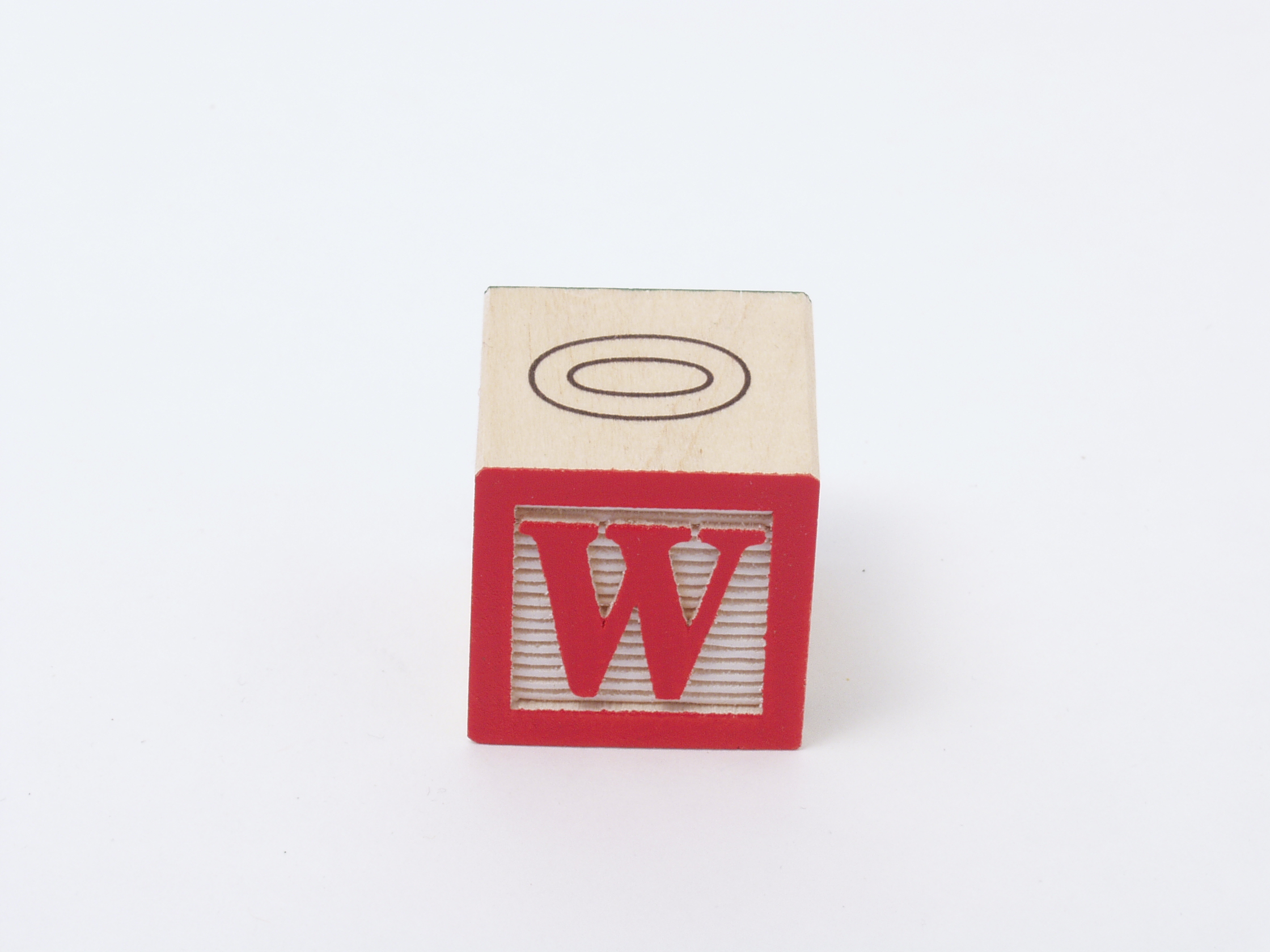
Self-Portrait with W

file7131243281016

Self Portrait with W

One might claim a double victory, or after the Roman Empire’s fall, a reclamation
from the slurred “b” and its subsequent reduction.

Survival of the rarely heard, of the occipital’s impulse.

The oak’s crook performs a similar function.

Shielding myself from adjuration, I contemplate the second family
root, weighted in weapons, in Woden, in wood.

Not rejection, but acceptance in avoidance.

The Japanese homophone, daburu, bears a negative connotation.

Original language was thought to be based on a natural
relation between objects and things.

Baudelaire’s alphabet existed without “W,” as does the Italian.

The recovery of lost perfection is no longer our aim.

When following another, I often remain silent.
As in two, as in answer, as in reluctance, reticence.

We share halves – one light, one shadowed, but both of water.

Overlapped or barely touching, still we complete.

* * *

“Self-Portrait with W” originally appeared in the Silver Birch Press Self-Portrait series in 2014, and was reprinted in my chapbook, The Circumference of Other, included in Ides, a one-volume collection of fifteen chapbooks published by Silver Birch Press and available on Amazon.com.

OLYMPUS DIGITAL CAMERA

Irene Hergottova (7 Poems)

Daniel Paul Marshall is unearthing some gems in his stint as editor of Underfoot Poetry. Case in point: these poems by Irene Hergottova.

Poem Up at Vox Populi

My poem, “The Question is Never,” is up at Vox Populi, and has been paired with Allison Skinner’s essay on the psychological effects of dehumanizing language. Thank you, Michael Simms, for taking this poem.

The Fullness That Precedes

image

The Fullness That Precedes

it is not
the moon but
rain that attracts

me to this
place no faint
light no shadow

but the fullness
that precedes its
history that of

magic from nothing
to nothing by
which one may

discern perfection a
cloud the solitary
note of distraction

image

Written in the 80s, “The Fullness That Precedes” first appeared here in May 2015.

Calm

DSC_0002

Calm (after H.D.)

I flow over the ground,
healing its hidden scar–
the scar is black,
the bedrock risen,
not one stone is misplaced.

I relieve the ground’s
burden with white froth,
I fill and comply—
I have thrown a pebble
into the night,
it returns to me,
settles and rises,
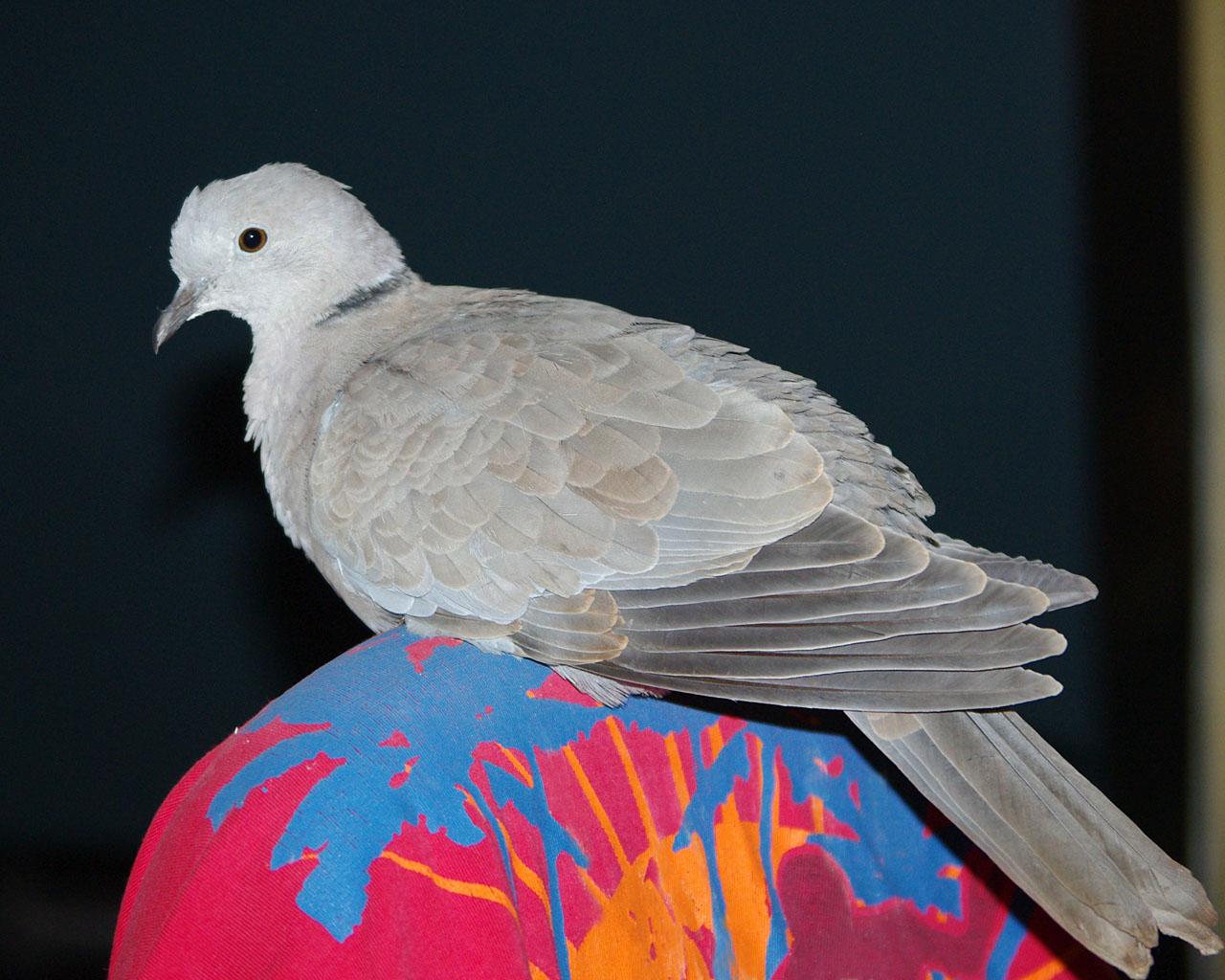
a white dove.

* * *

“Calm” is included in my micro-chapbook Only This, which is available via free download from Origami Poems Project. It made its first appearance here on the blog in March 2015, and was written as an exercise, using a poem, “Storm,” by H.D. as the launching point. I’ve tried to emulate her diction and rhythm, with mixed success. Still, it’s fun to try these on occasion.

collareddove48d1

Recording of Requiem II

image

Requiem II

To say what becomes: this word
bends in the wind of our

breath. Is this too simple to
say? Our bodies gather yet retain

nothing. Numbers, phrases, the way
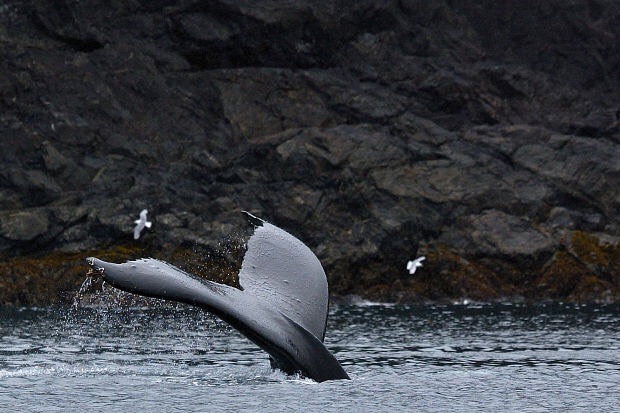
the ocean rolls. Once I saw
a whale at dusk. Or rather I saw its

tail part the water and disappear
into darkness, an answer too complex
and sweet for tongues to comprehend.

But waves seldom explain. Imagine
something nearby but beyond reach.

Think of clouds and shrines, consider light.

image

“Requiem II” last appeared here in June 2017.

“Bittersweet” Kevin MacLeod (incompetech.com)
Licensed under Creative Commons: By Attribution 3.0 License
http://creativecommons.org/licenses/by/3.0/

Poem Up at The High Window

My poem “Five” is included in the summer edition of The High Window. Many thanks to editor David Cooke for taking this piece. The issue is spectacular – I’m delighted to have a poem appear in it.

Recording of “Shadow Charm”

Shadow Charm

When you place your mouth
to my ear

how does the ocean know
which wave

to relinquish?
In your darkness I find teeth.

Blessings of the meek-throated.

A ribbed tunnel. Codicil.

Your tongue scrawls: too late,
the unsaid     nerve-sparked and

dilated     too late

And my skin replies: with
lightning     all strikes

count     to each its charge

“Shadow Charm” was published in August 2017 in The Icarus Anthology.