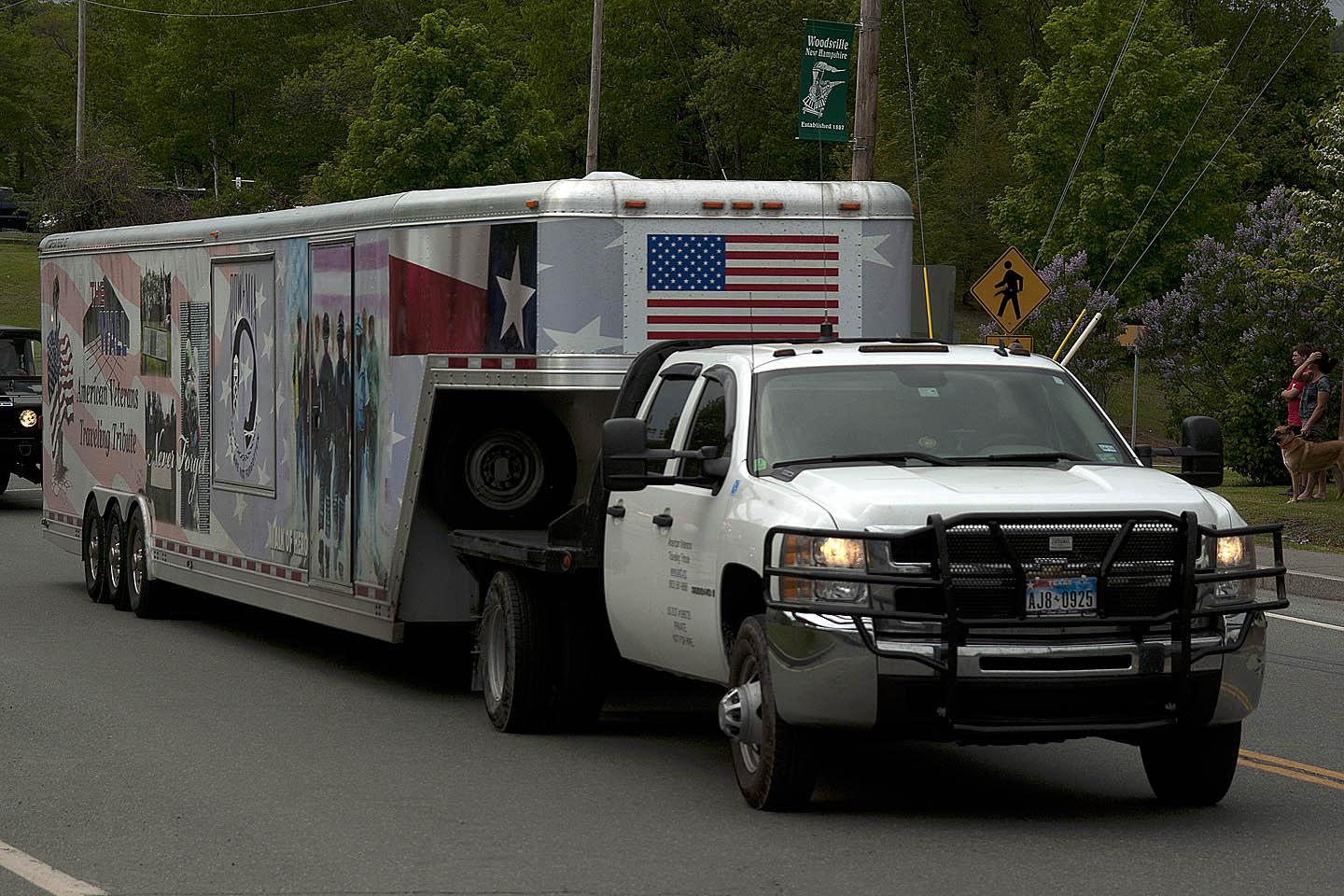
Night Journey (after Tu Fu)

IMGP3335

Night Journey (after Tu Fu)

Wind bends the grass along the road.
A lonely truck passes by.
Stars reach down to touch these hills
and the moon drifts behind.

No one will ever know my poems.
I am too old and ill to work.
Circling, floating, who am I
but a vulture looking down.

First posted in March, 2014.

This is not a translation, but rather a version, my “take” on a famous Tu Fu poem. I claim no abilities in translation, neither speak nor read Chinese, and instead depend upon the skills of those who have ventured into these difficult reaches. This is where the poem carries me, a middle-aged Texas hill county dweller, in the Year of the Horse, 2014.

“Night Journey” is included in my micro-chapbook, No Eye But The Moon’s, available via free download at Origami Poems Project.

Here’s the transliteration on chinese-poems.com:

Nocturnal Reflections While Traveling

Gently grass soft wind shore
Tall mast alone night boat
Stars fall flat fields broad
Moon rises great river flows

Name not literary works mark
Official should old sick stop
Flutter flutter what place seem
Heaven earth one sand gull

My goal was to retain the mood, as I understand it, of the original, and to place it into my personal context. An interesting exercise.
If You Drop Leaves


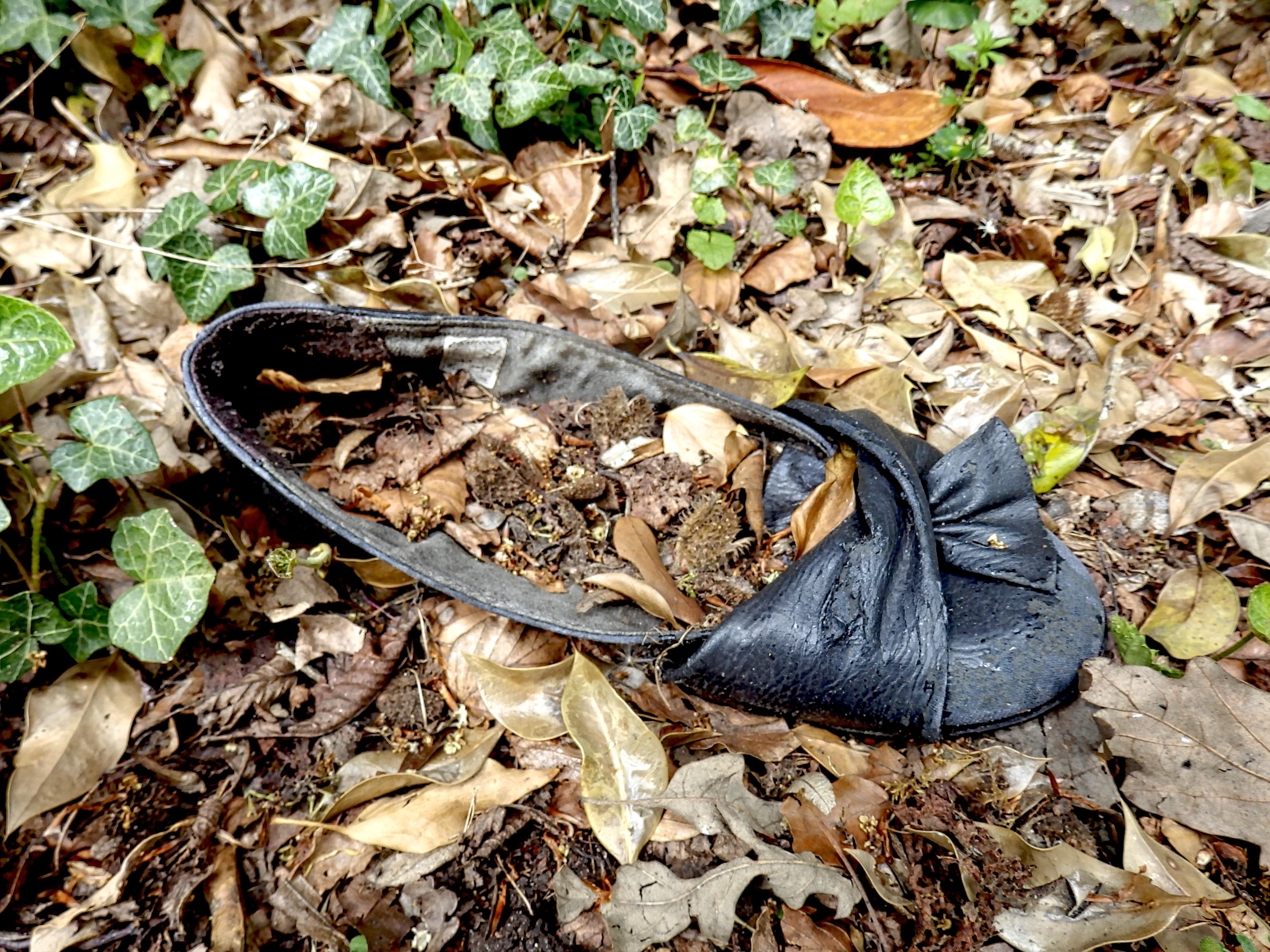
If You Drop Leaves

If you drop leaves when she walks by,
does that signify grief for those
cut down early,

or merely drought?
How easily we abandon and forget.

Yet a whiff of lemon verbena or the light
bouncing from a passing Ford
can call them back,

tiny sorrows ratcheted in sequence
above the cracked well casing

but below the shingles
and near the dwindling shade
tracing its outline on the lawn.

And what do you whisper
alone at night within sight
of sawn and stacked siblings?

Do you suffer anger by way
of deadfall or absorption,

bark grown around and concealing
a penetrating nail, never shedding
tears, never sharing one moment

with another. Offered condolences,
what might you say? Pain earns no
entrance. Remit yourselves.


* * *

“If You Drop Leaves” was published at Bad Pony in November 2017. Many thanks to editor Emily Corwin for taking this piece.

Letter to Schwaner from the Toad-Swallowed Moon


Letter to Schwaner from the Toad-Swallowed Moon


Dear Jeff: The glow here betrays our fantasies,

and between day and night and that uncertain

moment when neither holds sway, I have gained

a toehold on consequence. Who knew darkness

could shine so? Last November the surgeon

incised my belly six times but no light oozed

out and little crept in. I say little, but feel

a peculiar radiance emanating from my middle

which I can only attribute to the moon, although

the medical professionals would say it’s just

gas. But what do they know of Sheng-Yu or

Li Ho, of jade wheels and spilled cups? Last

night, to honor our marching sisters, I looked

to the cloud-filled sky and toasted them and

our ancestors, the poets and scapegoats, friends,

allies, compatriots, Five White and Jackboy,

shedding a solitary tear of joy in the process.

We won’t label the other tears, but I shudder

at our country’s current course and how the

bulging wallets of the rich continue swelling

at the expense of the poor and unhealthy,

the elderly, the unacknowledged, and those

living on the fringes, in colored shadows.

If we meet in person on some desolate, moon-

free road in a country that could never be,

how will I know you but from the ghosts and

smiles sparkling in the surrounding fog,

and the little voices singing their sad tune

of happiness into the night. This is where

we stand today, but tomorrow? Look for me

on that bench. I’ll be the full-bellied fellow,

the one with an eclipse leaking from his shirt

in a six-point pattern, two glasses in hand,

wine uncorked, ready for reptiles and politicians,

mirth and causation and good conversation

in brightness or tenebrous calm, whichever

needs replenishing more. But bring another

bottle. Or two. Talking makes me thirsty. Bob.


* * *

My poem “Letter to Schwaner from the Toad-Swallowed Moon” was first published at The Hamilton Stone Review in October 2017. Much gratitude to editor Roger Mitchell for taking this piece.


Some Answers You Never Considered


Some Answers You Never Considered

At the cusp of night, before the sun steams out in the ocean,
and blues abandon the reds.

Nothing rests at the core of zero.

Cerulean blue was first marketed as coerulium.

What we consider sky includes only its lowest reaches.

Even considering a dense history with kites, I humbly concede,
and admit sacrifice as atonement, with grace.

No. I say it again. No.

Your visual system constructs the colors you see.

Only when the wind unbuttons its greatcoat, or at the tip
of an icicle, just before the drop catches itself.

Release the line and know the freedom of loss.

Transparent yet wide, unfolded like a fist freeing
a swarm of bees into honeyed air, it contains us.

Your inability to see it does not refute the horizon’s base.

If I knew I’d tell you.


* * *

“Some Answers You Never Considered” first appeared in Underfoot in October 2017.


Wet Grass, Weeds

dandelion

Wet Grass, Weeds

A lone raven
circling the neighbor’s oak,

an oddity in this neighborhood,

lending mystery to the afternoon,
a gateway through dandelion

fluff and the blue seeping through clouds.
A car rumbles by,
stereo hammering the air,

warnings everywhere for the wary.

carmirror

“Wet Grass, Weeds” first appeared here in May 2016.

New Year

tea


New Year

How transparent you’ve become:
even the leaves blow through

your pockets, and penitents
line up, awaiting the latest word.

Those who have, fear the most.
Each day collapses under its own

weight, rising again into the new.
Surgery brooks no illusions;

this house, too, will fail.
Owning little, I pour tea and wait.

bench

“New Year” first appeared here on January 1, 2017.

The Garden

file4121261057835


The Garden

But what of this notion
of the romantic?

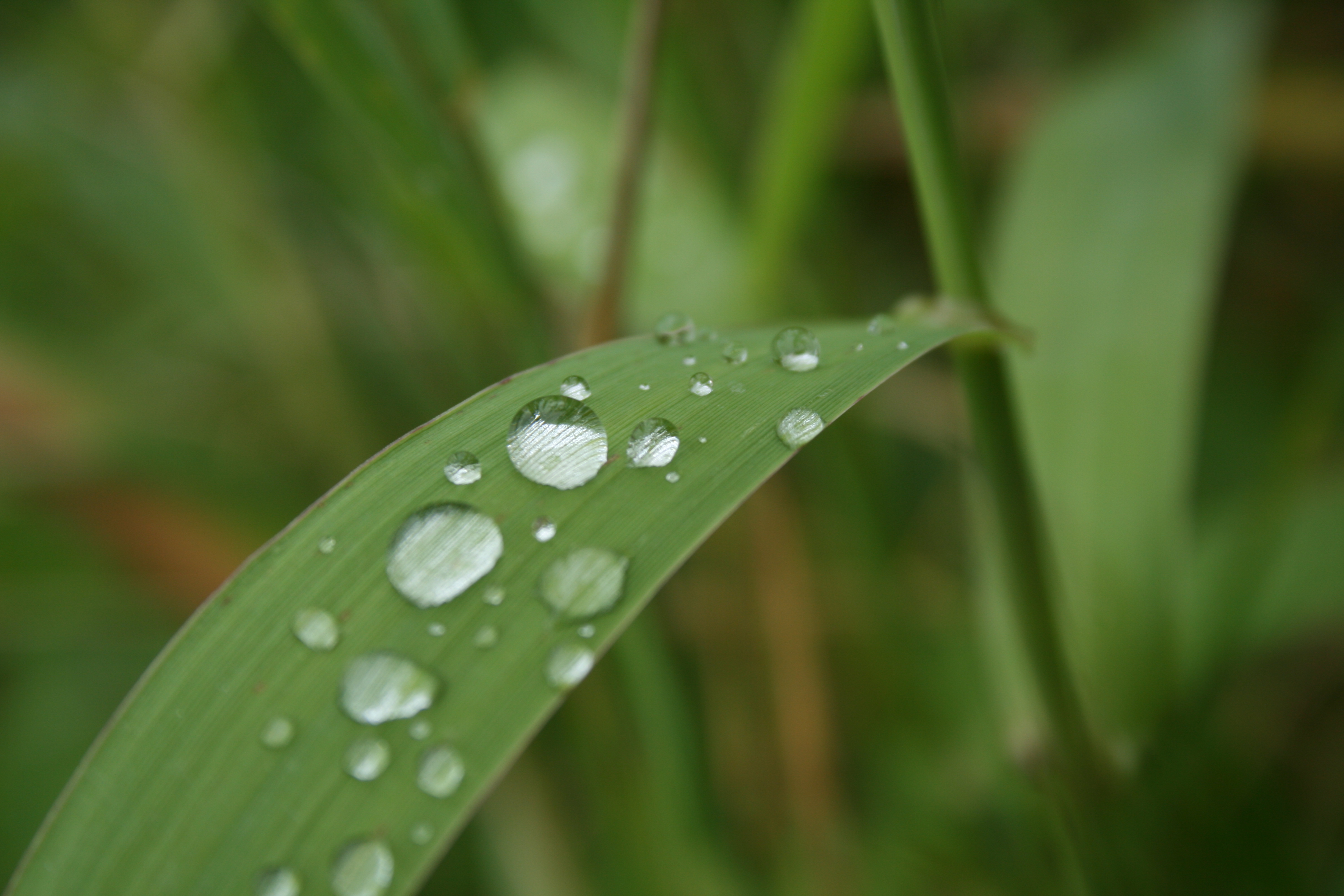
It rained last night.
I could smell it

before it fell,
each drop a perfect

sphere until the final
moment. This

is fact, impractical but
lovely for its truth.


* * *

Initially posted here in January of 2014, the poem was published many years ago (30?) as a poetry postcard offered by the literary journal Amelia. I admit to being wrong about the shape of raindrops. But hey, they start out spherical…

Every Wind (with recording)


Every Wind

Every wind loses itself,
no matter where

it starts. I want
a little piece of you.

No.

I want your atmosphere
bundled in a small rice paper packet
and labeled with strings of new rain
and stepping stones.

I want
the grace of silence
blowing in through the cracked
window, disturbing only
the shadows.

Everywhere I go, bits of me linger,
searching for you.

Grief ages one thread at a time,

lurking like an odor
among the lost
things,

or your breath,
still out there,

drifting.


* * *

Music: “Gymnopedie No. 1” Kevin MacLeod (incompetech.com)
Licensed under Creative Commons: By Attribution 3.0 License
http://creativecommons.org/licenses/by/3.0/


“Every Wind” first appeared in The Lake in July 2016, and is included in my chapbook, From Every Moment a Second, available for order via Amazon.com and Finishing Line Press.


Earth’s Damp Mound

OLYMPUS DIGITAL CAMERA

Earth’s Damp Mound
for P.M.

I. February 1998.

That week it rained white petals
and loss completed its

turn, the words finding themselves
alone, without measure,

without force, and no body to compare.
Though strangers spoke I could not.

Is this destiny, an unopened
mouth filled with

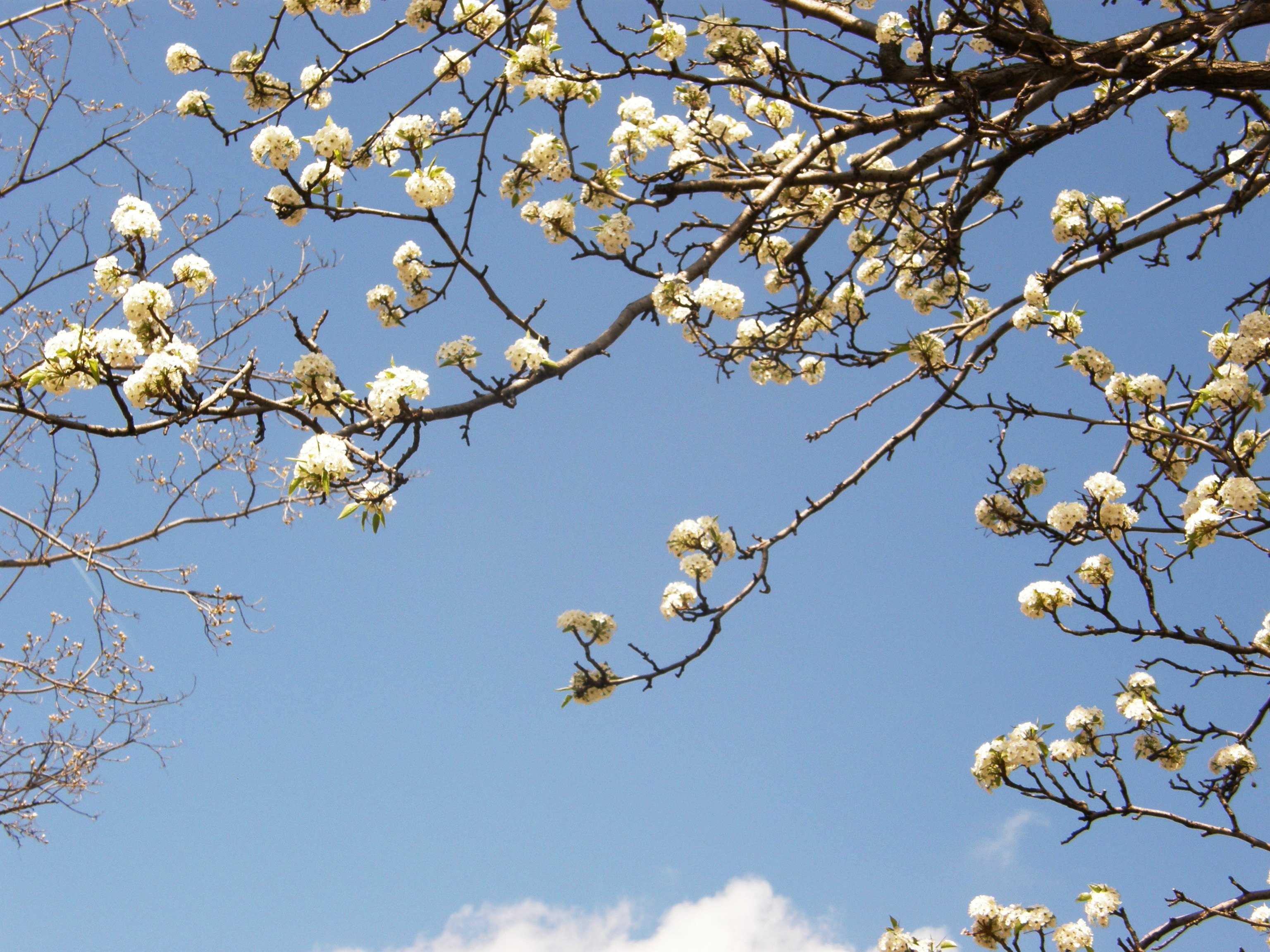
pebbles, a pear tree
deflowered by the wind? The earth’s

damp mound settles among your bones.


II. Count the Almonds

What bitterness
preserves your sleep,

reflects the eye’s
task along the inward thread?

Not the unspoken, but the unsayable.

Curious path, curious seed.
A shadow separates

to join another, and in the darker
frame carries the uncertain

further, past silence, past touch,
leaving its hunger alert and unfed,

allowing us our own protections.


III. The Bowl of Flowering Shadows

Reconciled, and of particular
grace, they lean, placing emphasis on balance,

on layer and focus, on depth of angle
absorbing the elegant darkness,

a lip, an upturned glance, the mirror.

What light caresses, it may destroy.
Even the frailest may alter intent.

So which, of all those you might recall,
if your matter could reform

and place you back into yourself,
would you choose? Forgive me

my selfishness, but I must know.


IV. Requiem

Then, you said, the art of nothingness
requires nothing more

than your greatest effort.
And how, seeing yours, could we,

the remaining, reclaim our
space without encroaching on what

you’ve left? One eye closes, then
the other. One mouth moves and another

speaks. One hears, one listens, the eternal
continuation. Rest, my friend. After.


Prentiss Moore influenced my reading and writing more than he ever realized. We spent many hours talking, eating, arguing, drinking, laughing. Always laughing – he had one of those all-encompassing laughs that invited the world to join in. And it frequently did. Through Prentiss I met in person one of my literary heroes, Gustaf Sobin, whose work Prentiss had of course introduced me to. Those few hours spent with the two of them driving around in my pickup truck, discussing poetry, the Texas landscape, horticulture and the vagaries of the publishing world, are hours I’ll always hold close.

Earth’s Damp Mound last appeared here in April 2018. It was first published in the anthology Terra Firma, and is included in my chapbook, If Your Matter Could Reform.


file0001831388228

Apricot House (after Wang Wei)

file000532973761


Apricot House (after Wang Wei)

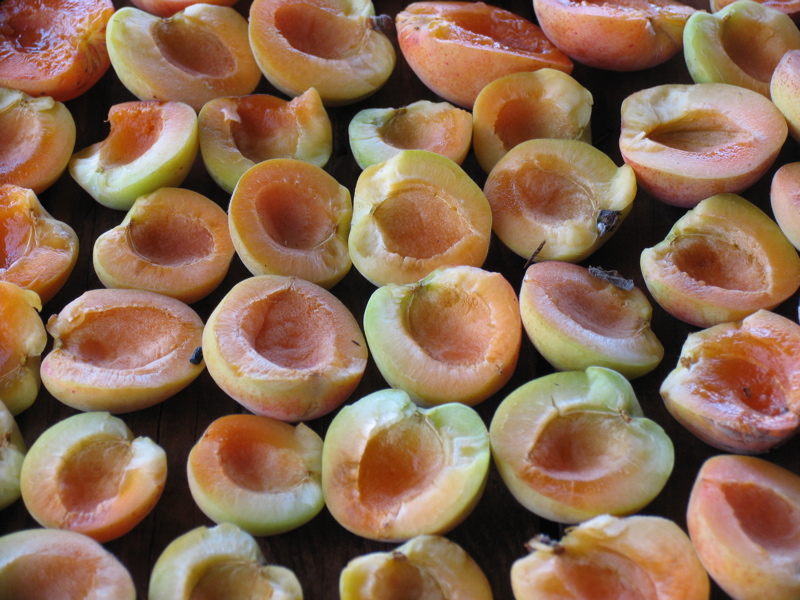
We cut the finest apricot for roof beams
and braided fragrant grasses over them.

I wonder if clouds might form there
and rain upon this world?


The transliteration on Chinese-poems.com reads:

Fine apricot cut for roofbeam
Fragrant cogongrass tie for eaves
Not know ridgepole in cloud
Go make people among rain

Each adaptation poses its challenges, and this one was certainly no exception.
First I identified key words and determined how or whether to use them.
Apricot, roofbeam, cogongrass, eaves, ridgepole, cloud, people, rain.

Apricot was a given. It offered specificity, and feels lovely in the mouth. Roof beams, as well. Cogongrass didn’t make the cut. It is indeed used for thatched roofs in southeast Asia, but it felt clumsy; in this case, the specificity it lent detracted from my reading. And rather than use “thatched” I chose “braided” to imply the layered effect of thatching, and to imply movement, to mesh with and support the idea of clouds forming and drifting under the roof. “Not know” posed a question: did it mean ignorance or simply being unaware, or perhaps a state of wonderment? I first employed “unaware” but thought it took the poem in a different direction than Wang Wei intended (but who knows?). “Ridgepole” seemed unnecessary. So I chose to let the reader follow the unsaid – using “form there” to reinforce the impression already shaped by the roof beams and the grasses “over them.” I admit to some trepidation over the second couplet. It may still need work.


clouds

“Apricot House” first appeared here in December 2014.