Countdown, #4: The Stone Remains Silent Even When Disturbed

image


My last five posts of 2018 are reruns of five of the most viewed posts on this site during the year.


The Stone Remains Silent Even When Disturbed

In whose tongue
do you dream?
I fall closer to death

than birth, yet
the moon’s sliver
still parts the bare

branches and an unfilled
trench divides the
ground. Bit by bit,

we separate – you
remain in the earth,
recumbent, as I gather

years in stride.
Even the rain
leaves us alone.


image

This first appeared in December 2015.

Poem Up at The Lake

My poem “My Mother’s Ghost Sits Next to Me at the Hotel Bar” has been published in December’s issue of The Lake. Thank you, John Murphy, for taking this poem!

Editor’s Choice poem up at Vita Brevis.

I’m honored that editor Brian Geiger of Vita Brevis has republished my poem “Bone Music” as an editor’s choice selection.

Poem Up at Formidable Woman

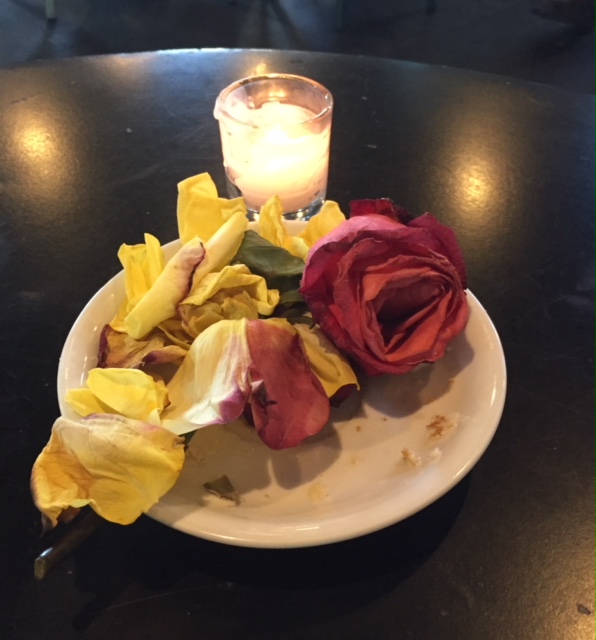
“Dead Rose at 5 Points Local,” a collaborative poem with Stephanie L. Harper, is live at Formidable Woman. Many thanks to d. ellis phelps for taking this piece, and for offering the prompt which set it in motion.

Sunday, June

Sunday, June

Trying to give, I fail too often.
But this day we prepare for you
food that your beloved often cooked,
made with the ingredients of 19,000
nights and promises of more to come.
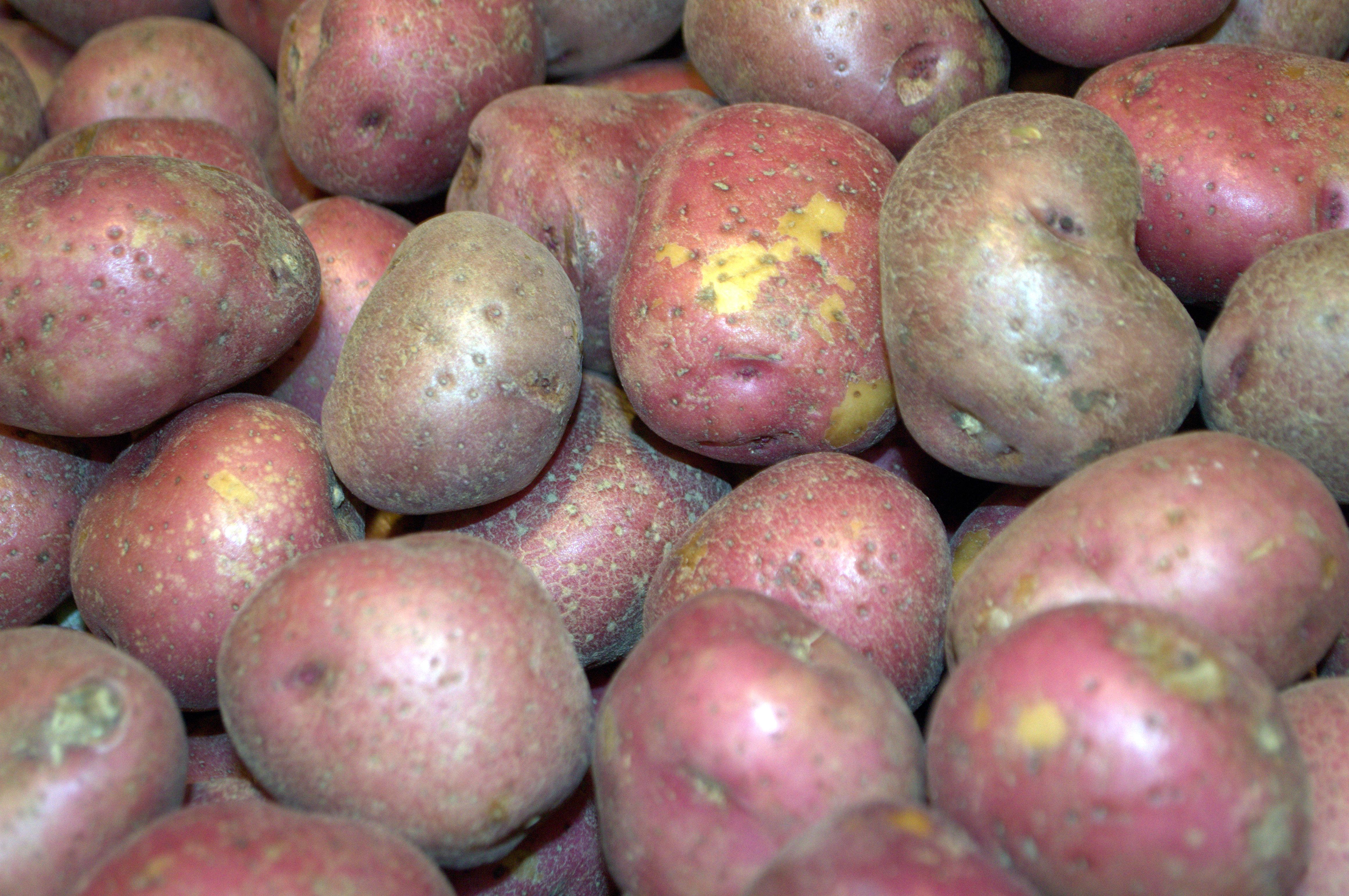
These potatoes. That beef, the fruit.
Simple, and yet so difficult to reproduce.
Even the recipe is incomplete. “Some
mayonnaise,” it says, then “mustard,”
but not whether dry or prepared, and
the amount is unclear. Yet the results
transport you to stronger days, to
the clear-eyed self and limitless
possibilities, meals on the table
at five o’clock, the satisfaction of work
well done, knowing that you have soared
above your father’s imprecations
but never beyond love’s touch, her
sleepy murmurs, morning coffee,
burnished histories and late cigarettes,
the tulips on the soil you’ll soon share.

“Sunday, June” first appeared in the print journal Nourish in March 2018.

Dictionary of Dreams

Dictionary of Dreams

You do not know their secret names.
Mine is the music of metal and wood.

Human voices behind walls.
Trapped in reds, in chiseled words.

And silence. Always silence.
Or the filtered woodwinds at dawn.

How to describe her body?
The quickness of night. Year’s demise.

A family of ghosts hidden in these halls.

“Dictionary of Dreams” was published in Kingdoms in the Wild in April 2018.

Something Lost, Something Trivial

broom

Something Lost, Something Trivial

Another word, another bewildered
moment in transition: the phrase
barely emerges from your mouth
before crumbling back into a half-opened
drawer in the loneliest room of a house
that died seventeen years ago.

I nod as if in understanding, and stoop
to pick up a crushed drinking straw,
the kind with the accordion elbow
that facilitates adjustment.

From a rooftop across the street,
a mockingbird warbles his
early morning medley of unrelated
songs, and you say left oblique,
followed by matches, then
collapse on a bench,
winded. I sit next to you

and we both enjoy the warmth
and birdsong, though I know
this only through the uplifted
corner of your mouth, which
these days is how you indicate
either deep pleasure or

fear. I have to leave soon,
I say, and you grab my wrist
and stare into my eyes.
Broom, you reply. And more
emphatically, Broom!

Though I cannot follow you
directly, knowing both path
and destination, I pick my way
carefully through the years
stacked high like cardboard
banker’s boxes stuffed with
papers and receipts no one
will ever see. I know, I say.
I love you, too. Broom.

* * *

“Something Lost, Something Trivial” was published in January 2016 in the first issue of MockingHeart Review. Many thanks to editor Clare L. Martin, for her multiple kindnesses. I am reading with Clare and Bessie Senette on Saturday, October 20, at 7:00 p.m. at Malvern Books in Austin.

Poem Up at Vox Populi

My poem “Aleppo” is featured at Vox Populi. 

I am grateful to editor Michael Simms for his support of my work.

Elegy

Elegy  

1. Adrift

I count more graves than people in my sleep,
but nothing turns more quickly

than an empty wind
in a place whose memory has died.

And all manner of departure: What you have left is you
without you
. As if it could be different, as if decades

could withdraw and draft a blueprint of motive and action,
returning them, returning you, to that point

across the sea where the ship has not yet arrived.
If you ask she will say it does not matter. If you ask.

2. Parentheses

To be within, yet without, as in the unuttered phrase.

It is time the stone made an effort to flower,

to render the void clear and resolute, the diction of
separation divided by decades and your ocean.

The language of silence, drawn near.

3. From the Other Side

Sometime becomes never and steps around a desolate corner,
and all we have left is our field

awash in stone, remnants of the unspoken.
I have no memory of you. Nor you, of me,

but the strands do not lie, and unraveled,
expose the imperfect blends

that compose my love. A leaky roof. The last word.
A pity to put up at all

but there is rain.

4. Another Night

Of all the hours which were the longest?
The earth trembled around me

and I lay still, bearing witness to
the uncertain malice of its

shrug, shoulders brought to
fore, then returned,

and finally, released. If,
after this half-century, words

could reform in your mouth,
what denial would issue?

Ashes, washing ashore.

5. Bridge

And seeing you only as the shadow of an

ending whose voice lies
in an uncommon past, how
may we recognize the very shape we share?

The bridge’s fate is loneliness,
knowing that one side

decries the other’s
call, that separation affords new light:

they are between
comfort and space, between words and a smile,

between nothingness and sorrow,
two points, beginning and end,

reaching, in opposition, towards each other.

Notes:

“What you have left is you without you” is from Edmond Jabes’s “At the Threshold of the Book” in The Book of Questions: Volume I, translated by Rosemary Waldrop.

“It is time the stone made an effort to flower” is from Paul Celan’s poem Corona,” included in Poems of Paul Celan translated by Michael Hamburger.

“A pity to put up at all but there is rain” is from Basho’s Back Roads to Far Towns, translated by Cid Corman and Kamake Susumu.

Albert Huffsticklers poem “Bridges” which appeared in The Balcones Review in 1987, begins “They are between…”

“Elegy” first appeared on Underfoot Poetry in October 2017.

Aftermath


Aftermath 

   rust. Being one phase of corruption, a matter of
resolve. When I surrender, the implication is of giving
over, moving above, allowance. Delivering despite
the steady flaking away at what colors me intact.
The quiet evening had lulled me to this inevitability:
when oxides subsume the original metal, the expansion
may result in catastrophe. Yesterday’s arc, tomorrow’s
trial. Failure’s bloom.

* * *

“Aftermath” first appeared in the print publication Sheepshead Review. Thank you to Audrey Schultz and staff for taking this poem.