
Nocturne (Fall 1983)
Tall weeds block
the view. Remove
sound from sight,
the guitar becomes
kindling. I stretch
my hands toward
the burning wood,
hearing the echo
and the woman.

This first appeared here in November 2015.

Nocturne (Fall 1983)
Tall weeds block
the view. Remove
sound from sight,
the guitar becomes
kindling. I stretch
my hands toward
the burning wood,
hearing the echo
and the woman.
This first appeared here in November 2015.

In the Place of Cold Doors
We have a word for everything,
or seven for nothing. Soon
you’ll enter and I’ll talk
on the other side,
watch for signs in every
dropped crumb,
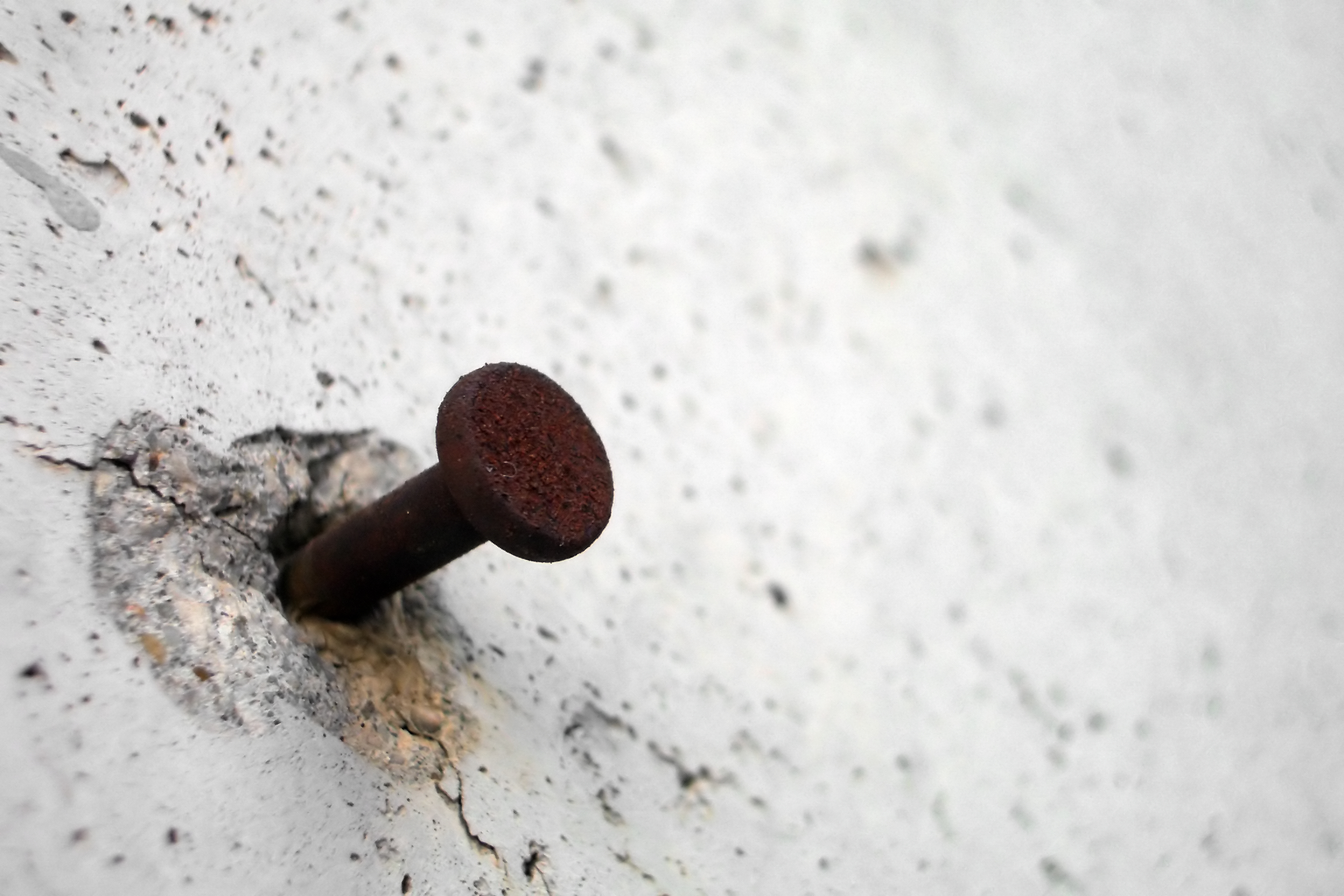
every nailhead and
embedded phrase remembered
in another’s voice. The light
will dim and I’ll look for rain and
go on speaking. My words will wander
unnoticed. You hear only yesterday.
“In the Place of Cold Doors” first appeared in Gossamer: An Anthology of Contemporary World Poetry, published by Kindle Magazine in Kolkata, India. I was thrilled to have several poems included in the anthology.

Setting Fire to the Origami Crane (the one floating on Muscongus Bay) at Sunset
Who is to say which comes first, the flaming crane
or the sunset’s burst just over the horizon
and under the clouds? There are causes and causations,
an illness named bad air and another attributed to wolf
bites, neither accurate. There is the paraffin to melt,
and the folded paper resting comfortably nearby, with
a small, unopened tin of shoe polish and the sound of
tears striking newsprint. You know the myth of the
Viking burial — the burning ship laden with treasure
and the deceased clothed in all his finery. But pyres
are lighted to make ash of bodies, to ease the soul’s
transition to the heavens. Think of how disturbing
it would be to come upon the charred lumps of your
loved one washed ashore. And other myths — various
versions of the afterlife created to bend wills and
foster hope where little exists — to which have you
departed? There are no returns in your future, no more
givings, and your ashes have dispersed among the clouds
and in the water. They’ve been consumed by earth and
sky, inhaled and swallowed, digested, coughed out but
never considered for what they were. So I’ve printed
your name a thousand times on this sheet, and will
fold and launch it, aflame, watching the letters that
comprise you, once again, rise and float, mingle
and interact, forming acquaintances, new words,
other names, partnerships, loves, ascending to the end.
* * *
This was written for the August 2015 Tupelo Press 30/30 Challenge. To read the poignant story behind the poem’s title (which I was unaware of), visit Jilanne Hoffman’s blog.

Ashes
To sweeten the dish, add salt. To bear the pain,
render the insoluble. She envied
the past its incursions, yet the past yields to all,
avoidance to acceptance, trees to smoke.
My mother brought to this country a token of her death to come.
Now it sits on my shelf bearing implements of music.
In her last days I played Sakura on the mandolin,
trusting that she might find comfort
in the blossoms fluttering through the failing notes,
a return to mornings
of tea and rice, of
warmth and paper walls and deep laughter.
Today the rain spells forgive
and every idea becomes form, every shadow a symptom,
each gesture a word, a naming in silence.
Scatter me in air I’ve never breathed.
* * *
“Ashes,” first appeared in Extract(s) in 2013, was reprinted on The Reverie Poetry Journal, and is included in my chapbook, If Your Matter Could Reform.

Earth’s Damp Mound
for P.M.
I. February 1998.
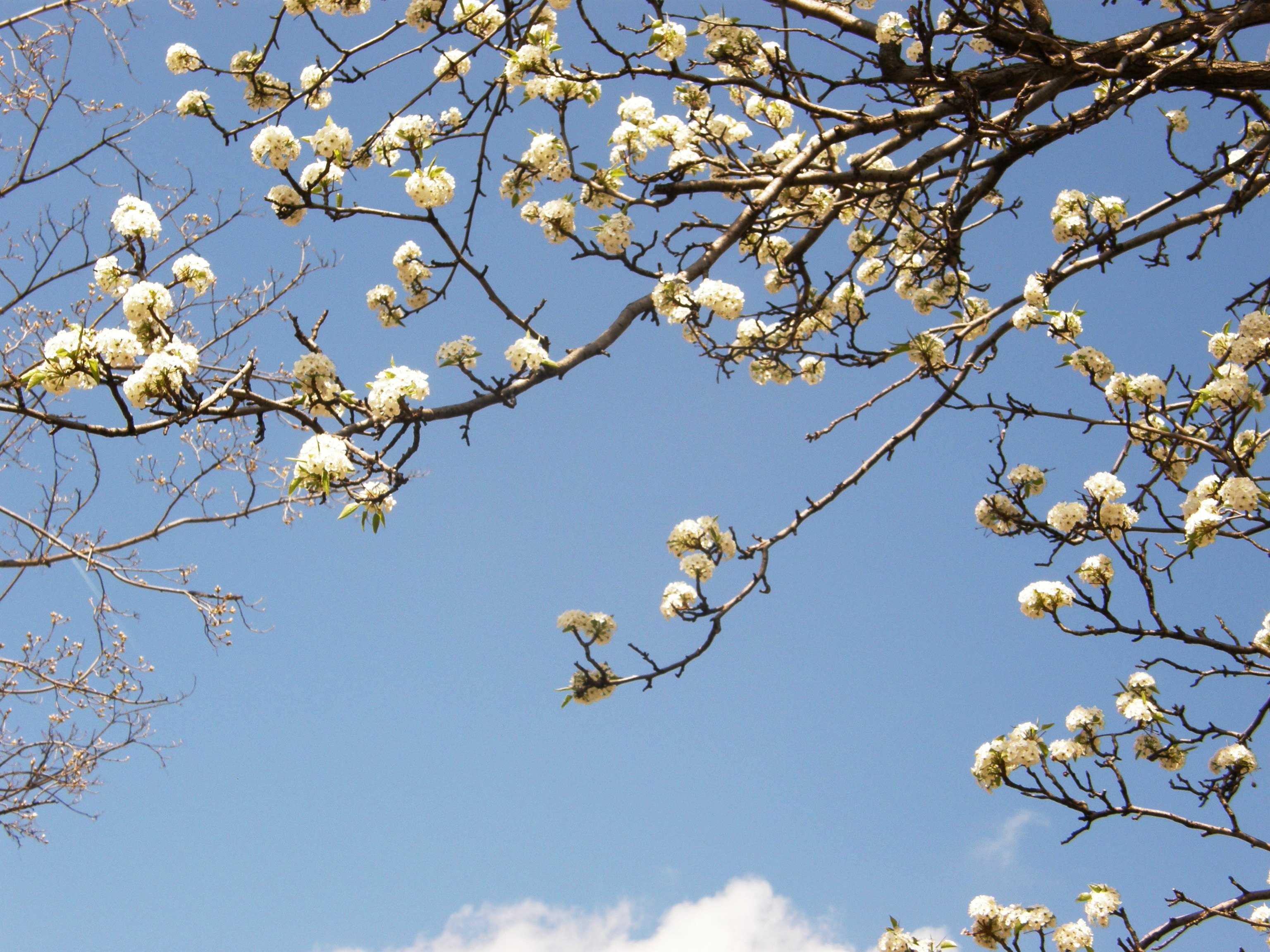
That week it rained white petals
and loss completed its
turn, the words finding themselves
alone, without measure,
without force, and no body to compare.
Though strangers spoke I could not.
Is this destiny, an unopened
mouth filled with
pebbles, a pear tree
deflowered by the wind? The earth’s
damp mound settles among your bones.
II. Count the Almonds
What bitterness
preserves your sleep,
reflects the eye’s
task along the inward thread?
Not the unspoken, but the unsayable.
Curious path, curious seed.
A shadow separates
to join another, and in the darker
frame carries the uncertain
further, past silence, past touch,
leaving its hunger alert and unfed,
allowing us our own protections.
III. The Bowl of Flowering Shadows
Reconciled, and of particular
grace, they lean, placing emphasis on balance,
on layer and focus, on depth of angle
absorbing the elegant darkness,
a lip, an upturned glance, the mirror.
What light caresses, it may destroy.
Even the frailest may alter intent.
So which, of all those you might recall,
if your matter could reform
and place you back into yourself,
would you choose? Forgive me
my selfishness, but I must know.
IV. Requiem
Then, you said, the art of nothingness
requires nothing more
than your greatest effort.
And how, seeing yours, could we,
the remaining, reclaim our
space without encroaching on what
you’ve left? One eye closes, then
the other. One mouth moves and another
speaks. One hears, one listens, the eternal
continuation. Rest, my friend. After.
Prentiss Moore influenced my reading and writing more than he ever realized. We spent many hours talking, eating, arguing, drinking, laughing. Always laughing – he had one of those all-encompassing laughs that invited the world to join in. And it frequently did. Through Prentiss I met in person one of my literary heroes, Gustaf Sobin, whose work Prentiss had of course introduced me to. Those few hours spent with the two of them driving around in my pickup truck, discussing poetry, the Texas landscape, horticulture and the vagaries of the publishing world, are hours I’ll always hold close.
Earth’s Damp Mound last appeared here in February 2016. It was first published in the anthology Terra Firma, and is included in my chapbook, If Your Matter Could Reform.
Irretrievable
How we grieve the simplest
truth: we are
the scatterings,
relics of
the mind’s
erosions,
less than the sum
of our bodies. I cannot see
the word
but it smokes like
the color green
burning, but not of
flame, and once
the knife enters
you must avoid
its secretion
and peel the flesh
to reveal
what hides within:
the stem’s
purchase, pith,
seeds,
the irretrievable
shape
of a word
my lips cannot
form.
***
“Irretrievable” first appeared in a slightly different form in Vayavya, in December 2013, and subsequently appeared here in April 2016..


White Mules and a Column of Smoke
I am thinking of a place I’ve never seen or visited,
much like Heaven or Jot ‘Em Down, Texas, but with better
beverages and the advantage of hindsight and seasoning,
a glance back or to the peripheral, with a side of memory
and sliced, pickled jalapeños topping a pile of imagination.
And how do we so clearly remember what never occurred?
That book I read in 1970 was first published three years
later. A drowned childhood acquaintance ordered a beer
and sat next to me at a party in college. The open fields
I recall from the garden walls in France, where homes stood.
If only we carried with us slide shows or grooved vinyl
to trace back our lives – photos and recordings of those daily
remembrances – detailed notes indexed on cards, or data
embedded in our palms and accessed by eye twitches.
Would such evidence improve our lives?
Which filters shutter moments and thoughts, twist them
into balloon animals we no longer recognize? False
accusations and convictions aside, can we trust what we
know to be true? That oak stands where it has for four
decades. I bleed when cut. The sky still leers above us.
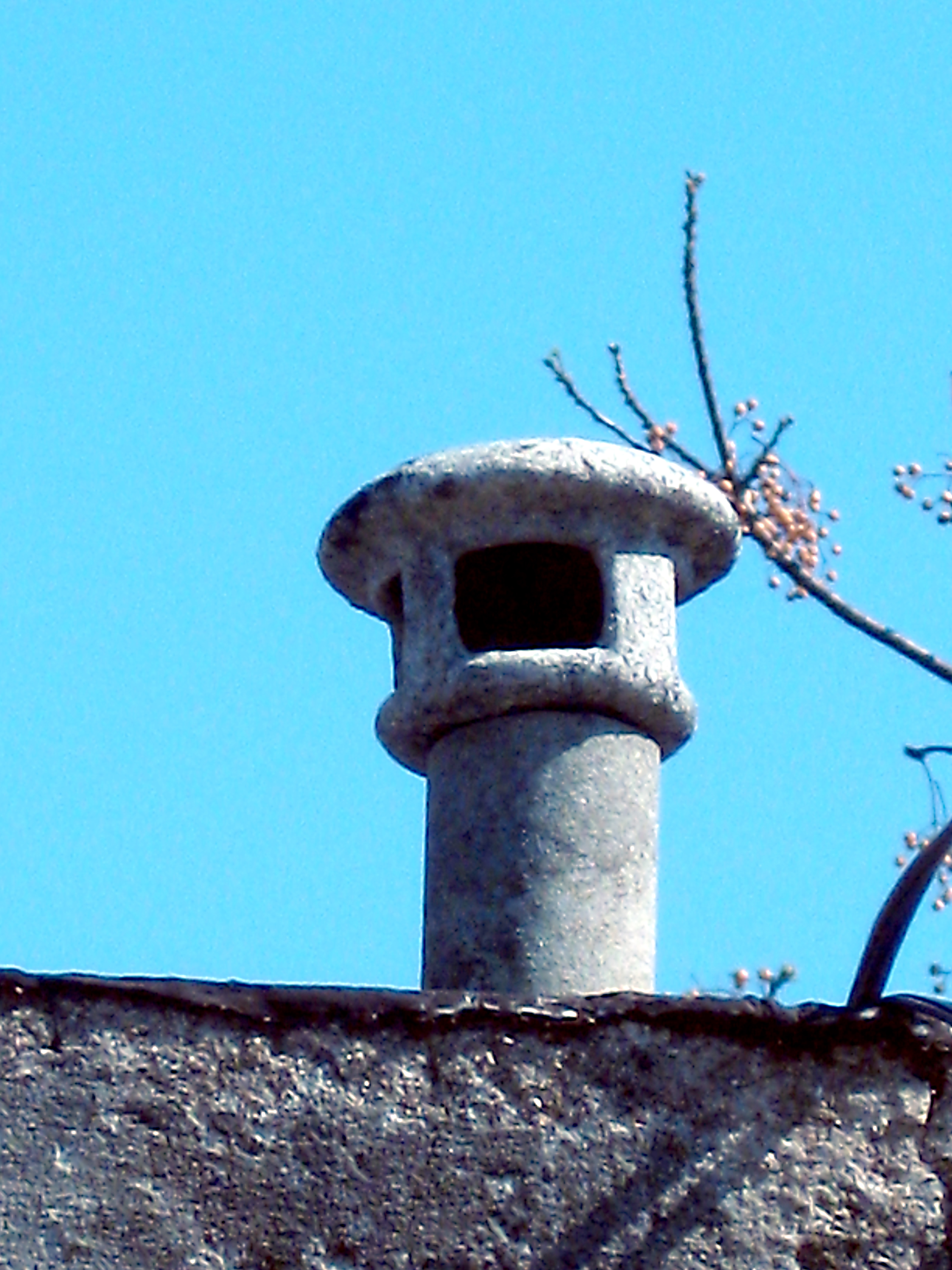
“White Mules and a Column of Smoke” was drafted during the August 2016 Tupelo Press 30/30 challenge. I am grateful to Natalie Butler, who sponsored the poem and whose photo inspired me.
The Ecstatics
Divisions and separations, a summing of consequences,
the brother whose ashes remained forever lost. Two cities
and their survivors’ shame. The loud, kind young man
whose words fell to the restaurant’s floor, unbidden.
What came next in the drift, untoward and misspent,
in the grammar of between? Darkness, suppressed.
Smoke. Pleasure and fear, unclothed.
“The Ecstatics” first appeared here in January 2016. It’s an odd piece, part of a larger sequence that I put on hold several years ago. Perhaps I’ll return to it someday.
Forgetting Charm
Even your bones remember what you’ve long discarded.
This field of stone grows beyond sight.
In our house the tang of burnt sugars.
You say I love you in four languages I do not speak,
but never in the one I claim.
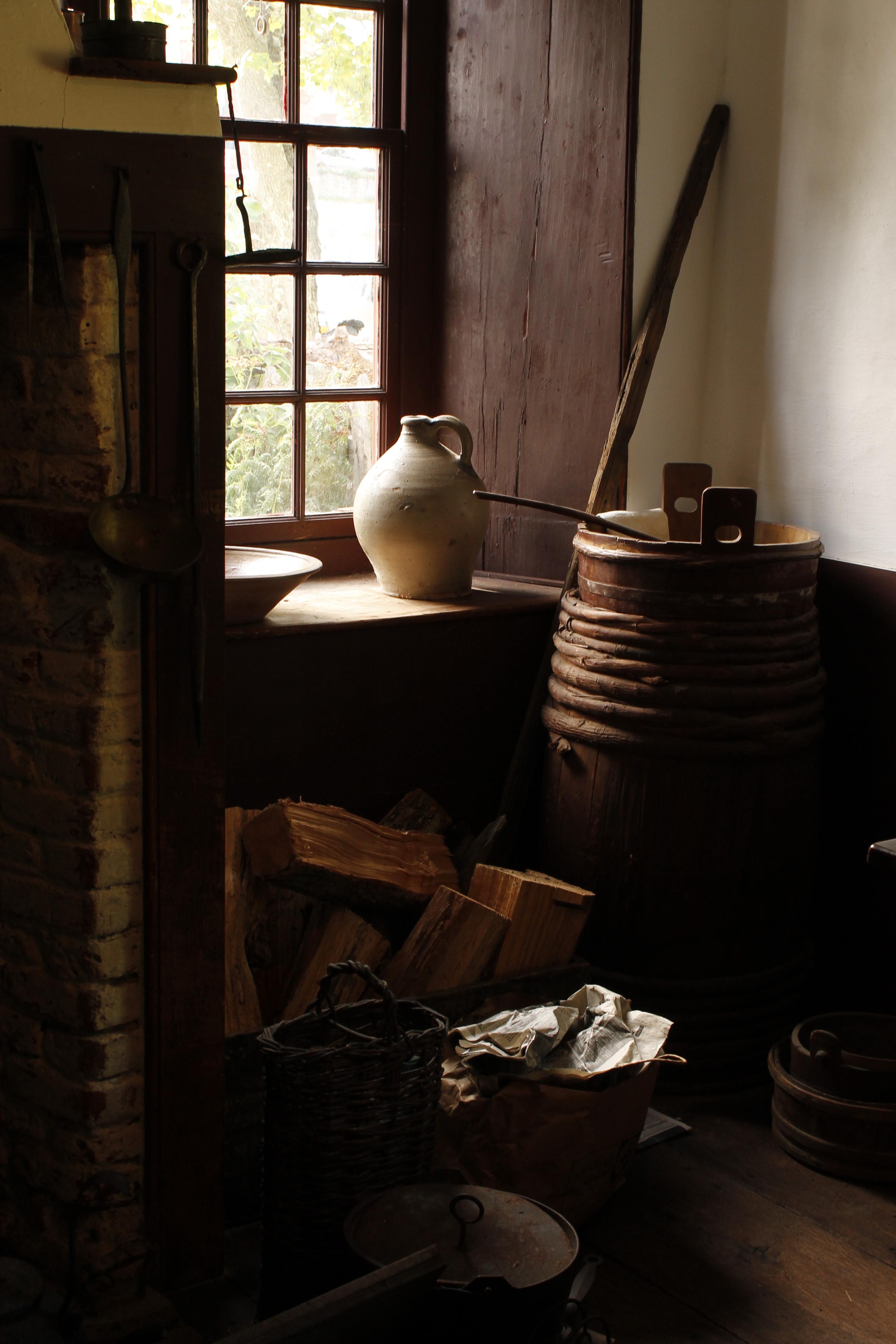
We light fires with stolen paper.
Douse them with stored rain.
Fragmented memories fill our cupboards.
Did I once know you?
Take these words from me.
Bury them in daylight.
* * *
“Forgetting Charm” was published in The Icarus Anthology in August 2017.
Music: “Crypto” Kevin MacLeod (incompetech.com)
Licensed under Creative Commons: By Attribution 3.0 License
http://creativecommons.org/licenses/by/3.0/

Driving to Work, I Pass Myself
Some days the drive takes twenty minutes,
on others, thirty or more. Seems I might pass
myself on the right morning if time flexed its
biceps or looped me into a dimensional shift
thick with donuts and tires and lost minutes.
How odd it would be to wave and say “see ya,”
knowing that tendered frustration grows in
distance, until it takes over the entire mirror.
Looking back, I see my frown diminishing
to a lone point in that shrinking van at the
hill’s crest. Will we meet in the parking
garage? Should I wait? You know the rules.

 O at the Edges