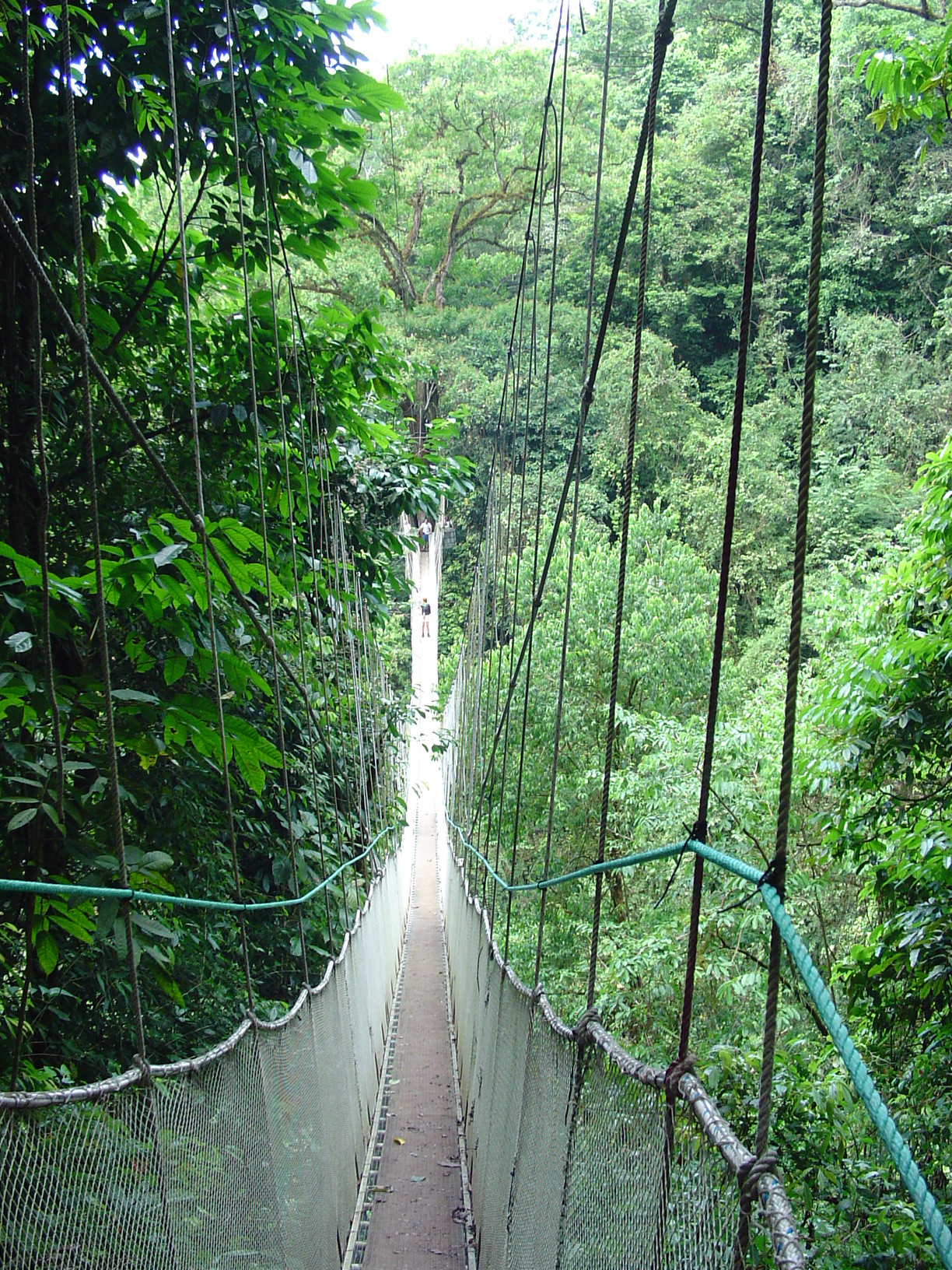
Rain Forest Bridge

bridge

Rain Forest Bridge

To cross
you must first
trust the strands

to hold.
The second tentative
step precedes
the next,

each successive one
gaining strength:
here to

there, now
to then, a summoning of
entreaties
within
one’s faith.

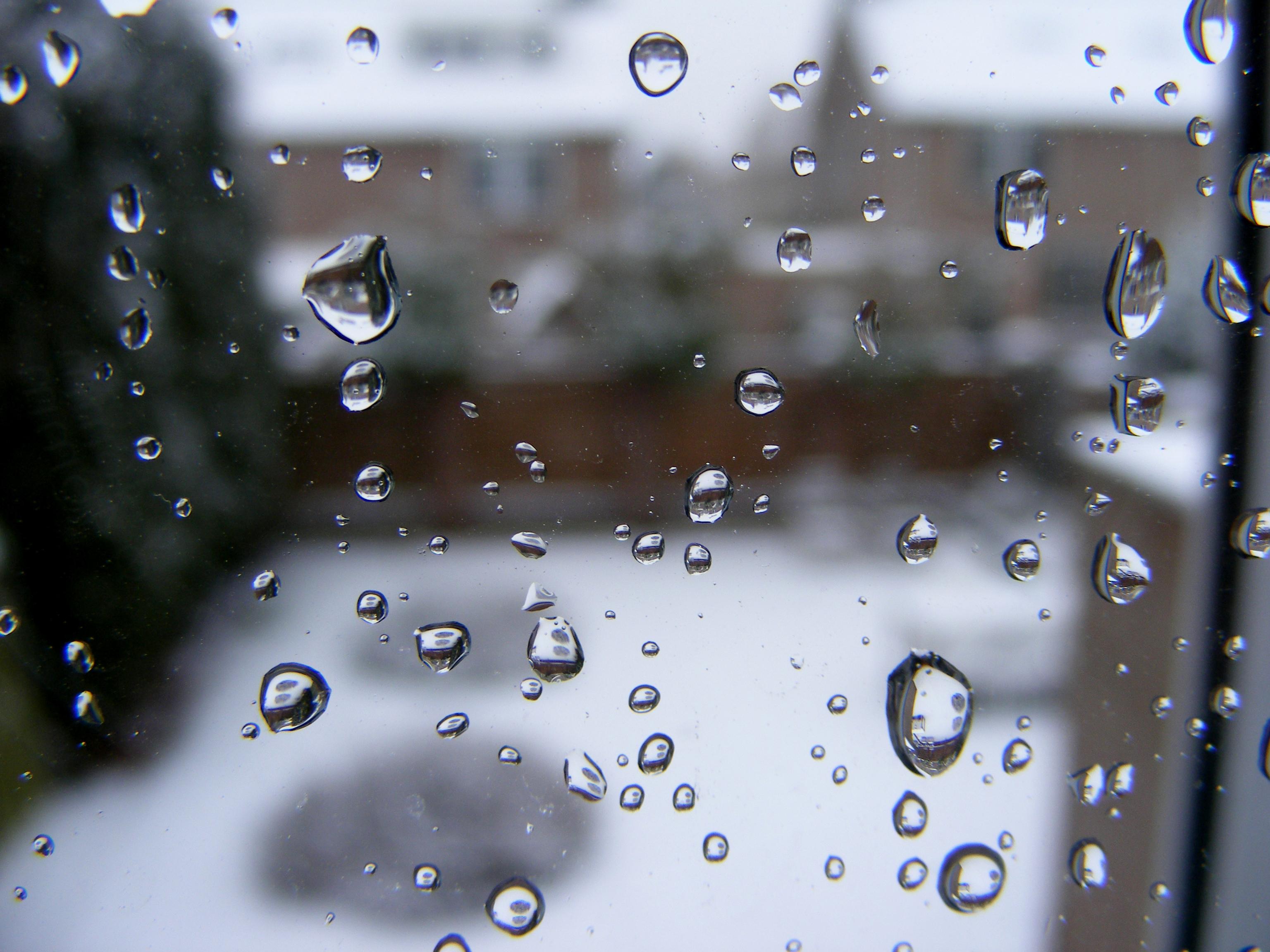
Vapor meets cooler air,
forming droplets,
clouding the far side.

I have feared endings
and the strictures of the unseen,

but here
in this vast
swaying,
I know

one line
bisects the void.

* * *

“Rain Forest Bridge” first appeared in Four Ties Lit Review in August, 2014.

rope

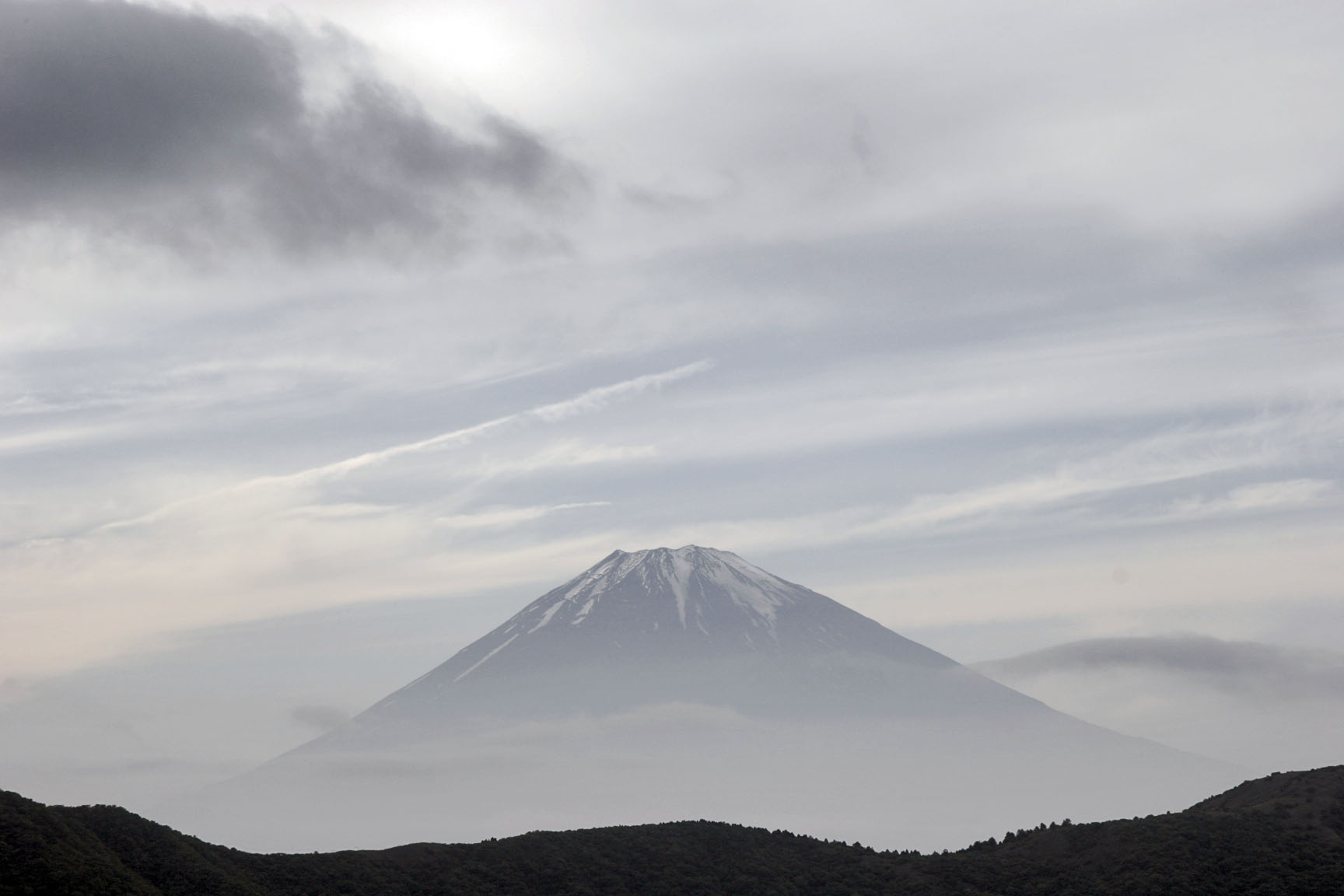
Snow Country

Fuji

Snow Country

desolate the reach
of space a
curved line of

white empty as
the loneliness one
feels the tone

is different on
a day like
this she says

unaware that her
words fall like
snow in the

mountains soft quiet
in the roar
no one hears


* * *

Another piece from the eighties…this first appeared here in November 2015.

FACES 2

Diverting Silence


Diverting Silence

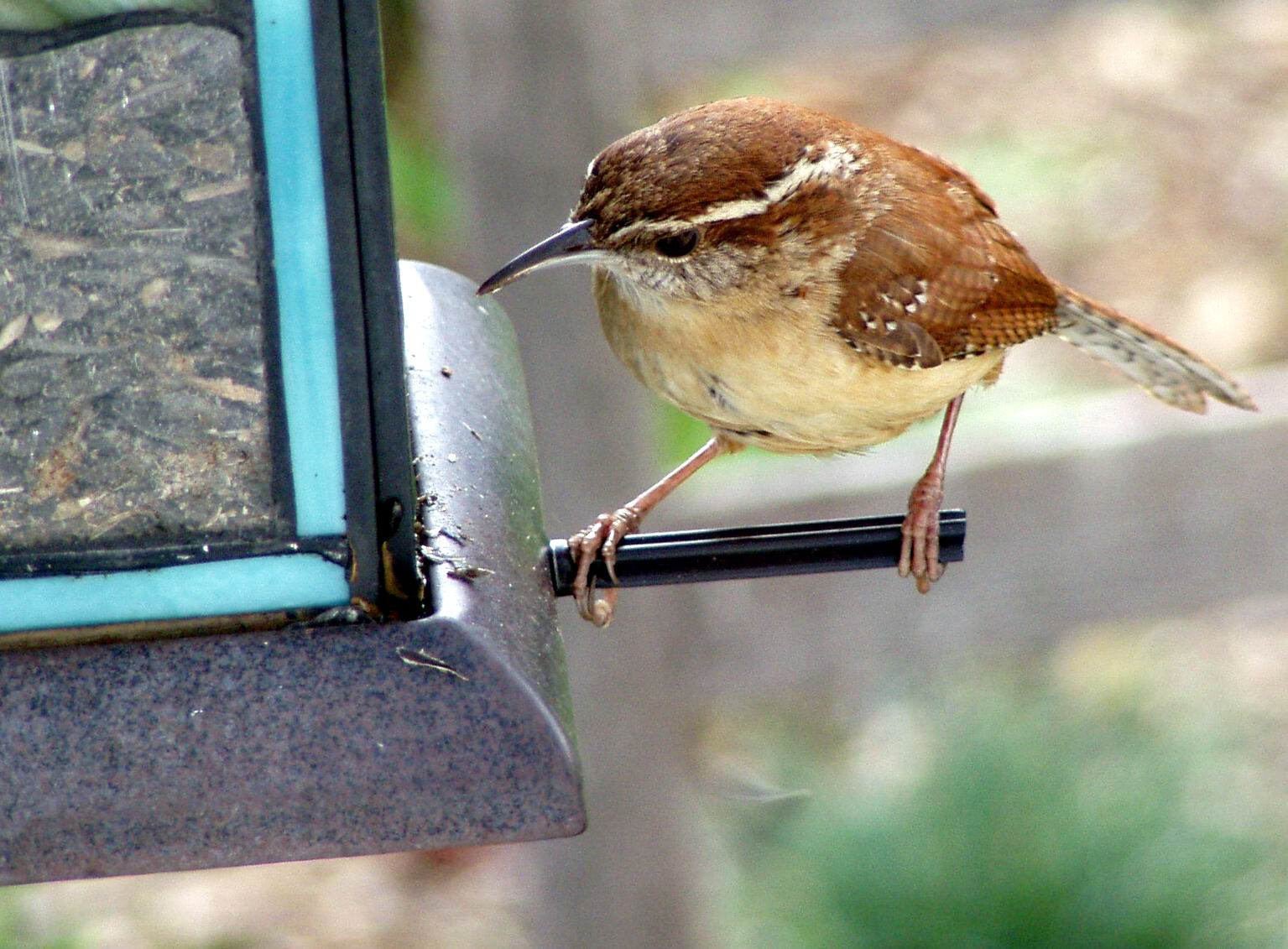
Wren canyons down the morning’s edge, proclaiming dawn.
Unpapered, unfettered, fearless, he abides.

I say “he,” but sexual dimorphism is not apparent in the species.
Accepting signals, we process and choose, freighting gender aside.

Listening requires contextual interpretation, as does belief.
Shrilling to the porch screen, he spears a moth, veers outward.

An acquaintance claims birds are soulless, existing only to serve God.
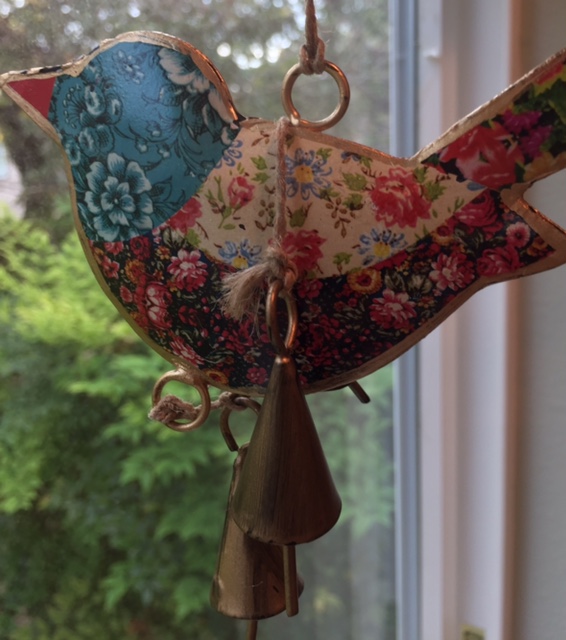
As temple bells exist solely to announce, and rain, to water lawns.

Faith’s immensity looms in the absence of proof.
Spherical and hollow, suzu bells contain pellets.

The search for truth without error does not preclude fact.
Even tongueless bells ring.


“Diverting Silence” was published in Taos Journal of International Poetry & Art in February 2017.

Shakuhachi Blues


Shakuhachi Blues

That waver,
like the end of a long

dream flickering to wakefulness,
or an origami crane

unfolding between whiskey
poured and the tale of deceit

and a good woman done wrong.
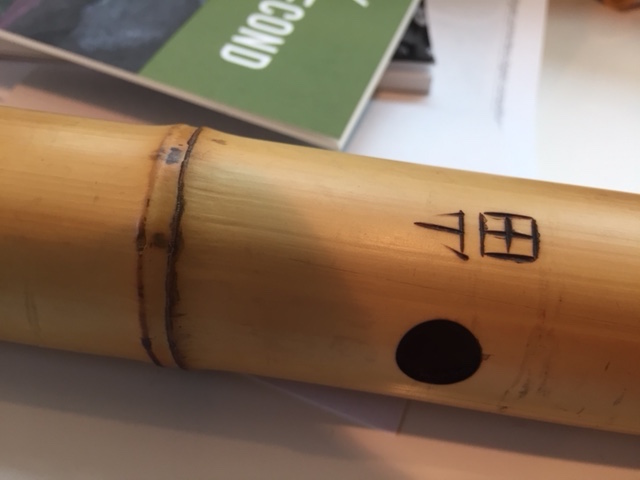
Air flutters through this bamboo

tube, and it seems I control
nothing. Inhaling, I try again.


A simple instrument that will take a lifetime to learn…

Poems Up at Buddhist Poetry Review


I’m delighted that my poems “Hurricane,” “Star Bright” and “Why I Hate Mowing the Lawn” are live at Buddhist Poetry Review.Thank you, Jason Barber, for taking these.


Three Self-Portrait Poems Up at The Dew Drop


Three of my self-portrait poems are featured at https://thedewdrop.org/2020/11/08/robert-okaji-three-poems/


RO

Ro

When this note fades
will it join you in that place
above the sky
or below the waves
of the earth’s plump
body? Or will it
circle back, returning to
my lips and this
hollow day
to aspire again?


Note: Ro designates the fingering required to produce a particular note on the shakuhachi, the traditional Japanese bamboo flute. In this case, closing all holes.


Morning Suizen


Morning Suizen

Boundless, it sips direction in the way of all music,
tonguing each note for its salt.

We call this ecstasy. Or peace.
Follow, and they still escape, always beyond
our outstretched fingers.

Exhale slowly. What do you know?

That long tunnel, ribbed in silence.
The scent of burning cedar.
Days framed in darkness and birdsong.


* * *

Note: Suizen is the practice of playing the shakuhachi, the traditional Japanese bamboo flute, as a means of attaining self-realization.


“Morning Suizen” first appeared on Nine Muses Poetry. Many thanks to editor Annest Gwilym for taking this piece.

Japanese Gardens

file3011293816499


Japanese Gardens

how natural the
lines falling so
purely as if

with a single
stroke we walk
through the opening

and see space
the white center
composed of sand

and gravel later
a gate opens
to another garden

its lantern and
stone so carelessly
arranged so deliberate


file3041292222348

“Japanese Gardens” first appeared here in January 2015.


How to Do Nothing

OLYMPUS DIGITAL CAMERA


How to Do Nothing

First you must wash the window to observe more clearly
the dandelion seed heads bobbing in the wind. Next,

announce on Facebook and Twitter that you will be offline
for the next two days, if not forever. Heat water for tea.

Remember the bill you forgot to pay, and then cleanse
your mind of all regret. Consider industrial solvents

and the smoothness of sand-scoured stone, the miracle
of erasure. Eliminate all thought, but remember

the water. Hitch a ride on a Miles Davis solo and float
away on a raft of bluesy notes and lions’ teeth,

and wonder how to sabotage your neighbor’s leaf blower,
but nicely, of course. She’s a widow with a gun.

Now it is time to empty yourself. Close your eyes.
Become a single drop of dew on a constellation of petals.

Evaporate, share the bliss. Stuff that dog’s bark
into a lock box alongside the tapping at the door,

the phone’s vibration, the neighbor’s rumbling bass,
and the nagging, forgotten something that won’t

solidify until three in the morning, keeping you awake.
But don’t ignore the whistling. You must steep the tea.


* * *

“How to Do Nothing” was published in Volume 4 of Steel Toe Review.

steel toe