Variations on a Theme

darkedinburgh_shadow

Variations on a Theme

1. The Long Night

We envy the shadow its attributes, its willingness to subside,
but what of its flesh?

I lay in the field and wept.

Think of the fragrance, the moist leaves
enveloping the still

warm body. In retrospect, I realize that I should never have left, that air
returns to voided space despite all attempts to disavow

light, that wind and rain and soil alike filter through the chest’s
cavity, that stones may bear one’s touch in perpetuity.

At nineteen, death had gifted nothing to my world.
At twenty, little else remained.

So close, so lovely.


2. The Loneliness of Shadows

Light collapsing around a point. The two-headed flower.

In my dreams, no one speaks.

Not the thing itself, the bud bursting forth, petals ablaze with color,
but rather change: the process reinforced.

Sleep seldom shows such kindness.

Or its fruit, redolent of sun and rain, withdrawn and shriveled,
and finally, ingested.

Yesterday I woke damp but unafraid.


3. Alchemy

Stones never talk, but they rise from the earth, appearing as if by invitation.

The way silence lines an unfilled
grave, which is to say as below

so above, an infinite murmur open to the night.
And other notions: transpiration.

Waste.
Sublimation. Calcination and burning.

At times I have withdrawn
like water from the air’s

body, fearful yet reckless in the act.
That evening the moon flickered and the shadows lay at our feet,

and all the words we never framed,
the bitters our tongues could not know, the wasted

music and abandoned caresses, those words,
sighed into the ground, leaving you adrift, alone.

But how else might one transform darkness to light?
Or the reverse.

huey_ef


This originally appeared in Boston Poetry Magazine in April, 2014, and was first posted here in July of 2015.

 

Listening to Cicadas, I See Charlottesville (Ghazal, with recording)


Listening to Cicadas, I See Charlottesville (Ghazal)

Shedding one coat, you live in the red, apart
from the rest. Never together, forever apart.

In this sun-drenched field, the cracks drill deeper,
wider, dribbling soil and small lives, expanding, apart.

What falls truer than any words released from this man?
Once divided, never again to touch, always apart.

The electric shrill fluctuates pitch, in unison. Hundreds
of tymbals, shredding dusk, now together, then apart.

You narrow your eye to a slit, but still see the entire
spectrum. Wing clicks, stridulation. Whole yet apart.

Shearing syllables, I learn the language of half-truth.
What is my name? I reach for that fragment. It falls apart.


Scarecrow Sees

Scarecrow Sees

Da Vinci maintained that sight relies on the eye’s
central line, yet the threads holding my
ocular buttons in place weave through four
holes and terminate in a knot. My flying friends
perceive light in a combination of four colors,
unlike the farmer, who blends only three. The
octopus knows black and white but blushes
to escape predators, while I remain fixed,
evading no one. Certainly my sense is more
vision than sight, and not the result of nerve
fibers routing light. Crows choose colors
when asked, but a certain shade of yellow
eludes them. And who would hear, above
the flock’s clamor, my claim to see this world
as it is? Grayscale, monochrome, visual
processing and perceptual lightness measures
mean little to one whose space accumulates
in uncertain increments – what is a foot to an
empty shoe? If I painted, which hues would
prefer my attempts, which would distract or
invade my cellulosic cortex, resulting in
fragmentation or blindness? Fear is not
limited to the sighted alone. I look out over
the field and perceive the harmonious
interaction of soil and root, leaf and sun,
the beauty of atmospheric refraction and
the wonder sprouting daily around me. Then
as one entity the crows explode into the blue,
leaving me alone with the shivering stalks,
questioning my place and purpose, awaiting
the next stray thought, a spark, a lonely
word creeping through this day’s demise.


This was written during the August 2015 Tupelo Press 30-30 Challenge, and was published by The High Window in December 2016.


How to Write a Poem (with recording)


How to Write a Poem

Learn to curse in three languages. When midday
yawns stack high and your eyelids flutter, fire up

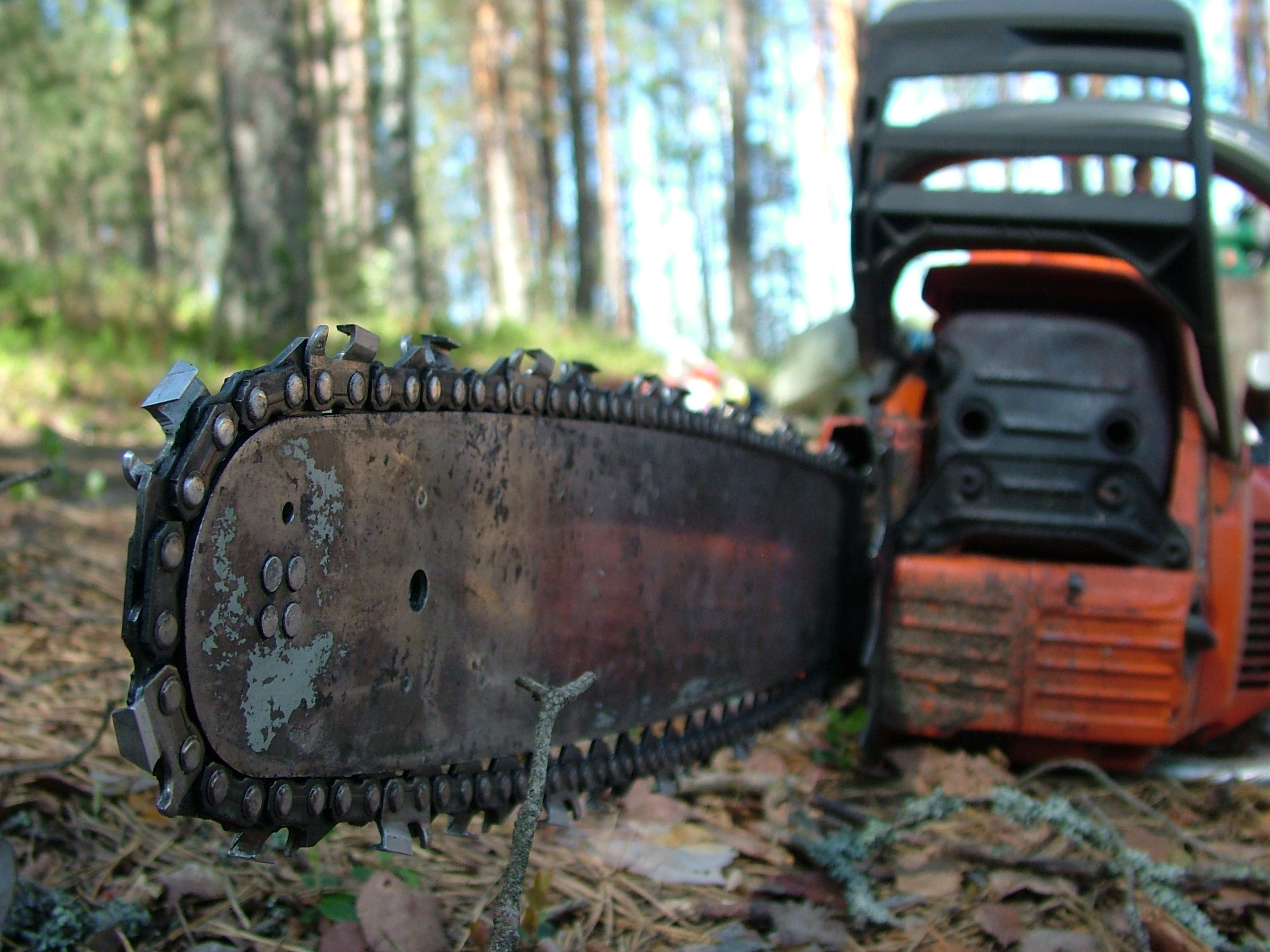
the chain saw; there’s always something to dismember.
Make it new. Fear no bridges. Accelerate through

curves, and look twice before leaping over fires,
much less into them. Read bones, read leaves, read

the dust on shelves and commit to memory a thousand
discarded lines. Next, torch them. Take more than you

need, buy books, scratch notes in the dirt and watch
them scatter down nameless alleys at the evening’s first

gusts. Gather words and courtesies. Guard them carefully.
Play with others, observe birds, insects and neighbors,

but covet your minutes alone and handle with bare hands
only those snakes you know. Mourn the kindling you create

and toast each new moon as if it might be the last one
to tug your personal tides. When driving, sing with the radio.

Always. Turn around instead of right. Deny ambition.
Remember the freckles on your first love’s left breast.

There are no one-way streets. Appreciate the fragrance
of fresh dog shit while scraping it from the boot’s sole.

Steal, don’t borrow. Murder your darlings and don’t get
caught. Know nothing, but know it well. Speak softly

and thank the grocery store clerk for wishing you
a nice day even if she didn’t mean it. Then mow the grass,

grill vegetables, eat, laugh, wash dishes, talk, bathe,
kiss loved ones, sleep, dream, wake. Do it all again.


* * *

“How to Write a Poem,” is included in Indra’s Net: An International Anthology of Poetry in Aid of The Book Bus, and has appeared on the blog as well.

All profits from this anthology published by Bennison Books will go to The Book Bus, a charity which aims to improve child literacy rates in Africa, Asia and South America by providing children with books and the inspiration to read them.

Available at Amazon (UK) and Amazon (US)

Setting Fire to the Rose Garden

flame


Setting Fire to the Rose Garden

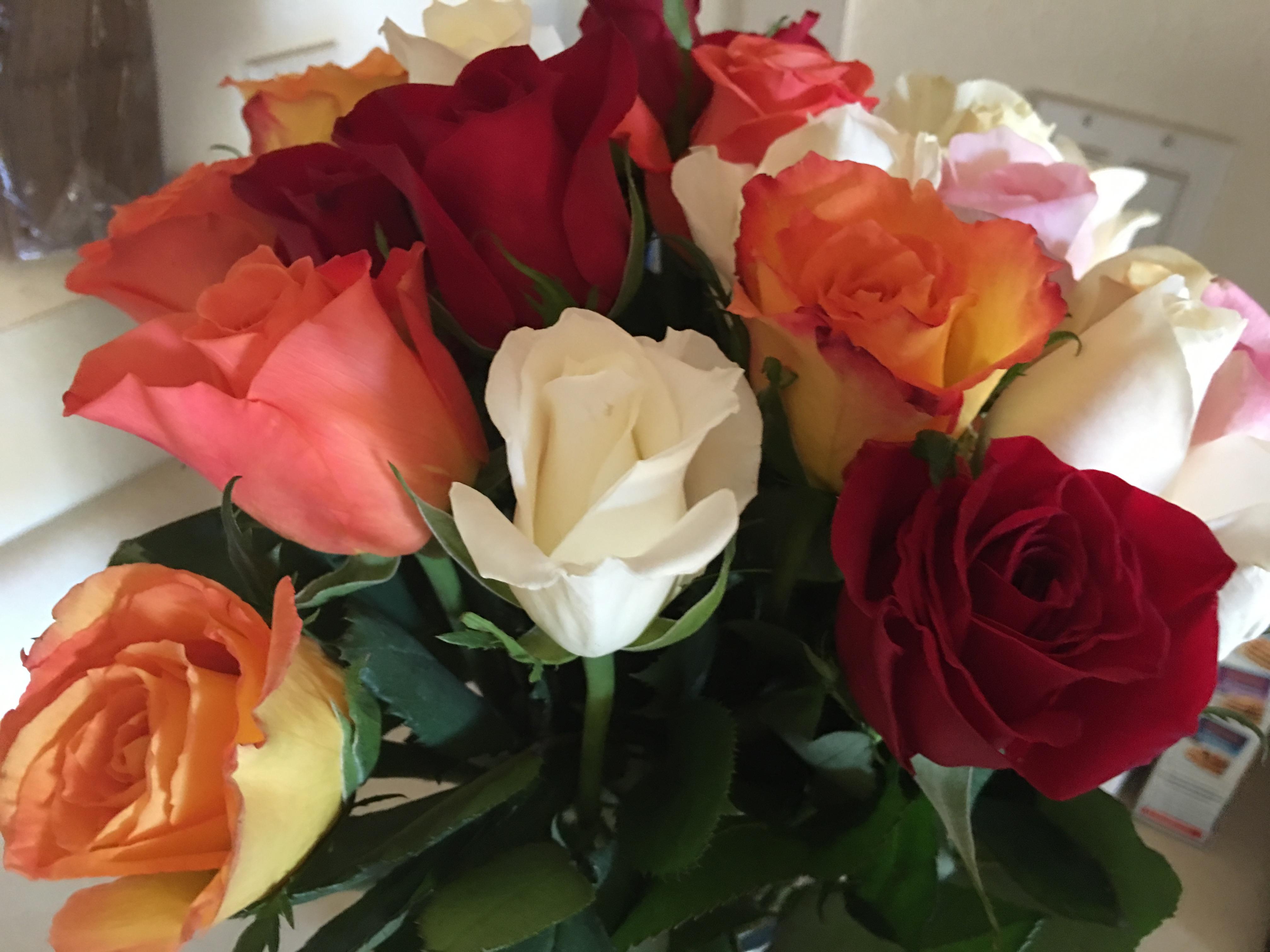
Each flower is a gift, a testament to
another morning’s arrival.
I watch you tend the firestar, its
mango-colored petals flirting with

the fire ’n’ ice’s elegant
red, accepting the pink indictment
of the flaming peace, and the
scarlet fireglow’s blush. You are like

a new sunlight crossing the day,
yet when I wave, a cloud passes over
you. Flames differ in this regard,
knowing they exist only as the product

of heat, oxidation and combustible
material, yet sharing their brief lives
with all who care to notice. I inhale
your dark thoughts, holding them

within, but later assemble my own
bouquet — wood chips and diesel
fuel, ground spinners, snakes,
strobes, rockets, candles, shells,

repeaters and a spark timer — and
plant it fondly in the garden. Oh,
how they’ll blossom before dawn’s
first touch. How they will shine.


roses


“Setting Fire to the Rose Garden” was drafted during the August 2015 Tupelo Press 30/30 Challenge, and was subsequently published in The Paragon Journal’s [Insert Yourself Here]: an Anthology of Contemporary Poetry


Poem Up at Clementine Unbound

My poem “Love in the Time of Untruth” is live at Clementine Unbound. Many thanks and much admiration for editor G.F. Boyer for taking this piece and for being so kind during a difficult time.


Poems for Peace Reading on Friday, April 12 in San Antonio

You are invited to a reading of

The Larger Geometry: poems for peace

Featuring

Jim LaVilla-Havelin, Patricia Spears Bigelow, Jeanie Sanders, Rachel Clark, Michael Vecchio, Robert Okaji, d. ellis phelps, and Rebecca Raphael

With Brianna Martinez on flute!

Friday, April 12, 2019 P.M. at The Twig Book Shop, 306 Pearl Parkway #106, San Antonio

Free & open to the public.

I’m delighted to be reading at my favorite San Antonio bookshop in the company of good friends and friends-to-be!


Rain Forest Bridge

bridge

Rain Forest Bridge

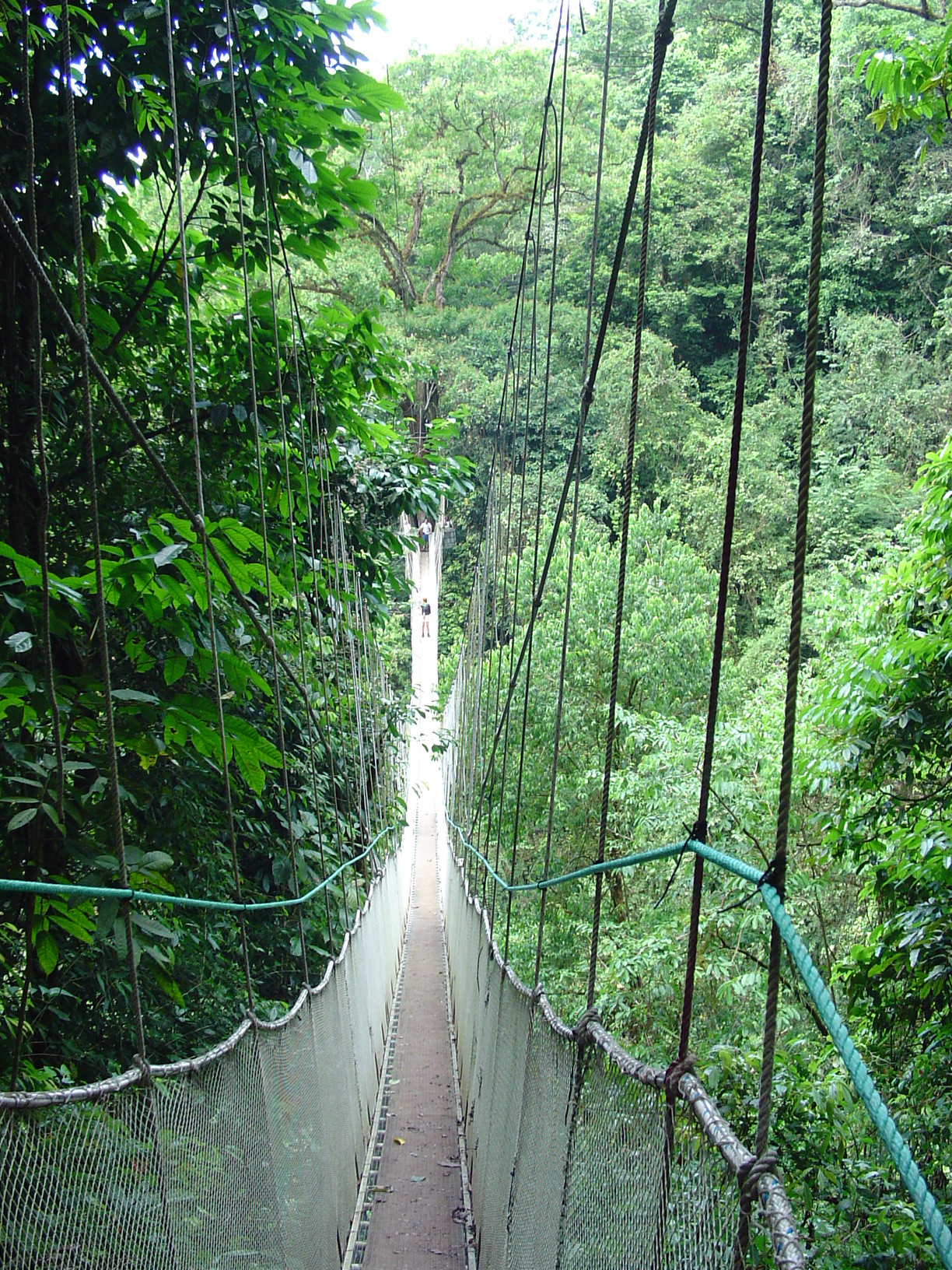
To cross
you must first
trust the strands

to hold.
The second tentative
step precedes
the next,

each successive one
gaining strength:
here to

there, now
to then, a summoning of
entreaties
within
one’s faith.

Vapor meets cooler air,
forming droplets,
clouding the far side.

I have feared endings
and the strictures of the unseen,

but here
in this vast
swaying,
I know

one line
bisects the void.

* * *

“Rain Forest Bridge” first appeared in Four Ties Lit Review in August, 2014.

A recording of it may be found on the Four Ties site.

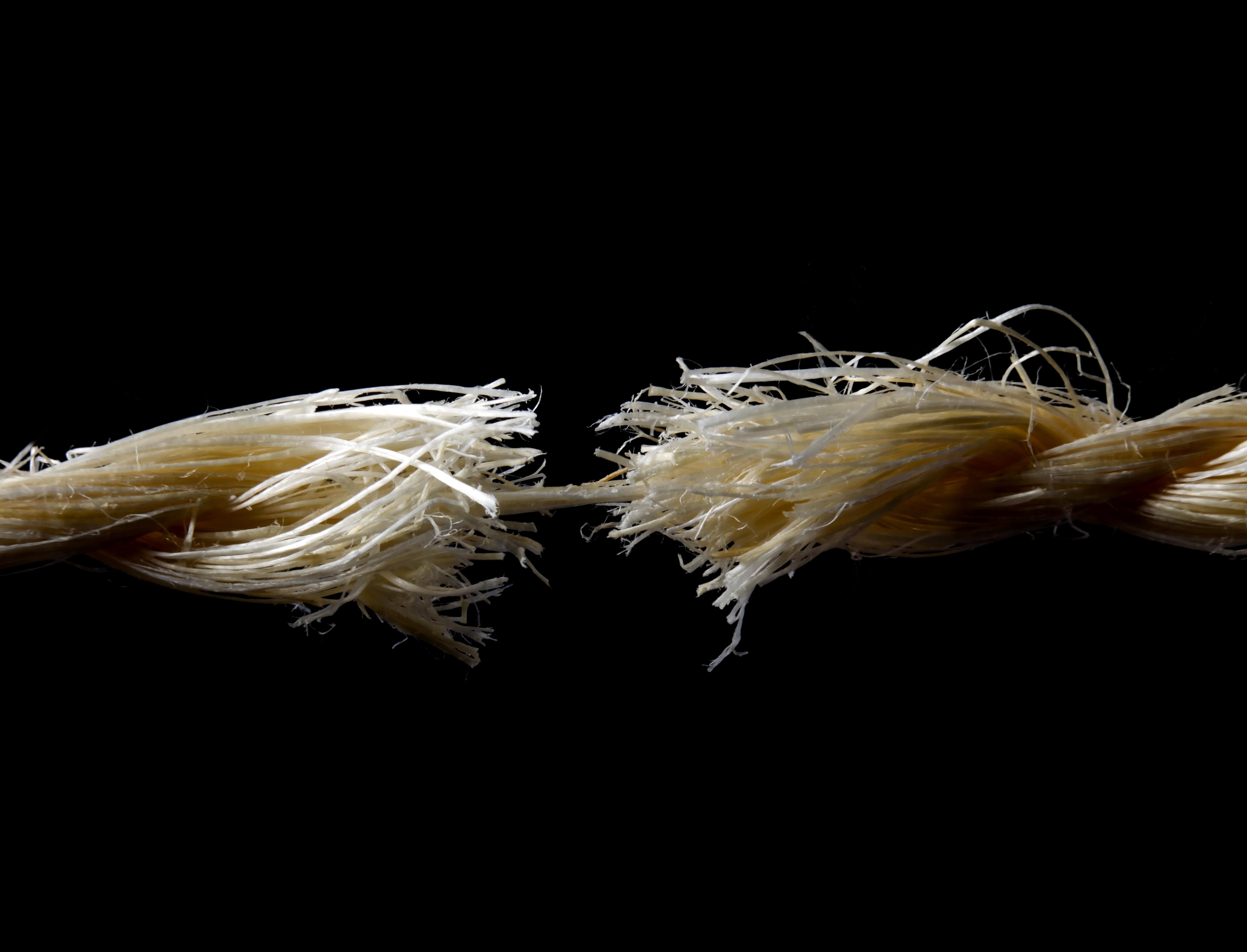
rope

Your Armpits Smell Like Heaven

glacier

Your Armpits Smell Like Heaven

But your breath could melt a glacier at three
miles, she says, and then we might consider
the dirt under your nails, the way you slur
your sibilants, and how you seldom see

the cracked eggs in a carton, a downed tree
branch in front of you, the ripened blister
of paint in the bedroom, or your sister
lying drunk on the floor in her own pee.

Back to your armpits. Do you realize
we could bottle that aroma and make
a fortune? I inhale it and forgive

your many faults. The odor provokes sighs
and tingles, blushes I could never fake.
Ain’t love grand? Elevate those arms. Let’s live!


Never in my wildest dreams did I envision writing a poem about armpits. But the August 2015 Tupelo Press 30-30 challenge, and Plain Jane, the title sponsor, provided that opportunity. This first appeared here in April 2016, and was subsequently published in Algebra of Owls. Many thanks to editor Paul Vaughan for taking it.

armpits

Letter to Schnee from the Stent’s Void


Letter to Schnee from the Stent’s Void

Dear Dan: I’ve been trying to revive that dream,
the one in which the rare Texas bird sings “cuckoo, y’all,”
before shimmering through the night’s shrilling heart
and wakefulness, as you clamber up the balcony to join me
in knocking back Japanese single malt, chilled soba and Doritos.
The distance between earth and a first floor balcony may vary,
but the fall’s impact can’t ache so much as what never was or won’t
be. My mother’s family hovers out there in the World of Darkness,
while I stumble through my days under the Texas sun, rice grains
trickling from holes in my pockets, studding the way between
there and here, back and forth, between us and them, now and
maybe. I confess that communication doesn’t come naturally
to me. I’m reticent and slow on the uptake, and enjoy my time
as a shaded diminishment with only occasional forays
into the light. So much to learn, so little capacity. I could spend
hours watching the spider working among the unread books,
while my mandolin languishes in its case and the earth
keeps spinning, spinning, holding us in place. What tunes
have I forgotten, which remain unsung? The wire mesh tube
in my heart cleared the way from a numbered life, and now
I roll along in words, which bear their own bags of worry.
But I’ve learned to empty and stack the burlap on the floor near
the resonator, and the sacks magically replenish themselves
every night. So it goes. Empty, refill. Like a glass of Hibiki,
or blood pumped through our anterior descending veins.
Tonight rice and peppers will fill my belly, with fish, a mango
cream sauce, and a bitter ale, which I would share with you,
perhaps in another dream, or better yet, in person, under
stars announced by mythical birds on a warm night with
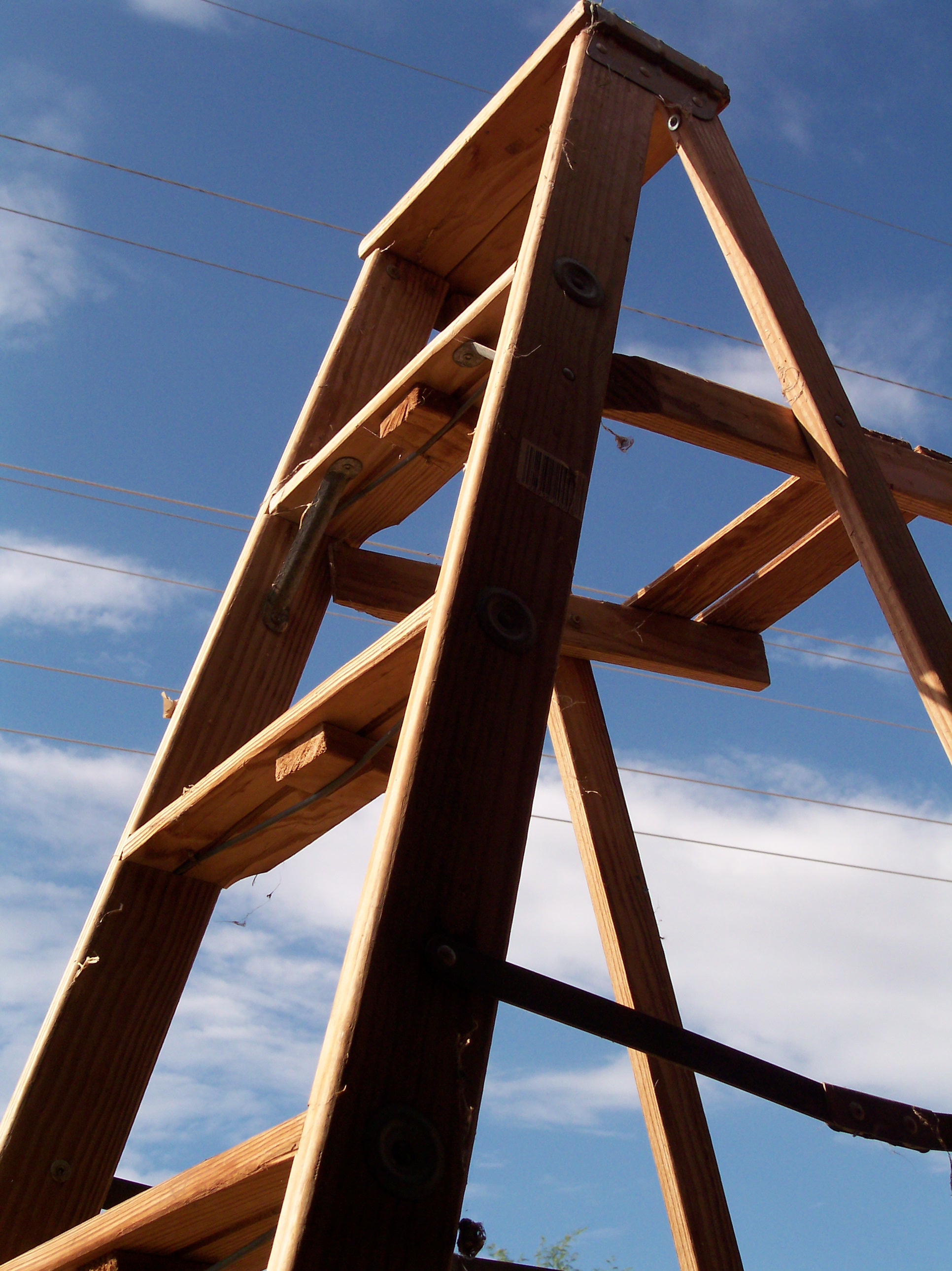
laughter in the breeze. No ladder needed. Come on up. Bob.


“Letter to Schnee from the Stent’s Void” was first published in Lost River in August 2018. Many thanks to editor Leigh Cheak for publishing this piece.