Nights at the Magdalene Laundry

cemetery

Nights at the Magdalene Laundry

Waiting, as if it could
be foreseen, as if influence and love
and truth could ease into the conversation,

she pours water into the night’s
mouth. A little longer, says the voice,
and the wind bends the grass,

reaching, without apprehension, a conclusion.

Which is not to claim verity, nor the patience of stone
crumbling along the ledge.

She leaves when nothing remains.

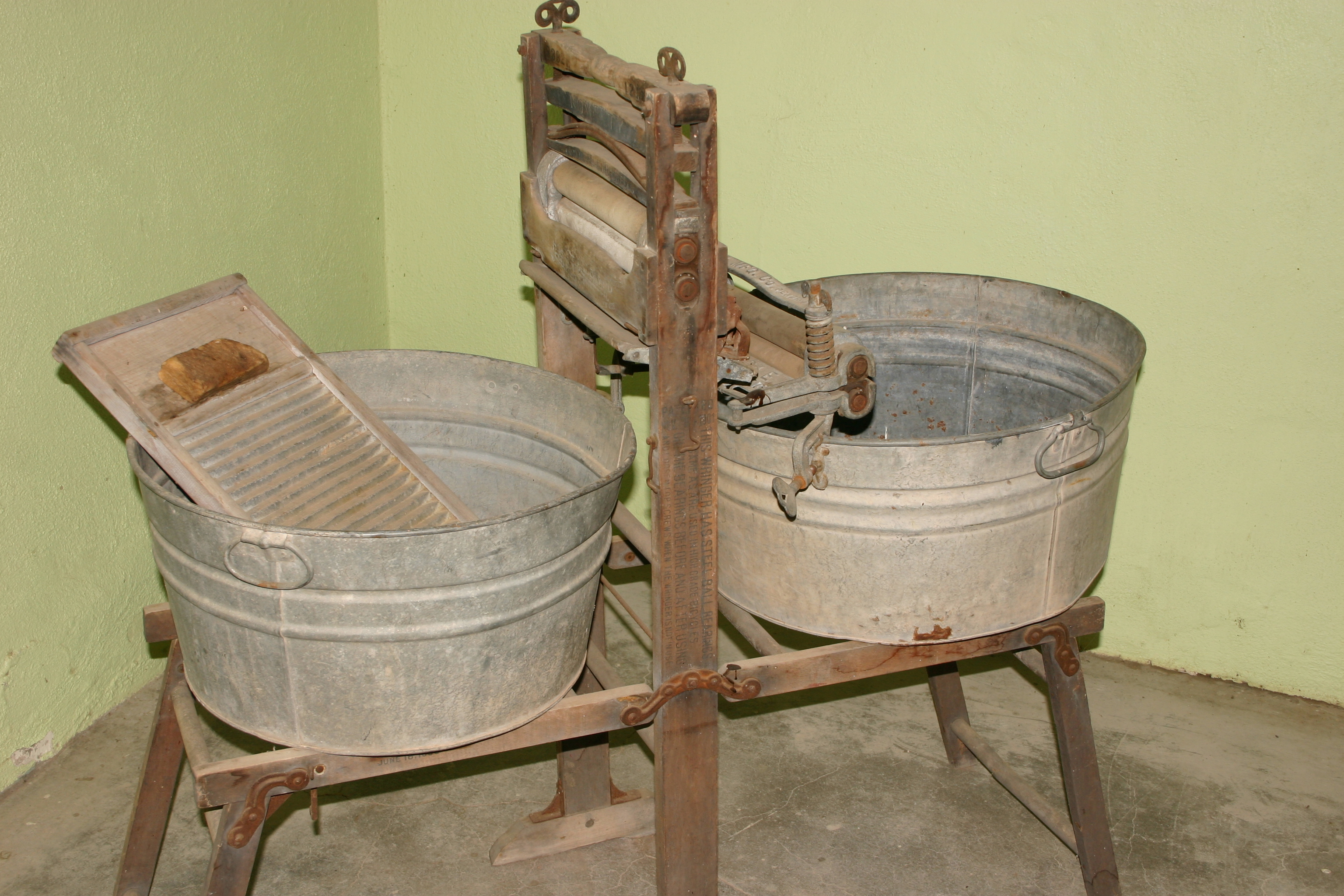
washtub

“Nights at the Magdalene Laundry” first appeared here in January 2016, and was subsequently published in The Basil O’Flaherty, in November 2016.

In the Key of Your Hour

blueguitar


In the Key of Your Hour 

The words I sing are draped in silence,
wedged between notes yet flowing forward.

Stop-time presents the illusion of interrupted tempo and meter.

Perception informs our spirits.

The old guitar hangs on the wall and seldom speaks,
preferring instead to lightly hum when the wind blows just so.

The conceit of two right hands. A slamming door.

Music enters my room by subterfuge, but exits boldly.

If simultaneity is relative, how do we assign primacy
to an overtone? One voice, one whole.

We must respond to our bodies. In kind, with trust.

I ask you to listen without considering the requisite commitment.

The broken circle represents common time replete with imperfections,
linking the measurable to the internal well.

Gather what comes, no matter the source.

Mark time and repeat: harmonics, the quivering string. Breath.

“In the Key of Your Hour” appeared here in September 2016, and is also in my chapbook-length work, The Circumference of Other, which is included in IDES: A Collection of Poetry Chapbooks, published by Silver Birch Press in 2015.

OLYMPUS DIGITAL CAMERA

That Number Upon Which The Demand Lieth

That Number upon Which the Demand Lieth

Overcoming duality, yet binding: the trinity.
Beyond the contrast of two, it initiates the concept of many.
Albertus Magnus claimed that three lives in all things.

Becoming; being;
disappearing.

In Old Saxon, the month of May is named trimilki, season of three milkings.
Number as quality depends upon the visual field.
The ancient Egyptian sign for the plural requires three strokes.

Points; lines;
angles.

Lao-tzu said the triad produces all.
Acronyms, sports, and traffic lights reflect our ternary culture.
The devil may appear in the form of a three-legged hare.

Witness; testament;
tribute.

Representing the unknowable: I, you, and the beyond.
The figure of completion, the number of the cube.
A Sumerian number sequence began “man, woman, many.”

Curse; liturgy;
blessing.

The scale as a succession of thirds.
Imperfection implies the concealment of perfection.
Shiva’s number, his eyes, his braids, his place.

Root; third;
fifth.

The triangle in Euclidean space.
I walk the three roads to the commonplace, preferring rhetoric.
Three to through, it penetrates the personal, unhinges that door.

The law; the land;
the world to come.

“That Number upon Which the Demand Lieth” was published in Posit: A Journal of Literature and Art  in September 2017. I am grateful to editor Susan Lewis for taking this piece.

3 Poems in The New Reader Magazine

My poems “The Body Gives,” “Drawer of Possibilities,” and “Riddle, Dollar, String” have been published in The New Reader Magazine, which is available for free download here. Many thanks for editor Dominique Dela Paz for taking these.

Bottom Falling


Bottom, Falling

Through that window you see another bird
rising, unlabeled, unwanted, yet noticed.
A limb’s last leaf. The boy’s breath.
Like the morning after your father died,
when temperature didn’t register
and heat shallowed through the morning’s
end. Still you shivered. Glass. Wind.
Night’s body. How to calibrate nothing’s
grace? Take notes. Trace its echo. Try.

“Bottom Falling” was published in Into the Void in October 2016, and is included in my chapbook, From Every Moment a Second.

John Ronan On Seamus Heaney’s “Digging”


A few days ago I read a glowing review of an Instagram poet, whose name I’ll not mention, which contrasted her writing to Seamus Heaney’s. In short, the reviewer complained that Heaney’s writing was too complicated, used too many words, and took too long to read. Yeah, I thought, but he never wasted one!

Needing an antidote to that vapid assessment, I found John Ronan’s essay on Heaney’s “Digging.” I feel much better now.

And here’s a recording of the poem.

From Alternative Fiction & Poetry (1987)

file8981286030058

(This first appeared here in March 2014).

Quite the interesting mag back in the day. This particular issue saw the likes of Bukowski, Ivan Arguelles, Lyn Lifshin, Norm Moser, Sheila E. Murphy, and, well, me, among others. I was thinner back then, as was my poetry.

no more than
the slow grace
of light turning

the leaf so
patient in the
air and colder

now that sense
of permanence unfurled
it is not

long to wait
as Wang Wei
said in his

letter I listen
for a sound
but hear none

file000517598275

The Ecstatics

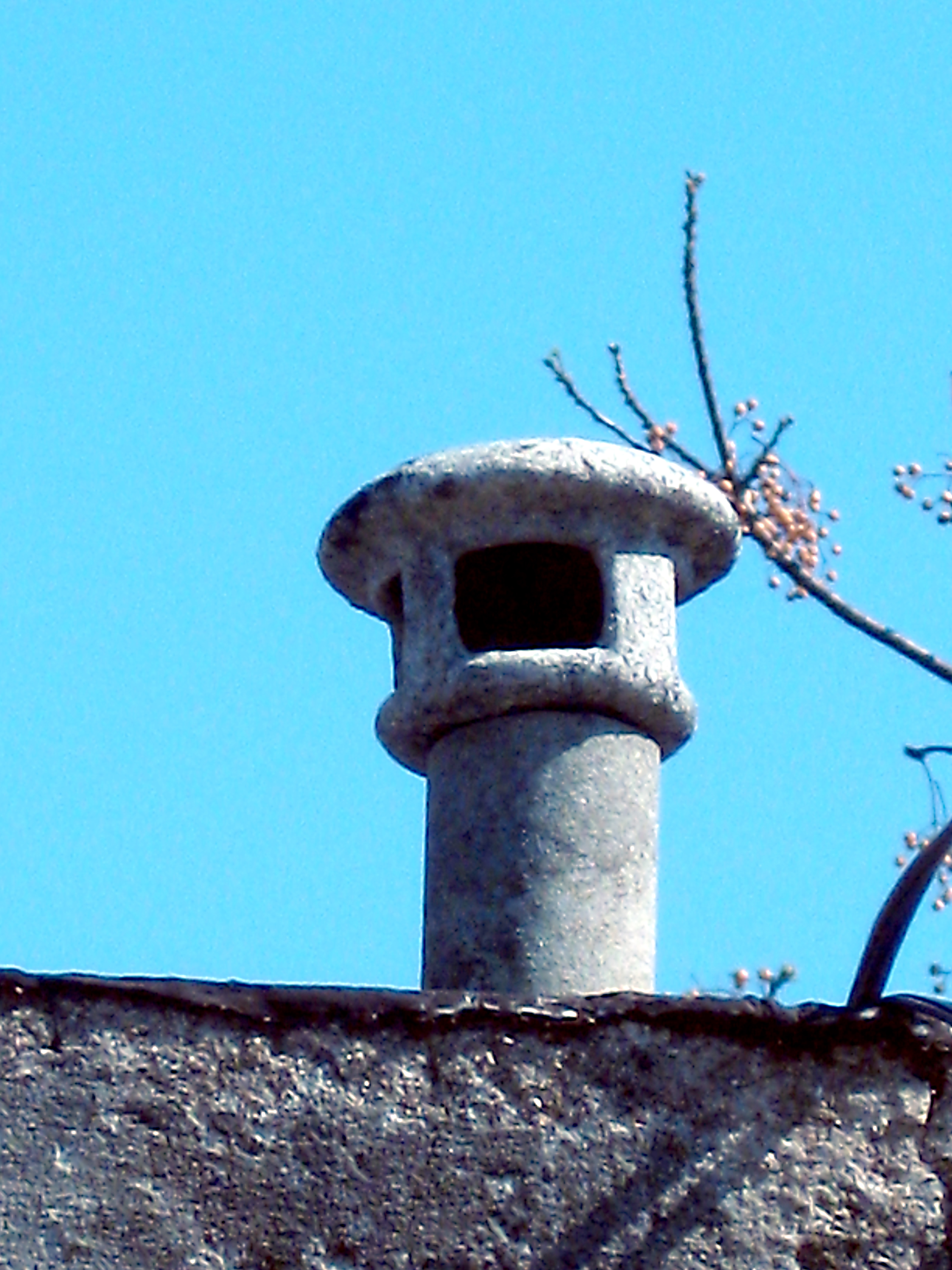
chimney


The Ecstatics

Divisions and separations, a summing of consequences,
the brother whose ashes remained forever lost. Two cities
and their survivors’ shame. The loud, kind young man
whose words fell to the restaurant’s floor, unbidden.
What came next in the drift, untoward and misspent,
in the grammar of between? Darkness, suppressed.
Smoke. Pleasure and fear, unclothed.


sorrow bw

“The Ecstatics” first appeared here in January 2016. It’s an odd piece, part of a larger sequence that I put on hold several years ago. Perhaps I’ll return to it someday.

PLEASURE IN ABSENCE OF ENDING (ENSŌ)

Pleasure in Absence of Ending (Ensō)

Thoughtful, proposing not end, but process.

In this noon’s grayness I disclose my need.

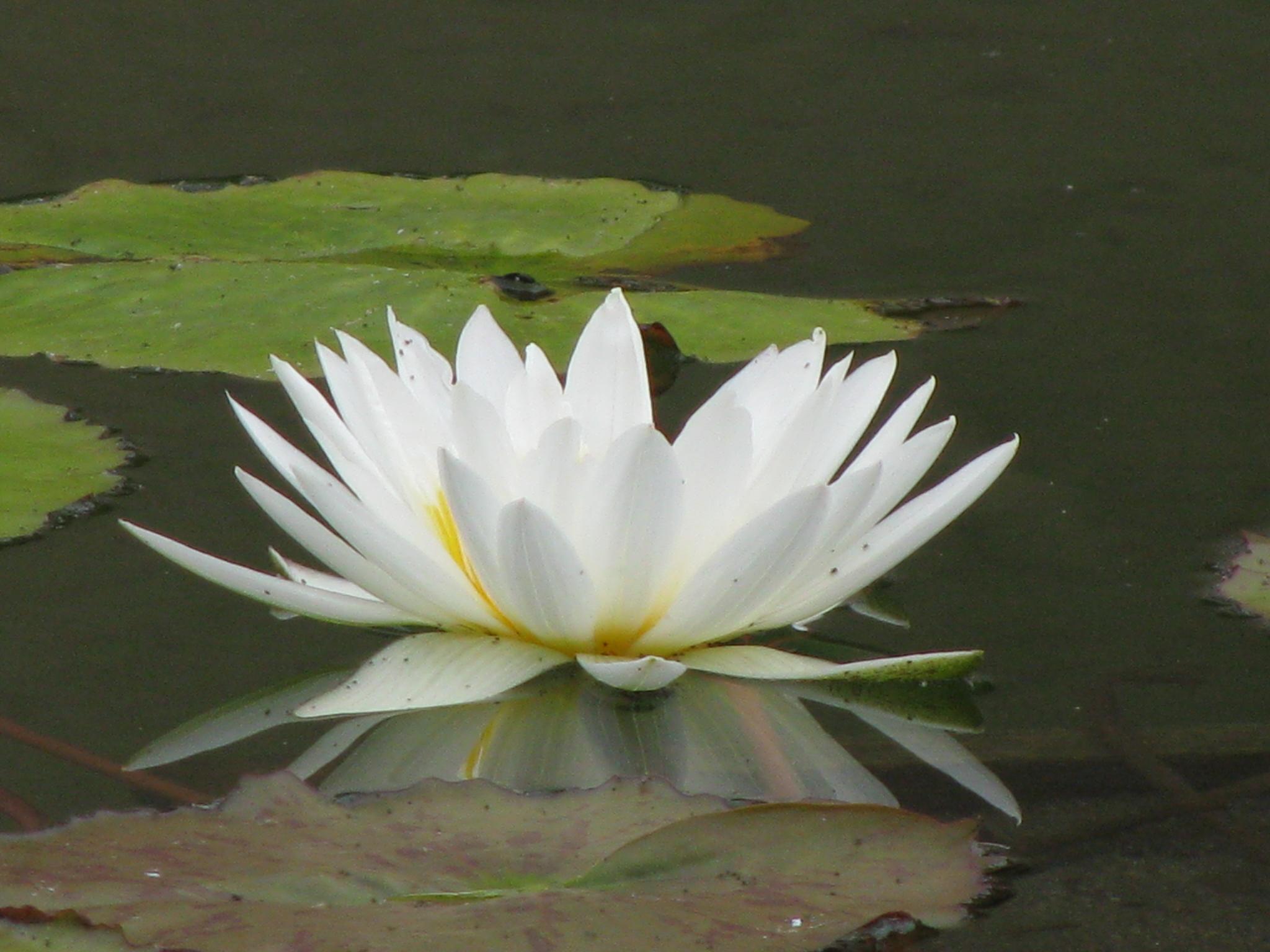
Which is a lotus floating in your pond, a clutch of zeros
blooming in moonlight. Last night’s missing sleep.

An ending, by definition, concludes.

But what occurs in a circle’s body, or infinity’s border?

Imprecision acknowledged, I sip wine and gauge distance.

Take comfort in the disorderly.

Starting at the top, the brush moves down and right,
clockwise, then rising in opposition, halts.

Drifting, incomplete, I step back.

Some leave a gap; others do not.

* * *

This first appeared in Posit: A Journal of Literature and Art in September 2017.

This Island is a Stone


This Island Is a Stone

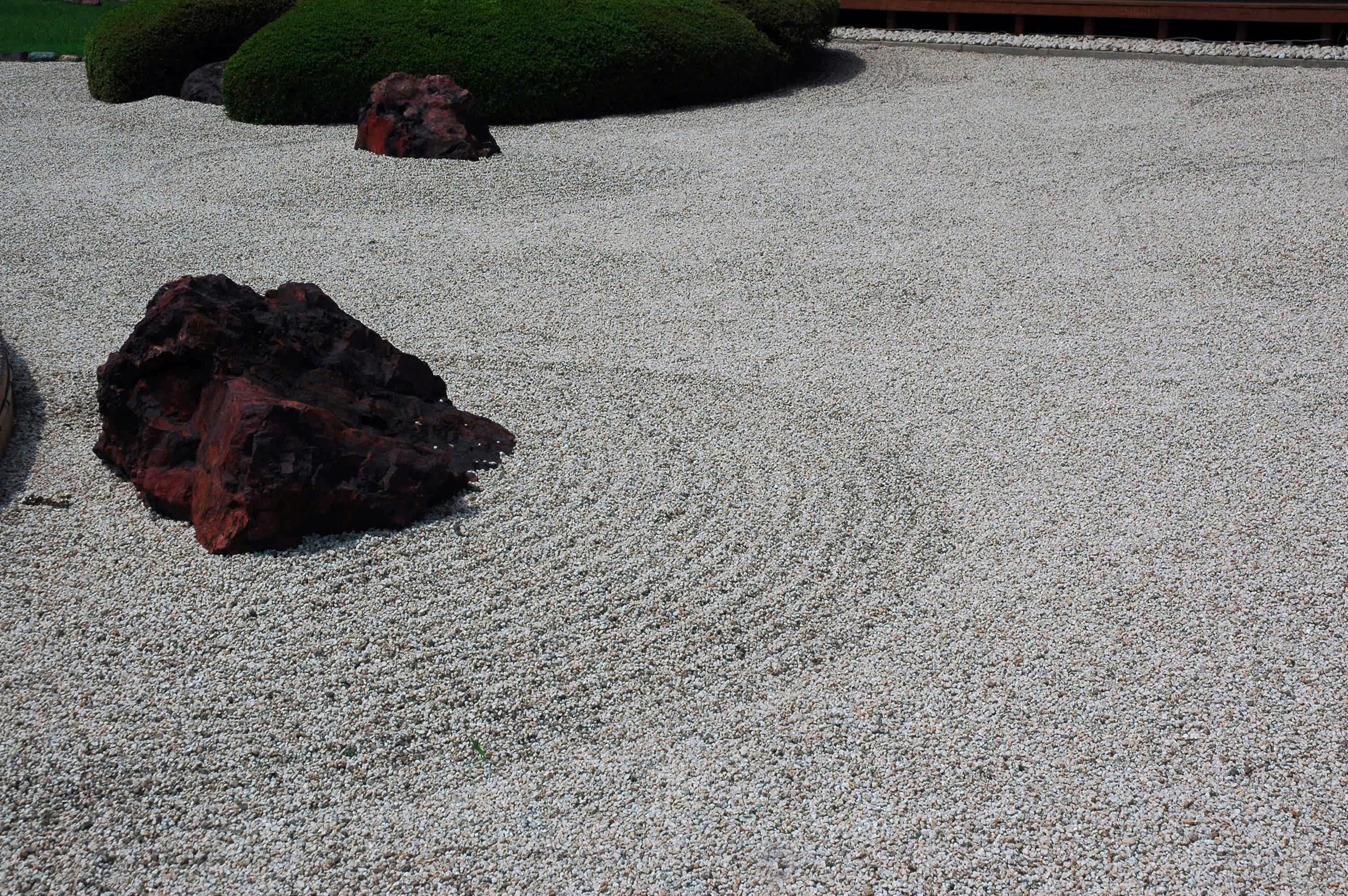
Raking the sand, I leave only the infinite
trickling behind; our first bed bore your

parents’ memories. This one grows weeds. The
heavenly bamboo (a shrub and not a grass)

issues white petals and inedible red fruit. My
fingertip callouses have softened from disuse;

coyotes no longer answer my yips and howls.
Who replies to liars anyway? A snail’s love

dart impales the object of its affection, but
often inconveniently. This is not a metaphor

for bad sex, but a means of transferring an
allohormone. Today the overburdened creeks

erode their banks and 492 seconds after
departing the sun a ray greets my lawn. I snap

the towel at the fly on the door, but miss
again. The once sacred now lies open and

emptied; a few months ago my father could not
remember my birthdate although he recognized

the season. Some totals may never satisfy.
If I collect my life’s accumulated wastings, will

that sum temper me or merely accentuate the
fool? Nothing is as it seems. We mark our

remaining days with unread books. These
waves are plotted creases, this island is a stone.

“This Island Is a Stone” was published in MockingHeart Review in September 2017. I am grateful to editor Clare L. Martin for publishing this piece.