The transliteration on Chinese-poems.com reads:
Spring sleep not wake dawn
Everywhere hear cry bird
Night come wind rain sound
Flower fall know how many
The transliteration on Chinese-poems.com reads:
Spring sleep not wake dawn
Everywhere hear cry bird
Night come wind rain sound
Flower fall know how many
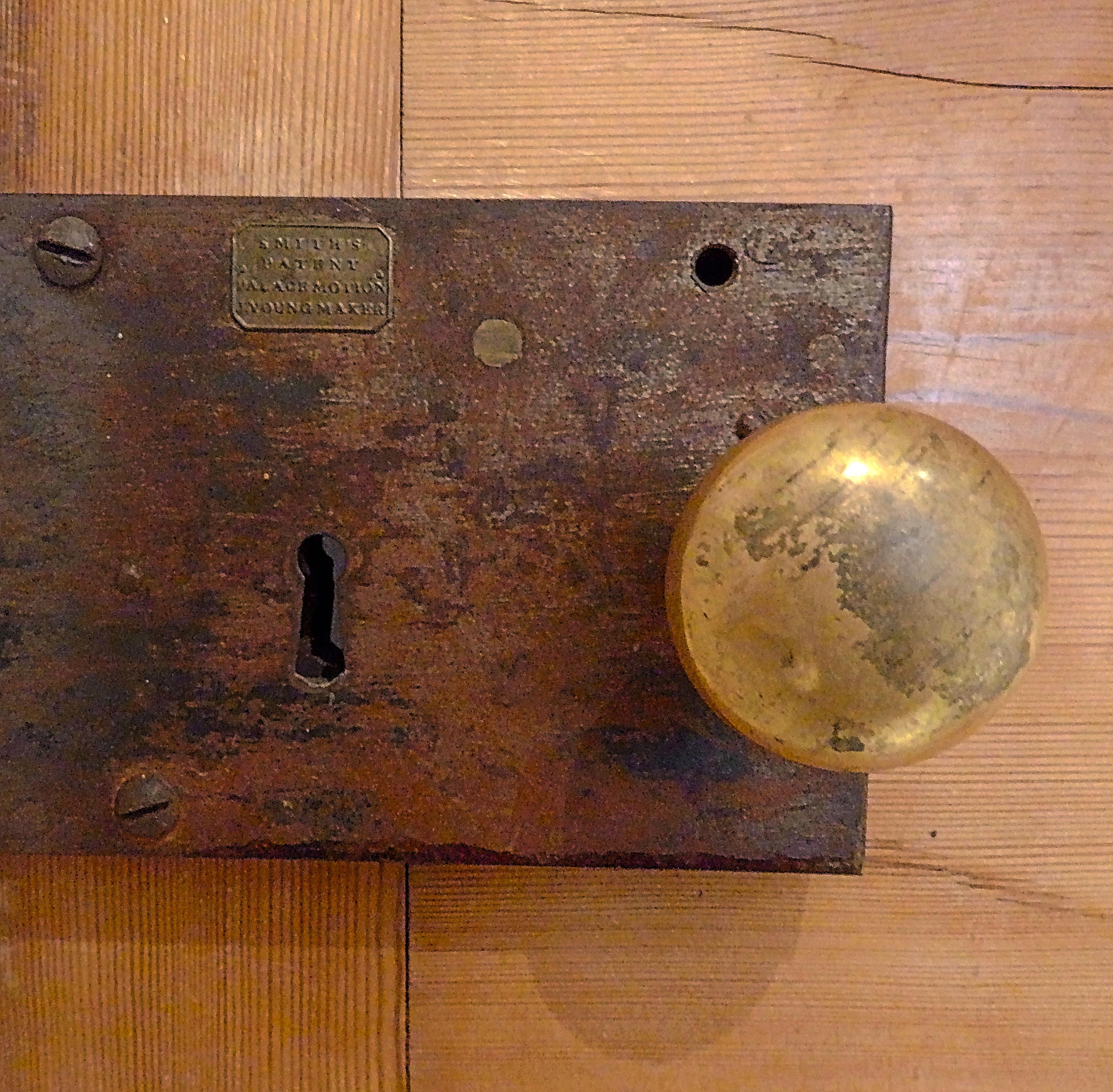
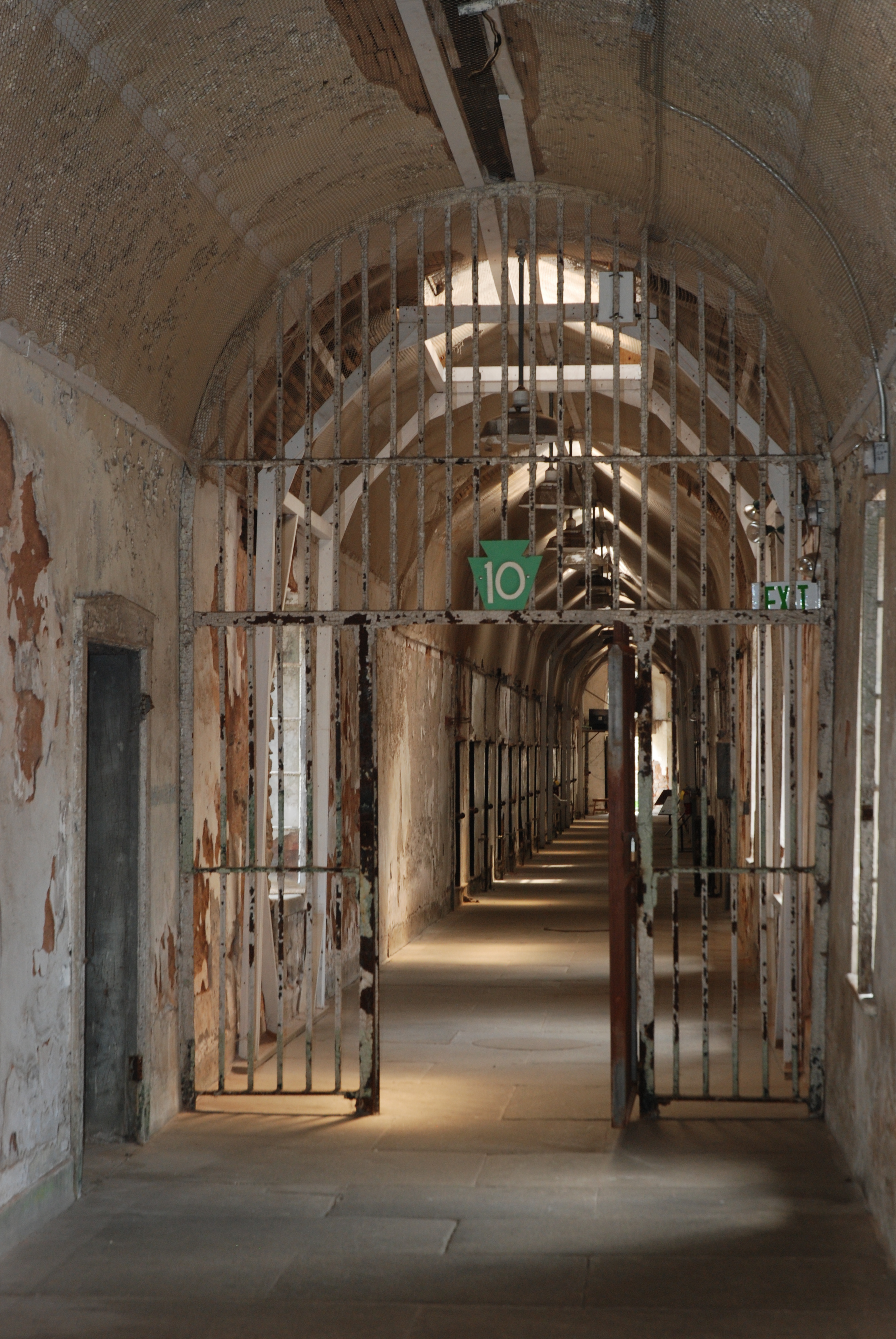
Door
What would you conceal?
Or open to. Could you unfurl
your fist to daylight
and shudder loss away — one key,
one digit, one death — presuming the universe
and all its hinges available for inspection
behind yet another unlatched presence.
And this spinning disk,
how shall we step off? Every moon
sheds its coat. Listening, I turn the knob.
“Door” first appeared on the blog in September 2016.
Scarecrow Sees
Da Vinci maintained that sight relies on the eye’s
central line, yet the threads holding my
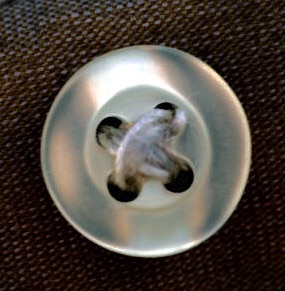
ocular buttons in place weave through four
holes and terminate in a knot. My flying friends
perceive light in a combination of four colors,
unlike the farmer, who blends only three. The
octopus knows black and white but blushes
to escape predators, while I remain fixed,
evading no one. Certainly my sense is more
vision than sight, and not the result of nerve
fibers routing light. Crows choose colors
when asked, but a certain shade of yellow
eludes them. And who would hear, above
the flock’s clamor, my claim to see this world
as it is? Grayscale, monochrome, visual
processing and perceptual lightness measures
mean little to one whose space accumulates
in uncertain increments – what is a foot to an
empty shoe? If I painted, which hues would
prefer my attempts, which would distract or
invade my cellulosic cortex, resulting in
fragmentation or blindness? Fear is not
limited to the sighted alone. I look out over
the field and perceive the harmonious
interaction of soil and root, leaf and sun,
the beauty of atmospheric refraction and
the wonder sprouting daily around me. Then
as one entity the crows explode into the blue,
leaving me alone with the shivering stalks,
questioning my place and purpose, awaiting
the next stray thought, a spark, a lonely
word creeping through this day’s demise.
This was written during the August 2015 Tupelo Press 30-30 Challenge, and was published by The High Window in December 2016.
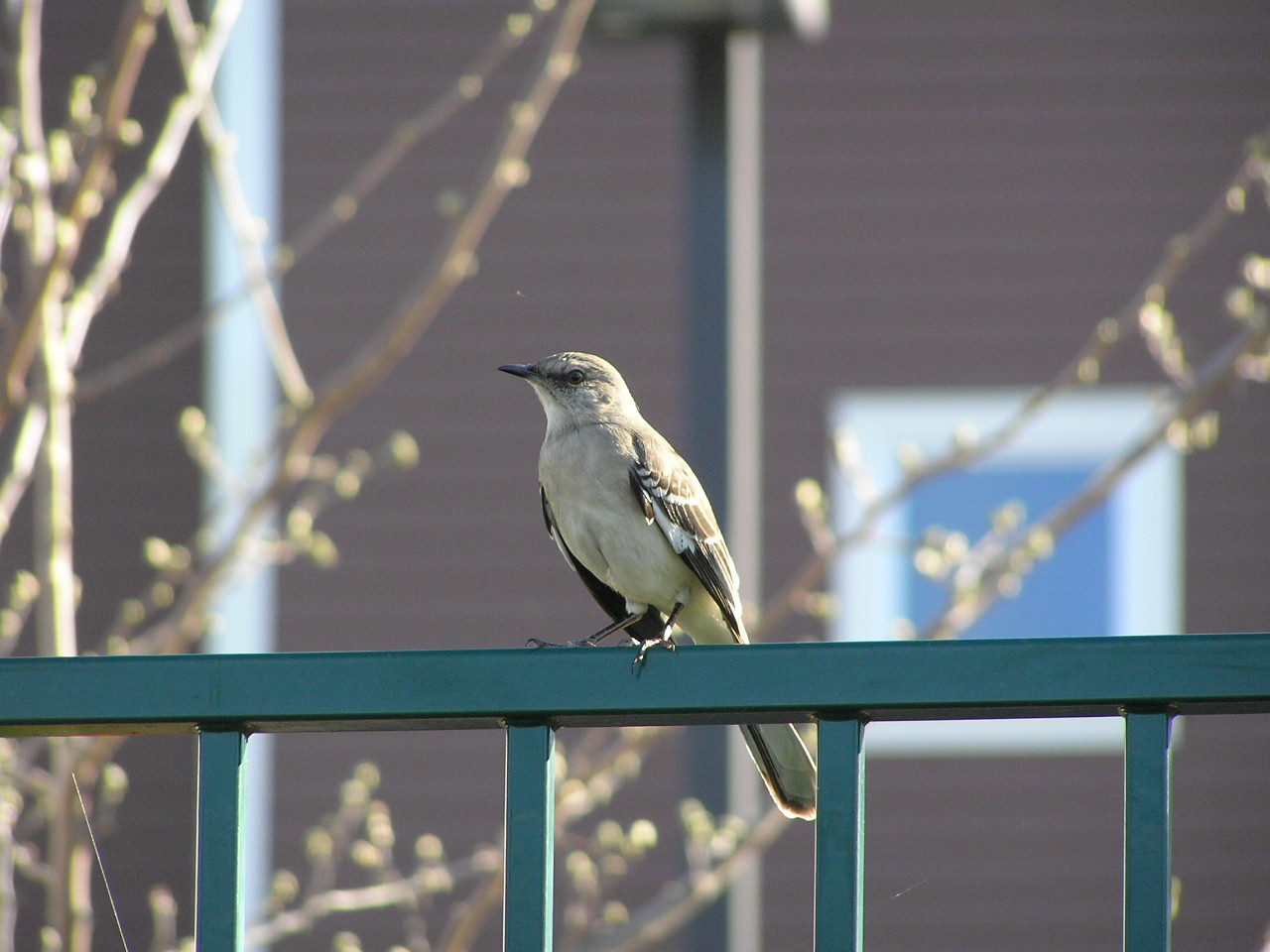
Mockingbird III
Songs, returned
to their space
within the sphere of
movement, the patterns inscribed
as if to touch the face of every
wind: here one moment, then
gone. This quickness delights us.
How, then, do we so often forget
those things we share? Night
comes and goes to another’s
phrase, yet each note is so precisely
placed, so carefully rendered
that we hear only the voice, not its source.
* * *
Another piece from the 80s. This first appeared here in March 2015, and would likely be a much longer poem if I were to write it today.
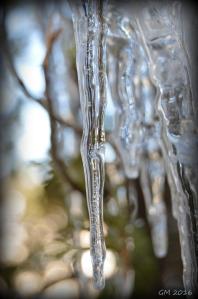
Tree, Ice, Window (December 13, 2000)
I.
This doubling of age,
increments gained, like a shadow’s
flesh, ever flowering, ever diminishing,
consuming all.
And having gained stature,
what of the syllables lost in the blur,
the fecund process
unnoticed, unheard.
Reciprocity of motion, the leaf’s descent.
II.
Bent under the hour’s weight, it
departs untouched,
aloof,
yet watched and not alone,
enduring its slow release
as the morning deepens.
III.
The eyelid droops, then opens,
defying gravity and those things heavier than air,
and opening, rescinds
all notion of secrecy.
Somewhere the voice expends its energy
and lies fallow,
like a storm awaiting the perfect
moment, then appears
in all its arterial splendor,
tunneling through the night’s long reach
and the transparent dream.
Or a hand draws the shade.
An older poem, from the “vault.” I barely remember writing it.
A little more on the ghazal from the Academy of American Poets. I’ve become enamored with the form. We’ll see what comes of this latest enthusiasm!
Self-Portrait with Umeboshi
Our resemblance strengthens each day.
Reddened by sun and shiso,
seasoned with salt,
we preside, finding
comfort in failure. Or does
the subjugation of one’s flavor for another’s
define defeat? The bitter, the sour, the sweet
attract and repel
like lovers separated by distances
too subtle to see.
Filling space becomes the end.
What do you learn when you look through the glass?
Knowing my fate, I say fallen. I say earth.
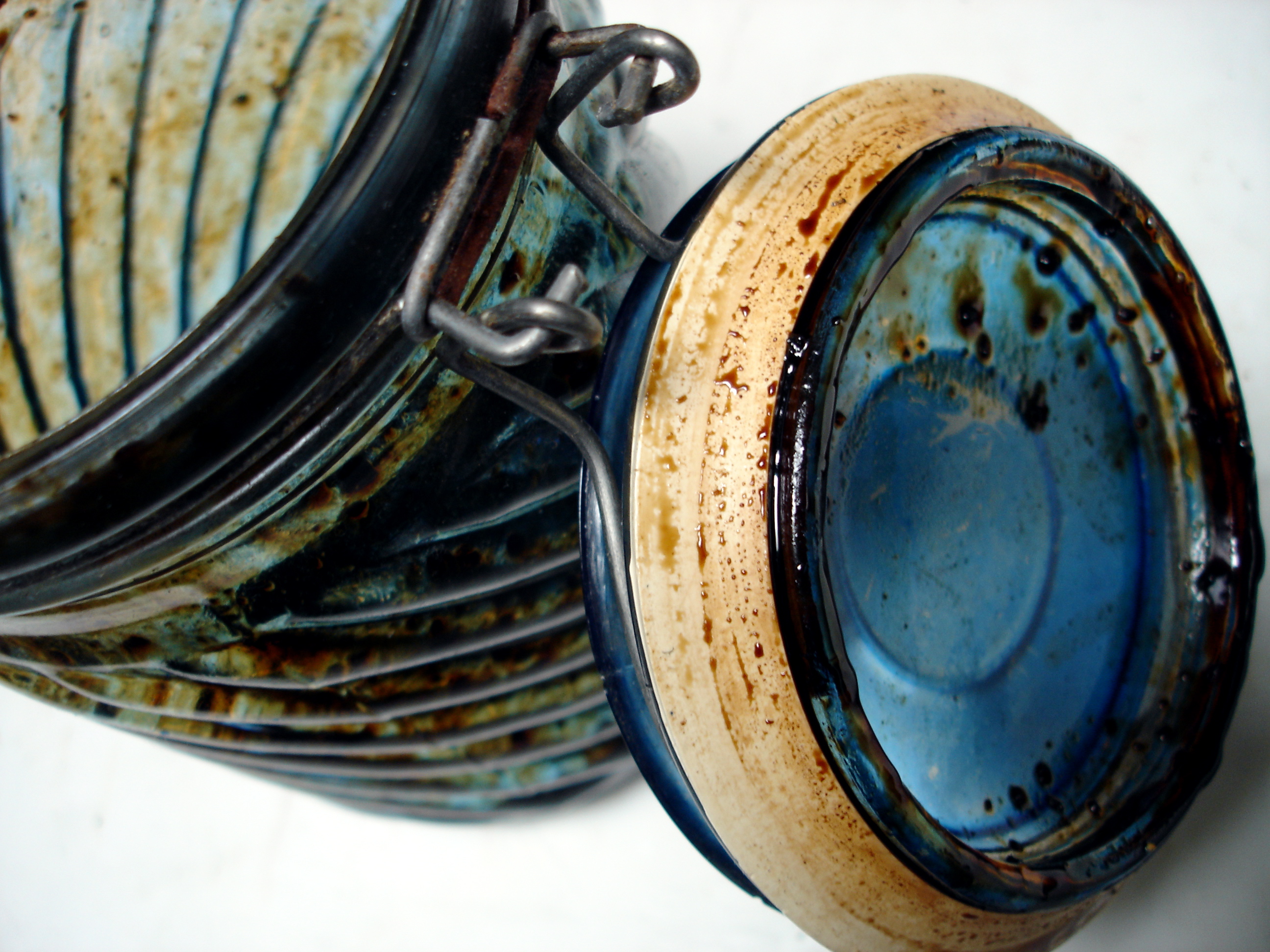
Ah, simplicity! When I was a child my mother would occasionally serve rice balls in which a single mouth-puckering umeboshi rested at the center. These have long been a favorite, but I admit that umeboshi might be an acquired taste. Commonly called “pickled plums,” ume aren’t really plums but are more closely related to apricots. I cherish them.
“Self-Portrait with Umeboshi” first appeared in the Silver Birch Press Self-Portrait Series (August 2014), was included in the subsequent print anthology, Self-Portrait Poetry Collection, and also appears in my chapbook, If Your Matter Could Reform.
Steph Burt writes about the ghazal form, in particular Agha Shahid Ali’s “Tonight.” An illuminating article.
And here’s a link to Kazim Ali discussing the poem: Poetry Off the Shelf
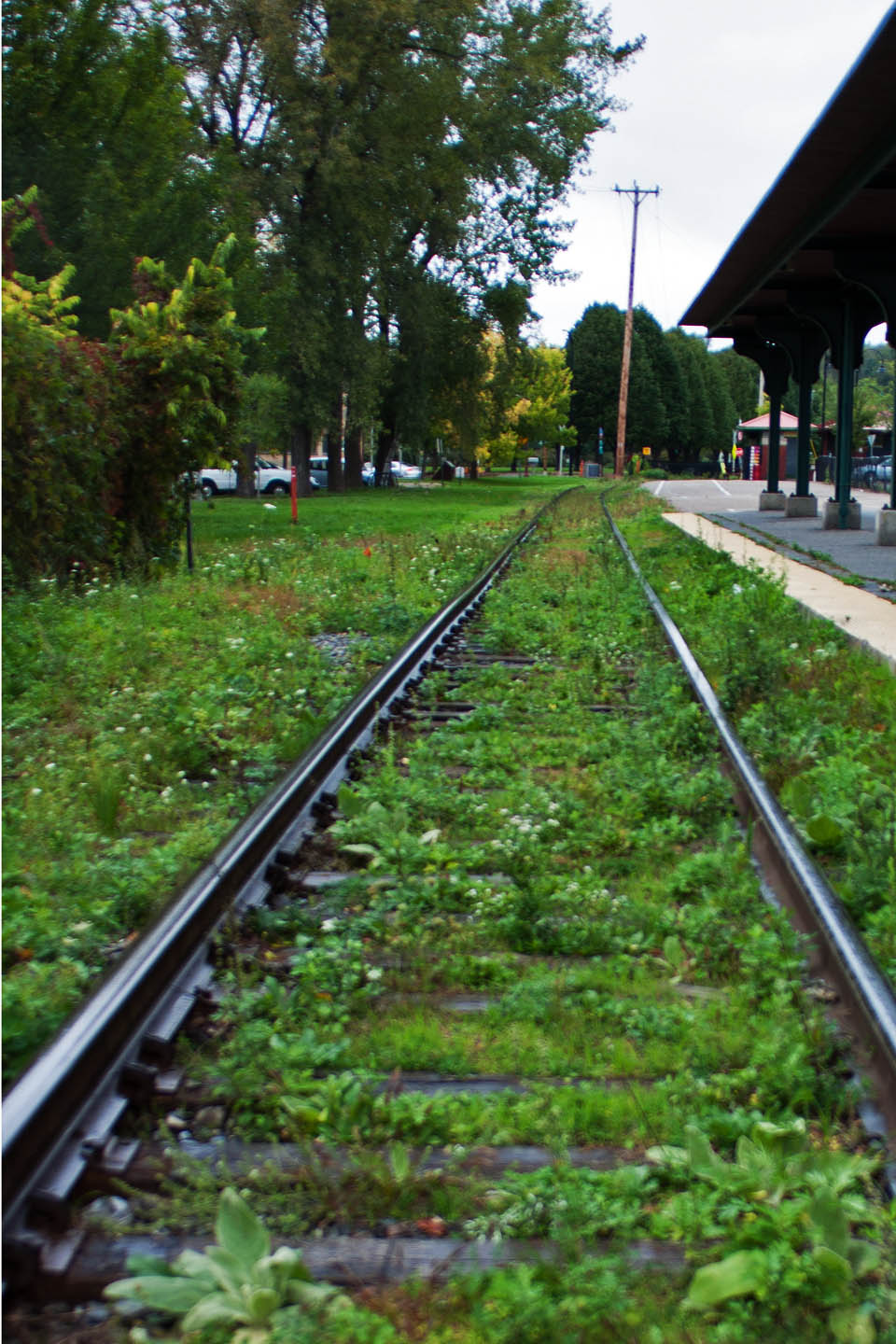
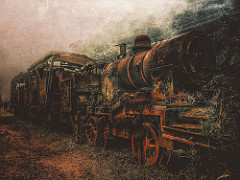
Being Neither End nor Beginning, I Look to the Earth
Or the sky’s red haze, scattered in past particles,
enhanced. The goings, the matters. The truest lies.
May we roll in reverse towards the future?
This ladder curves into the horizon, blending faith
with history, with solid and liquid. With gas.
I have bled on her rails and taken myself
hostage. I have returned rain to air. I am rendered
like never-turning wheels, fixed in space,
guided by friction and soured prayer; oxidation
consumes me. Sleepless among evergreens,
we pledge vigilance and note the absence of candor.
Somewhere water flows, but not here, today.
“Trem Abandonado” by Rafael Vianna Croffi
(https://www.flickr.com/photos/rvc/29472173566)
The last of three poems launched from this painting.