Mockingbird

 OLYMPUS DIGITAL CAMERA


Mockingbird

Withdrawn, it unfolds
to another
voice, like that

of a child lost in the wind.
Or, lonely, it rises from its place

and sings, only
to return and start again.
The pleasure we accept derives from

the knowledge that we are not alone.
Each morning we walk out and sit
by the stones, hoping to observe some

new patterns in his life. What we
see is an answer. What we hear is no song.


* * *

file5231249687751

“Mockingbird” made its first appearance here in January 2015. It was written
in the 1980s, probably around 1987-1989.


Spring Dawn (after Meng Haoran)

file4731293467677


This morning I slept through dawn
and the screeching birds, long
after last night’s wild wind and rain.
But who can count the fallen flowers?


The transliteration on Chinese-poems.com reads:


Spring sleep not wake dawn
Everywhere hear cry bird
Night come wind rain sound
Flower fall know how many


file7101237575173


This adaptation first appeared on the blog in November 2014.


Onions

image

Onions

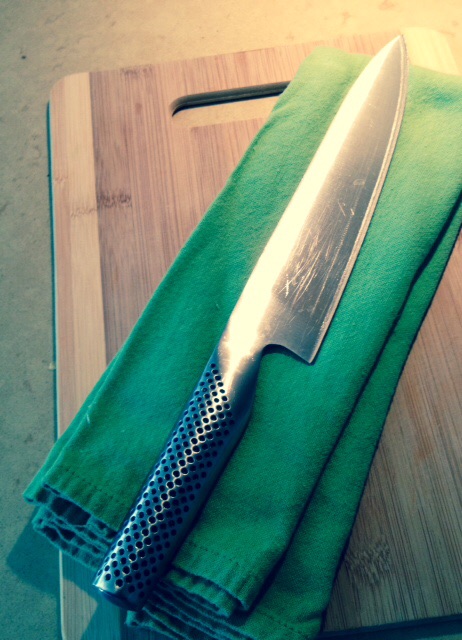
My knife never sings but hums instead when withdrawn from its block, a metallic whisper so modest only the wielder may hear it. Or perhaps the dog, who seems to enjoy the kitchen nearly as much as I. A Japanese blade, it’s a joy to hold, perfectly balanced, stainless steel-molybdenum alloy, blade and handle of one piece, bright, untarnished, and so sharp as to slide through, rather than awkwardly rupture and divide, its next task on the board.

We’ve never counted the chopped and rendered onions, the fine dice, slender rings and discarded skins, but if we could gather all the corpses we’ve produced together over the years, we’d form a monument to our work, cooperation of metal and man, a Waterloo mound in memory of the bulbs laid there, the planning involved, the missteps and serendipity, and the tears shed along the way.

The blade doesn’t care. It is. It works. It moves things, it lifts, it parts them, and in return is cleansed, and later, in the quiet room, maintains its edge with a silvery rasp, angled steel on steel in a circular motion, over and over, until finally it hums its way back into the block. But it never sings.

image

“Onions” last appeared here in December 2019. Hmm. This reminds me (again) that I need to sharpen knives…

Alas, my bout with COVID-19 has rendered me incapable of, or unwilling to, cut into onions. Parosmia has reared its ugly head, and now onions, garlic, bacon, peppers, arugula and hoppy ales among other beloved foods emit odors resembling a mix of raw sewage, mildewed peat moss and burnt wood. Ah, 2020!

Self-Portrait as Never


Self-Portrait as Never

Within the unknown or could-have-been,
this stance requires certainty, the ability
to stand upright, rooted, implacable,
relentless in the is and the no in time.
I dream of faith, despite knowing its
secrets. Atoms swarm, seed heads explode.
Rivers reverse, the galaxy rots, and at the
center, we fold our arms across our chests
and deny or accept at whim, leaving behind
no footprints, only lost words, some dust.

“Self-Portrait as Never” was first published in After the Pause in June 2019. Thank you, Michael Prihoda, for accepting this piece.

One

number-one


One

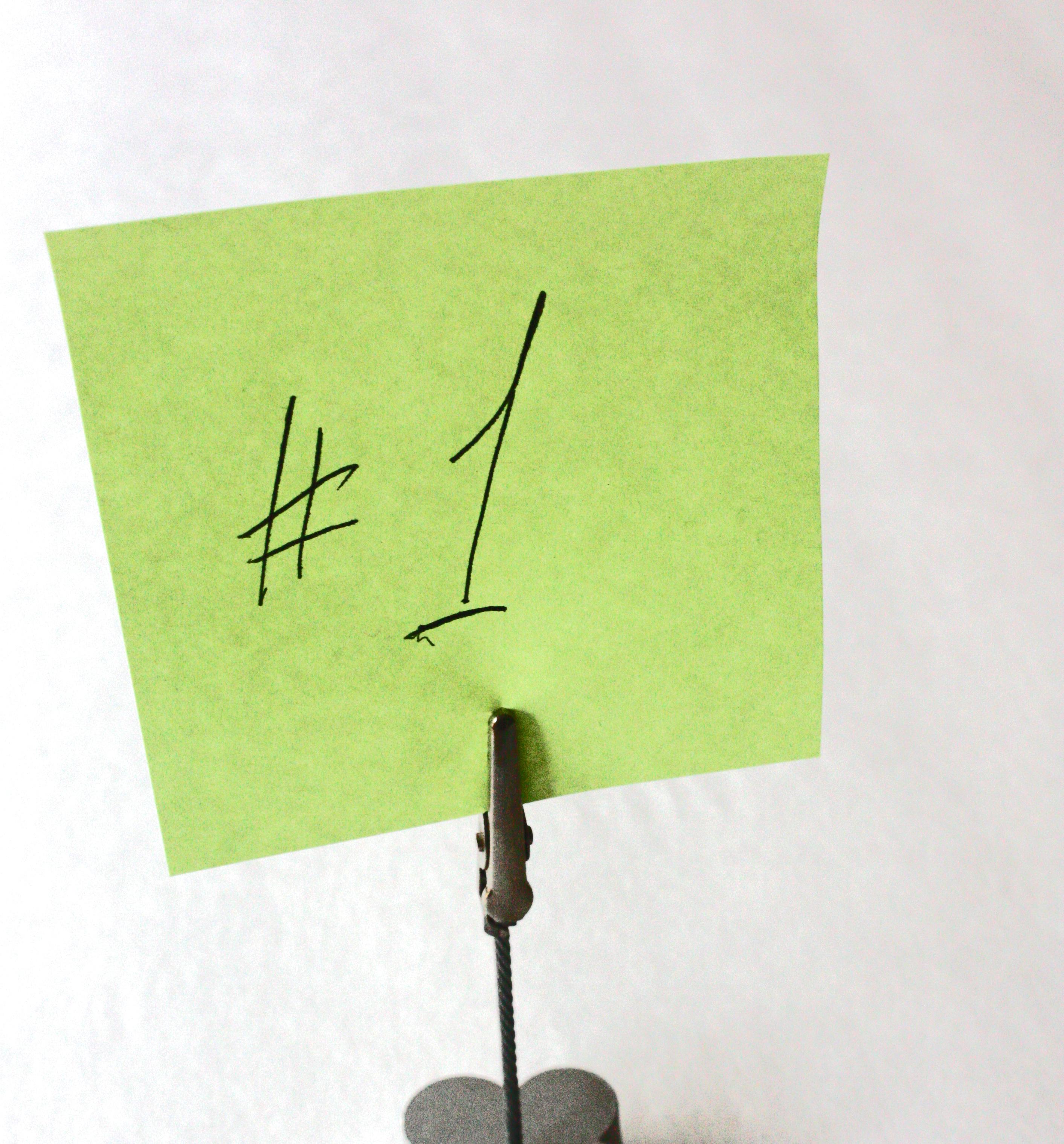
I am Brahma
the straight line, the upright being,

fire that flares,
seed without end, manifold

self beyond all
polarity, radiating sun:
the all.

Philosophers considered one a non-number,
generatrix of all that follows.

Other.

The singularity. The lone.

From the Indo-European oi-qos we achieve solitude,
while the collective meaning of one derives from the Sanskrit sam.

United in itself, it changes nothing,
becoming everything.

On its side it represents the horizon.

Alone is all-one.
The Latin non is one negated, as is the German nein.

Symbol of intellect, the Hindu moon glows wide.
Atomic number of hydrogen, magician’s numeral,

monad and eccentric, I bear the empty product.

one on side

“One” last appeared here in December 2019.

All the Little Pieces

broken-glass


All the Little Pieces

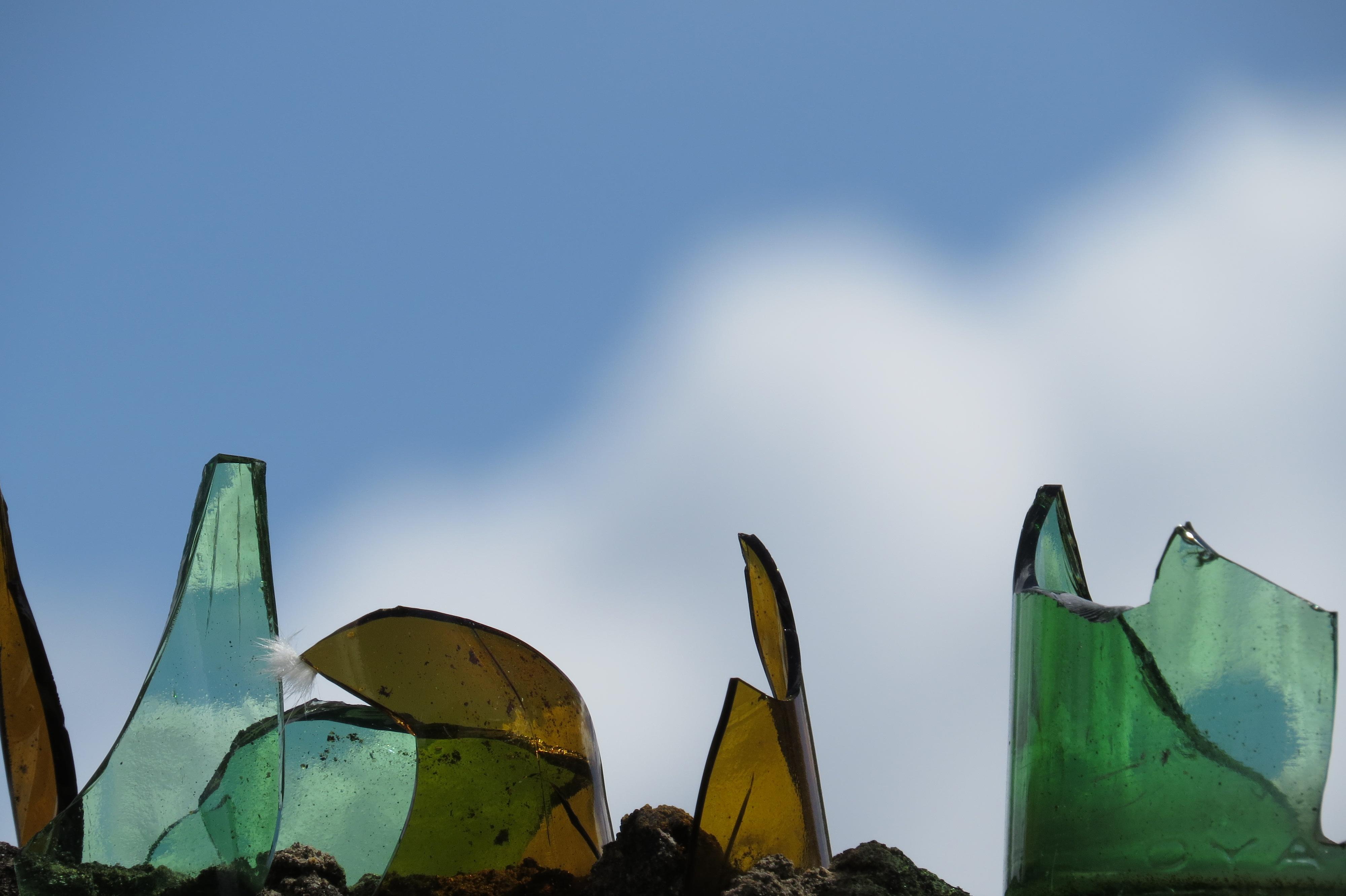
How to rewind
broken,

the subtle shift of shard
and floor

laid between night’s
fall

and the morning’s first
glow. Take this

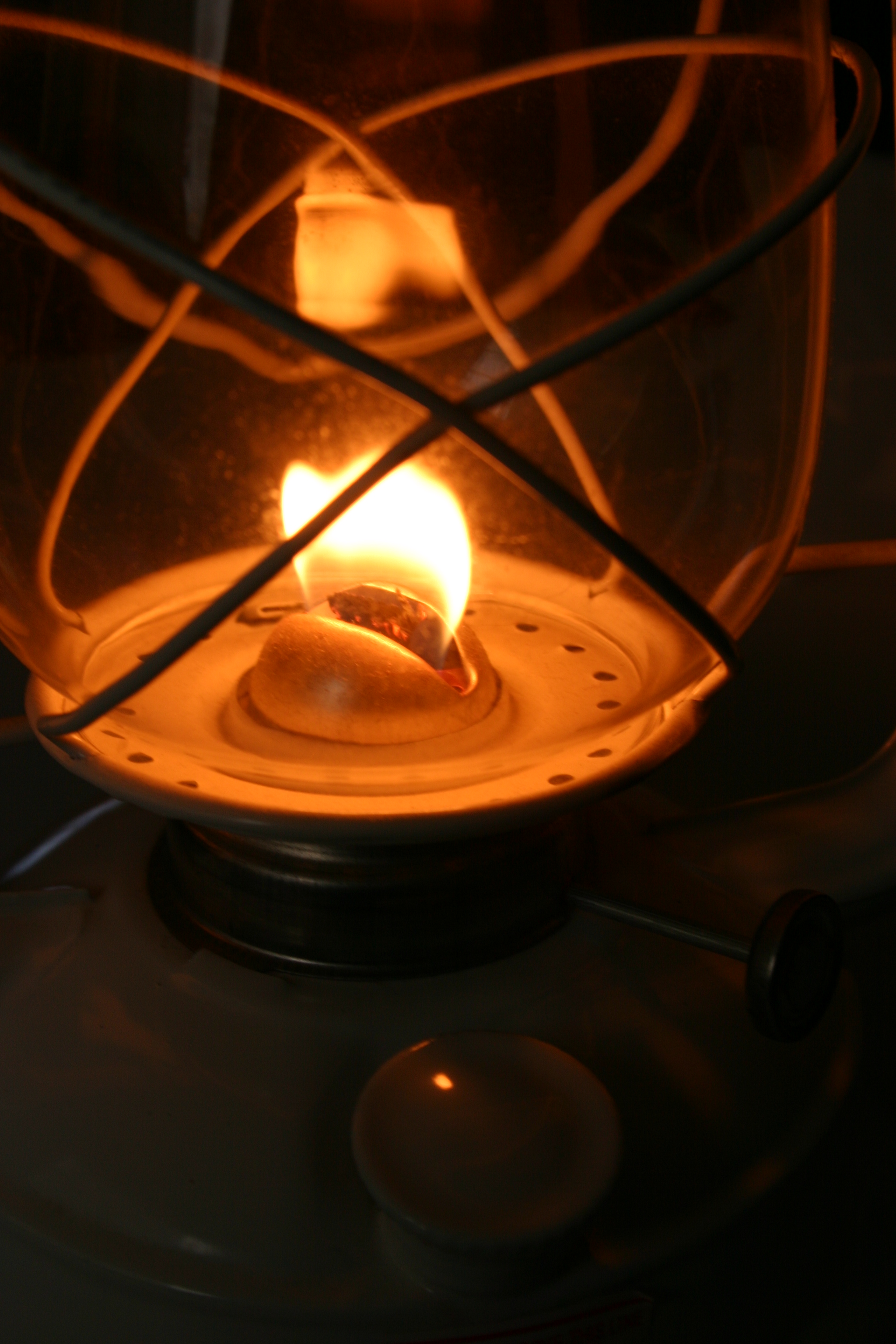
lantern. Set it
on the wall. Remove

the glass. Do not
light the candle.

Wait.


lantern


Thinking of Li Po at Sky’s End (after Tu Fu)

file0001618675507


Thinking of Li Po at Sky’s End (after Tu Fu)

Cold wind rises at the sky’s end.
What does he consider?
And when will the geese arrive?
The rivers and lakes are full this autumn
but poets’ fates are seldom pleasant.
Demons love to see us fail.
Let’s think of dead Ch’u Yuan
and offer poems to the river.


The transliteration on Chinesepoems.com reads:


Thinking of Li Po at the End of the Sky

Cold wind rise sky end
Gentleman thought resemble what?
Goose what time come?
River lake autumn water much
Literature hate fate eminent
Demons happy people failure
Respond together wronged person language
Throw poems give Miluo


According to the notes at Chinesepoems.com, the wild goose is a symbol of autumn, letters and travellers in difficulties. The wronged person is Qu Yuan, a poet of the fourth century BC who drowned himself in the Miluo river – another exiled poet later threw some verses into the river as an offering to him.

file000294402551


Calm

DSC_0002


Calm (after H.D.)

I flow over the ground,
healing its hidden scar–
the scar is black,
the bedrock risen,
not one stone is misplaced.

I relieve the ground’s
burden with white froth,
I fill and comply—
I have thrown a pebble
into the night,
it returns to me,
settles and rises,
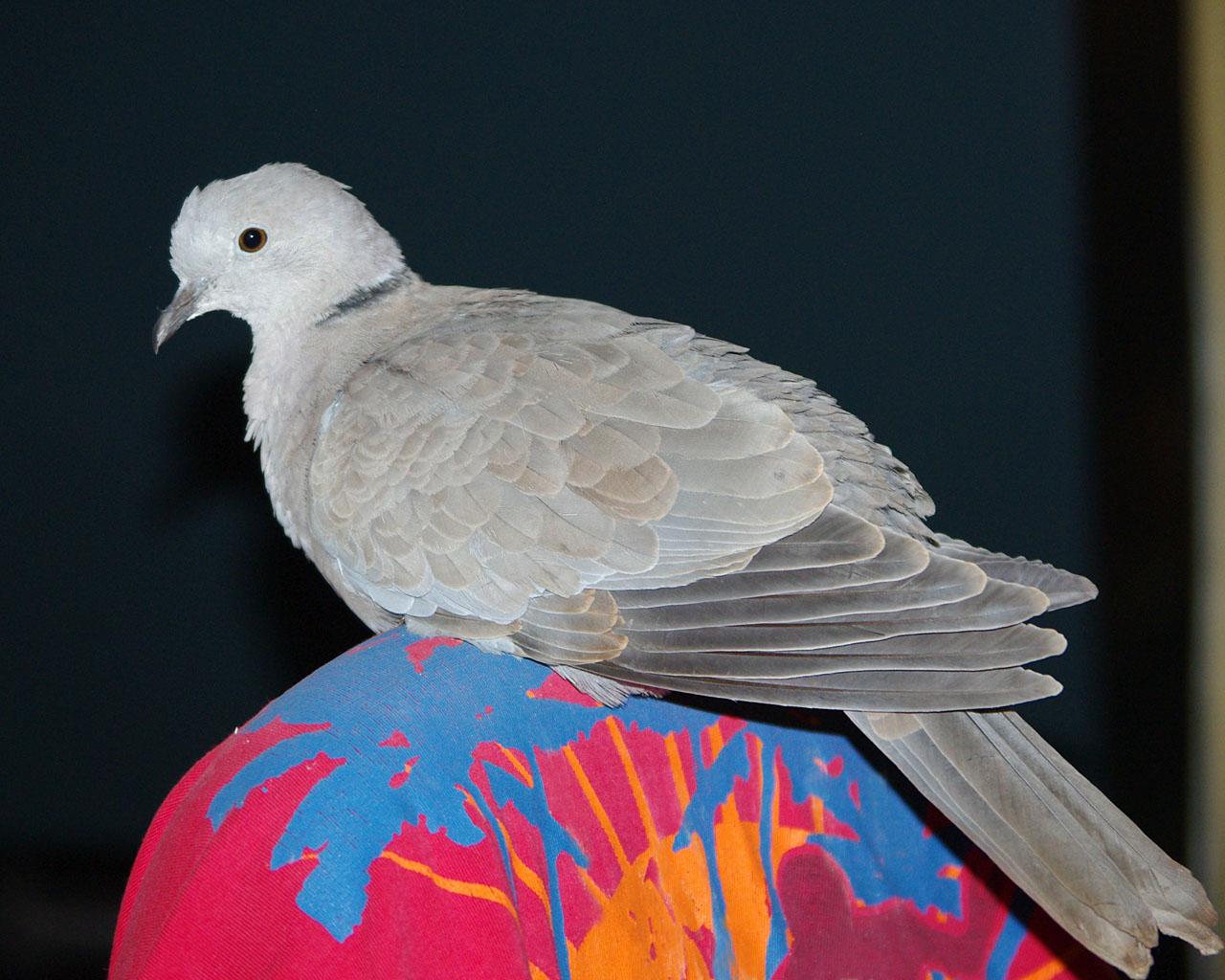
a white dove.


* * *

“Calm” is included in my micro-chapbook Only This, which is available via free download from Origami Poems Project. It made its first appearance here on the blog in March 2015, and was written as an exercise, using a poem, “Storm,” by H.D. as the launching point. I’ve tried to emulate her diction and rhythm, with mixed success. Still, it’s fun to try these on occasion.


collareddove48d1

Shoe

blueshoe


Shoe

The right has only one option,
as is true of the left,

neither to mingle
nor disappear like washed socks

or loved ones in a casino.
There are those who believe

in fallen towers and pasts
burnished beyond recognition,

and truth, as it was written, for them,
in blood, with money inherited

from thieves. The puddle happens.
The door rotates. A snifter shatters.

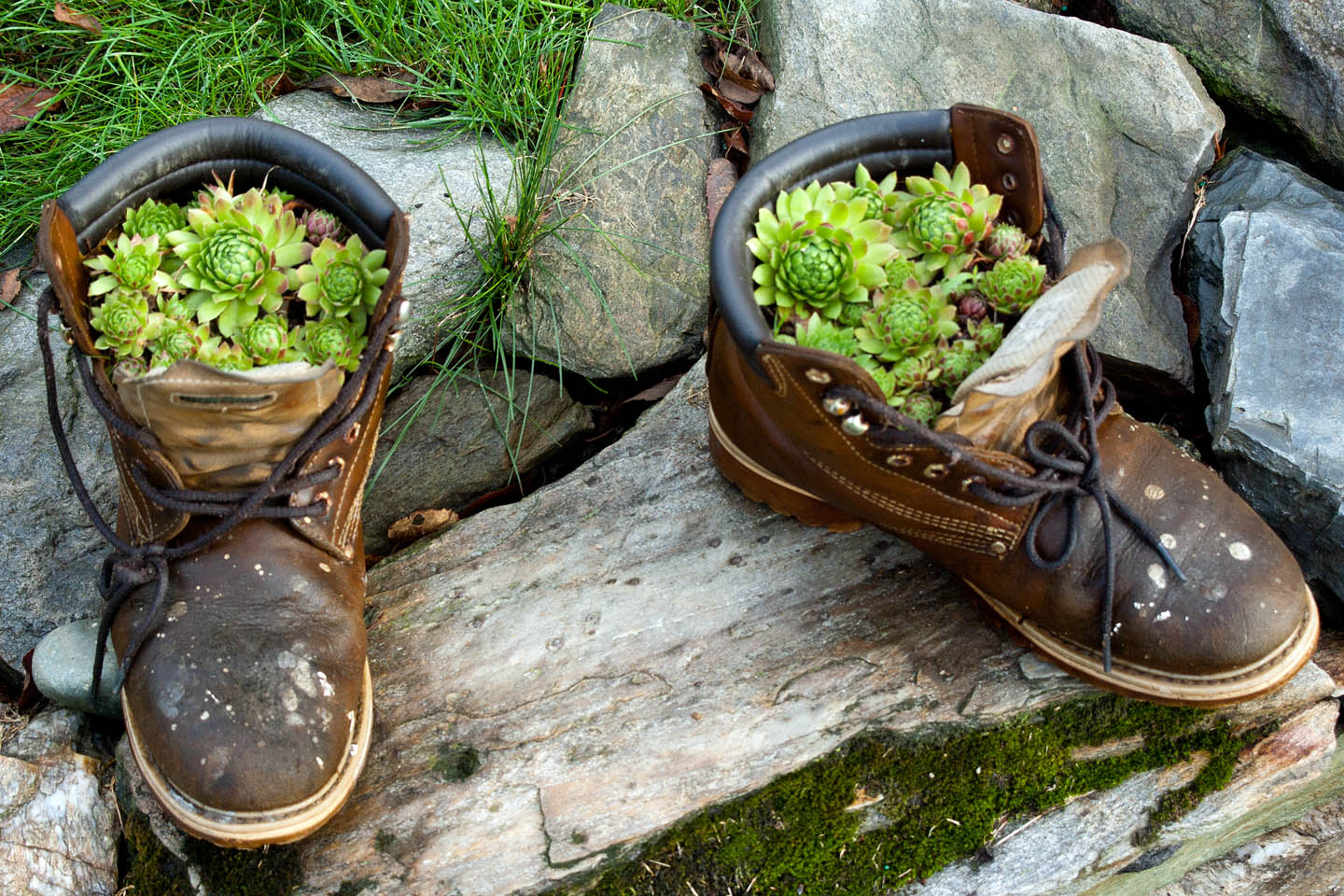
The shoe’s approach defines its wearer.


* * *

This first appeared in March 2016, but somehow seems even more appropriate today.


cactus shoe