
My poem “Endurance, 1946” is live at Issue 2 of Fahmidan Journal. Thank you editors Ranna Kisswani and Anthony R. Salandy for taking this piece.

My poem “Endurance, 1946” is live at Issue 2 of Fahmidan Journal. Thank you editors Ranna Kisswani and Anthony R. Salandy for taking this piece.

Interiors Continue reading

Bonsai
no feature enhanced
but beauty of
the whole and
its container the
tree is not
deprived and grows
as it must
though slowly like
a wave which
gathers itself for
years there is
no completion only
process a lapse
which presumes the
most delicate design

Originally published in Aileron in 1988, “Bonsai” first appeared on the blog in December 2014.
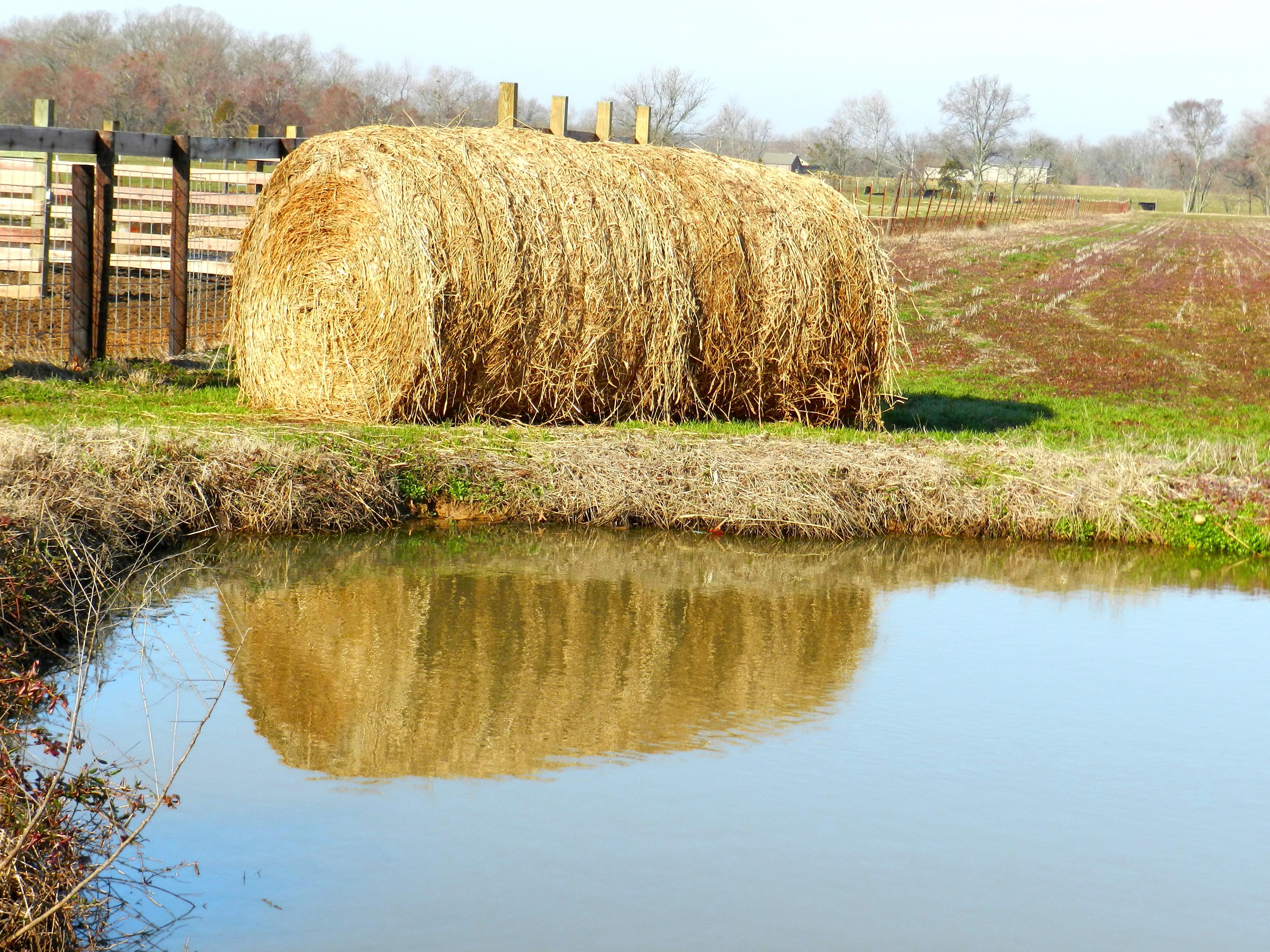
Landscape
Utterance
within the parameters set
by form
expressionless
save motion
the lone branch
brought to the fore
and in the distance
stock ponds collecting rain
the word is
forget, as in the imperative
as in function, as in
you must have

This first appeared here in December 2014.

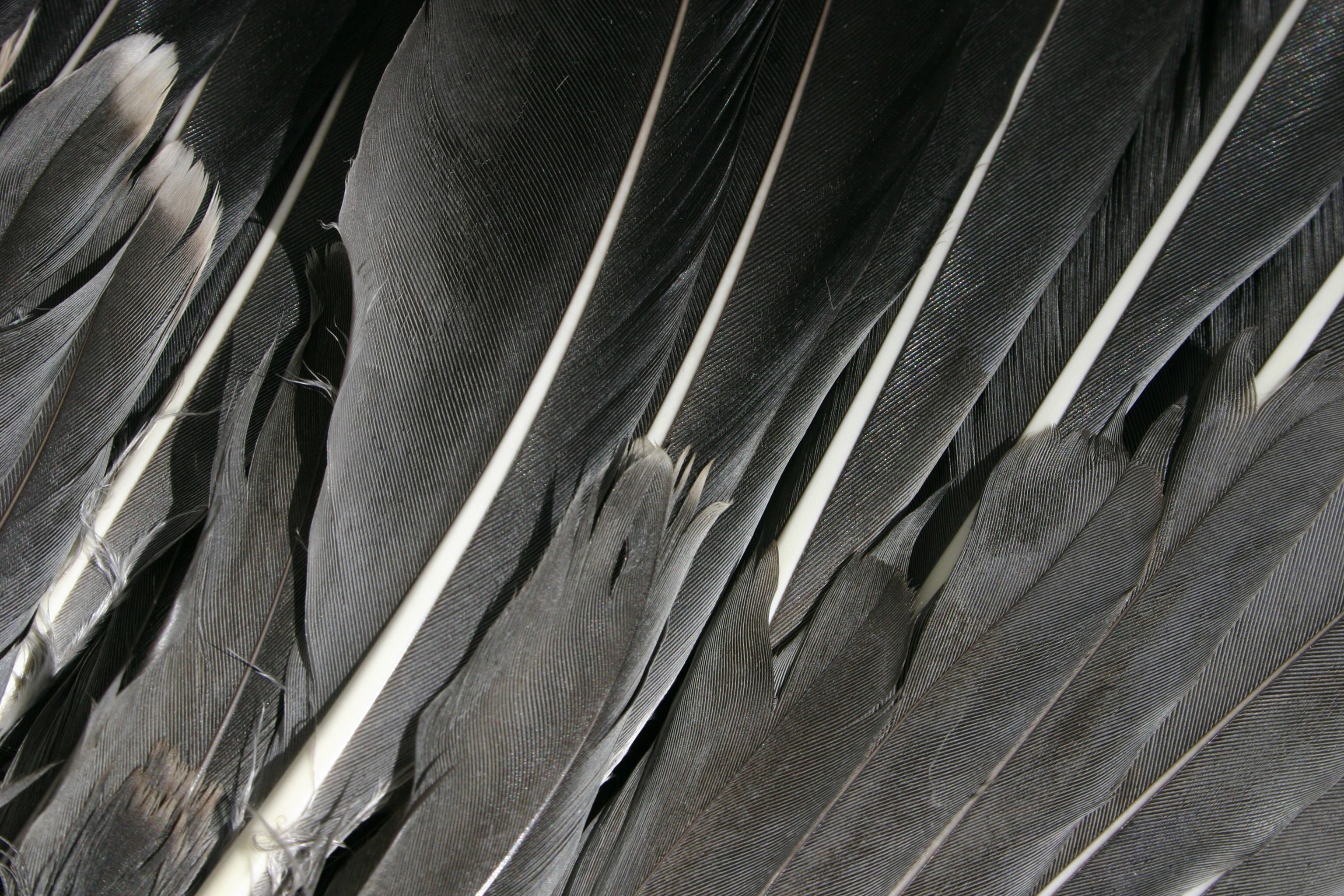
The Art of Flight
What wings accumulate is not air
but space, an exemplar
of restraint defied. I listen
and hear feathers
ruffling in the shadows,
a vibration that swells
until it becomes flight or
regret, the retrieval of our
bodies from this dream of ascent.
The art of flight is one of
disturbance, of angles and lift
and touching what can’t be seen.
What we hold carries no meaning.
The beauty lies in the gathering.
I wrote this piece in the mid-80s, and posted it here in 2015. I’d forgotten about it, until I found the original moldering in a box of old papers. It’s okay, for an artifact from another life…

Ro
When this note fades
will it join you in that place
above the sky
or below the waves
of the earth’s plump
body? Or will it
circle back, returning to
my lips and this
hollow day
to aspire again?
Note: Ro designates the fingering required to produce a particular note on the shakuhachi, the traditional Japanese bamboo flute. In this case, closing all holes.
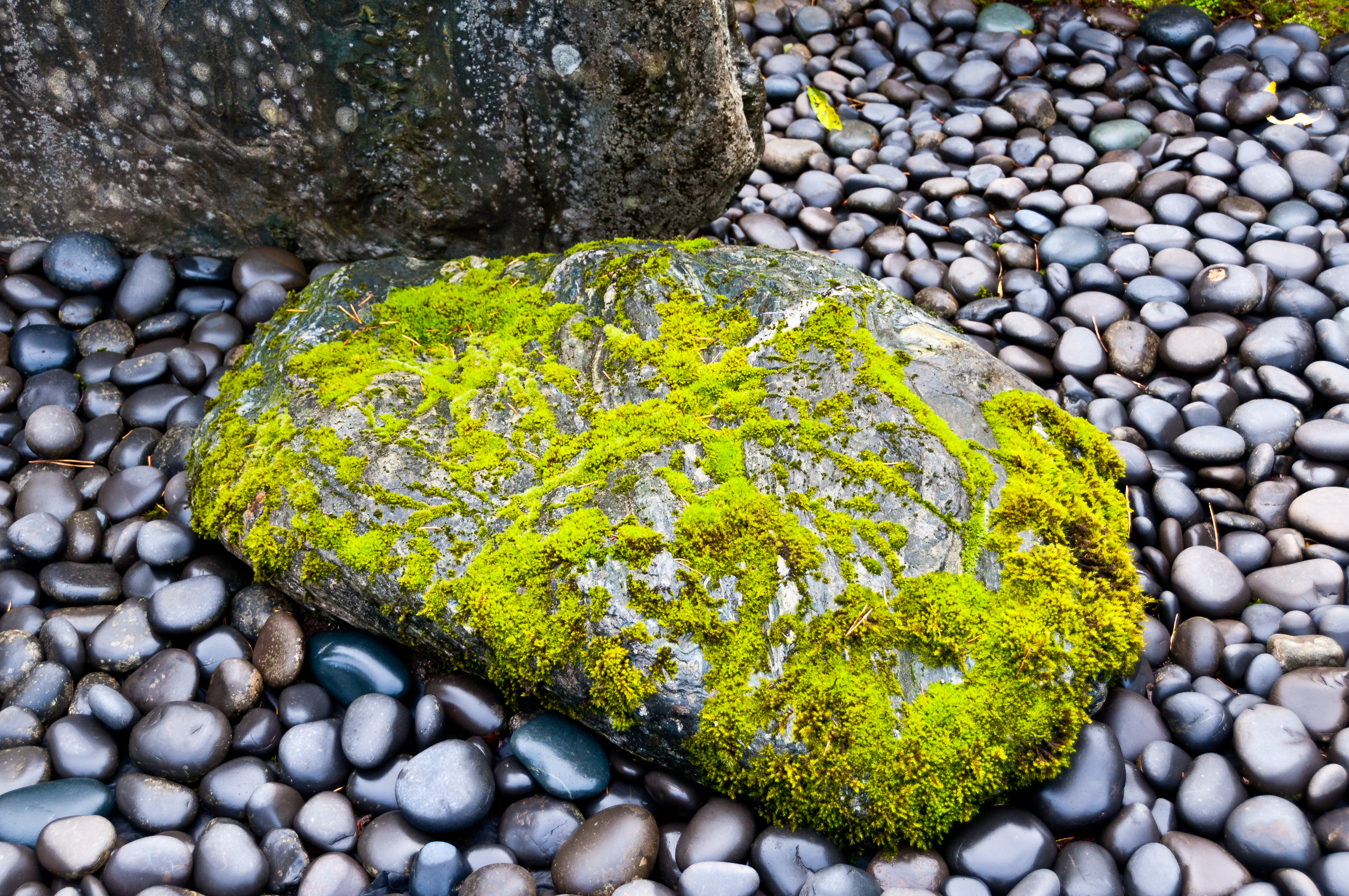
Japanese Gardens
how natural the
lines falling so
purely as if
with a single
stroke we walk
through the opening
and see space
the white center
composed of sand
and gravel later
a gate opens
to another garden
its lantern and
stone so carelessly
arranged so deliberate

“Japanese Gardens” first appeared here in January 2015.
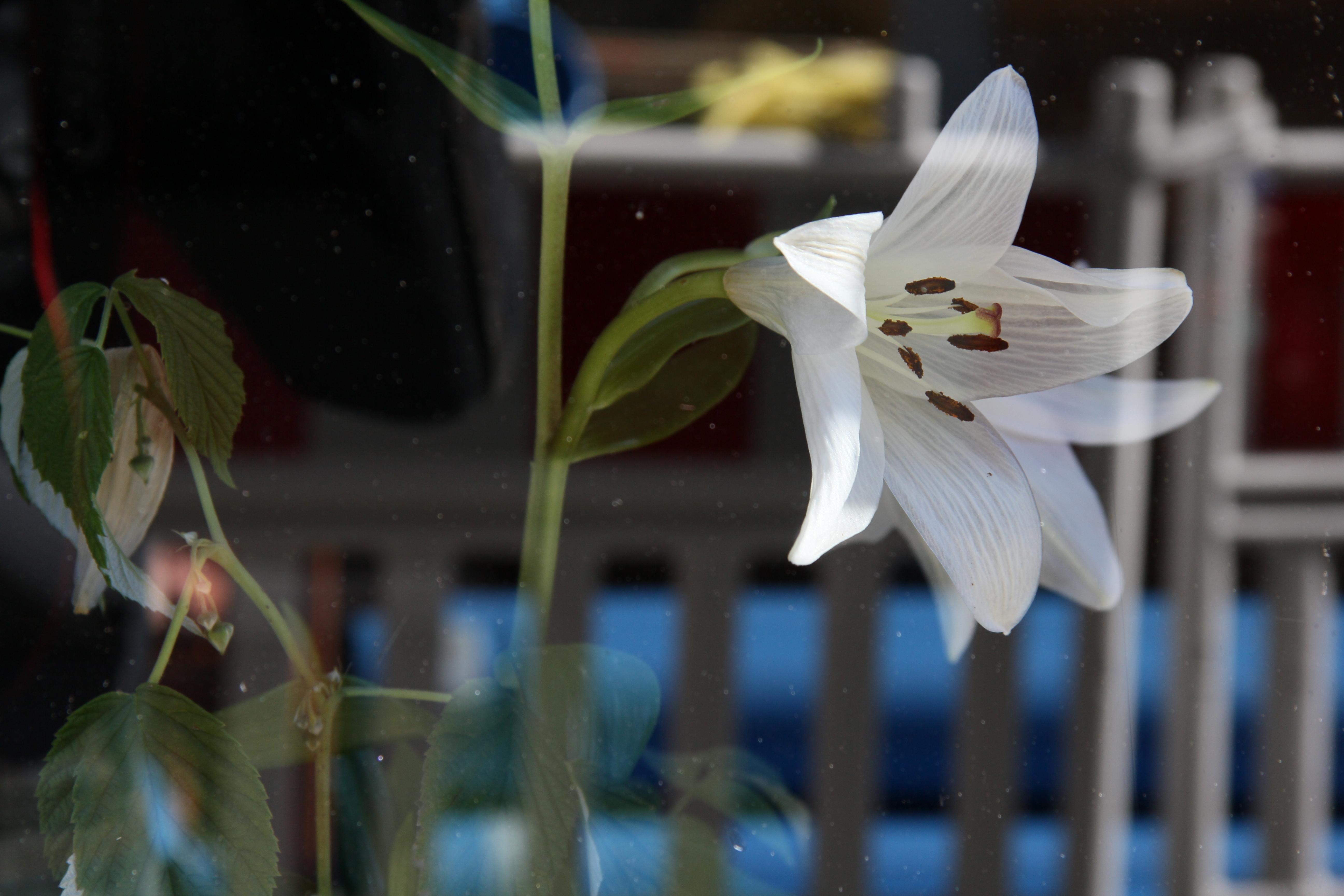
Meditation in White (Lilies)
Clouds pass my high window quickly, abandoning the blue.
Indefinite mass, indeterminate, impersonal
as only intimates may know.
Though you lay there, nothing remained in the bed.
Which is the blank page’s gift, the monotone
or a suggestion of mist and stripped bones.
The nurse marked the passage with pen on paper.
Renewal, departure. A rising.
I accept the ash of suffering
as I accept our destination, the morning
and its offerings, with you in synthesis,
complete and empty, shaded in contrast,
wilting, as another opens. Laughter eases the way.
***

This was first published in Shadowtrain, and made its first appearance here in March 2016.

Tarantula
The patience of stone, whose surface belies calm.
Neither warm nor cold, but unfeeling.
It digresses and turns inward, a vessel reversed
in course, in body, in function, the
outward notion separate but inclusive,
darkness expanding, the moist
earth crumbling yet holding its form:
acceptance of fate become
another’s mouth,
the means to closure and affirmation
driven not by lust nor fear
but through involuntary will.
Neither warm nor cold, but unfeeling.
The patience of stone.
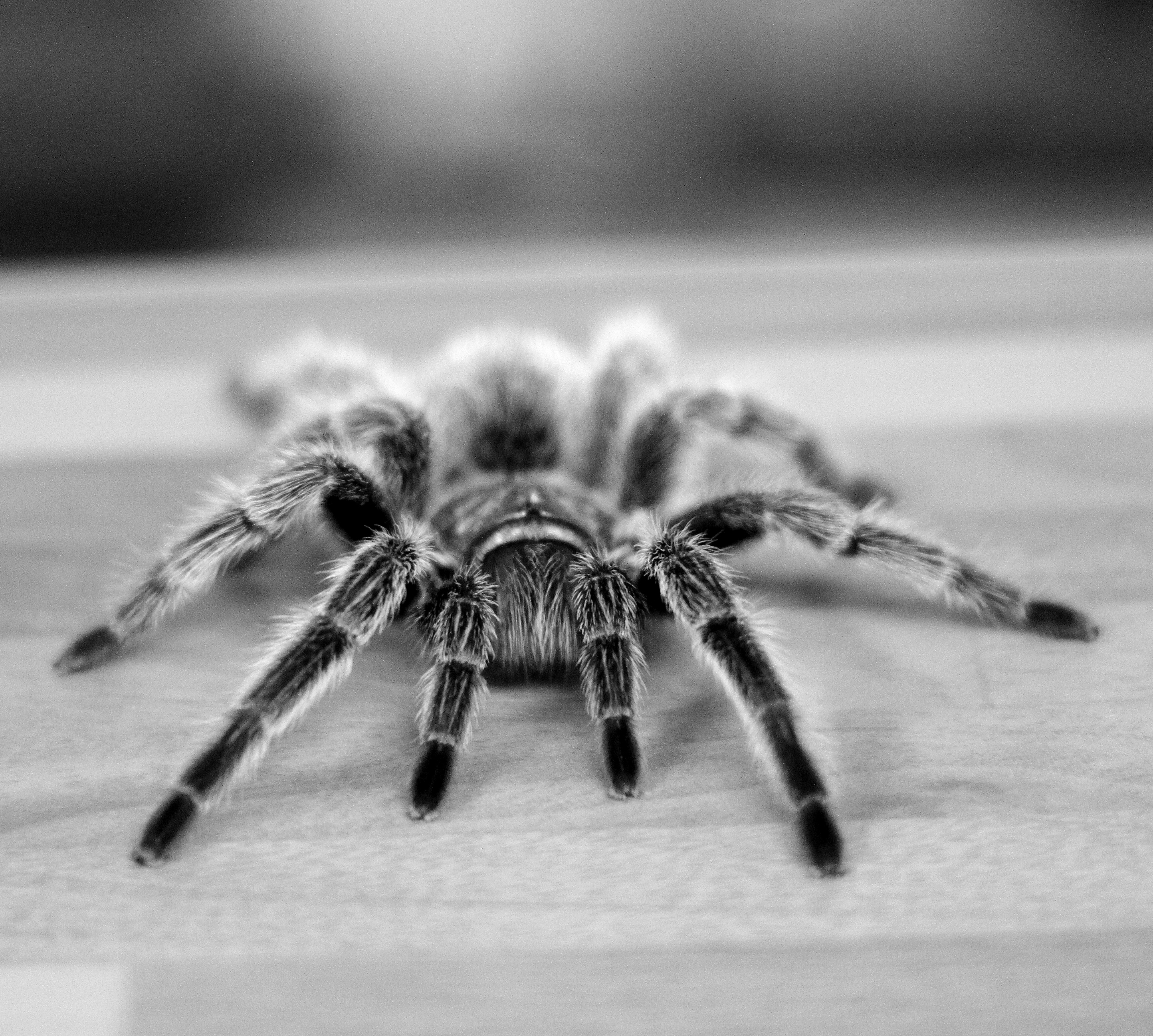
“Tarantula” first appeared here in February 2015.

How to Do Nothing
First you must wash the window to observe more clearly
the dandelion seed heads bobbing in the wind. Next,
announce on Facebook and Twitter that you will be offline
for the next two days, if not forever. Heat water for tea.
Remember the bill you forgot to pay, and then cleanse
your mind of all regret. Consider industrial solvents
and the smoothness of sand-scoured stone, the miracle
of erasure. Eliminate all thought, but remember
the water. Hitch a ride on a Miles Davis solo and float
away on a raft of bluesy notes and lions’ teeth,
and wonder how to sabotage your neighbor’s leaf blower,
but nicely, of course. She’s a widow with a gun.
Now it is time to empty yourself. Close your eyes.
Become a single drop of dew on a constellation of petals.
Evaporate, share the bliss. Stuff that dog’s bark
into a lock box alongside the tapping at the door,
the phone’s vibration, the neighbor’s rumbling bass,
and the nagging, forgotten something that won’t
solidify until three in the morning, keeping you awake.
But don’t ignore the whistling. You must steep the tea.
* * *
“How to Do Nothing” was published in Volume 4 of Steel Toe Review.

 O at the Edges