Recording of “Door”

door

Door 

What would you conceal?
Or open to. Could you unfurl

your fist to daylight
and shudder loss away — one key,

one digit, one death — presuming the universe
and all its hinges available for inspection

behind yet another unlatched presence.
And this spinning disk,

how shall we step off? Every moon
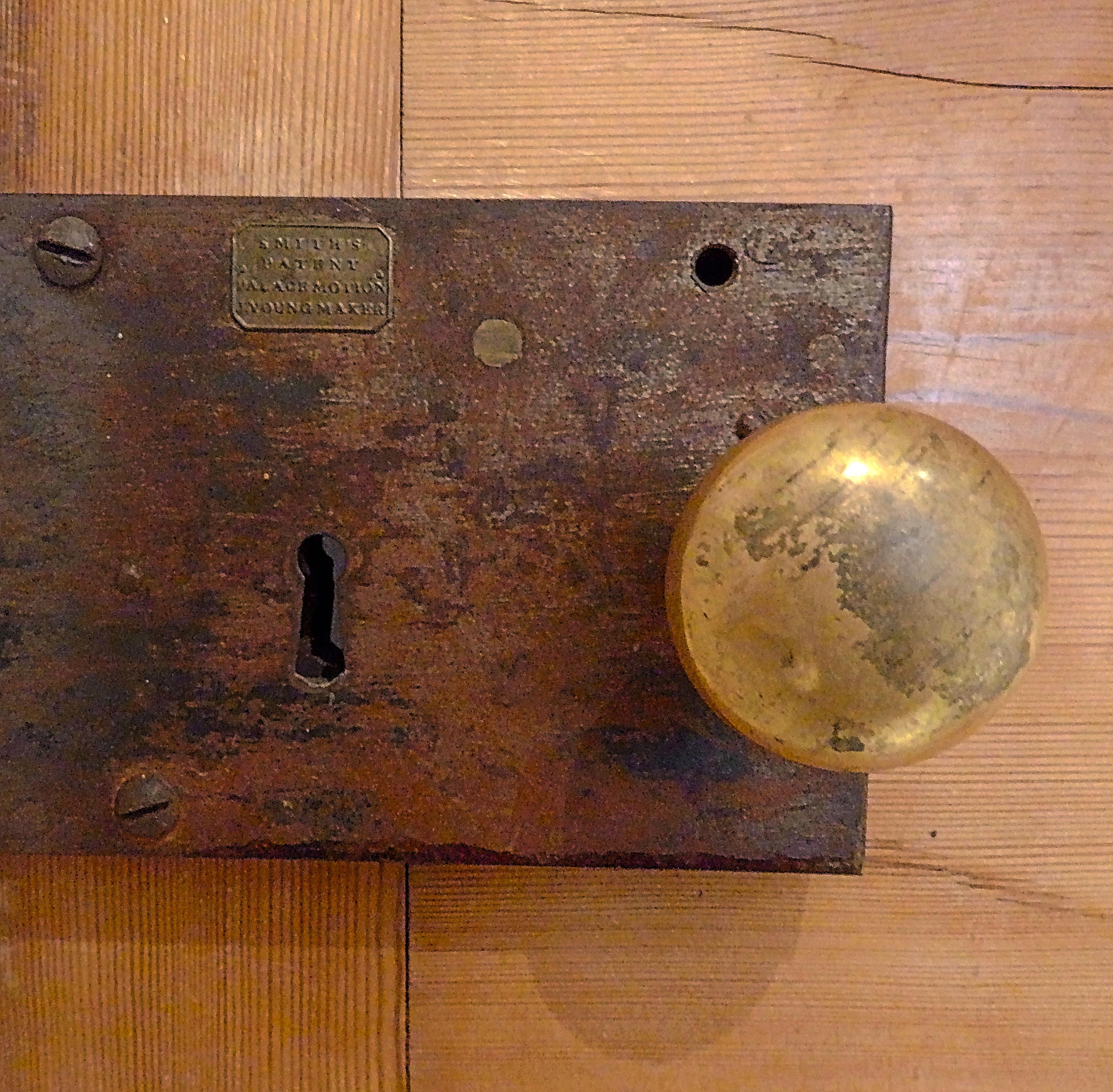
sheds its coat. Listening, I turn the knob.

mooncoat

“Door” first appeared on the blog in September 2016.

Summer 1966: After France & Remembering Bobby, Who One Day Would Learn to Multiply and Divide, Write Love Poems, Define Home, Fight Unfairly and Live with as Much Gusto as a 7-Year Old. Perhaps.

Summer 1966: After France & Remembering Bobby,
Who One Day Would Learn to Multiply and Divide,
Write Love Poems, Define Home, Fight Unfairly and
Live with as Much Gusto as a 7-Year Old. Perhaps.

From left coast to right, or the wide arc between,
which place claimed you? In New York you marveled
at the building’s backs scratched by clouds, and all your
pale cousins in Baltimore spoke strangely and couldn’t fathom
your nuclear family’s private lingo, while the drive to Texas
and its red ants and iced tea blossomed into adventures between
pages in the back seat of the VW bug. By the second week you
learned that Texans sweat as much as the French, and swear even
more, that you couldn’t fight one twin without taking on the other,
sometimes both at once. There was no question of fairness then,
just brotherhood, but the librarian would slip you the choicest
donated fiction, and you played baseball every day in the vacant lot
until sundown called the players home to black and white body
counts and cigarette commercials on the three channels received.
Sometimes you lay in bed under the half-light of the whirring
fan blades, and dreamt of heroes and ornithopters, zebras
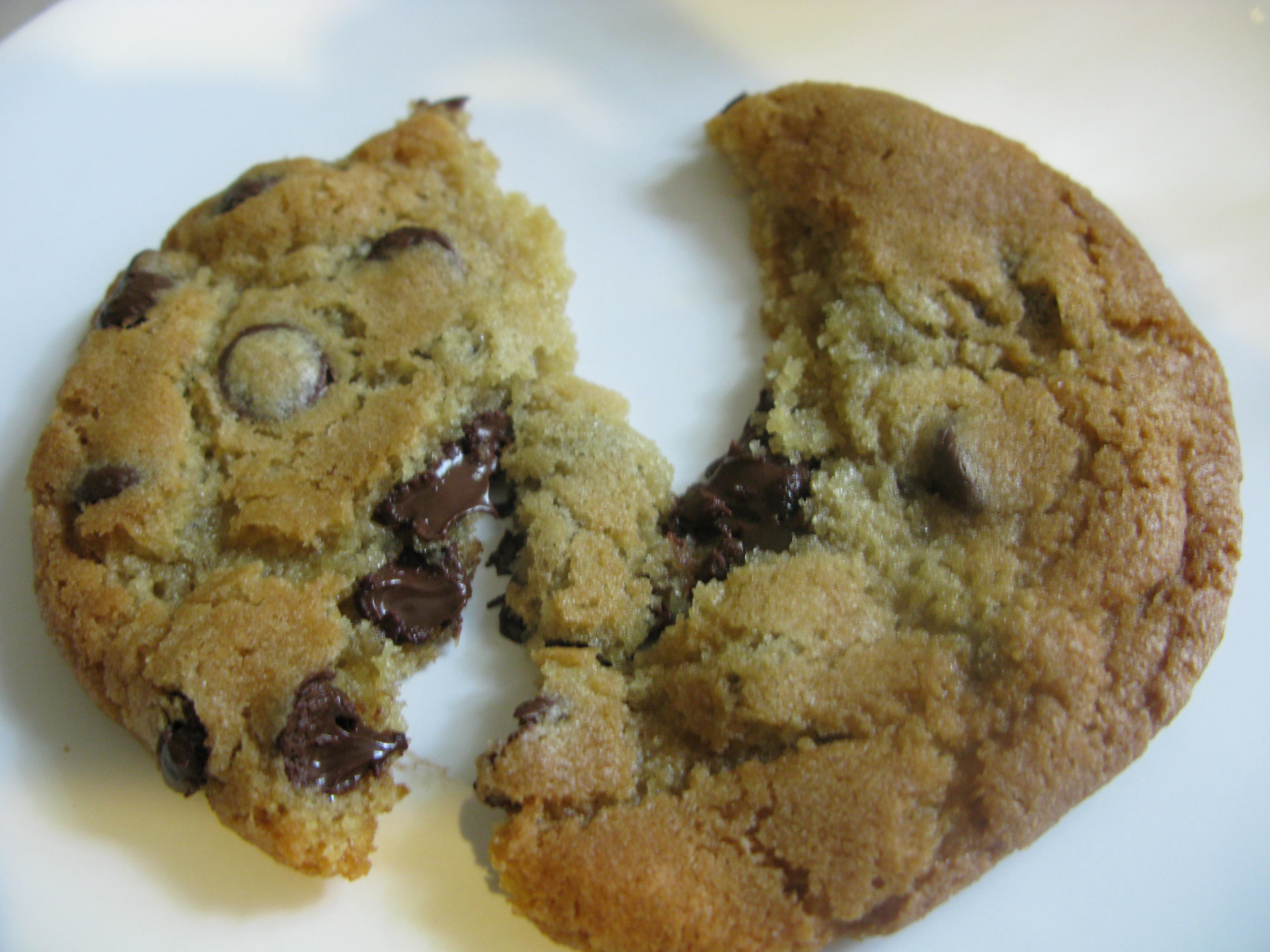
and the scent of chocolate chip cookies in the oven. Other nights
you wondered how words could rest so calmly on one page yet
explode off the next, or why a man would climb a tower in Austin
to kill fourteen people when opportunities for mayhem and murder
burgeoned across the sea. Wasn’t living a matter of simple
subtraction? One by one the days parted and you walked through
that dwindling heat, eyes squinting, questions in hand, emerging
fifty years later having suffered additions and division and the
cruelties of love and success, honor and truth, still asking why
and how, home or house, where it went, your shoulders slumping
under the heft of those beautiful, terrible summers stacked high
like so many life-gatherings of unread books awaiting a bonfire.

This was first published in theSilver Birch Press “Moving” series, and an earlier version titled “Bonjour, Texas” appeared on the blog A Holistic Journey.

Self-Portrait with Shadow

image

Self-Portrait with Shadow

Sometimes light reveals our thoughts.
Separate and unequal, we blend.

The predominant sibilant in English,
its pronunciation varies.

Sciaphobia is the fear of shadows. Last
winter the wellhead froze and we

chain-sawed our way to warmth,
synchronized in the fading light.

And which decides the other’s fate?
In the flame I detect new life, a hissing

in the cast iron box. Though ranked only 8th
in frequency of use, more words in English

begin with S, leaving additional questions.
Is hiss the opposite of shh?

The umbra is the darkest part
of the shadow, where light is completely

blocked. Not the serpent, but the bow
and a misperception. Shadows grow

in proportion to the distance
between the object blocking the light

and the projection surface. Resembling
infinity, yet missing the link. Two facets

of one darkness. A faint suggestion. Amphiscians
cast shadows in two directions. Or not at all.

This appeared on the blog in April 2015, and another version appeared in Otoliths in fall of 2013, but it appears that I’m not quite done with it. I’d been exploring our alphabet, tracing letters’ origins from hieroglyphs to present form, and attempting to merge some of those findings with disparate details. One of these days I’ll get back to it…

A Q&A and more successful examples of what I was trying to achieve can be found at Prime Number Magazine:

image

With These Nine Figures

zero sign

With These Nine Figures

   … and with the sign 0…any number may be written.

                                                                 Leonardo of Pisa (Fibonacci)

We attain from emptiness and the Sanskrit shoonya, from safira and sifr, zero.
As in unoccupied, as in void, as in what brims the homeland of null.
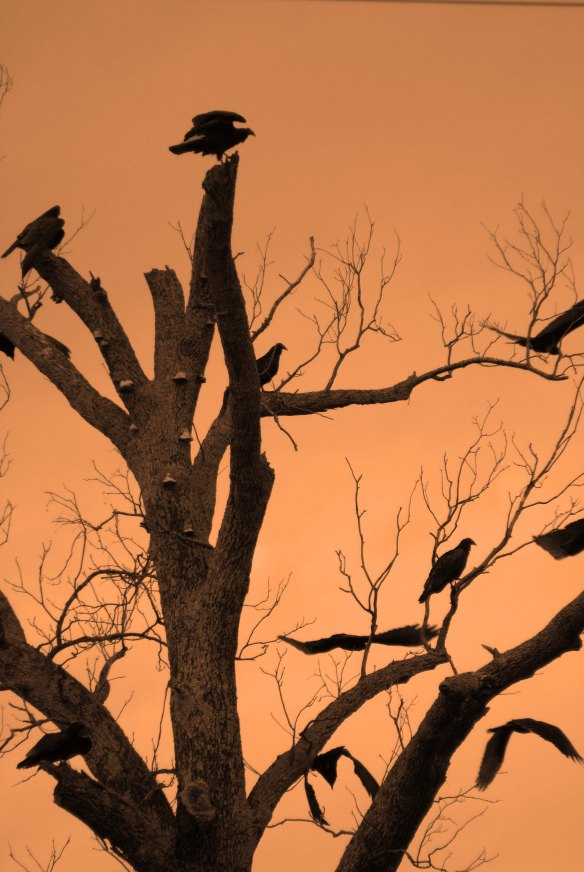
I once counted thirty-four black vultures orbiting my neighbor’s hill.
Despite appearing in Mayan codices, they neither sing nor cipher.
Fibonacci’s Book of the Abacus introduced the decimal system to Europe.
Regarding the tyranny of mathematics, is nothing something?
From alterity to belonging, its provenance assumes an absence of being.
Which is not to suggest xenophobia or superiority in order.
Whether depicted by empty space, wedges, or hooks, it held place.
Representation not of the object, but of its purpose, its path.
Black vultures do not smell carrion, but pillage from those that can.
Obliterative in the west wind, subtractive, unbound, they spiral.
Are the circlers in the sky symptomatic or merely symbolic?
Comparing negative infinity to its positive sister, I observe their way.

“With These Nine Figures” originally appeared, with a companion recording, in Clade Song in summer, 2013. I had asked a friend for five or six words to use in a poem. She provided tyranny, emptiness, xenophobia, pillage and at least one other that I’ve forgotten. But it wasn’t nothing.

SONY DSC

Meditation in White

lily

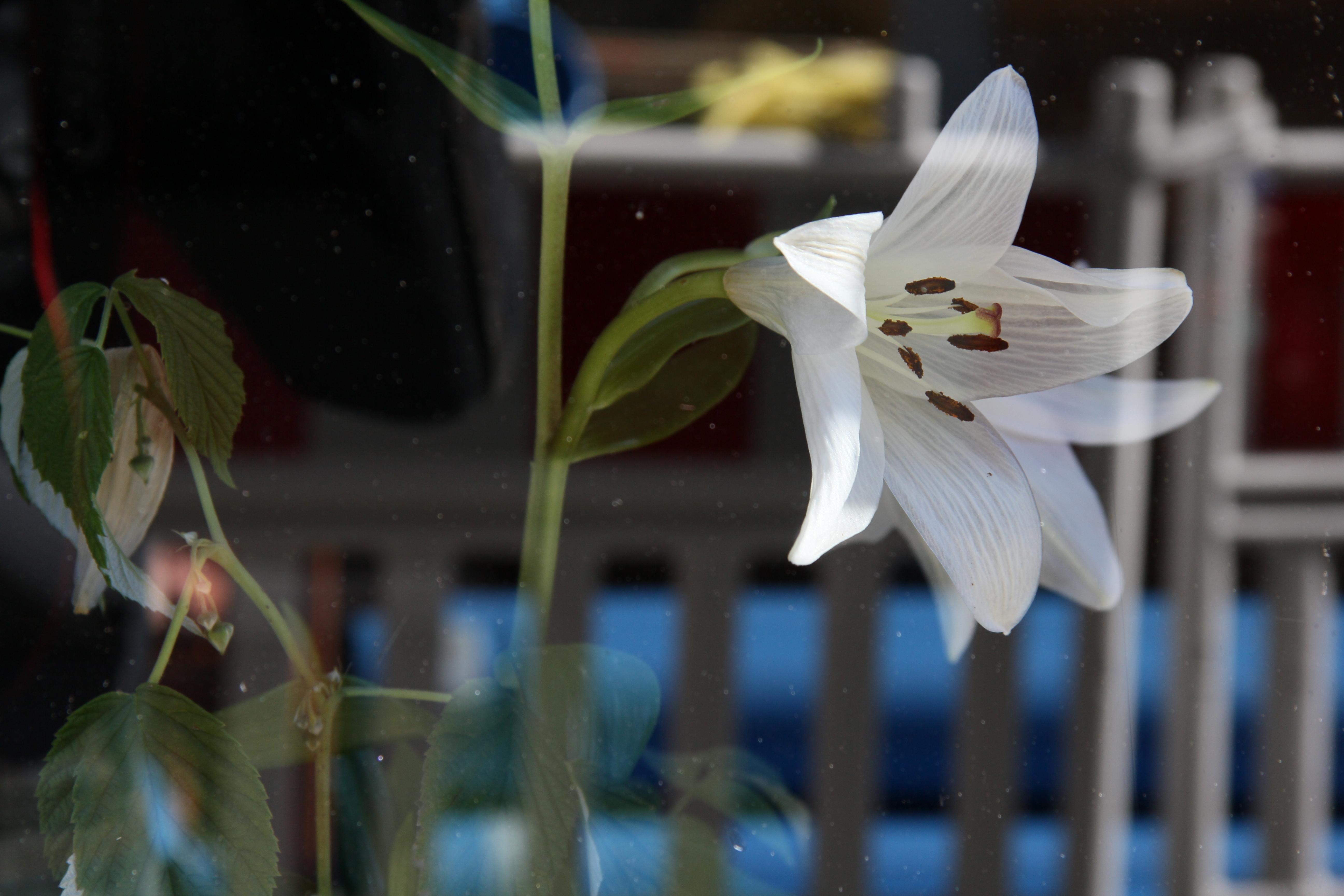
Meditation in White (Lilies)

Clouds pass my high window quickly, abandoning the blue.
Indefinite mass, indeterminate, impersonal

as only intimates may know.
Though you lay there, nothing remained in the bed.

Which is the blank page’s gift, the monotone
or a suggestion of mist and stripped bones.

The nurse marked the passage with pen on paper.
Renewal, departure. A rising.

I accept the ash of suffering
as I accept our destination, the morning

and its offerings, with you in synthesis,
complete and empty, shaded in contrast,

wilting, as another opens. Laughter eases the way.

***

page

This was first published in Shadowtrain, and made its first appearance here in March 2016.

ENTER THE NY TIMES TRUMP POETRY CONTEST

This could be fun!

tribrach's avatarTribrach: for those who love (or would like to love) poetry

giphy.gif

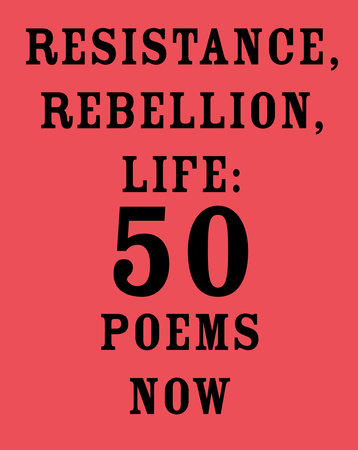
Nicholas Kristof held a Trump Poetry Contest at the New York Times earlier this year that lead to the publication of Resistance, Rebellion, Life: 50 Poems Now. 

9781524711320.jpg

He’s now teaming up with the Poetry Society of America to run a 2nd Trump Poetry Contest.

Announcing a Trump Poetry Contest – Nicholas Kristof – New York Times – 9/15/17

“No entry can be more than 22 lines. They can rhyme or not and can be haiku or sonnets or limericks or any other form — just no epics.

“One caution: The Times can’t publish vulgarities and profanities. The poems must be your work, and your submission means that you agree to let me publish them or excerpt them in The Times. Also, I’d like to make clear that whatever my politics, I welcome poems that defend President Trump or target the press. If you think we in the media are being…

View original post 39 more words

Recording of “Listening to Cicadas, I See Charlottesville (Ghazal)”

Listening to Cicadas, I See Charlottesville (Ghazal)

Shedding one coat, you live in the red, apart
from the rest. Never together, forever apart.

In this sun-drenched field, the cracks drill deeper,
wider, dribbling soil and small lives, expanding, apart.

What falls truer than any words released from this man?
Once divided, never again to touch, always apart.

The electric shrill fluctuates pitch, in unison. Hundreds
of tymbals, shredding dusk, now together, then apart.

You narrow your eye to a slit, but still see the entire
spectrum. Wing clicks, stridulation. Whole yet apart.

Shearing syllables, I learn the language of half-truth.
What is my name? I reach for that fragment. It falls apart.

Michael Simms: The Very American Poetry of Jose Padua

If you’re not familiar with Jose Padua’s work, you’re in for a treat!

Vox Populi's avatarVox Populi

What are poets for in destitute times? — Hölderlin

.

Every poem is a subversive act.

In an age when our senses are benumbed by competing media screaming for our attention, the radical quietism of a well-made poem is in itself revolutionary. Sitting quietly and listening to a person share his or her most important experiences expressed in a coherent form goes against our entire twenty-first century Western culture. Poetry is the only antidote for the insanity of post-modern life. This is the reason why poets have been in the vanguard of the contemporary progressive movement and also the reason why poetry’s small audience must be nurtured and expanded.

It is very difficult for a contemporary American to sit still and listen to a poem because the experience requires patient attentiveness to another person’s feelings. Having few chances to practice this kind of empathy, we are simply not very good at…

View original post 1,230 more words

Which Poet, Which Beer (4)

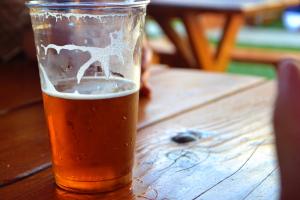
I come here to sit quietly, emerging from my shack, if only briefly, to eavesdrop and observe, to sip beer and participate in the world of commerce. Ah, yes. The grocery store. If only all of them housed craft-beer bars. I place cilantro and shallots in my basket, add arugula, asparagus and a lime, and wander over to the fish case where two small fillets of Chilean sea bass, the commercial name for Patagonian toothfish, catch my eye.

Finally at the bar, I order Lone Pint Brewery’s Zeno’s Pale Ale, and overhear a disquisition on hydration and landscaping, and a conversation on war and snipers and gratitude. The ale arrives with a light, lacey head, exudes a bready malt profile upfront, and a pine-citrus punch at the back. I can’t quite uncover the truth of the flavor, but enjoy the search, and amidst the swirling combination of voices and beer I somehow think of Veronica Golos’ “Snow in April,” a ghazal in her stunning book Vocabulary of Silence.

“Has my flock of flowers died? An ambush, a bullet-shot
of cold. Undone beneath the snow, what’s truth, in April?”

What is the sniper’s truth? What gratitude might we find within April’s layers? I have no answers, only more questions, and with more questions comes thirst.

My second beer is a curious blend of old and new – a Belgian-style quadrupel that, don’t laugh, smells a bit like a cola, but in a good way. Unibroue’s Trois Pistoles is dark brown, let’s call it mahogany, with a fruity but mellow flavor and a toasty malt finish. And well balanced – with an alcohol content of 9%, it’s strong, but not too strong. Historical undercurrents flow through this brew, yet it also brings with it an appreciation of the new and popular, which leads to thoughts of one of my favorite poets, Frank Bidart, whose work often refers to and resonates with historical figures (in the book at hand, Watching the Spring Festival, Tu Fu and Catullus come to mind), and his poem “Sanjaya at 17,” referencing an American Idol contestant:

“There is a creature, among all others, one,
within whose voice there is a secret voice
which once heard
unlocks the door that unlocks the mountain.”

Today the mountain does not swing open for me. Perhaps a second Trois Pistoles might have done the trick, but instead, knowing I have to prepare dinner, starting with a compound butter of shallot, cilantro, garlic and lime zest, I request a mere taste of Founder’s Breakfast Stout, because, well, the idea of stout for breakfast has a certain appeal, though in my case would not be practical, as it would likely put me to sleep. And yes, it contains both chocolate and coffee (Sumatra and Kona), tastes a bit smoky, is smooth and luxurious in the mouth, and makes me long for a lonely, cold winter’s night in a far-off country, a fire crackling with just a hint of madness, and the full moon leering down at all of us, but particularly the dead genius that was Thomas James, whose poem “Wild Cherries,” from his one and only book Letters to a Stranger, ends:

I watch you eat, tasting yourself perhaps,
Some bitterness that is a part of you,
And I accept it gratefully. When you smile,
I see you dying in that single instant.
Walking back home, into ourselves, we enter
A far-off country neither of us wanted.”

Oh, those things we want and don’t want. To feel. To write. To cook, to sing. To share. To love. To be alone. To be numb. To do nothing. To do everything…

Three Cinquains under the Moon (for Adelaide Crapsey)

file0001462341793

These were originally written for a “Full Moon Social” celebration hosted by Jeff Schwaner in October 2014..

October 8, 1914

Listen…
three silences
none harsher than your breath
dissipating into the night’s
bright mouth.

Later

Rainfall
and wind. How I
would like to have touched you
if only with words trembling from
my lips.

October 8, 2014

A moon
that we might share
from mountain to the sea
a gift belonging to no one
but you.

Adelaide Crapsey’s last full moon lit the skies on October 4, 1914. She died four days later, at age 36. A poet well ahead of her time, she created the American cinquain, a five-line form of 22 syllables which I have followed in these three poems.

I discovered only after-the-fact that the Full Moon Social Jeff Schwaner hosted on October 8, 2014 fell on the 100th anniversary of Adelaide’s death. These poems were written with that particular evening still looming brightly in mind, to honor Adelaide Crapsey and the moon, whose separate but entwined lights we still share and celebrate.

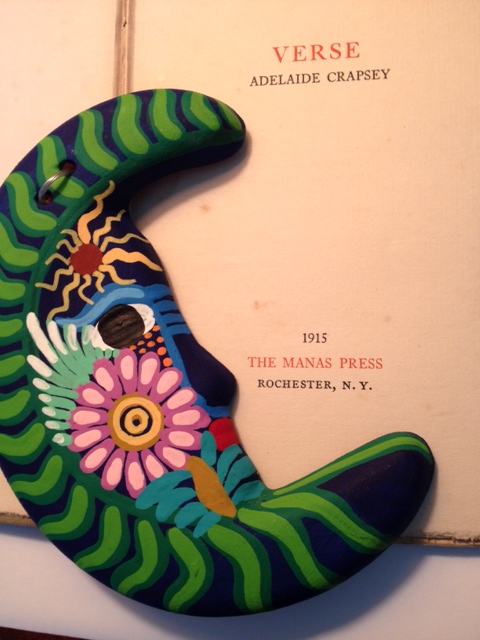
In my hand is a copy of a slim volume of her poetry, titled Verse and published posthumously in 1915. The following cinquain is from this book:

Moon-Shadows

Still as
On windless nights
The moon-cast shadows are,
So still will be my heart when I
Am dead.

Those interested in further details on Adelaide Crapsey might look here: http://www.poetryfoundation.org/bio/adelaide-crapsey

photo(21)