Nocturne (Fall 1983)
Tall weeds block
the view. Remove
sound from sight,
the guitar becomes
kindling. I stretch
my hands toward
the burning wood,
hearing the echo
and the woman.

This first appeared here in November 2015.


Nocturne (Fall 1983)
Tall weeds block
the view. Remove
sound from sight,
the guitar becomes
kindling. I stretch
my hands toward
the burning wood,
hearing the echo
and the woman.
This first appeared here in November 2015.

The Military Industrial Complex’s CPAs Never Sleep
We so seldom bury people at sea
in weighted shrouds,
preferring instead sealed
containers or ashes
mixed with concrete.
Little girls skip
down the street,
giggling, unaware of their
value on the open
market. Dollars, oil.
Weapons. All fungible.
On the forgotten shelf,
the avocado’s flesh
blackens inside
its withering armor.
How is too much
never enough?
Targets based on
possibilities, innuendo,
cost-benefit analysis:
three men and a camel,
wedding parties,
hospitals, homes.
Schools.
When morning comes,
they’re still awake,
collating damage, counting
opportunities, massaging
sums, ignoring cost,
harvesting their rotted fruit.
This first appeared here in September 2016.

Moths
Small moths stir
in the darkness.
I feel their
wings brush my
face, my hands,
remembering the cry
of something unseen.
It is windy
again this morning.
* * *
“Moths” first appeared here in July 2015.

End of the Road (2002)
Neither expected nor sought, truth arrives.
One phrase, a minute turn of the
wrist, and the beginning reverses itself, becomes
vessel versus point, illuminating
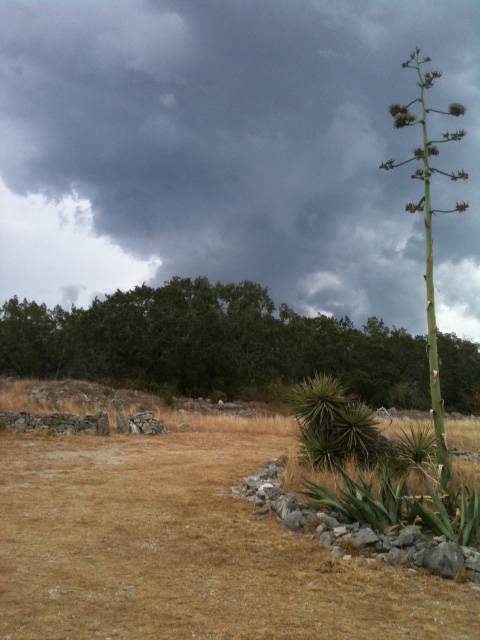
the reach: one sign, two paths. The agave.
How far we’ve come to affect this place.
Last season the flowers were gray and we knew nothing.
Even the stones quivered with laughter.
And then it rained. And the creeks rose, and the bedrock
appeared as if to say your efforts lack
substance. Look underfoot. There lies the truth.
Neither expected nor sought, it arrives.


Still Hands (Cento)
I let it burn, rooted as it is. Now
nothing else keeps my eyes
in the cloud – get close to a star,
and there you are, in the sun.
What about all the little stones,
sitting alone in the moonlight?
Silence complicates despair.
I have believed so long in the magic
of names and poems,
and I know that you would take
the still hands to dryness and
loose rocks, where the light
re-immerses itself. It’s not the story
I want. We cannot live on that.
* * *
Credits:
Sharon Wevill, Julia de Burgos, Francis Ponge, Mary Oliver,
Alberto de Lacerda, Robert Hass, HD, Jacques Dupin, Francesca Abbate, George Oppen.
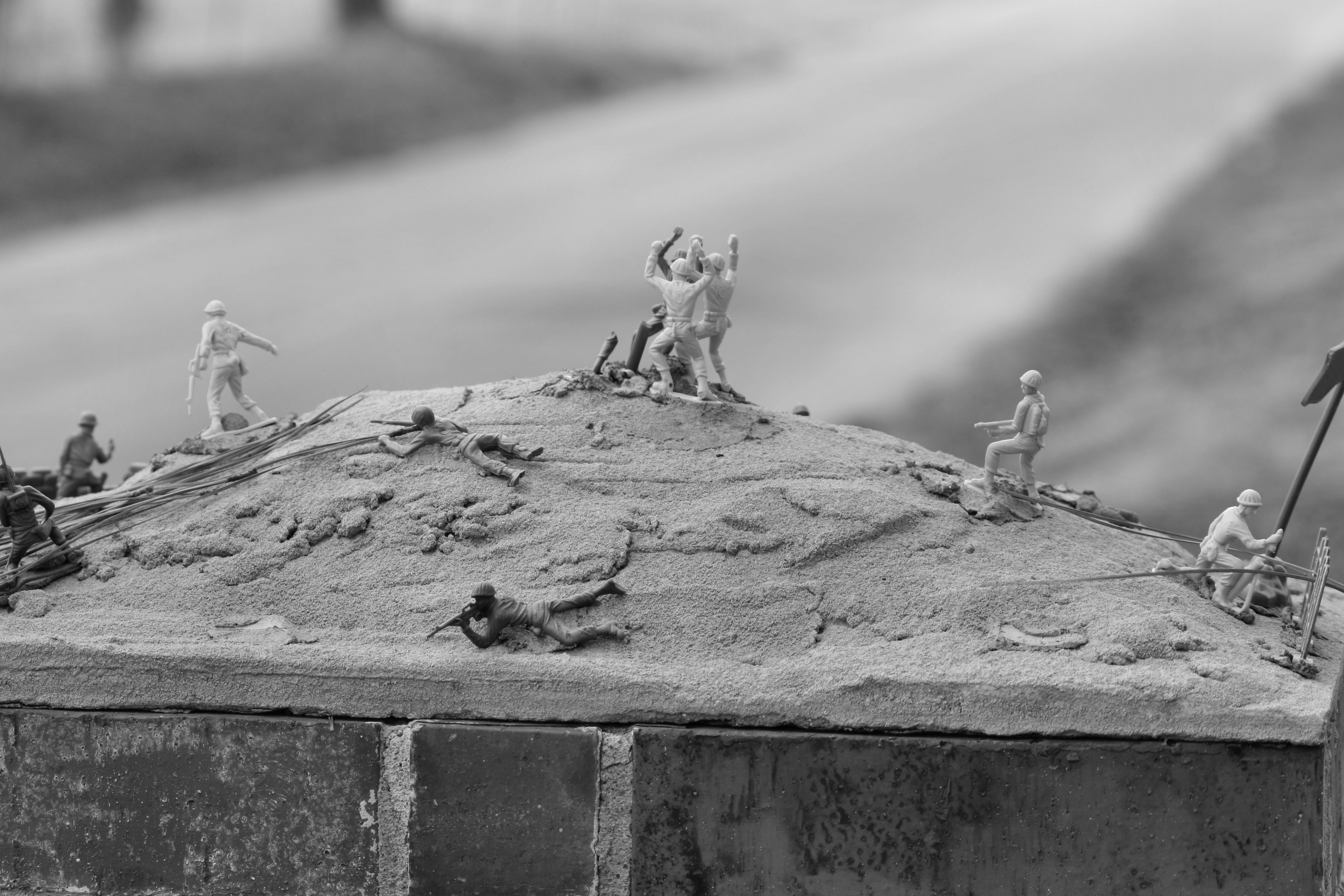
Gaza
We presume affliction by census,
whereas light
requires no faith.
Is the roofless house a home? When you call
who answers? The vulture
spreads its wings
but remains on post. Shifting,
I note minute of angle, windage. No
regrets, only tension. Breathe in. Exhale.
Again.
***
“Gaza” first appeared here in July, 2014, and is included in my chapbook, If Your Matter Could Reform.

The subject of Nineteen Ways of Looking at Wang Wei: How a Chinese Poem is Translated, these four lines have not suffered from lack of translation. Gary Snyder’s rendition is beautiful – some might say perfect – as is Burton Watson’s. And then there’s Octavio Paz’s version. Yet I persist…
The transliteration on Chinese-poems.com (which differs from that offered by Eliot Weinberger):
Empty hill not see person
Yet hear person voice sound
Return scene enter deep forest
Duplicate light green moss on
And my take:
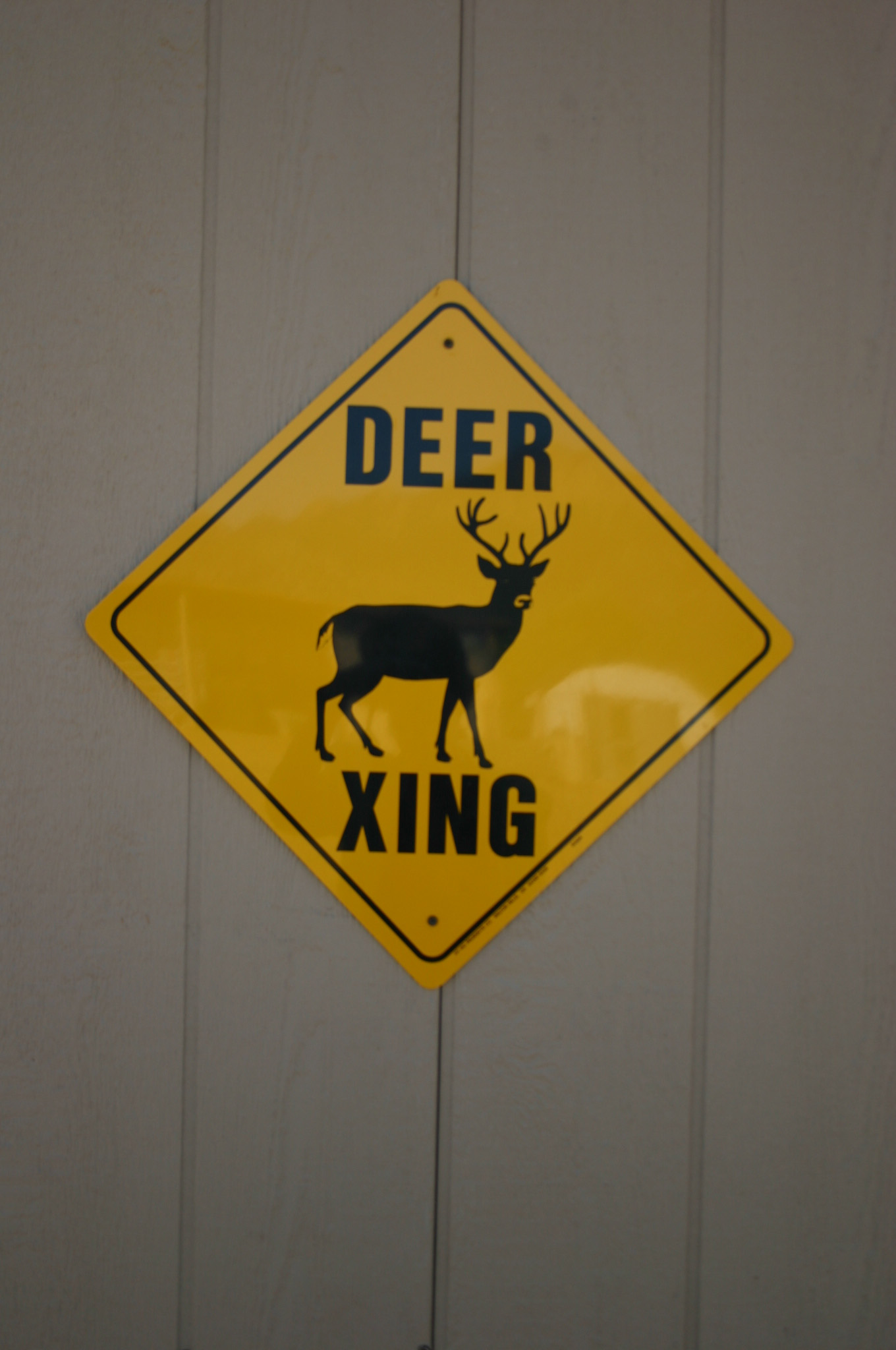
Deer Sanctuary
There’s no one on this empty hill,
but I hear someone talking.
Sunlight trickles into the forest,
reflecting onto the green moss.
Time and again Weinberger objects to an explicit first person observer, but to my ear it flows better. I’ve tried to retain a sense of precision in observation and at least a hint of duality, and believe that I’ve succeeded, at least in part. Having carried this poem with me for more than two decades, only now have I felt up to the task of adapting it. I chose the title “Deer Sanctuary” because in my neck of the woods spaces enclosed by “game fences” are generally meant for hunting. We Texans do love our venison. But the poem, to me, is ultimately peaceful. Hence my title.
I was flattered when Sam Hamill contacted me after this first appeared in 2014. We had a brief exchange about the sun and moss and academics that I’ll cherish forever.
This originally appeared on the blog in April 2014.
The moon smiles upon my bed.
I consider frost and ice,
and raising my head, the bright sky.
Lying back, I think of home.
Once again, I’ve attempted to shiver myself into a timeless piece. I can only hope that my version does not offend.
The transliteration from Chinese-Poetry.com follows:
Bed before bright moon shine
Think be ground on frost
Raise head view bright moon
Lower head think home

This originally appeared here in March 2014.

Resurrection (Cento)
Everything we love
returns to the ground.
Each syllable is the work of sabotage,
a breeze seeping from the heart of the rocks.
They are my last words
or what I intend my last words to be.
I think just how my shape will rise,
a miracle, anywhere light moves.
*****
A cento is composed of lines borrowed from other poets. “Resurrection” first appeared here in January 2016, and owes its existence to the poetry of Tishani Doshi, Paul Auster, Antonella Anedda, Sean Hill, Emily Dickinson, and Ruth Ellen Kocher. I urge you to seek out their work. It astounds!


(This first appeared here in March 2014).
Quite the interesting mag back in the day. This particular issue saw the likes of Bukowski, Ivan Arguelles, Lyn Lifshin, Norm Moser, Sheila E. Murphy, and, well, me, among others. I was thinner back then, as was my poetry.
no more than
the slow grace
of light turning
the leaf so
patient in the
air and colder
now that sense
of permanence unfurled
it is not
long to wait
as Wang Wei
said in his
letter I listen
for a sound
but hear none

 O at the Edges