Self-Portrait with Blue

Blue


Self-Portrait with Blue

Darker shades contain black or grey. I claim
the median and the shortened spectrum, near dawn’s terminus.

In many languages, one word describes both blue and green.

Homer had no word for it.

The color of moonlight and bruises, of melancholy and unmet
expectation, it cools and calms, and slows the heart.

Woad. Indigo. Azurite. Lapis lazuli. Dyes. Minerals. Words. Alchemy. 

On this clear day I stretch my body on the pond’s surface and submerge.

Not quite of earth, blue protects the dead against evil in the afterlife, 
and offers the living solace through flatted notes and blurred 7ths.

Blue eyes contain no blue pigment.

In China, it is associated with torment. In Turkey, with mourning.

Between despair and clarity, reflection and detachment,
admit the leaves and sky, the ocean, the earth.

Water captures the red, but reflects and scatters blue.

Look to me and absorb, and absorbing, perceive.


This originally appeared in the Silver Birch Press Self-Portrait Series, and is included in The Circumference of Other, my offering in the Silver Birch Press chapbook collection, IDESpublished in October 2015.

ides front cover 92915


What Feet Know (with recording)

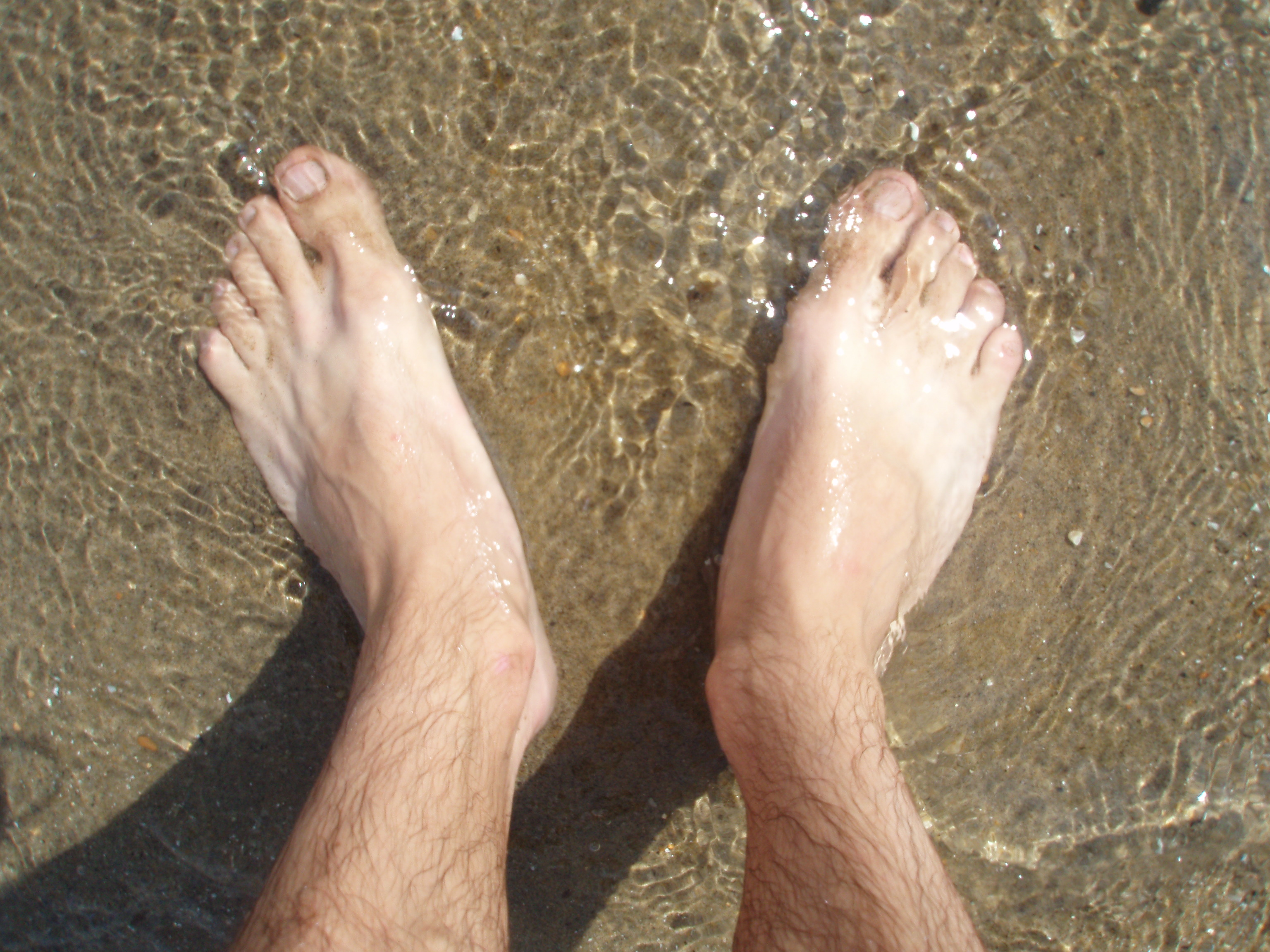
feet


What Feet Know

The earth and its subterfuge.
Gravity and the points between here and there.

And sometimes the rasp of grainy mud
clenched between toes,
or a rock under the arch,
an explanation too pointed
for display on a page,
too hard, too much for flesh to bear.

No constellations foment underground.
Nothing there orbits a companion.

No light but for that darkness the heel scrapes away.


“What Feet Know” was featured on Postcard Poems and Prose Magazine in December 2016, and is included in my  chapbook, From Every Moment a Second, available Available at Amazon.Com and Here.


Rice

image


Rice

Yesterday’s rain informs me I’m born of luck and blended
strands, of hope and words forged before a common tongue emerged.

Of my first two languages only one still breathes.

The other manifests in exile, in blurred images and hummed tunes.

Rice is my staple. I eat it without regarding its English etymology,
its transition from Sanskrit to Persian and Greek, to Latin, to French.

Flooding is not mandatory in cultivation, but requires less effort.

Rice contains arsenic, yet I crave its polished grains.

In my monolingual home we still call it gohan, literally cooked rice, or meal.
The kanji character, bei, also means America.

Representing a field, it symbolizes abundance, security, and fertility.

Three rice plants tied with a rope. Many. Life’s foundation.

To understand Japan, look to rice. To appreciate breadth, think gohan.
Humility exemplified: sake consists of rice, water and mold.

The words we shape predicate a communion of aesthetics.

Miscomprehension inhabits consequence.


* * *

“Rice” has appeared here twice before, and is included in my chapbook-length work, The Circumference of Other, published in Ides, a one-volume collection of fifteen chapbooks published by Silver Birch Press and available on Amazon.com.

image


Recording of “Shadow Charm”

Shadow Charm

When you place your mouth
to my ear

how does the ocean know
which wave

to relinquish?
In your darkness I find teeth.

Blessings of the meek-throated.

A ribbed tunnel. Codicil.

Your tongue scrawls: too late,
the unsaid     nerve-sparked and

dilated     too late

And my skin replies: with
lightning     all strikes

count     to each its charge

“Shadow Charm” was published in August 2017 in The Icarus Anthology.

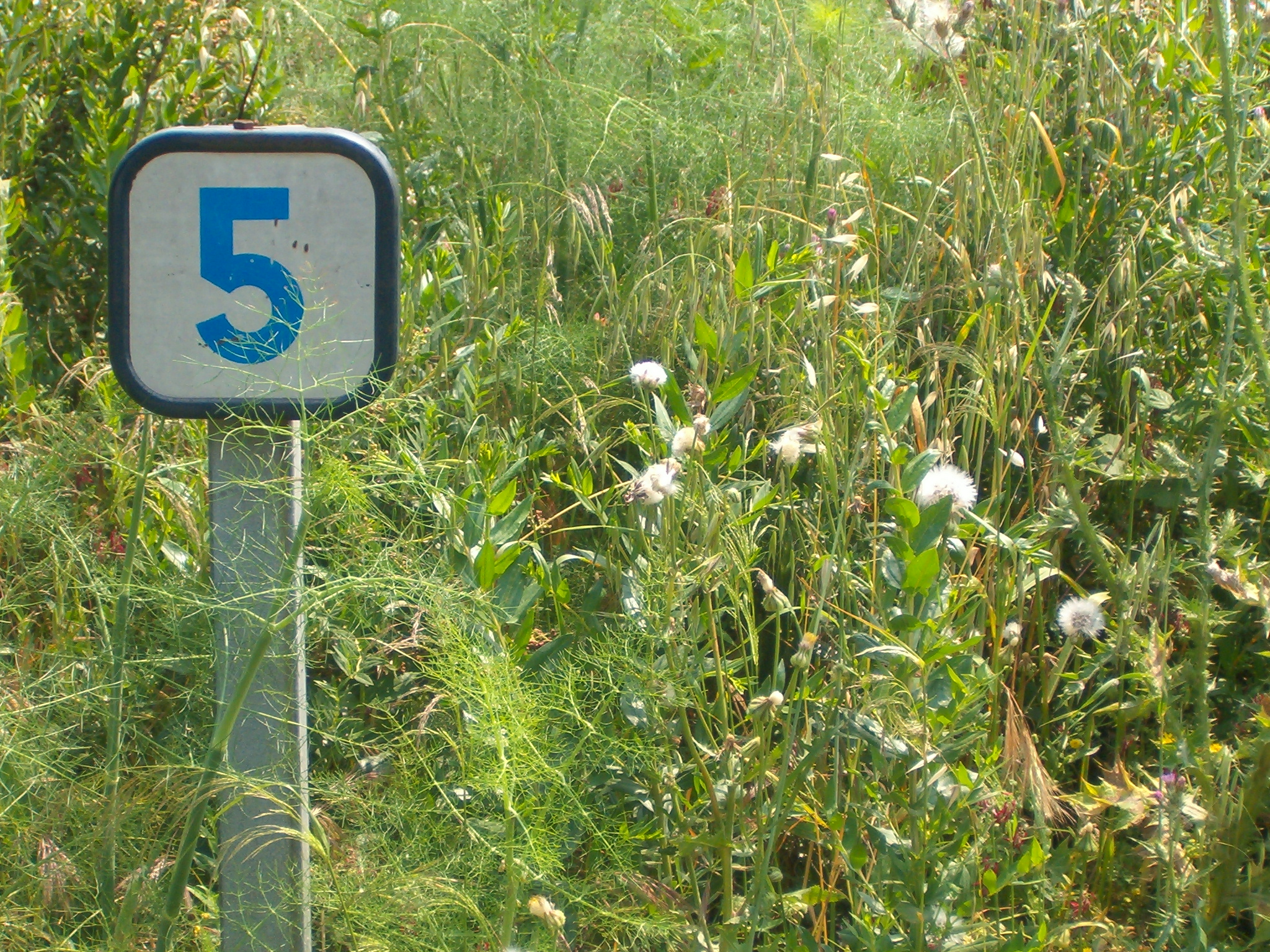
Five


Five

Of odd and even, the figure of natural man.
If an open hand equals five, what, then, is a fist?
The number of fear, of strength and severity.
Pressing the thorn into my thumb, I redeem.
Wood subdues earth.

Of Ishtar, the talisman of magic, the quintessence.
After the fall, the five.
Earth conquers water.
An outstretched body’s form: the pentagon.
Charred flesh, death in the air.

Of perfection and man’s limits.
Five wounds, five mysteries, the pyramid’s representation.
The hamsadeflects an evil eye.
Water extinguishes fire.
I close my eyes and see.

Of cone/cube/sphere/water/ether.
Metal cuts wood.
The staff serves time and pitch in music.
From waves to vibration to nerve impulses.
Nexus of the cardinal directions.

Of balance and harmony; the center.
Product of the first female and male numbers.
The Szechuan peppercorn confuses the tongue.
Fire melts metal.
When multiplied by a factor of itself, the end.


Numbers fascinate me. “Five” was published in the 2018 summer edition of The High Window. Many thanks to editor David Cooke for taking this piece.


As the Gravy Flows


As the Gravy Flows

Viscosity is always a consideration, as is definition:
traditionally a sauce composed of meat juices and
thickeners, or, a sediment of melted tallow, which
somehow brings to mind a laborer rising early after
a hard night, eating red-eye, made of fried ham
drippings and coffee, served over grits. Or perhaps
an egg gravy – a béchamel sauce flavored by bacon,
with water and milk, and an egg – ladled over butter-
rubbed biscuits. But then I picture my vegetarian
friends pushing away from plates of this fine repast,
and not wishing to deny them or those following a vegan
lifestyle, we turn to roasted vegetables with broth, oils
and wine and a savory yeast extract. But I can’t fathom
a life without giblet gravy, which features the neck and
offal of fowl, including the liver, the taste of which may
be too strong for other recipes using giblets, an interesting
word in itself, from the Old French for a game-bird stew,
and the Middle English meaning of an inessential
appendage, or entrails, morphing to garbage. I would
never throw out an onion gravy, essentially a thick sauce
of slow-cooked onion and stock or wine, and admit to
having tasted a cream version with the consistency and
flavor of diluted paste, indicating a lack of balance in
flavor and poor roux-making technique. My favorite
would be an Italian-American buddy’s gravy, his word
for a rich ragù of sausage, braised beef and shredded
pork, red wine, tomatoes and herbs, served over pasta.
This of course stretches the definition of the word, but
language is elastic, is it not? So it flows, as does the gravy.


“As the Gravy Flows” was drafted during the August 2016 30/30 Challenge. Thank you to Lady Phoenix for sponsoring the poem and providing the title!


In Praise of Rain (with recording)

file00093561951


In Praise of Rain

Which is not to say lightning or hail.
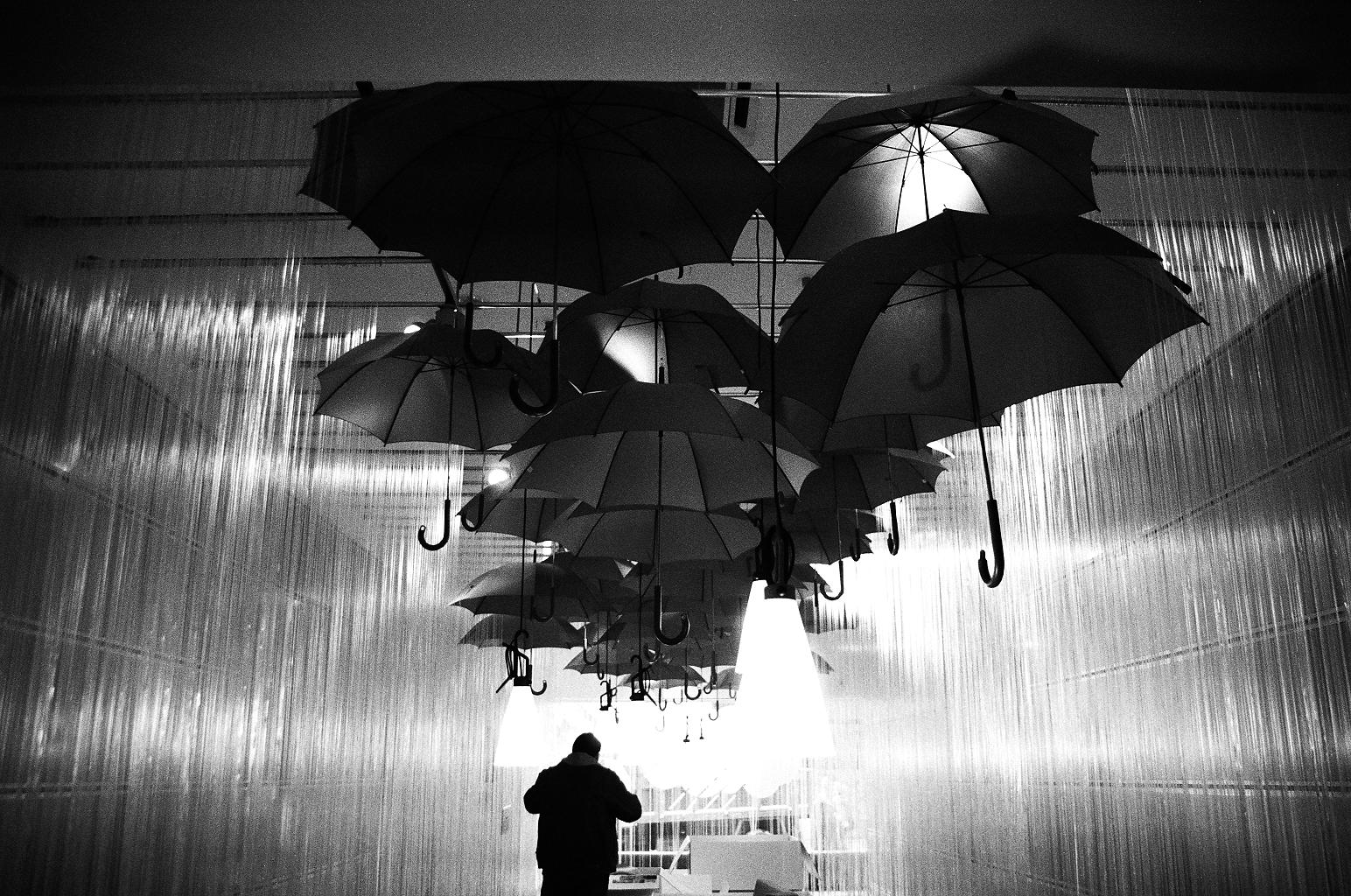
Sometimes I forget to open the umbrella

until my glasses remind me: Wake up, you’re
wet! If scarcity breeds

value, what is a thunderhead worth
in July? A light shower in August?

Even spreadsheets can’t tell us.


***

We’ve had rain lately…

“In Praise of Rain” is included in my micro-chapbook, You Break What Falls, available via free download from the Origami Poems Project.

file8541339345592


Cantilever


Cantilever

1

Night skitters over the mounds,
avoiding the blue flowers
She bears the horizon’s gold.

2

No one stands alone.
Our sky is of earth, dark
soil packed with the living.

3

I do not seek mercy.
The cliff frog chirps its song
and the fog closes in.

4

Suspended, hope
wraps around her,
one foot on the ground.


Nocturne (Blue Grosbeak)

file0001285095497


Nocturne (Blue Grosbeak)

Why tremble
when nothing
arrives to be seen?

The architecture
of the day
comes and goes

in the same
heartbeat,
a disturbance

more felt than heard.
But listen.
The grosbeak sings

his presence
and departs,
leaving behind

the echo
of a motion
blending with night.

The air is cool.
A leaf utters
its own message

and falls
unnoticed.
Nothing awaits it.


* * *.

file8891250781951


Somewhere: 28 Rue St. Jacques


Somewhere: 28 Rue St. Jacques

Or eating spam fried rice in the courtyard
after kindergarten, and playing cowboys
with Thierry, the kid next-door. We shared toys,
but not comics. Written language was hard

to decipher, unlike the spoken. I
never captured the nuances, and lost
the rest over the years. Today the cost
eludes me, like moths fluttering by. Try

to recall that particular morning light,
how it glanced off the French snow, and the
way our mother smiled at breakfast, no trace

of sadness, yet, the lines marking our heights
rising along the wall, limbs of a tree
we’d never climb, out there, somewhere, in space.


* * *

This was originally drafted during the August 2015 Tupelo Press 30/30 Challenge. I was never satisfied with it, and didn’t see any reason to revise. But those memories are worth sharing!