Down and Away


Down and Away

How soon we lose the scent
of our first love’s

body, that odor of perfume
over sweat and uncertainty

and the overwhelming surge
into what will never again

be new. You shake yourself
back, wondering

if falling stars could choose
to rise again, whether

they would rejoin the firmament
or simply retreat deeper into the

ocean’s black, cooling, sliding
down and away, slipping

free of regret, evading forever
the sun’s long fingers.


“Down and Away” was first published in August 2019 at Trestle Ties. Many thanks to Juleen Eun Sun Johnson and Aaron Schuman for taking this piece.


Palinode (salt, mask, descent)

mask


Palinode (salt, mask, descent)

Tracing the map to the swaying places, she rises
through the interior world, garnering peace by
syllable. Water, clouds and sand mark her ascent.
The expectation is return, renewal. My friend did not
awaken this morning, and tonight I praise her
passage with drink and song. Matter into spirit,
mountain into sky, redemption, freedom. We bathe in
light, reclaiming the liminal. Our tears evaporate,
leaving salt and untrod paths in our wake.

The paths in our wake delimit the future, but
everything falls. Which do we desire more, the grasp
or its release? That instant preceding fear defines a
yearning particular to its course, a cycle of regression
and progress: ancestors descend into human or
animal form, die, depart to the heavens, and return
anew. Distilled power, a bridge to the spirits, the
mask unshutters and conceals the conscious mind.
Opening my eyes, I release the sun.

I release the sun and observe the results. From sky
to soil, from above to below, to solidity. Spirit
acquires matter, disperses and regroups. Rain and
alluvion, flooded homes, the dark night of childish
laughter. Each to her own path, each to an end. Muting
the string, I touch the harmonic into the world, linking
civility to proportion, lowering dissonance. Everything
falls. Everything. From curve to angle, we resist and
rejoice. In this design parabola, she descends.


* * *

“Palinode (salt, mask, descent)” was first published in Otoliths in slightly different form, and is included in my chapbook, I Have a Bird to Whistle (7 Palinodes).

ascent


The Underbelly of This Seam


The Underbelly of This Seam

Slides beneath your gaze, unnoticed,
but the joining satisfies that particular

urge, combining two separates
into one whole, creating this new

piece. I thumb the string on every fourth
beat, anchor the cloth, pull it taut, and stitch.

What better material than air and silence?
Yesterday’s tune, tomorrow’s silk?

A fine breath zigzagged down the edge – frayed
lines, beneath, on the other side, testifying

to the struggles of the unseen. I exhale,
strike another note. You hum something new.


* * *

“The Underbelly of This Seam” was drafted during the August 2016 Tupelo Press 30/30 Challenge. Many thanks to Ursula, who sponsored the poem and provided the title.

Senate (Tritina)

Senate (Tritina)

Not imposition, but welcome.  The way
cooperation welcomes coercion, turning the
tenor of the intended phrase, opening

the statement to interpretation, opening
a point without dissension, in the way
of politics, agreeing which fact will shape the

morning, which truth will determine the
next word and the subsequent, as if opening
the issue, claiming to have found the way,

one way, the only, but never actually opening.

* * *

A tritina might best be described as the lazy poet’s sestina, consisting of ten rather than 39 lines, with the end words of the first stanza repeating in a specific pattern in the subsequent two stanzas. The last line includes all three end words.

The patterns:
abc
cab
bca

The last line uses the end words in sequence following the pattern of the first stanza.

This first appeared on the blog in March 2017.

A Step Closer


A Step Closer

The difference in here
and there, a step closer to infinity
swallowing the clover and wild onion.

Not knowing, you shift purpose to intent.

Following the sun,
the flower sips light all day,
pausing only when I walk between.


“A Step Closer” was published in Sleet Magazine in August 2018. I am grateful to editor Susan Solomon for taking this piece.


Palinode (Hands, Hours, Light)

xhand

P A L I N O D E ( H A N D S , H O U R S , L I G H T)

Consider the hand, its breadth, its history in mathematics and limitation. 27 bones, two strokes. Distal phalanges spanning gaps.  You turn and wave at the winnowed tunnel and the drops feathering the glass. The sinister endures tasks of life; right blesses power and assuages guilt. Presuming inflection, I use both hands to tally the absent. Later as we drive through the checkpoint, our way greased by fluency in the language of coin, heaven’s oblique arch recedes and I praise the passage of hours.

I praise the passage of hours measured in terms unknown to some: beyond two, many. Returning, we see streets guided by lampposts, bent trees and the uneven drizzle of sidewalk mendicants blurring through their days. A hanged man’s dessicated hand (pickled in salt and the urine of man, woman, dog and mare) forms the Hand of Glory, unlocking any portal the bearer desires opened: a direct tool of consciousness. Lacking the fat of a gibbeted felon, I cannot properly light the way.

I cannot properly light the way, but we  observe facets in differing terms: the hand, lips, and mouth claim more neural innervation than the rest of the body combined, perhaps a consequence of the primacy of making and sounding. Candles smolder and yield to shadow through dancing hand stories. The wave of acknowledgment, a finger across the lips, the open hand proclaiming innocence, expressing, grasping, creating, constraining, releasing. Extinguishing.

* * *

This first appeared in Hermeneutic Chaos, Issue 11.


OLYMPUS DIGITAL CAMERA


A Brief History of Babel

image


A Brief History of Babel


Borders, windows.
Sound.

Trudging up the steps, I am winded after six flights,
my words smothered in the breathing.

The Gate of God proffers no favors.
When the spirit gives me utterance, what shall I say?

Curiously, no direct link exists between Babel and babble.

A collective aphasia could explain the disruption. One’s
inability to mouth the proper word, another’s
fluency impeded by context.

A stairway terminating in clouds.

Syllable by twisted syllable, dispersed.

Separated in symbols.
And then,
writing.

To see the sunrise from behind a tree, you must face
east: higashi, or, a discrete way of seeing
the structure of language unfold.
Two characters, layered. One
thought. Direction.
Connotation. The sun’s
ascent viewed through branches
as through the frame
of a glassless
window.

Complexity in simplicity.
Or the opposite.

I have no desire to touch heaven, but my tongues reach where they will.

Who can know what we say to God, but God?

And the breeze winding through, carrying fragments.


* * *


My poem, “A Brief History of Babel,” was drafted during the August 2015 Tupelo Press 30-30 challenge, and was subsequently published at Bonnie McClellan’s International Poetry Month celebration in February 2017.


The Body Gives (with recording)


The Body Gives

Sometimes the body gives too much.
A tendon frays, the heart mumbles
and no one sees the damaged parts.

Ignoring pain, we continue climbing ladders,
sandpaper breath rasping the morning light.

Little bits of us crumble all the time,
yet we stumble on, pretending.

Then the body kills us with its enthusiasm.

Cells duplicate wildly, plaque explodes.
This enmity within? Defensive maneuvers.

Working alone, I wonder where I might end.

On the floor. In a field. Atop the bed.
Under the surface of a rippling pond
or drifting with smoke

through a snow-clad afternoon
at eight thousand feet. Among
the grocery’s tomatoes and squash
approaching the end of a long list.

At the bar, glass in hand, or in a truck
at a four-way stop, the radio blaring.

Time enough for speculation, they say.
But I wonder: when I jump,

does the earth always rise to greet me?


* * * *

“The Body Gives” first appeared in The New Reader Magazine, in March 2018.


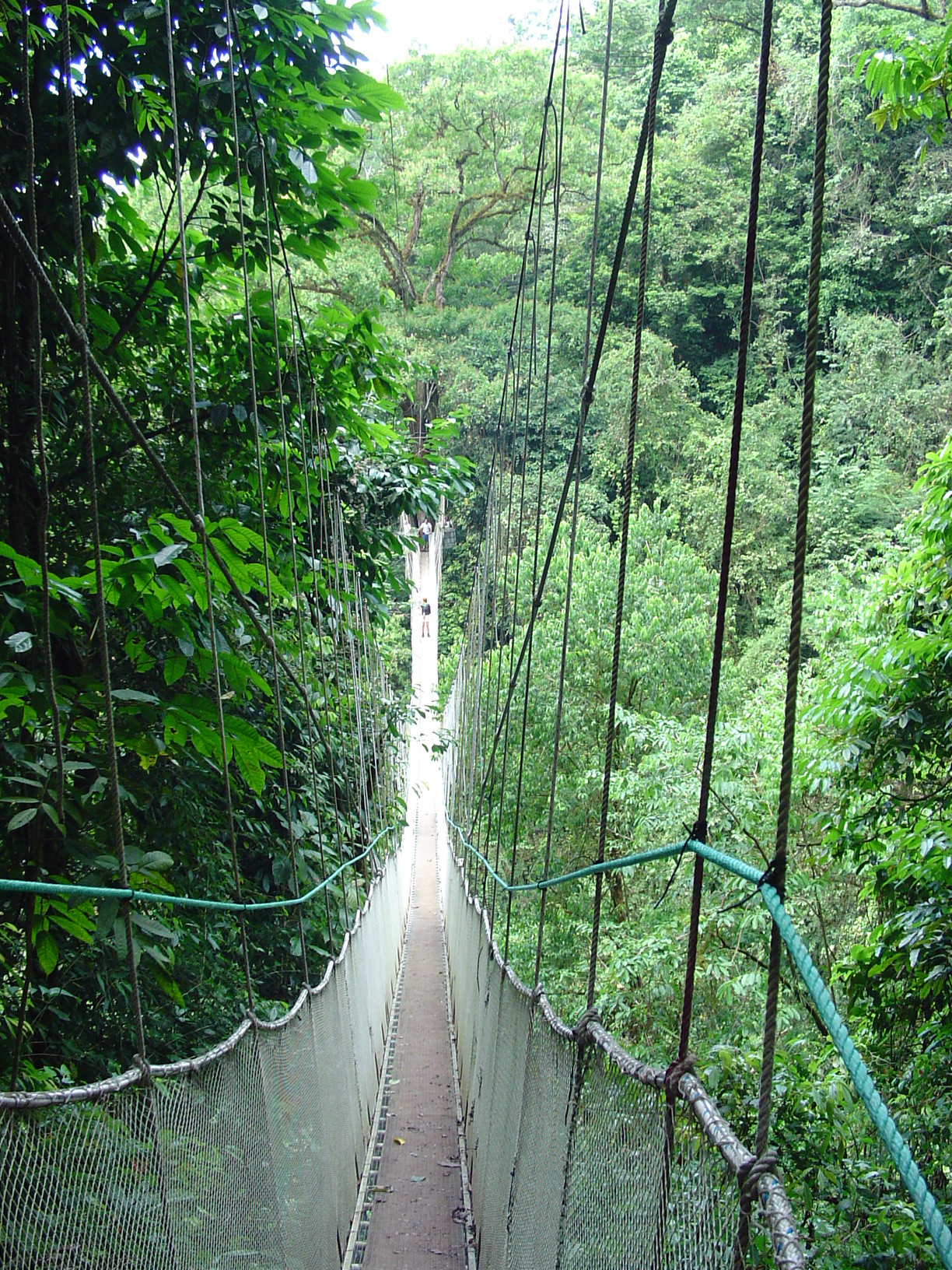
Rain Forest Bridge

bridge

Rain Forest Bridge

To cross
you must first
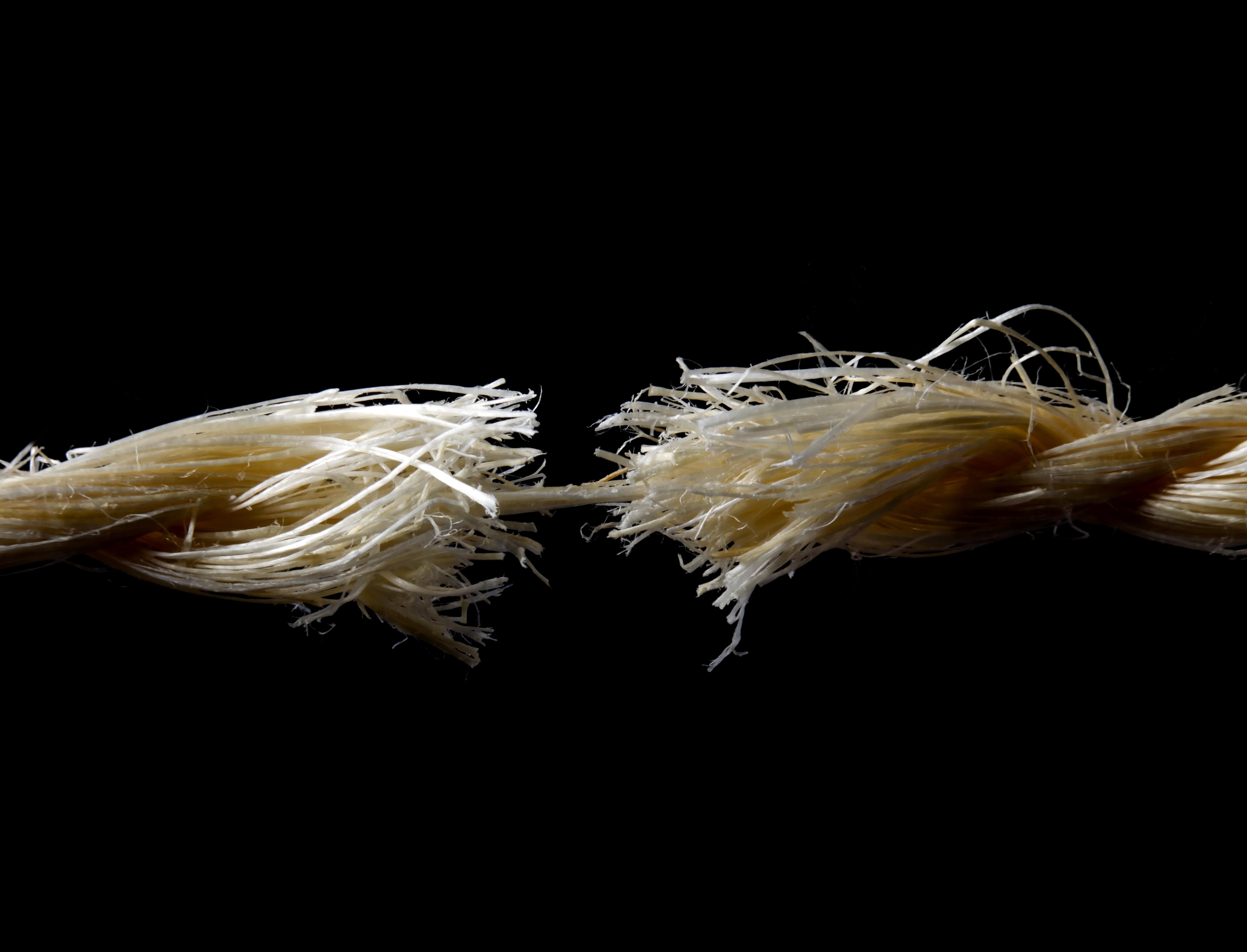
trust the strands

to hold.
The second tentative
step precedes
the next,

each successive one
gaining strength:
here to

there, now
to then, a summoning of
entreaties
within
one’s faith.

Vapor meets cooler air,
forming droplets,
clouding the far side.

I have feared endings
and the strictures of the unseen,

but here
in this vast
swaying,
I know

one line
bisects the void.

* * *

“Rain Forest Bridge” first appeared in Four Ties Lit Review in August, 2014.

rope

Synapses and Other Conjunctions

boot


Synapses and Other Conjunctions

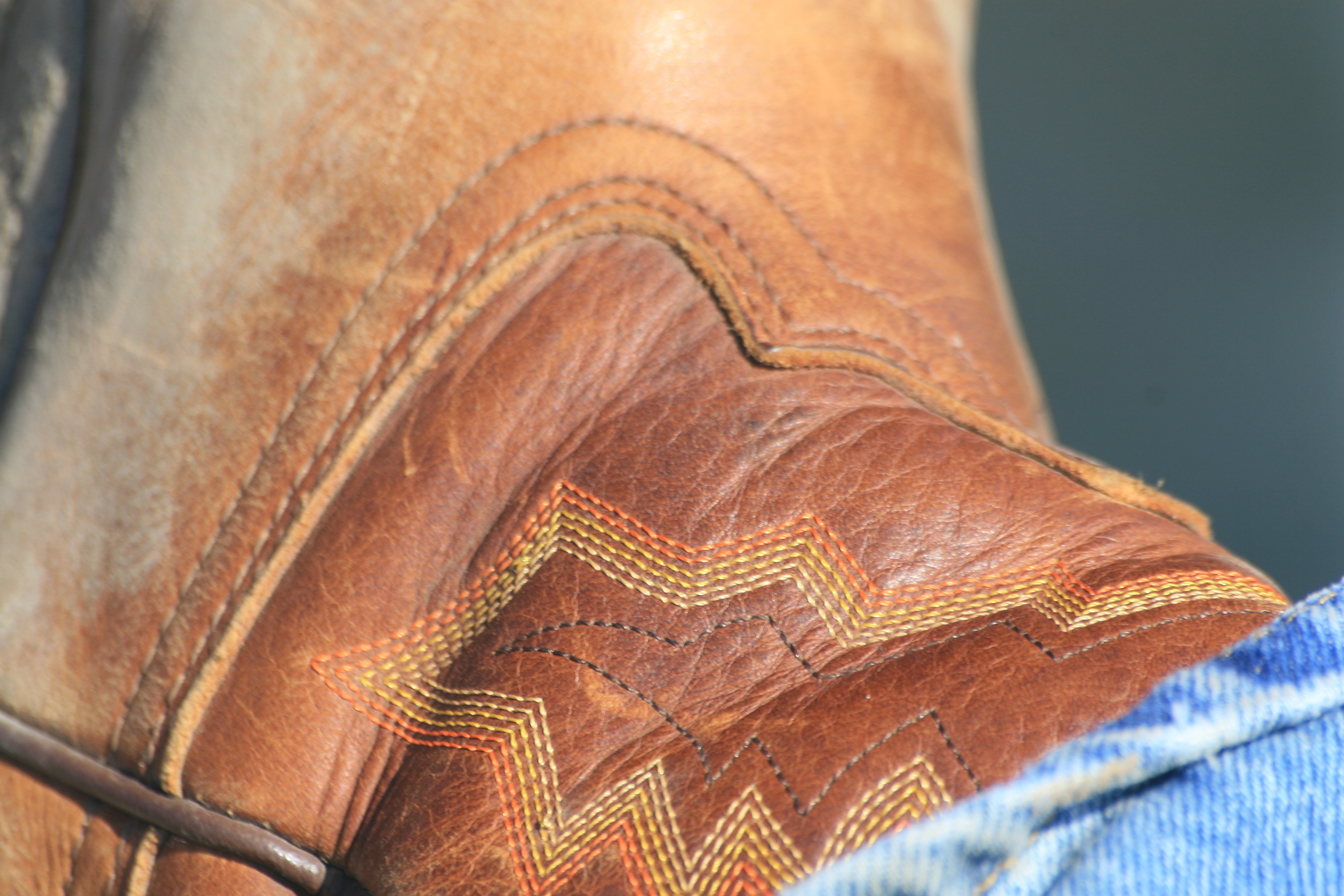
My advice? Wear boots, even among the dead.
Our barefoot friend, having separated the rattler’s
head from its body, picked up the six-foot
length to show off, and stepped back onto
the head, which though not alive, still managed
to squeeze venom from the ducts and inject it
through its fangs, into his foot. Consider this
a metaphor, if you must, but don’t belabor
it. This morning I am searching for
connections. The plumber says that when
the overflow is clogged, the sink won’t drain
properly, and I notice similarities between
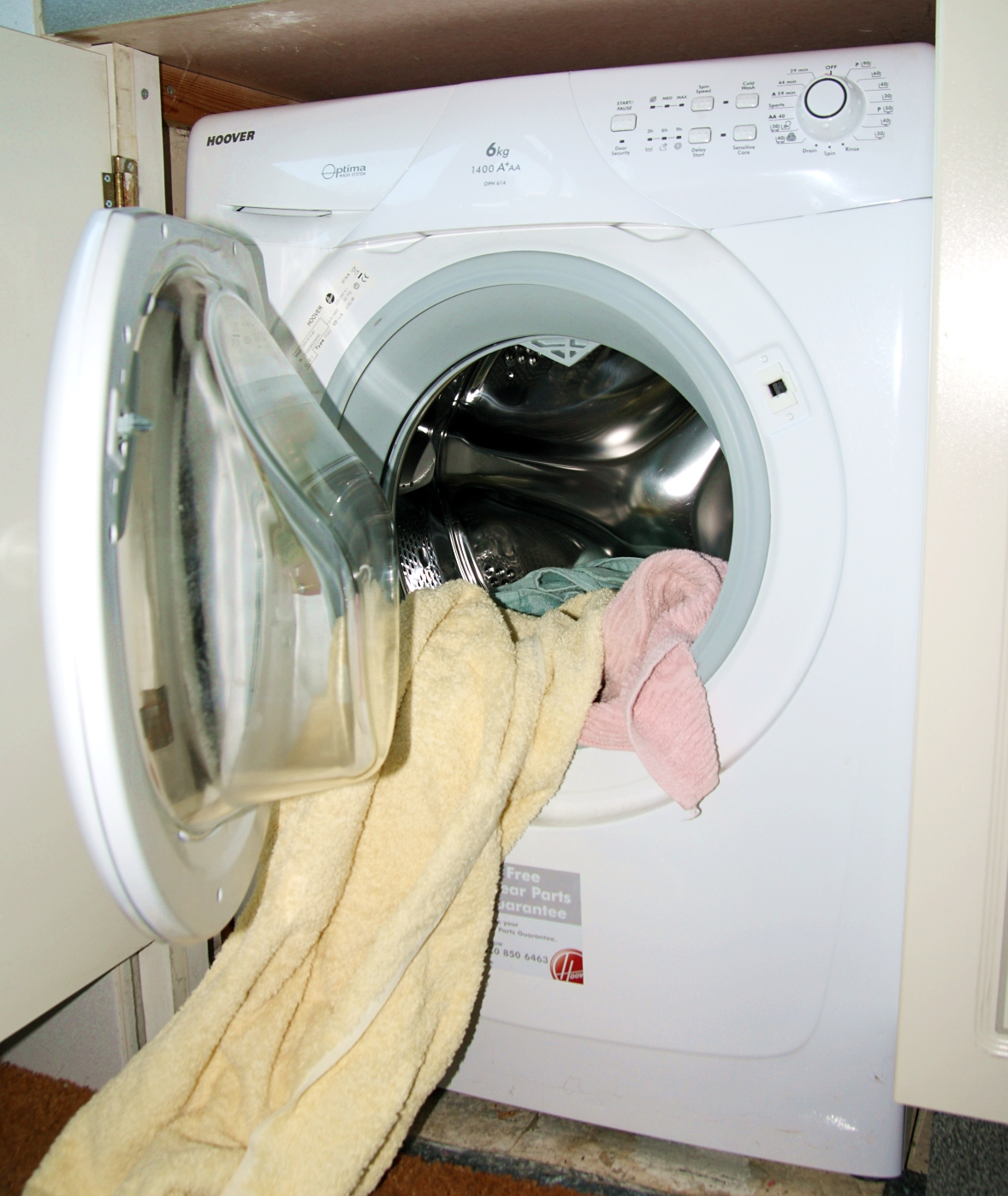
vision and words and the dryer’s vent — how
twists and hard angles and blurry lint may
confuse the issue, perhaps even start a fire.
And before you say, yes, yes, that’s what
I want, a fire
, consider other possibilities,
not to mention consequences. Confuse
one word for another, and you’re an idiot.
Let your finger tap the wrong key, and the
incorrect letter provides a glimpse into
the future, or at least beyond the neighbor’s
closed door, a passage of signals impossible
to predicate. But differences exist: decapitate
poets, and they won’t bite, or at the very least
their venom will infect your nervous system
indirectly. Other advice? Pause before sending,
look before you leap (or step back). Avoid fast
food and politics. Drink good beer. Laugh often,
breathe deeply. Contemplate your footwear.


dryer


“Synapses and Other Conjunctions” was written during the August 2015 Tupelo Press 30-30 challenge, and was subsequently published in September 2016 at The Blue Nib. Many thanks to Luanne Castle for sponsoring the poem and providing the title.