
The Politics of Doors
With every doorway, decisions.
Accept, deny. Turn.
How to resist the ajar,
the barely closed?
Is what emerges
expelled or escaped,
free or released?
Resistant as always,
I swivel,
pause to inhale.

The Politics of Doors
With every doorway, decisions.
Accept, deny. Turn.
How to resist the ajar,
the barely closed?
Is what emerges
expelled or escaped,
free or released?
Resistant as always,
I swivel,
pause to inhale.
Forgetting Charm
Even your bones remember what you’ve long discarded.
This field of stone grows beyond sight.
In our house the tang of burnt sugars.
You say I love you in four languages I do not speak,
but never in the one I claim.
We light fires with stolen paper.
Douse them with stored rain.
Fragmented memories fill our cupboards.
Did I once know you?
Take these words from me.
Bury them in daylight.
* * *
“Forgetting Charm” was published in The Icarus Anthology in August 2017.
Music: “Crypto” Kevin MacLeod (incompetech.com)
Licensed under Creative Commons: By Attribution 3.0 License
http://creativecommons.org/licenses/by/3.0/
After Before
A return to that
time when silence
reigned. The neighbor’s
guinea fowl have long
departed, but three cedars
drop needles in the driveway
even as reluctant growth
pushes out from the oaks’
limbs. Nothing circles
below the clouds, no
roosters crow. Feeders
hang still and empty.
The wrens remain
cloistered. You read
these events as separate
birdless chapters, all
hushed in the dappled
air, passages carried
yet confined by nearly
soundless threads
suspended from the
persimmon tree. You admit
a status as sentient
protein, one meal among
many, while you rest
and absorb
the soft ticking
of eighteen eager
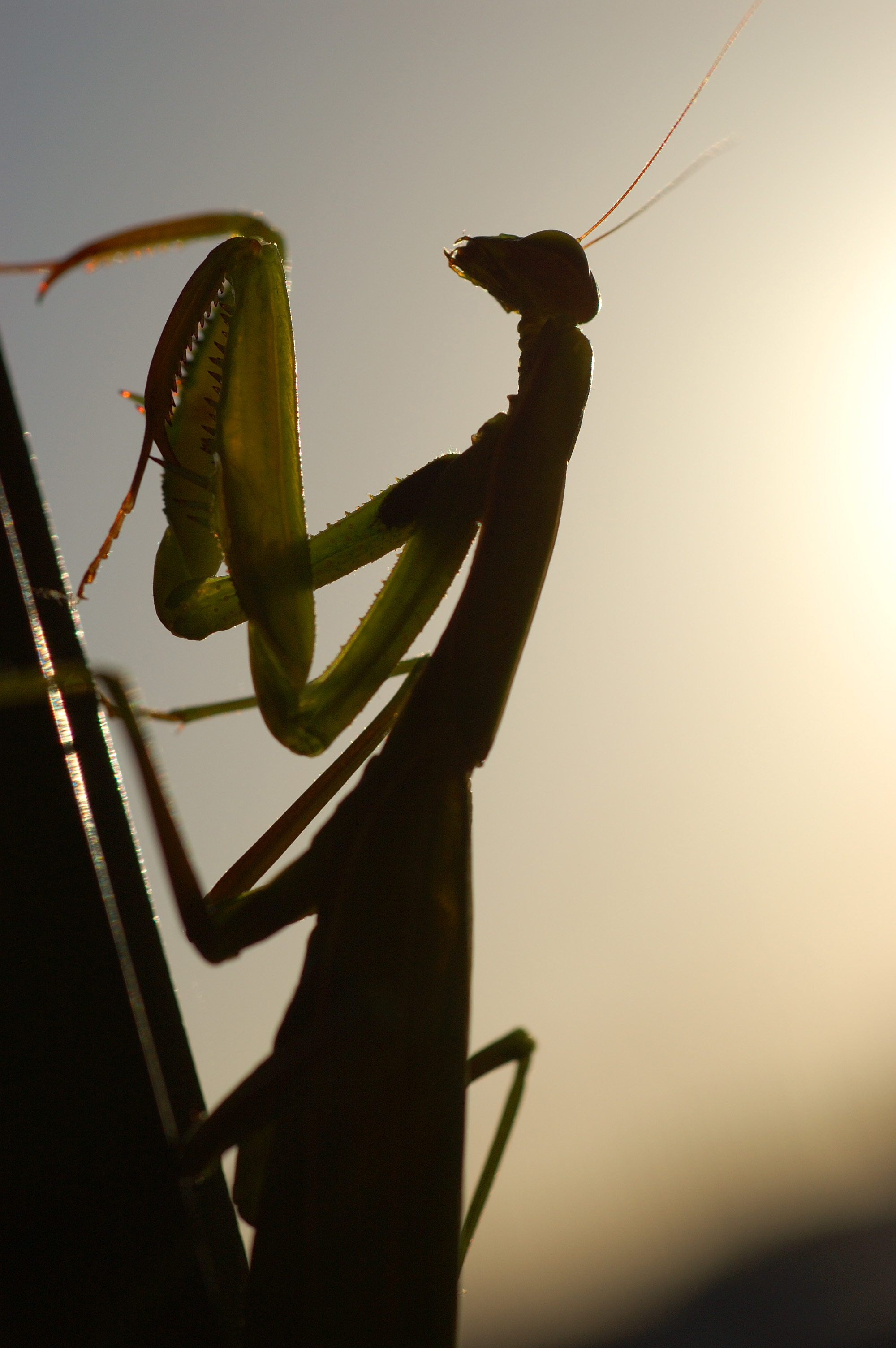
juvenile mantises
on the porch screen.

“After Before” first appeared here in December 2015.

Driving to Work, I Pass Myself
Some days the drive takes twenty minutes,
on others, thirty or more. Seems I might pass
myself on the right morning if time flexed its
biceps or looped me into a dimensional shift
thick with donuts and tires and lost minutes.
How odd it would be to wave and say “see ya,”
knowing that tendered frustration grows in
distance, until it takes over the entire mirror.
Looking back, I see my frown diminishing
to a lone point in that shrinking van at the
hill’s crest. Will we meet in the parking
garage? Should I wait? You know the rules.

Ritual
Placing the dead is seldom arbitrary.
The Marquis de Sade’s grave in the forest at Malmaison
was planted with acorns so that he might be consumed by
trees, but my wife desires a shady plot in rural Texas,
where no one will claim her. In old Christian
graveyards the unclean were buried at the gospel side for
sinners. When her best friend died, she and his former lover
split a bottle of Johnny Walker Black and listened to Puccini.
The Nuer of Sudan place deformed dead babies by the river,
returning them to their true fathers, the hippos. After the fog
crushed Stevie Ray’s helicopter, I played Texas Flood on the juke
box and quit my job. In China, bones channel feng shui, becoming
part of the active landscape. Though she wanted her ashes to drift
in the Pacific, my mother’s body lies in a national cemetery in
San Antonio. On the northwest coast of Canada, the Kwakiutl
left their dead to the ravens, and my father has proposed
on numerous occasions that we shove a hambone up his ass
and let the dogs drag him off. I do not believe we’ll follow his
suggestion. In old England, suicides were often interred at
crossroads, impaled, to impede their restless wandering spirits.
The Torajans sometimes keep bodies wrapped in layers of absorbent
cloth in their homes for years. I’d like my incinerated, pulverized
remains released in the jet stream, if only to escape economy class for
once. Jellyroll Morton’s grave is in Section N, Lot 347, #4, in the northwest
quadrant of Calvary Cemetery, but some villagers bury stillborn
near a dwelling’s outer wall. Hugh Hefner is rumored to have acquired
the spot next to Marilyn Monroe. Custom in protocol, repetition.
* * *
Originally published in Middle Gray in 2013, “Ritual” was reprinted in the anthology Heron Clan III, and is included in The Circumference of Other, my offering in IDES: A Collection of Poetry Chapbooks. It also appeared here in July 2015 and October 2016 – the poem that refuses to die…
For those who might be interested, a glimpse at the genesis of the poem is included in this interview conducted by Dariel Suarez, the editor of Middle Gray: http://www.themiddlegray.com/mgblog/2013/12/19/robert-okaji

Thirty-Five Years Later, I Raise My Hand
In spring 1983 I enrolled in a poetry writing course thinking it might help improve my short fiction. I was a history major by default, had never taken a course in poetry, but believed, with absolutely no evidence, that I could write fiction. At the time I would have been hard-pressed to name five contemporary poets, even counting my professor. To be honest, the class struggled to hold my attention. Only about a quarter of the students seemed interested in writing, and the instructor was a bit, uh, tired. But for the first time in my life I read, really read, poetry. I fell in love with Galway Kinnell, Ai, James Wright and Carolyn Forche, to name just a few of my early enthusiasms. I wanted to write like them. So I wrote. And wrote. And wrote. Most of it was laughably bad, but somehow I managed to win an undergraduate poetry contest, which suggested that hope existed. Maybe someday, I thought, one of my poems will be published. This radical idea had never occurred to me before. Publication seemed to be the privilege of special people, and a lifetime of gathered fact revealed that I was unequivocably nothing special.
Early on in the semester, perhaps even in the first class, the professor asked how many of us thought we’d still be writing poetry in twenty years. I didn’t raise my hand. I didn’t know where I’d be in six months, much less what I’d be doing in twenty years. Since I’d realized late in the game that teaching was not for me, I had no job prospects, and few marketable skills, despite experience in chugging beer, manning sound-powered phones on a ship’s helicopter tower, scraping barnacles and bending rules. The world was limited. The world was limitless.
Another gray day
dividing the old and young
Oh, this aching hip!
A song from that time:
The Language of Birds
(for Lydia)
Something thrown beyond
light: a stone,
words. The language of birds
evades us but for the simplest
measure. And how can we comprehend
those who live with the
wind when our own
bodies seem far away? In the darkness
certain sounds come clearer, as if in
absence one finds strength, the evidence
gathered with every breath. Speech is,
of course, not the answer. We release
what we must, and in turn are released.
* * *
This first appeared on the blog in April 2015 – another oldie dug out of a folder. I wrote it for my niece perhaps twenty-eight years ago, and don’t believe it was ever published. It felt good to finally release it to the light and air.

Heather Curran, teacher extraordinaire, tells us why she’s not taking a gun to school.

I went into teaching because I am relatively non-confrontational. Now, talk to my brother and he’ll tell you that I started everything when we were children. That’s probably correct. I can’t remember. Doesn’t matter. I’m not a kid anymore.
I’m an almost 46 year-old woman with two biological children and at least a hundred adopted. I believe in compassion and goodness. I believe in random acts of kindness. I believe in saying my mind when I see something or someone beautiful. I know that this might be weird. But if I see a beautiful person, I am going to say something. We live in a world saturated with unkindess, or at least we could. But not on my watch. Not in my corner.
I just finished teaching the Holocaust. I made a point of talking about people who chose compassion and goodness over atrocity and evil. My biggest regret right…
View original post 749 more words
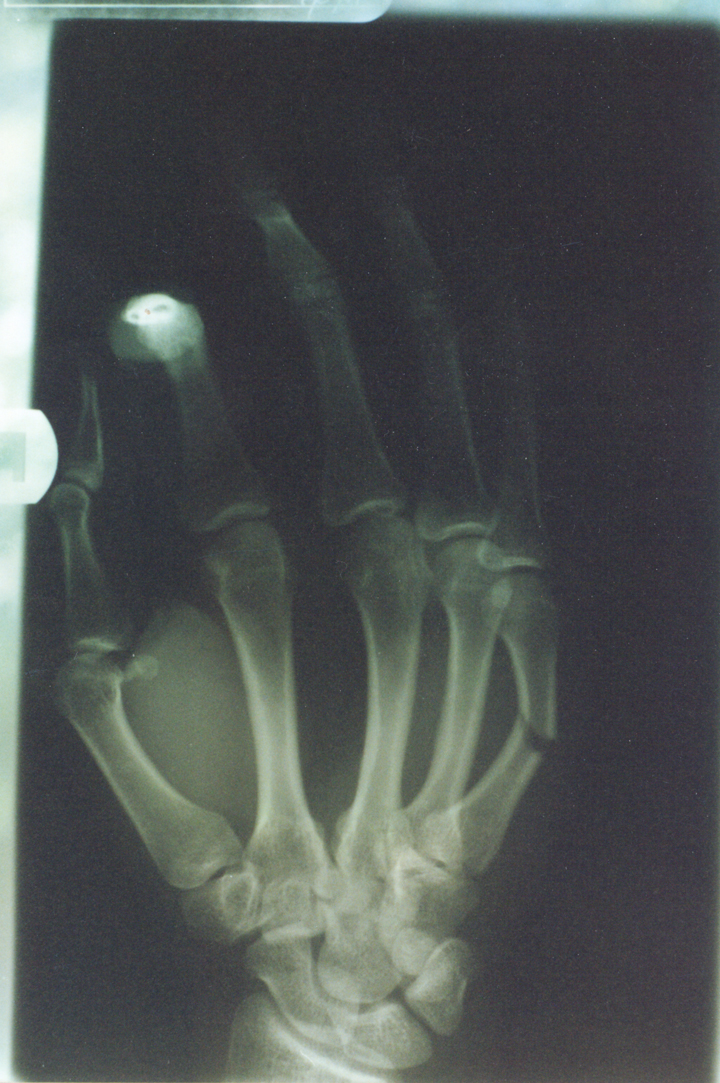
Aubade (Inca Dove)
Such delicacy
evokes the evolution of hand
and wing, a growth
reflecting all we’ve come
to know. Two doves
sit on the fence, cold wind ruffling
their feathers. What brings them
to this place of no
shelter, of wind and rain
and clarity defied? Fingers
often remember what the mind
cannot. Silence
complicates our mornings.
This last appeared here in October 2016, and was originally published in The Balcones Review in 1987. Seems I was enthralled with birds back then, too…
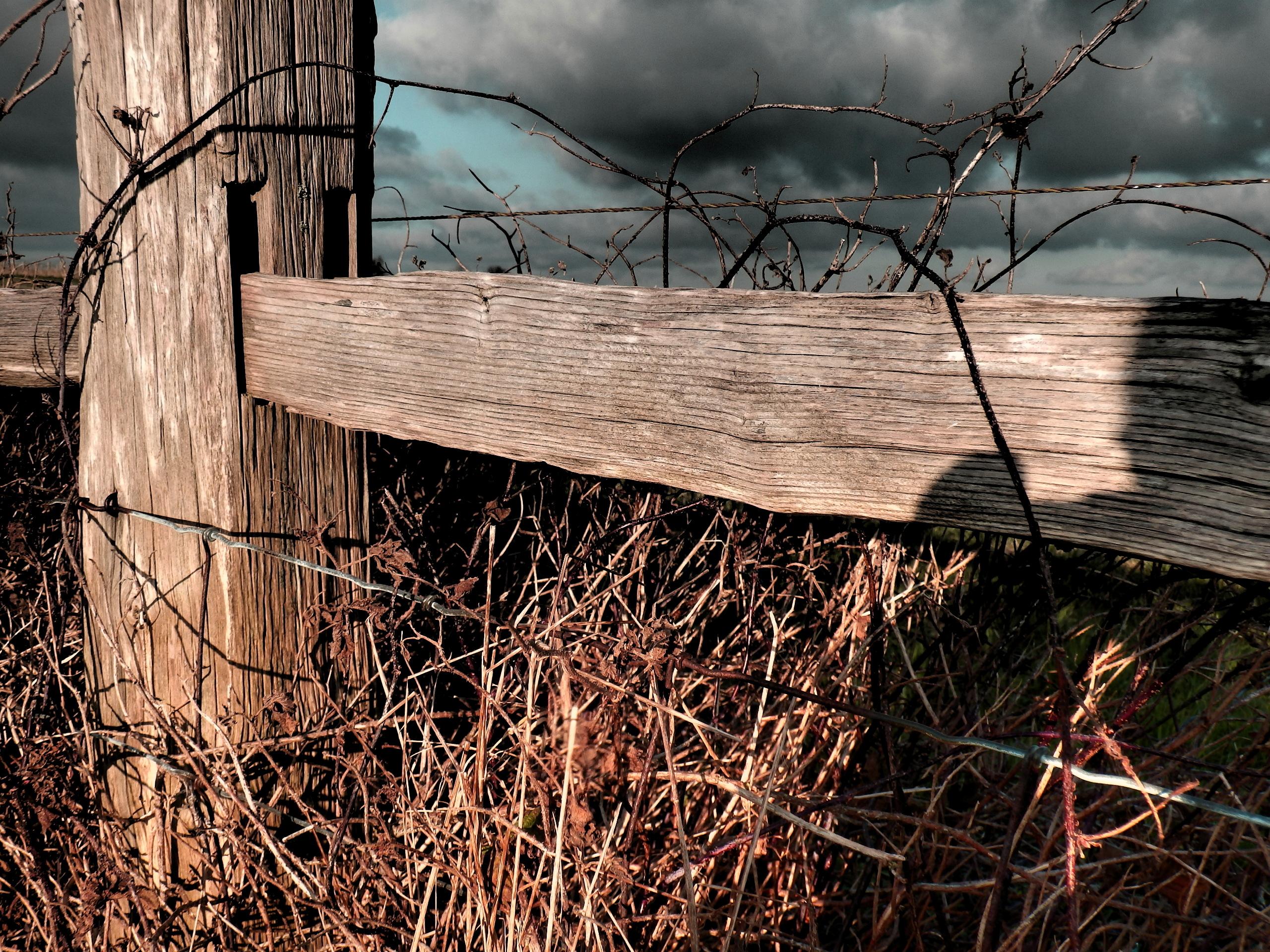

When you place your mouth
to my ear
how does the ocean know
which wave
to relinquish?
In your darkness I find teeth.
Blessings of the meek-throated.
A ribbed tunnel. Codicil.
Your tongue scrawls: too late,
the unsaid nerve-sparked and
dilated too late
And my skin replies: with
lightning all strikes
count to each its charge
 O at the Edges