Poem Up at Vita Brevis

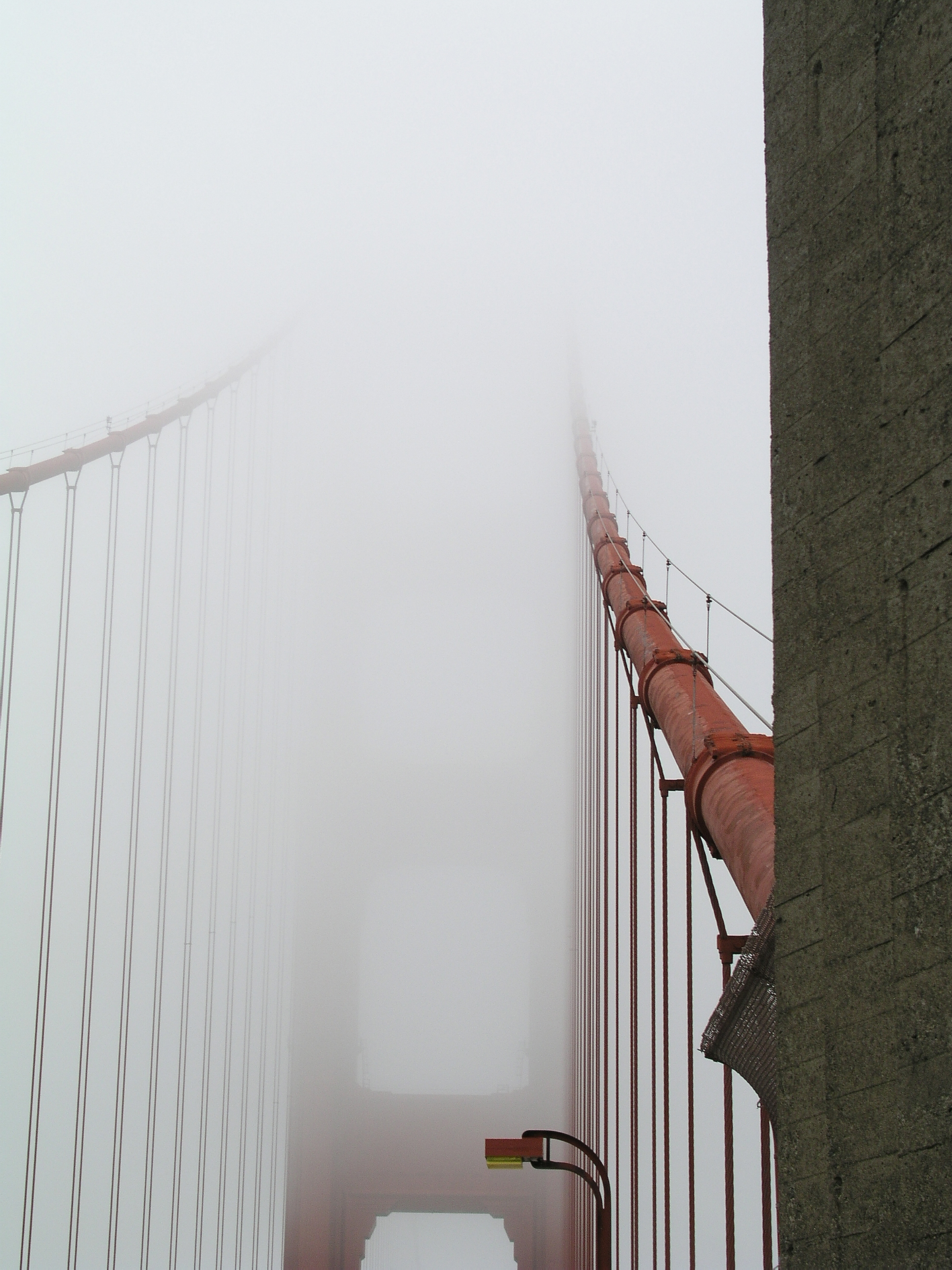
goldengate

My poem, “Bone Music,” which originally appeared in Gossamer: An Anthology of Contemporary World Poetry, published by Kindle Magazine in Kolkata, India, has been reprinted on Vita Brevis.

I am grateful to editor Brian Geiger for offering a second home to this poem.

Echo Charm

Echo Charm

Right on left, or returned

what circles back, unbroken
yet opened?

Your mouth centers me.

Diminished, I rise, listening.

Grass rubbing against grass.
The lizard’s scarlet throat, swelling.

Not refusal, but denial.

Eyes the color of blood.

You practice your words carefully,
repeating each special phrase.

Blood the color of sky.

Sky the color of eyes.

And always the warm shade.

Thunderstorm Below the Mountain

image

Thunderstorm Below the Mountain
(after Hokusai)

Lacking humility, I take without thinking.
How far we’ve come, to look below for
lightning, the valleys shaken
with thunder, answers

like pebbles flung outward,
each to its own arc, separate
yet of one source, shaded into the question.

Is it for the scarcity of reach,
the reverse view through the bamboo rings
well out of sight, that

breath in the wave’s tuck or
smoke mingling with the clouds
and figures collecting salt,

that I edge myself closer, again,
to this place? To be nothing
presumes presence in absence.
Lacking humility, I accept without thinking.

image

“Thunderstorm Below the Mountain” first appeared here in March 2016.

Scarecrow Remembers


Scarecrow Remembers

I recall nothing before my eyes captured
the horizon and the looped whorl of night’s
afterglow, the first crow-plumes
crossing from left to right, awakened to
everything but my history and what
preceded the morning. By midday
I had mastered the secret language of
corvids and learned to interpret the wind’s
folly. When the sun eased below the hills,
I divined the angle of declination and tilted
my head to true north, thinking this is my
calling, to point the way.
But how few
of us bottle our life’s cause to sip as
needed. Later my dark friends whispered
the truth, and we laughed among the
rustling stalks as I pointed the way
not to the Alhambra or even Wichita,
but to the choicest kernels. Placed here
for one purpose, another claimed me.
I am the future without past, the present
decaying, tomorrow’s joke, impermanent
and shadowed. I am anomaly, risen.

* * *

“Scarecrow Remembers” was first published at The High Window in December 2016.

Hummingbird (4)

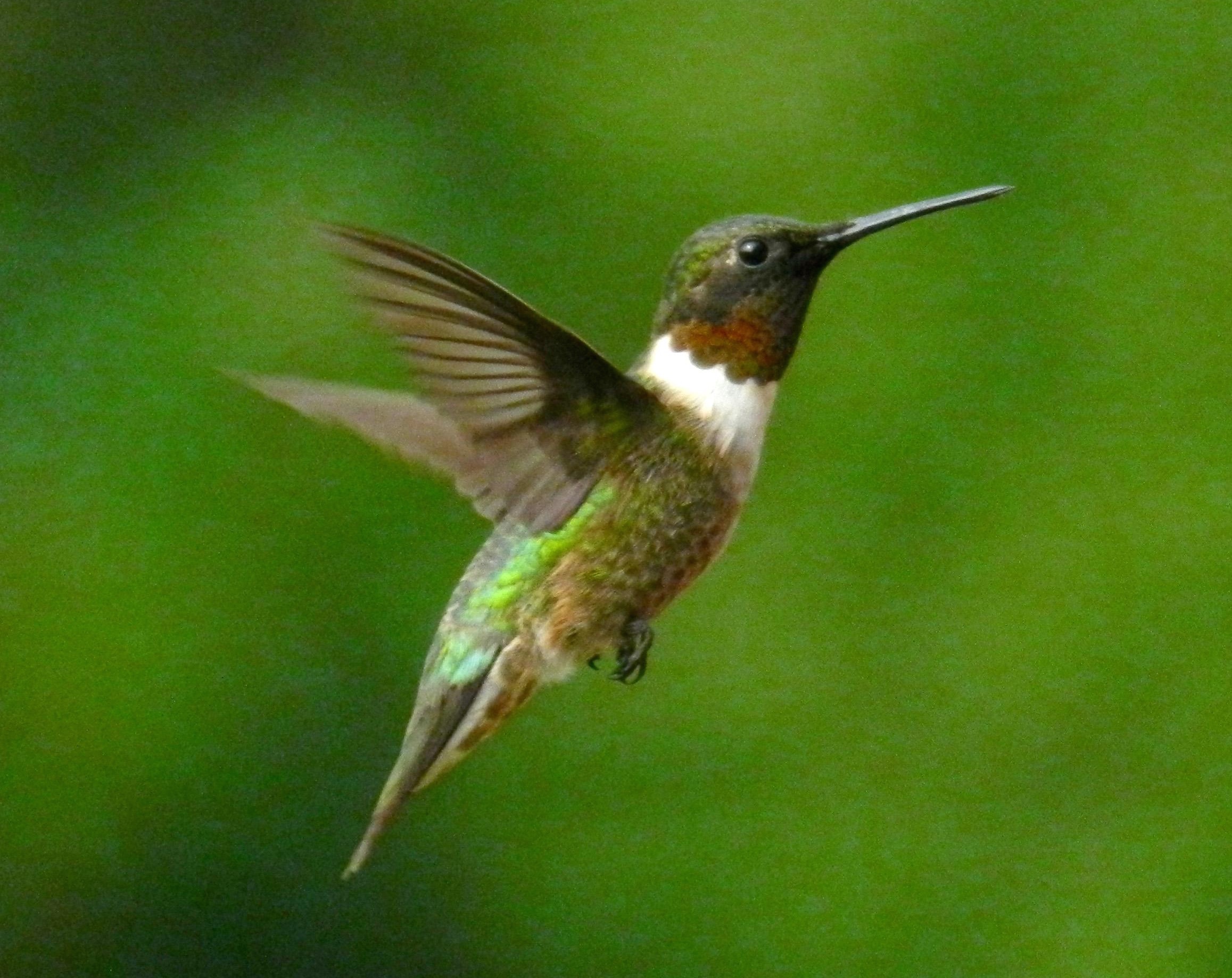
hummer

Hummingbird (4)

What overwhelms is the fate
of our breath
moving from one mouth

to the other, a form of
denial flickering by

like the hummingbird,
impossible in flight
but moving despite our logic.
The air

claims no intention. It waits,
and waiting, gives itself to us.

The gift we accept is of ourselves.

hummer2

“Hummingbird (4)” was written in the 80s, and first appeared here in July 2015.

Self-Portrait as Blemish

Self-Portrait as Blemish

Do not turn away. Stare at my impropriety
and accept the facts exposed: the mixed,
the blended, the unholy result of the extra-
legal conjoining. Or, that unconcealed
mark on the cheek, brown or black,
a pupil in the eye of the sack-clothed
target. Look closer. Ask your question.
I am the world inside the fermented
egg, the tacit accusation. What you choose
not to see. Feel my breath. Remember.

Palinode (platelets, sign, color)

red

Palinode (platelets, sign, color)

Cloistered, it circulates and combats, feeds, heals
and defends, destroying, at times, its host, and thereby
itself. Extracted, it congeals into a dark symbol,
resembling our innermost facade. The reddened
moon, incorruptible and estranged. A bull’s eye.
I pressure it daily, measuring flow and constricting
elements. Numinous river, source of strength, the internal flood.

The internal flood summons bitterness,  application
of the embodied life, rubedo. I inscribe my name in
three strokes: the upright, the downward curve, the
encompassing circle, omitting the between: as above,
so below
. The color-blind more accurately perceive
texture, alleviating the effects of spectral sensitivity.
We build from within, flowing outward in unison.

Flowing outward, split asunder, I assume the neural
response. Color, as expression, as survival factor,
attractant and warning. As symbol. The ancients
buried red pigment with bones to hasten renewal.
Life energy, passion and rage. The force in bodies,
in spirit, in blood. Shade of the alchemist’s sulfur,
glowing embers, ash, the transitory energy of human desire.

This first appeared, in slightly different form, in ditch, in January 2014, and was posted here in January 2017..

Palinode (Texas, cedar, misery)

Palinode (Texas, cedar, misery)

More than repression, more than fate and the captive idiom. More
than denial. More than the juniper’s red wind, the grackles’ flocked
effervescence. More. My friend lives on clay and I, on stone. How
to express stability’s process, the jurisdiction of pollen? The warbler
suffers no choice but that of extinction; it requires. It breathes. It
feeds, it sings and yet we come to excision. Destruction, with no
thought to consequence. Wet clay expands. Stone is constant.

Stone is constant but harbors no thought to permanence. We are
its mineral, pressing for wisdom and the eternal: to gain entrance.
Look closely. The juniper berry is a cone whose scales have merged.
I seek space and find habitat bounded in half-truths and careless
talk as the north wind broadcasts microspores throughout my
neighborhood. Inhale and know the power of propagation. Helpless
in its path, we think only to escape.

We think only to escape and instead wear misery in the attempt.
Crusted eyes, raw throats. Diminished patience. Our neighbor
chain-sawed his female cedar years ago, but his discomfort continued
unabated. The Juniper Hairstreak butterfly overwinters as a chrysalis.
Golden Cheek Warblers nest among its limbs. I flavor food with its
berries, relish the shade in July, the fragrance, year-round. Celebrating
coexistence, we sneeze. My saw lies still.

Elegy

Elegy  

1. Adrift

I count more graves than people in my sleep,
but nothing turns more quickly

than an empty wind
in a place whose memory has died.

And all manner of departure: What you have left is you
without you
. As if it could be different, as if decades

could withdraw and draft a blueprint of motive and action,
returning them, returning you, to that point

across the sea where the ship has not yet arrived.
If you ask she will say it does not matter. If you ask.

2. Parentheses

To be within, yet without, as in the unuttered phrase.

It is time the stone made an effort to flower,

to render the void clear and resolute, the diction of
separation divided by decades and your ocean.

The language of silence, drawn near.

3. From the Other Side

Sometime becomes never and steps around a desolate corner,
and all we have left is our field

awash in stone, remnants of the unspoken.
I have no memory of you. Nor you, of me,

but the strands do not lie, and unraveled,
expose the imperfect blends

that compose my love. A leaky roof. The last word.
A pity to put up at all

but there is rain.

4. Another Night

Of all the hours which were the longest?
The earth trembled around me

and I lay still, bearing witness to
the uncertain malice of its

shrug, shoulders brought to
fore, then returned,

and finally, released. If,
after this half-century, words

could reform in your mouth,
what denial would issue?

Ashes, washing ashore.

5. Bridge

And seeing you only as the shadow of an

ending whose voice lies
in an uncommon past, how
may we recognize the very shape we share?

The bridge’s fate is loneliness,
knowing that one side

decries the other’s
call, that separation affords new light:

they are between
comfort and space, between words and a smile,

between nothingness and sorrow,
two points, beginning and end,

reaching, in opposition, towards each other.

Notes:

“What you have left is you without you” is from Edmond Jabes’s “At the Threshold of the Book” in The Book of Questions: Volume I, translated by Rosemary Waldrop.

“It is time the stone made an effort to flower” is from Paul Celan’s poem Corona,” included in Poems of Paul Celan translated by Michael Hamburger.

“A pity to put up at all but there is rain” is from Basho’s Back Roads to Far Towns, translated by Cid Corman and Kamake Susumu.

Albert Huffsticklers poem “Bridges” which appeared in The Balcones Review in 1987, begins “They are between…”

“Elegy” first appeared on Underfoot Poetry in October 2017.

Dog

photo(18)

Dog

Not away, but after
or contrary,

the reversal indicative
and untoward: scratching,

she spirals to the perfect
spot between us, touching both,

then sighs. In comfort, in ecstasy,
in contentment, who can say?

But we sigh in response.

SONY DSC

“Dog” first appeared on the blog in October 2014. The photo is of Apollonia, aka Apple.