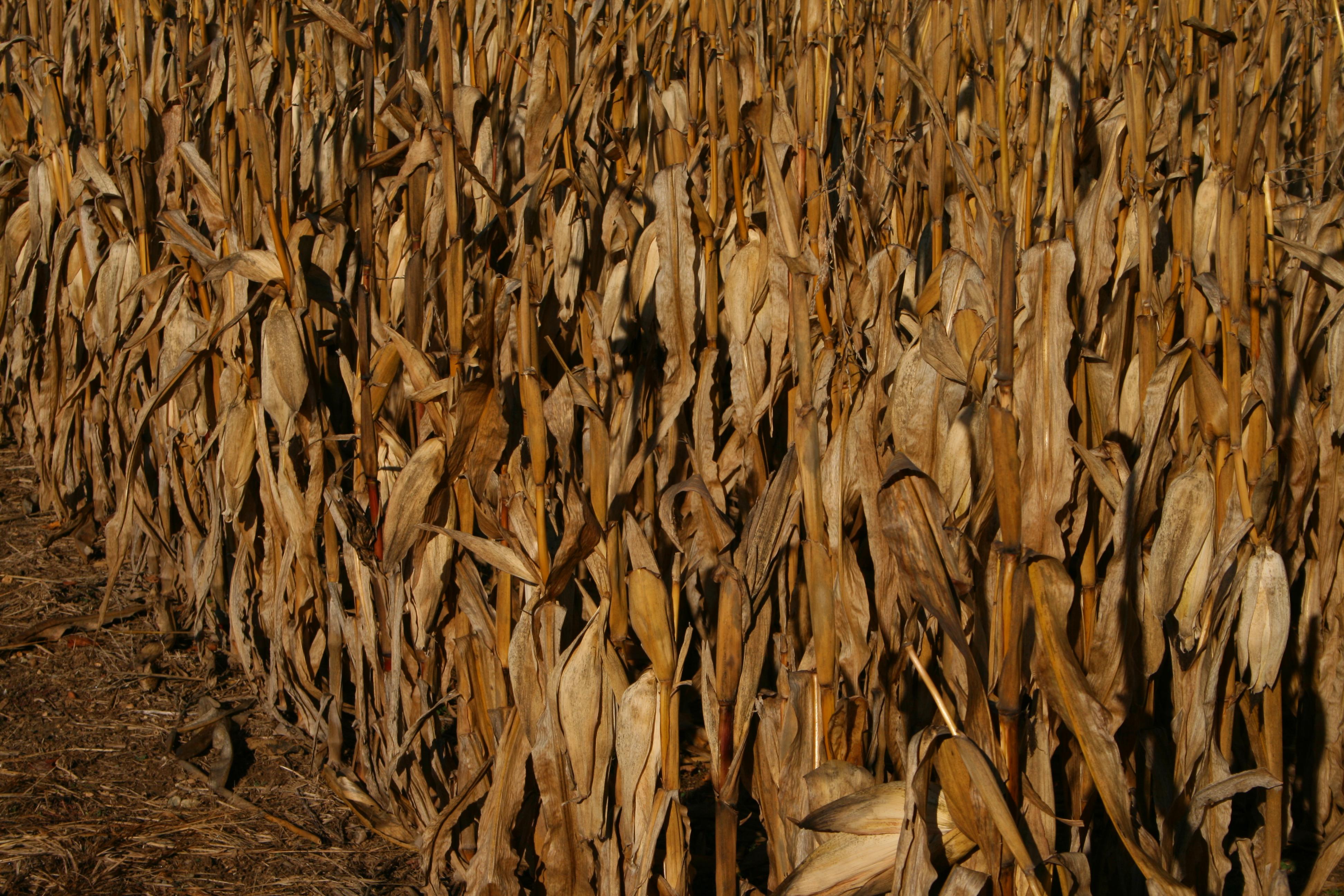
What is a ghost if not misplaced energy, an apprehension or the sum of invisible integers and the properties they possess? I preside over this sea of maize, tracking clouds, noting patterns up high and among the flowing stalks, absorbing minutiae, assigning connections, piecing together bits, moment to thought, soil to trickle, flutter to gain. Energy. Inertia. Waves, converted. If I had a bed I would not neglect to look under it. The closet door would remain open, a nightlight positioned nearby with perhaps a mirror or two angled to offer clarity, and the radio tuned always to jazz, providing little purchase to any ill-intentioned spirit. The power of beauty transfixes, even as it carries me far from my station, from hilltop to plains to glowering moon. If neither place nor reason, what consumes our spiritual remnants, what directs our currents to the next, and each successive, landing? Crows have long been considered conduits to the afterlife, but they exist here, in the now. I do not perspire but fix my gaze on numbers and their tales, on zero and the history of nothing, on unseen fingers walking up my spine, shedding a residue of snow, of mercury and latent images and dormant seeds in the world underfoot, acknowledging the wonders of what can’t be proven, what won’t be held or seen. Still, I add and subtract, unclench my fingers and accept the quiet, caught forever within the limits of the boundless, under the sky, in space, within the improbable.
“Scarecrow Believes” was published in May 2017 in GFT Presents: One in Four, a semiannual, print literary journal published by GFT Press.
We have always absorbed heaven,
even through these days of malformed
grain and truth pulled dark and low:
variety confirms purpose. This ear
captures no sound. These inflorescences
produce starch. Those
release pollen. You will die one day.
Inaction reflects uncertain intent.
One must weigh frost,
and with their shallow
roots, susceptibility to drought, poor
soils and high wind. Your lips
kiss steel more readily than flesh, yet
I pray that you amend your thoughts
and accept my proffered hand,
that the individual fruits of the cob
may one day fuse into a single mass,
bringing weight to sunlight,
and a greater grain to your table. But
the door stands unopened, a voice
censuring the innocent. I contemplate
converted light, consider
crows, subduction and rags flapping
in the darkness, silent
tongues wavering unseen above the
unhoed dirt, within each kernel’s
purpose, deep into a hollow core,
raging, unmet and shriveled,
hands opened, resolute yet proud.
The title is from a traditional song, as performed by Alison Krauss and Union Station. The poem is my take on it. “The Boy Who Wouldn’t Hoe Corn” was included in GFT Presents: One in Four, a semiannual, print literary journal published by GFT Press.
If all goes well it will never happen.
The dry grass in the shade whispers
while the vines crunch underfoot,
releasing a bitter odor. A year ago
I led my dog to his death, the third
in five years. How such counting
precedes affection, dwindles ever
so slowly, one star winking out after
another, till only the morning gray
hangs above us, solemn, indefinite.
Voiceless. If I could cock my head
to howl, who would understand? Not
one dog or three, neither mother nor
mentor, not my friend’s sister nor her
father and his nephews, the two boys
belted safely in the back seat. No.
I walk downhill and closer to the creek,
where the vines are still green.
In the shade of a large cedar, a turtle
slips into the water and eases away.
“When to Say Goodbye,” drafted during the August 2015 Tupelo Press 30-30 challenge, was published by Oxidant | Engine in May 2017, and subsequently nominated for a Best of the Net 2017 award.
The rain has died and everything follows:
black, white – the law’s supposition. Their bodies
glisten only in memory. One says look at me from the steel
table as the scale registers the heart’s
weight. Another cries uncertainty in the most certain
of circumstances — laid open, emptied then closed,
the simple mechanics of ritual and form. Throughout my
dreams a line of dark figures shimmer in the cold
corridor, end-to-end, supine and unmoving, assigning
loss. I have fifty-six years and more questions than
answers. The drought testifies to a wrong. A woman
visits her son, a father weeps. Our silence, complicit.
My poem, “What We Say When We Say Nothing,” was published in Glass: A Journal of Poetry in January 2017. Many thanks to editor Anthony Frame for taking this piece and aligning it with some great poems.
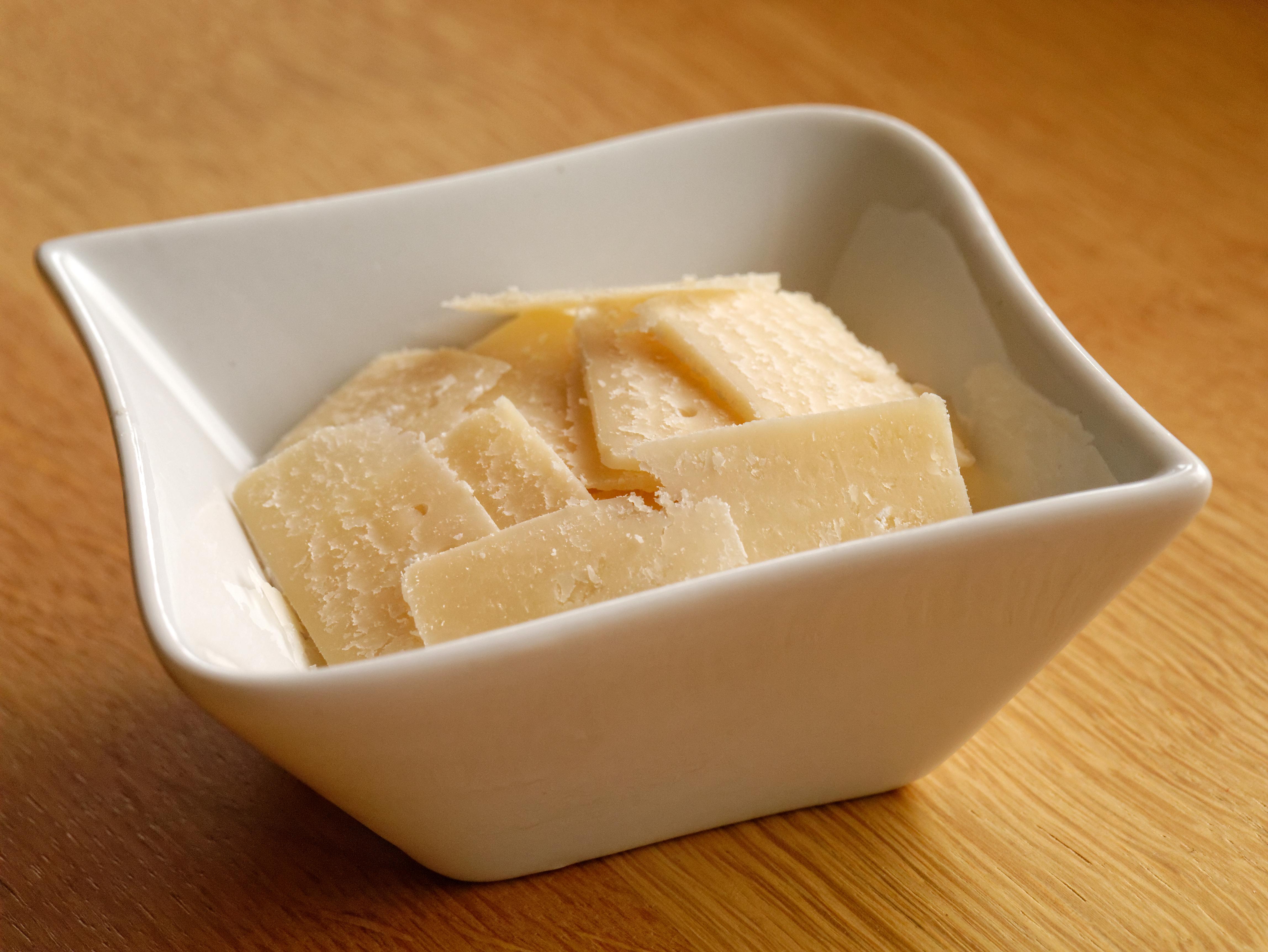
Thinking of speech and the gruyere sliver
balancing on that blade, which nouns push it over,
which hold it in place. How simplicity defies the complex.
Like the hard-crusted bread of flour, water, salt and yeast.
The elemental surge. A little steam. An incantation
born of emptiness: he speaks but says nothing
as the cheese teeters on the edge, suffering
the plight of the incomprehensible. Funny
that adding more reduces the whole, and less
flavors it. A few words, a spice. A syllable.
Milk and rennet. Verbs. A confident tongue.