Heroes

splash


Heroes

And the rain, again, takes up our day,
folds it into threes, and watches
as the world wraps up its gift,
first at the edges, then centered,
with more confidence and force
than justified. Who will forget
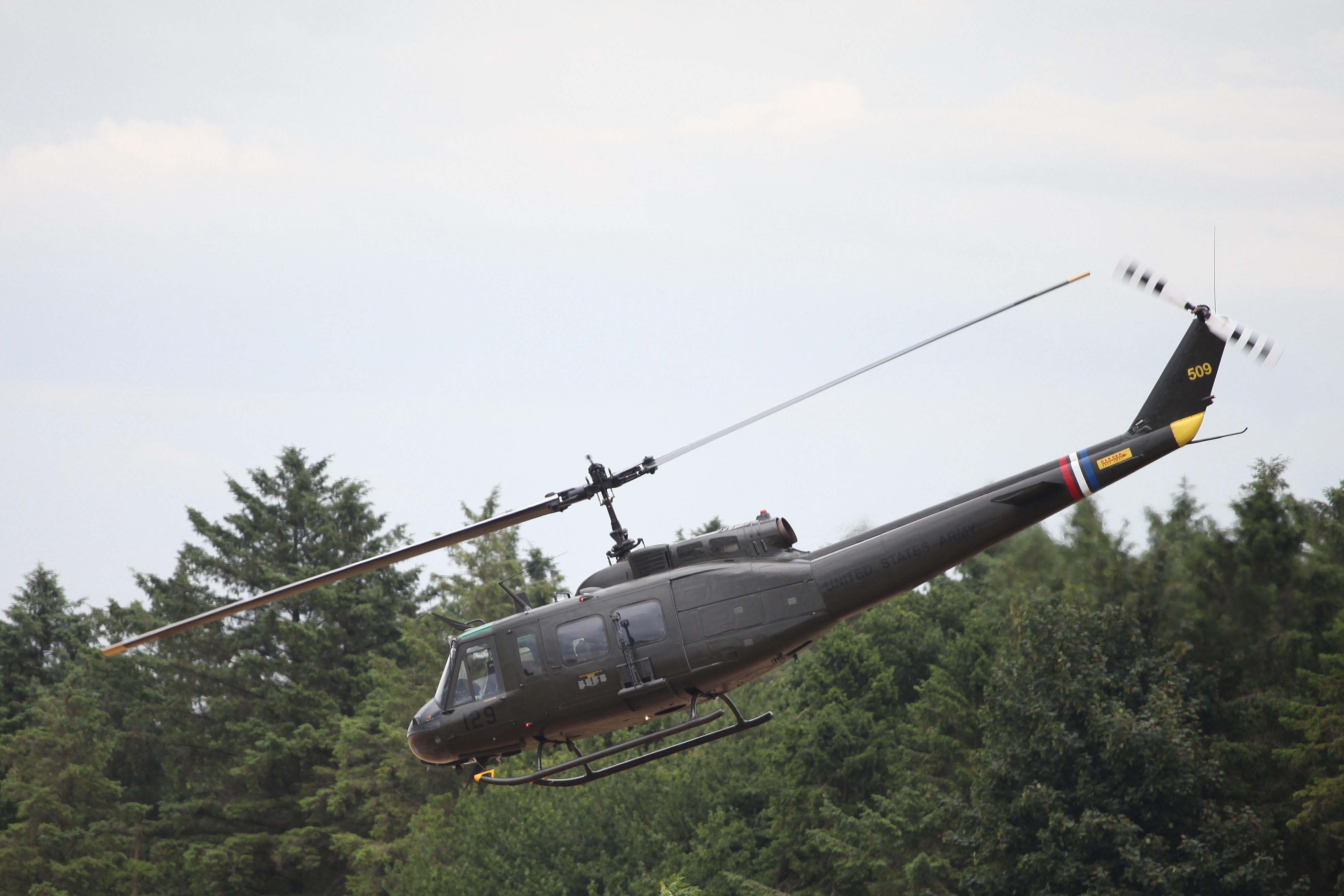
the hollow horse and its stifled
coughs, the stench of men too
long unbathed and drenched
in fear. Or the small girl running
naked, arms outstretched, skin
peeling, her life become a litany
of pain embroidered across
the unfeeling sky. Do not thank me
for your freedom, the mortgage
and its tax breaks, your designer
shoes. We didn’t bleed for you.

“Heroes” first appeared in Blue Fifth Review. Many thanks to editor Sam Rasnake for accepting this piece.
You Are the Wind That Trusted

cave painting

You Are the Wind That Trusted

The barriers I could not place, the incomplete lines and unmouthed
verbs registered in stone, saying I am here,

as if taw were born in evil, and not the fruit of the need to mark.

At what velocity must sand scour these walls to obliterate the hand’s
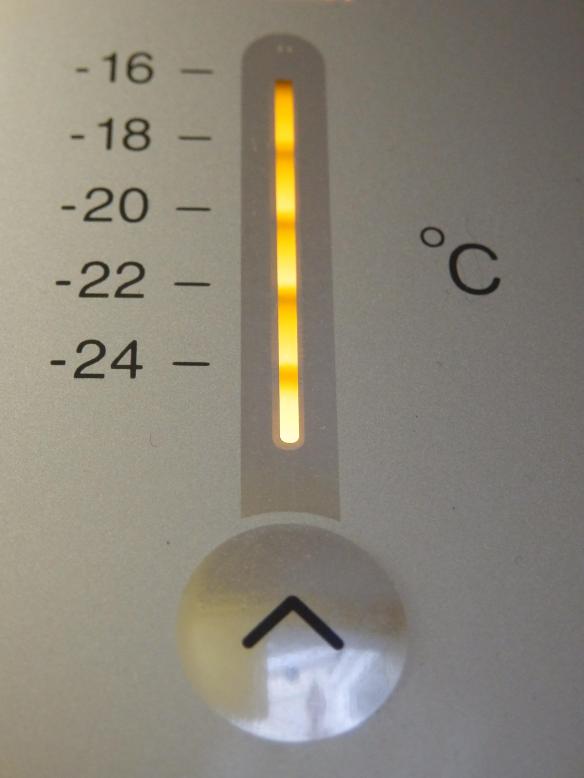
intent? How may we gauge design? Galileo’s thermoscope

crudely measured temperature variation, but in 1612 Santorio added a numerical scale.

For centuries, T did not produce a miniscule and stood tall in its singular representation.

Hydrated iron oxide, mixed with bone marrow and charcoal, yields
ochre, a formula that predates writing.

Development, not invention.

T’s varying structure may be one of sequence and slippage.

Thermoscopes were open ended tubes dependent upon air pressure.
Celsius originally proposed a scale with 0 at the boiling point.

A cruciform. The capped spike. Blended tongues.

Complexity intrudes with every step: smoke-darkened ceiling.

***

This appeared on the blog in February 2016. A slightly different version appeared in Otolith in fall 2013.

thermo

Never Drink Anything Blue

blue drink

Never Drink Anything Blue

But always keep your options unzipped and
available to whatever slips in; the snake

lives in the attic for the rodents,
but occasionally takes a fledgling peewee

from a nest near its exit, while the scorpion
generally avoids light except for those nights

when moths seem too delectable to pass up.
Our governor whistles Beethoven but switches to

the hymnal when campaigning, and I’ve announced
a need for organic zucchini when craving a craft

beer. Confession is good for the soul, except
when it’s bad for the body. “Think with words,

not with ideas,” Sontag wrote, and Williams said
“no idea but in things.” Of course he was just writing

a poem. Baking is chemistry – measure carefully –
but cook with abandon! Whoever said “keep your

friends close but your enemies closer,” slept
alone most nights, or not at all. Born in Louisiana,

I am the product of an illegal union, but which
half should be interred where? Both sun and

moon rise and set. Is anything incorruptible?
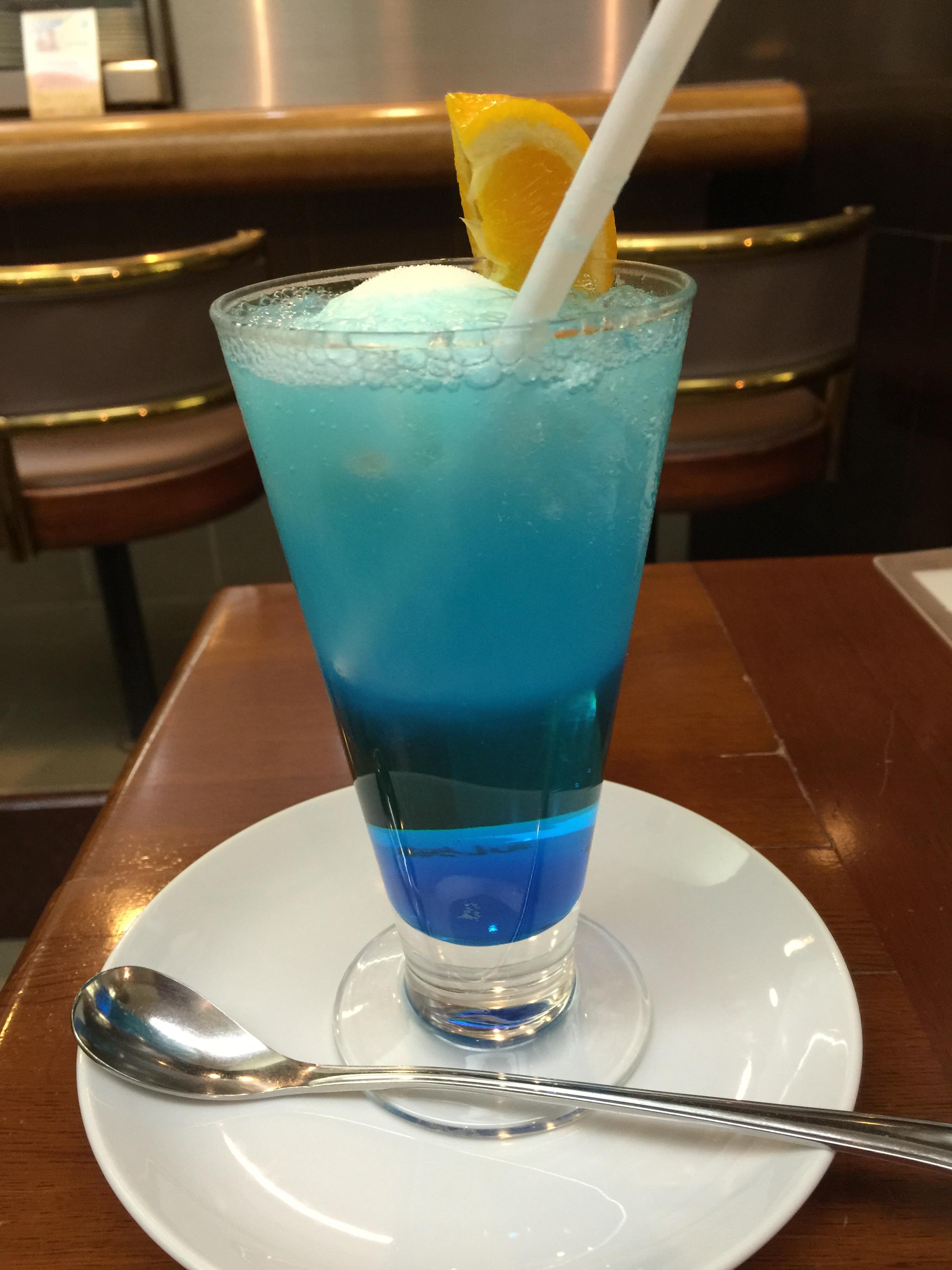
Drink everything blue. Everything.

hymnal

“Never Drink Anything Blue” was drafted during the August 2015 Tupelo Press 30/30 Project, and appeared here in March 2016. Many thanks to Stop Dragging the Panda, who sponsored and provided the title.

This is Not Just to Say

image

This is Not Just to Say

Okay. I ate the damned
plums. But it’s not my

fault you left them
sitting there on the top

shelf, so sweet, so cold,
enticing me, as only

you, or perhaps a ripe
peach, or strawberries,

or Asian pears or even
pomegranates, can do.

Besides, you need
something substantial

for breakfast. How about
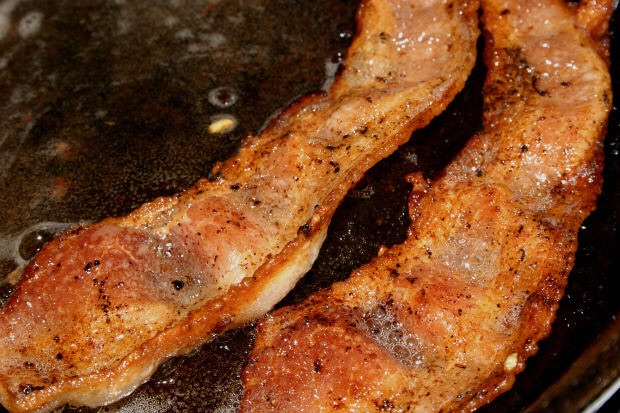
donuts, or bacon, instead?

* * *

My apologies to WCW, but I couldn’t resist. You can find the original Williams poem here. The poem first appeared here in September 2015.

image

If We Burn

OLYMPUS DIGITAL CAMERA

If We Burn

What flares instead to replace our
privileged nights? And which

assemblage of words could reorder these
deaths into comprehension,

change I can’t breathe from epitaph
to actuated plea for help?

Are words ever enough?
Can we stack our indifference and fear

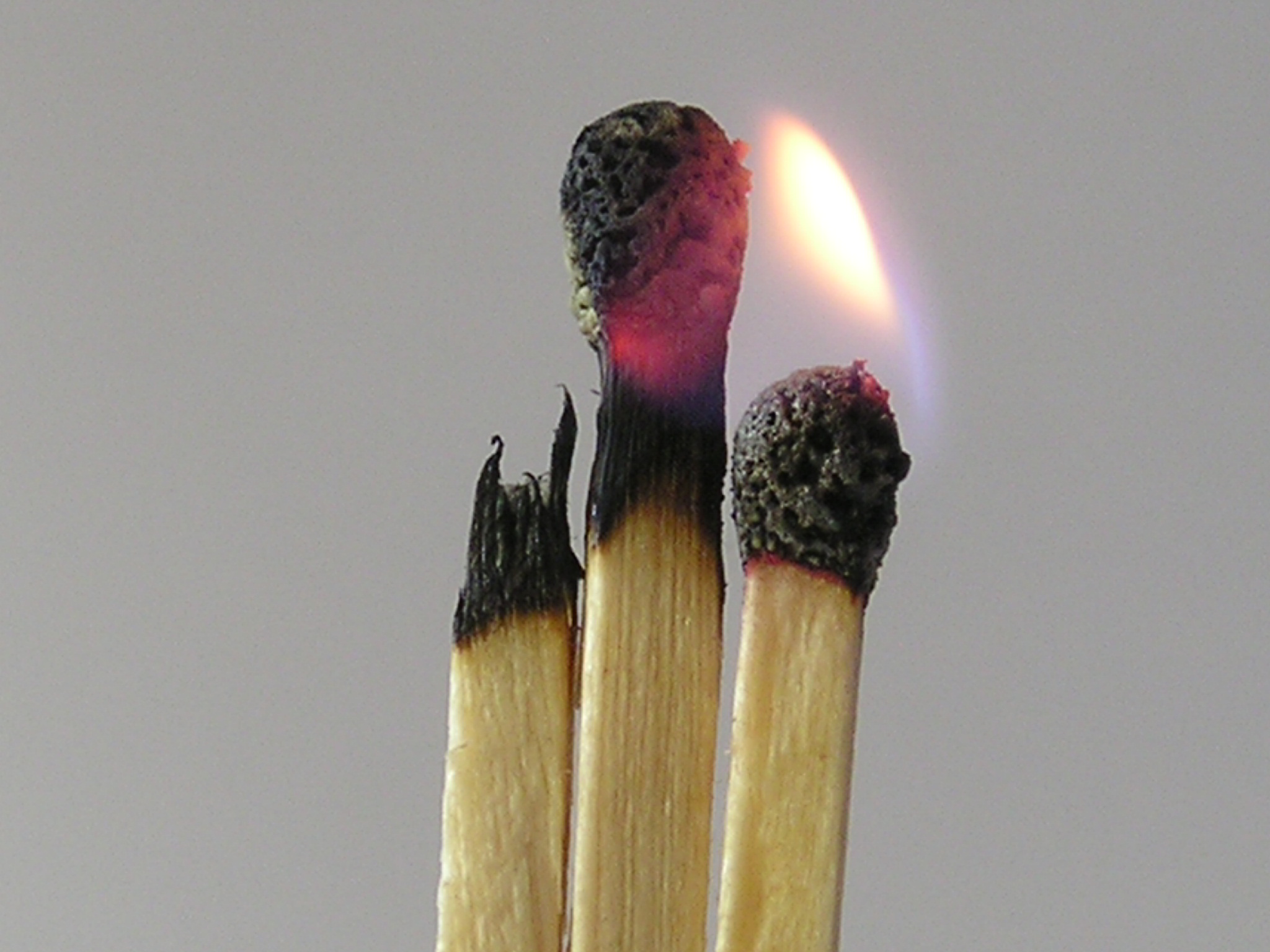
into a mile-high pyre, and torching it
watch them rise to nothingness,

disappearing through the clouds
into the streaming light of cold, dark stars?

Raise your hands and sing. Blow softly
upon the ember. Inhale and recall.

Do you still feel? Will you breathe?
Every fire needs oxygen.

* * *

“If We Burn” first appeared on this blog in December, 2014. It’s also included in my chapbook, If Your Matter Could Reform.

file0001190356464

Mockingbird

 OLYMPUS DIGITAL CAMERA

Mockingbird

Withdrawn, it unfolds
to another
voice, like that

of a child lost in the wind.
Or, lonely, it rises from its place

and sings, only
to return and start again.
The pleasure we accept derives from

the knowledge that we are not alone.
Each morning we walk out and sit
by the stones, hoping to observe some

new patterns in his life. What we
see is an answer. What we hear is no song.

* * *

file5231249687751

“Mockingbird” made its first appearance here in January 2015. It was written
in the 1980s, probably around 1987-1989.

Shadow

image

Shadow

walking,
crushing juniper berries
at dusk

the dog shadows me
in his absence

* * *

“Shadow” first appeared here in April, 2015. It could be considered a companion piece to “Mother’s Day,” which is included in the July 2016 edition of The Lake.

image

Bone to Bone

chimes


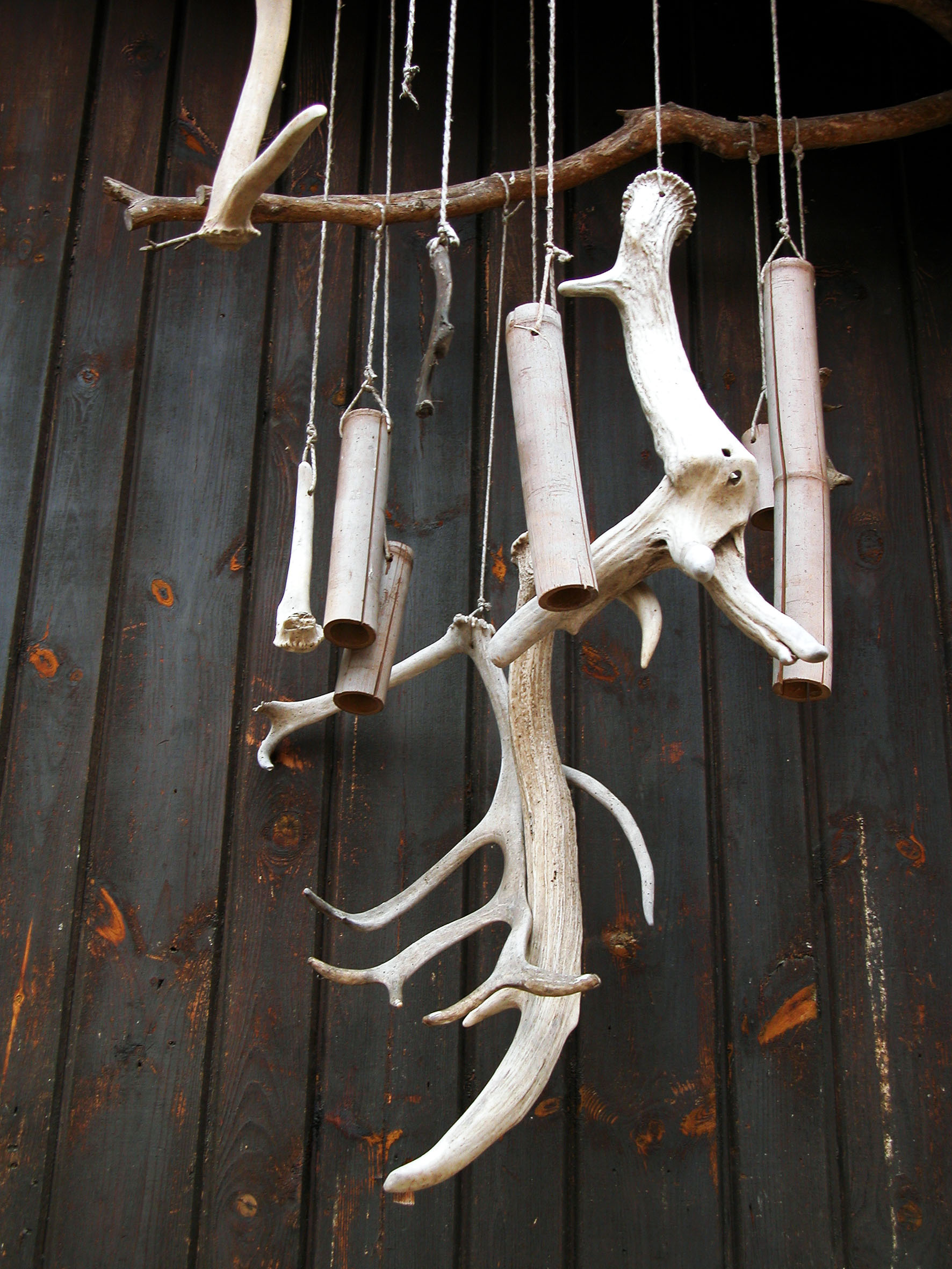
Bone to Bone

He claims two sides frame every story.

I count three,      sometimes more,

believing in          multiplicity,

threats                concealed

but never

buried.      A dust devil twists across the path.
What ascends, what dies?

Heat, ashes.       A shadow’s flesh.

The earth, restraining all.

small town

“Bone to Bone” first appeared here in June 2016.

In Praise of Darkness

P1460193

In Praise of Darkness

Night falls, but day
breaks. A raw deal,

no doubt, but fairness
applies itself unevenly. Who

chooses weeds over
lies, flowers over truth?

Last night’s rain fell, too,
but didn’t crack the drought.

Again, we think injustice!
Again, we consider falls.

file000313199234

“In Praise of Darkness” last appeared here in March, 2016, and is included in my chapbook If Your Matter Could Reform. 

The Resonance of No

dishes

 The Resonance of No

Yes, yes, we’ve heard. The dishwasher wastes less
and cleans better. But Kenk­ō believed in the beauty
of leisure, and how better to make nothing
while standing with hands in soapy water, thoughts
skipping from Miles Davis’s languid notes to the spider
ascending to safe shelter under the sill (after I blow
on her to amuse myself), washing my favorite knife
and wondering if I should hone it, not to mention
my skills on the six-string or the potato peeler.
And if I linger at the plates, even the chipped one,
admiring their gleam after hot water rinses away
the soap residue, who could question the quick gulp
of ale or the shuffle of an almost-but-not-quite
dance step-or-stumble while arranging them on the
ribbed rack, back-to-back, in time to Coltrane’s
solo. Then the forgotten food processor’s blade
bites my palm, and I remember that I’ve outgrown
the dark suit, the cut branches still need bundling
and none of the words I’ve conjured and shaped
over decades and miles will extend their comfort
when I stand at my father’s grave this week or next.

“The Resonance of No,” was published in December 2016 in Gravel, and is included in my chapbook, From Every Moment a Second.

Daniel Schnee wrote about this poem here.

Music Credit: Cool Vibes Kevin MacLeod (incompetech.com)
Licensed under Creative Commons: By Attribution 3.0 License
http://creativecommons.org/licenses/by/3.0/