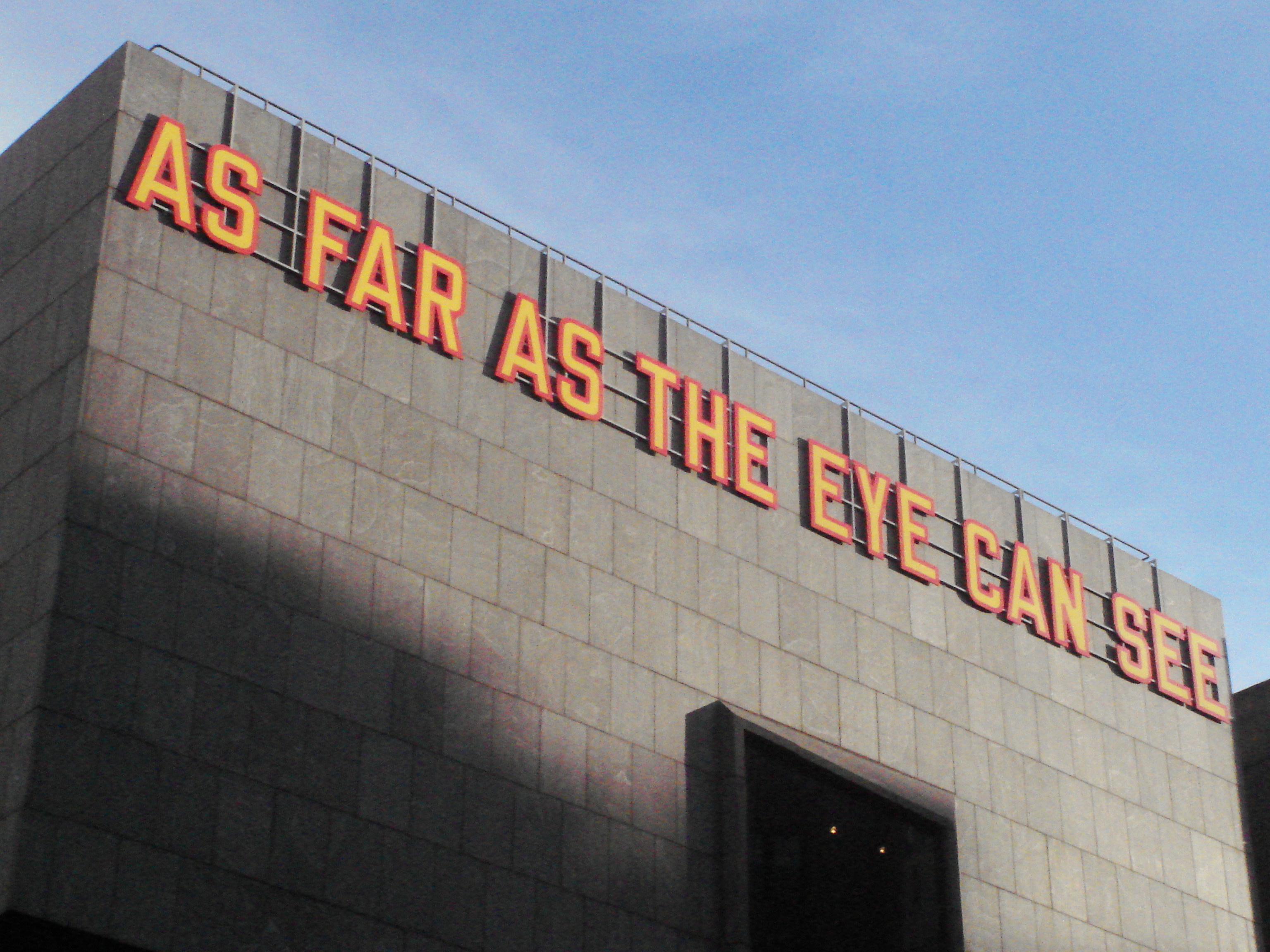
One

number-one


One

I am Brahma
the straight line, the upright being,

fire that flares,
seed without end, manifold

self beyond all
polarity, radiating sun:
the all.

Philosophers considered one a non-number,
generatrix of all that follows.

Other.

The singularity. The lone.

From the Indo-European oi-qos we achieve solitude,
while the collective meaning of one derives from the Sanskrit sam.

United in itself, it changes nothing,
becoming everything.

On its side it represents the horizon.

Alone is all-one.
The Latin non is one negated, as is the German nein.

Symbol of intellect, the Hindu moon glows wide.
Atomic number of hydrogen, magician’s numeral,

monad and eccentric, I bear the empty product.


one on side

“One” last appeared here in September 2018.

The Real Question


The Real Question 

I ask myself why I mourn
what has not yet

occurred. Will that last fledgling
fly or will a snake swallow

its gravity before descending
to a separate end? Coffee

darkens the carafe and an egg
poaches amidst the scent of basil.

Sprinkling parmesan on buttered
toast, I wonder where to unearth

the real question, when to look
into its eye. How to read its grief.


“The Real Question” was first published in After the Pause in June 2019. Thank you, Michael Prihoda, for accepting this piece.

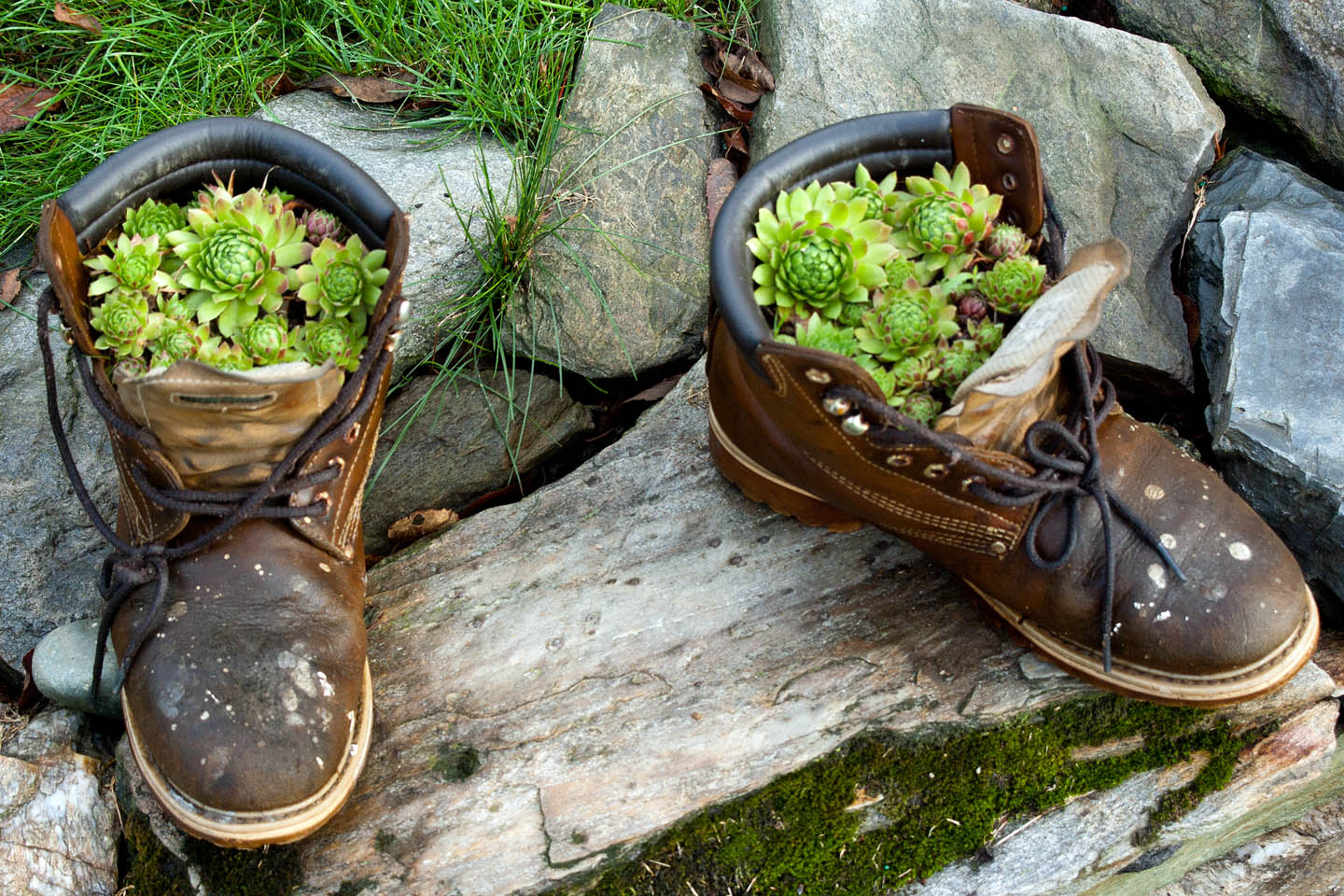
Shoe

blueshoe


Shoe

The right has only one option,
as is true of the left,

neither to mingle
nor disappear like washed socks

or loved ones in a casino.
There are those who believe

in fallen towers and pasts
burnished beyond recognition,

and truth, as it was written, for them,
in blood, with money inherited

from thieves. The puddle happens.
The door rotates. A snifter shatters.

The shoe’s approach defines its wearer.


* * *

This first appeared in March 2016, but somehow seems even more appropriate today.


cactus shoe


Self-Portrait as Never


Self-Portrait as Never

Within the unknown or could-have-been,
this stance requires certainty, the ability
to stand upright, rooted, implacable,
relentless in the isand the noin time.
I dream of faith, despite knowing its
secrets. Atoms swarm, seed heads explode.
Rivers reverse, the galaxy rots, and at the
center, we fold our arms across our chests
and deny or accept at whim, leaving behind
no footprints, only lost words, some dust.


“Self-Portrait as Never” was first published in After the Pause in June 2019. Thank you, Michael Prihoda, for accepting this piece.

From Left to Right I Ponder Politics and Kanji


From Left to Right I Ponder Politics and Kanji

In the evening I pour wine to celebrate
another day’s survival. My motions:
up to down, left to right. Glass

from cabinet, wine to mouth.
And then I return to the page.
The character for stone, ishi,

portrays a slope with a stone
at its base, and I take comfort
in knowing that as my knee aches

at the thought of climbing, ishi exists
in descent only. A volcano belches,
producing hi, fire, rising above the

cone, while earth, tsuchi, lies firm
beneath the shoots pushing up,
outward, and ame, rain,

consists of clouds and dotted
lines and the sky above. But if
wind is made of insects and

plums, do I assemble new meaning
without fact or wisdom, form
or assumed inflection, left to

down, up to right? Consider water,
its currents, its logic and needs.
Consider truth. This is how I think.


* * *

“From Left to Right I Ponder Politics and Kanji” appeared in Bonnie McClellan’s International Poetry Month celebration in February 2017.


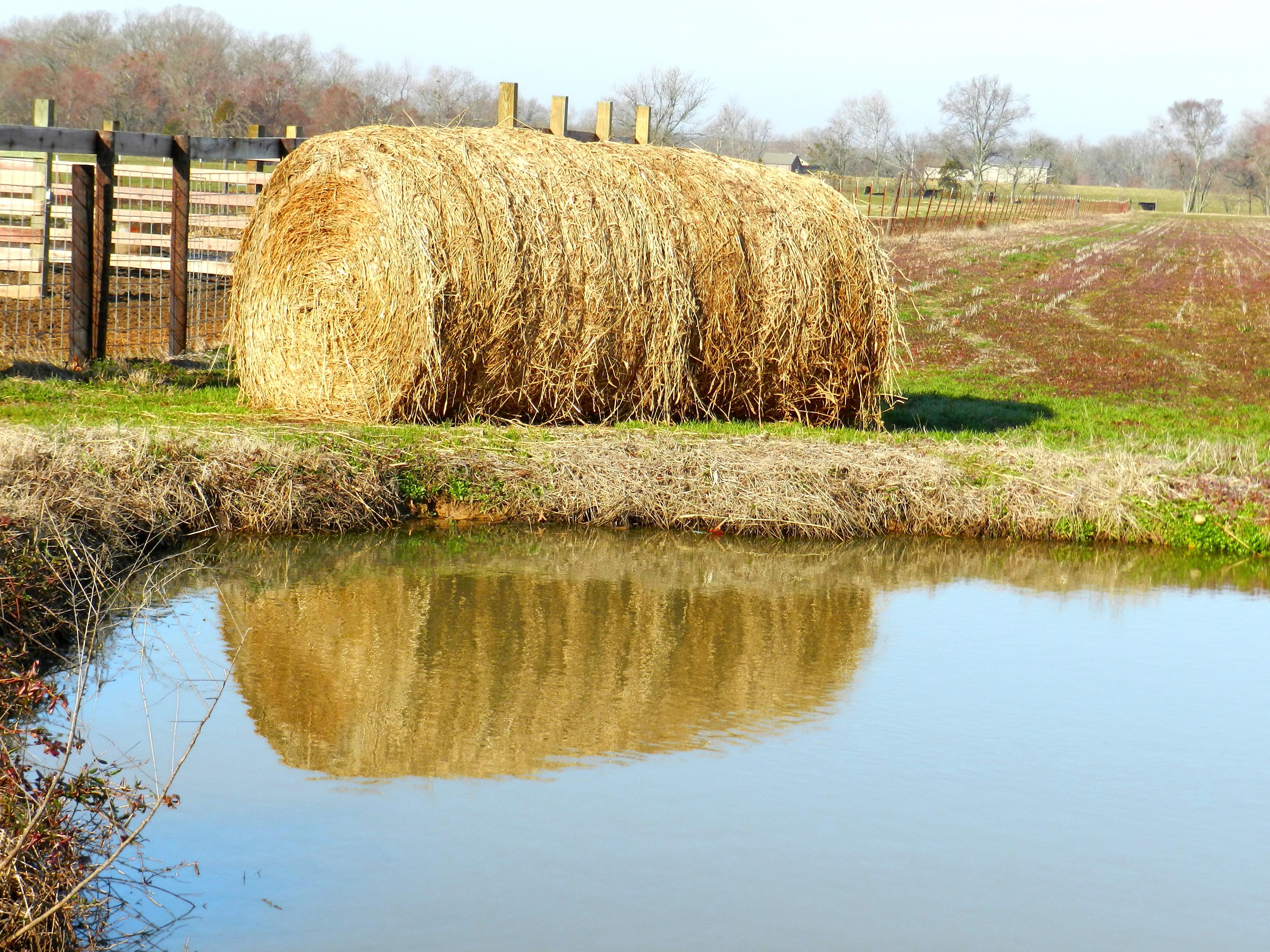
Landscape

DSCN8501

Landscape

Utterance
within the parameters set
by form

expressionless
save motion

the lone branch
brought to the fore
and in the distance

stock ponds collecting rain

the word is
forget, as in the imperative
as in function, as in

you must have

file000783361490

This first appeared here in December 2014.

Poem Up at Cacti Fur


My poem “I Danced with a Platypus Twenty Years Back” is up at Cacti Fur. It was originally drafted during the August 2016 Tupelo Press 30-30 challenge. Many thanks to editor Jim Thompson for taking this poem, and to Kris B. for sponsoring the poem and providing the title.

Wherein the Book Implies Source

book


Wherein the Book Implies Source 

And words form the vessel by which we traverse centuries, the river
stitched across the valley’s floor, easing access.

Accession by choice. Inorganic memory.

Vellum conveys its origin: of a calf.

How like an entrance it appears, a doorway to a lighted space.
Closed, it resembles a block of beech wood.

To serve as conveyance, to impart without reciprocity.

Framing the conversation in space, immediacy fades.

The average calfskin may provide three and a half sheets of writing material.
Confined by spatial limitation, we consider scale in terms of the absolute.

The antithesis of scroll; random entry; codex.

A quaternion equalled four folded sheets, or eight leaves: sixteen sides.

Reader and read: each endures the other’s role.
Pippins prevented tearing during the drying and scraping process.

Text first, then illumination.

Once opened, the memory palace diminished.


* * *
This originally appeared in April 2014 as part of Boston Review’s National Poetry Month Celebration, and is included in The Circumference of Other, my offering in the Silver Birch Press chapbook collection, IDES, published in 2015.

ides front cover 92915

Memorial Day, 2015


Memorial Day, 2015

I turn away from the sun, and drink.
Every window is dark.
No one hears my song, not even the guitar.
When the rain pauses the grackle rests on the cedar picket.
Etymology: from Latin memorialis, of or belonging to memory,
leading to home and family, their connotations.
Remembering is simple, she says. But forgetting…
The coral snake slips by, unseen.
Nothing lives in my shadow.


* * *

“Memorial Day, 2015” first appeared at Picaroon Poetry  in July 2017. Many thanks to editor Kate Garrett, for taking this piece.


Bent


Bent

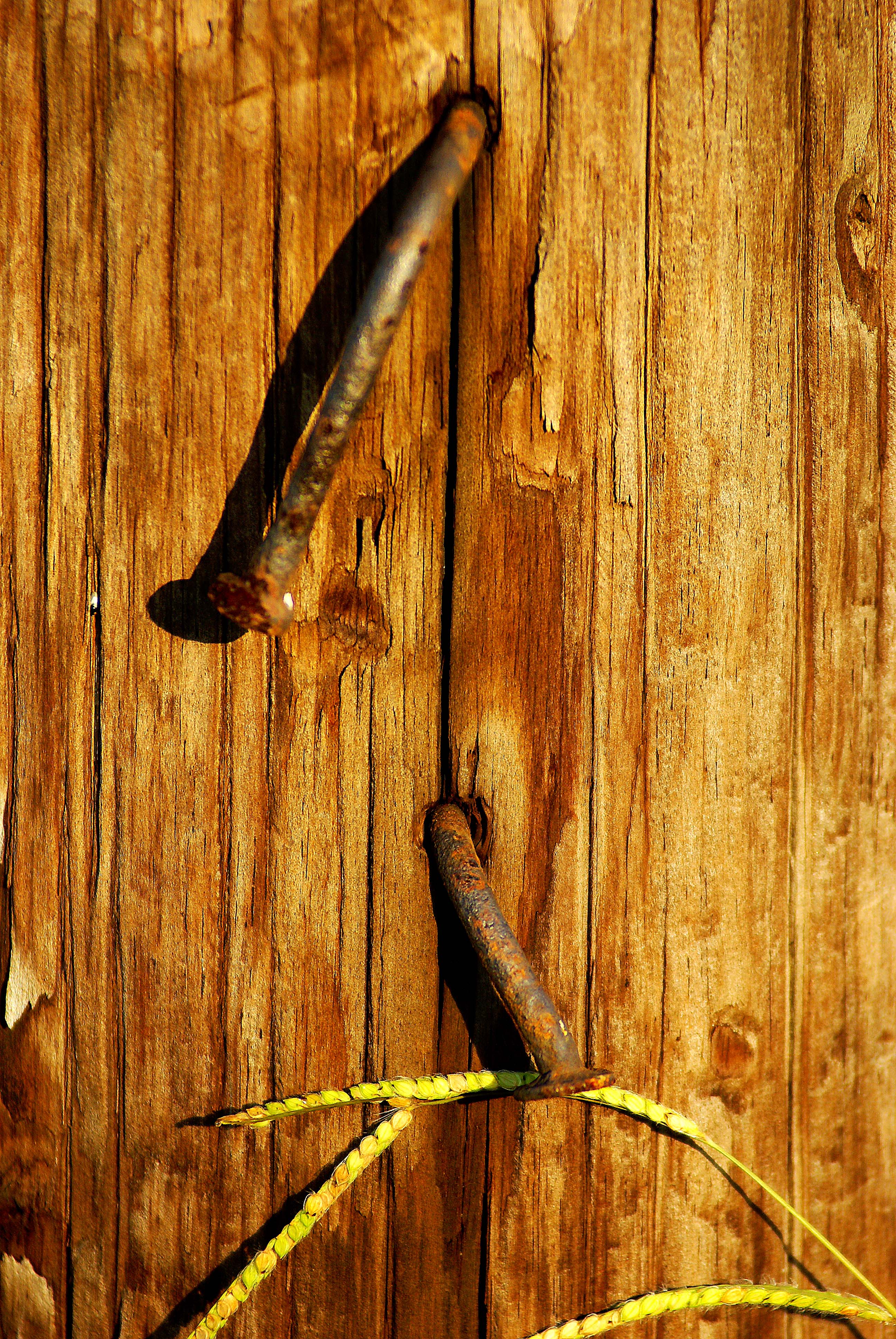
We’ve seen some version of the nail
curled over, the head angled at 90 degrees
or parallel to its body, just above

the penetration point. Three years ago
a tornado powered a single straw stem
through the oak’s bark and into its trunk,

illustrating the Old English beonet, for
“stiff grass,” and sadly conjuring the image
of a blade affixed to a firearm’s muzzle, the

etymology of which lies elsewhere, in Gascony.
And when we consider mental inclination,
signifying deflected, turned, or not straight,

we might also include an earlier past participle
meaning “directed in course.” But even the
tree’s armor could not deter the twister’s

wrath, and the hammer, no matter my aim
or purpose, seems intent upon glancing off
the nail, twisting it, leaving us, again, bent.


“Bent” first appeared in the print publication Ristau: A Journal of Being in January 2018.