When to Say Goodbye

dried

When to Say Goodbye

 If all goes well it will never happen.
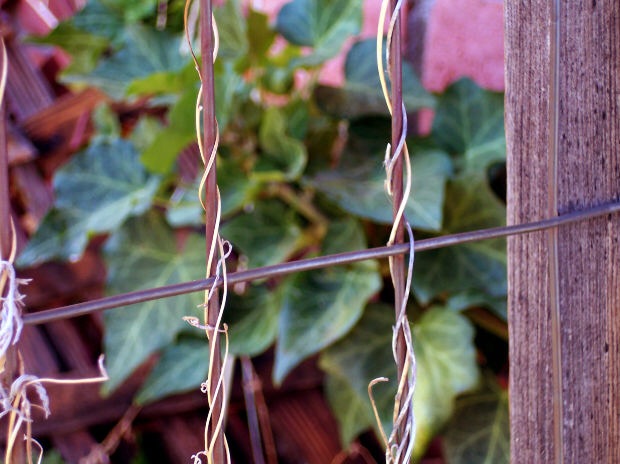
The dry grass in the shade whispers

while the vines crunch underfoot,
releasing a bitter odor. A year ago

I led my dog to his death, the third
in five years. How such counting

precedes affection, dwindles ever
so slowly, one star winking out after

another, till only the morning gray
hangs above us, solemn, indefinite.

Voiceless. If I could cock my head
to howl, who would understand? Not

one dog or three, neither mother nor
mentor, not my friend’s sister nor her

father and his nephews, the two boys
belted safely in the back seat. No.

I walk downhill and closer to the creek,
where the vines are still green.

In the shade of a large cedar, a turtle
slips into the water and eases away.

* * *

“When to Say Goodbye,” drafted during the August 2015 Tupelo Press 30-30 challenge, was published by Oxidant | Engine in May 2017, and subsequently nominated for a Best of the Net 2017 award.
Year’s End

OLYMPUS DIGITAL CAMERA

Year’s End

If I lose myself in breathing,
will the air forgive my forgetfulness?

This oak, too, will stand long after
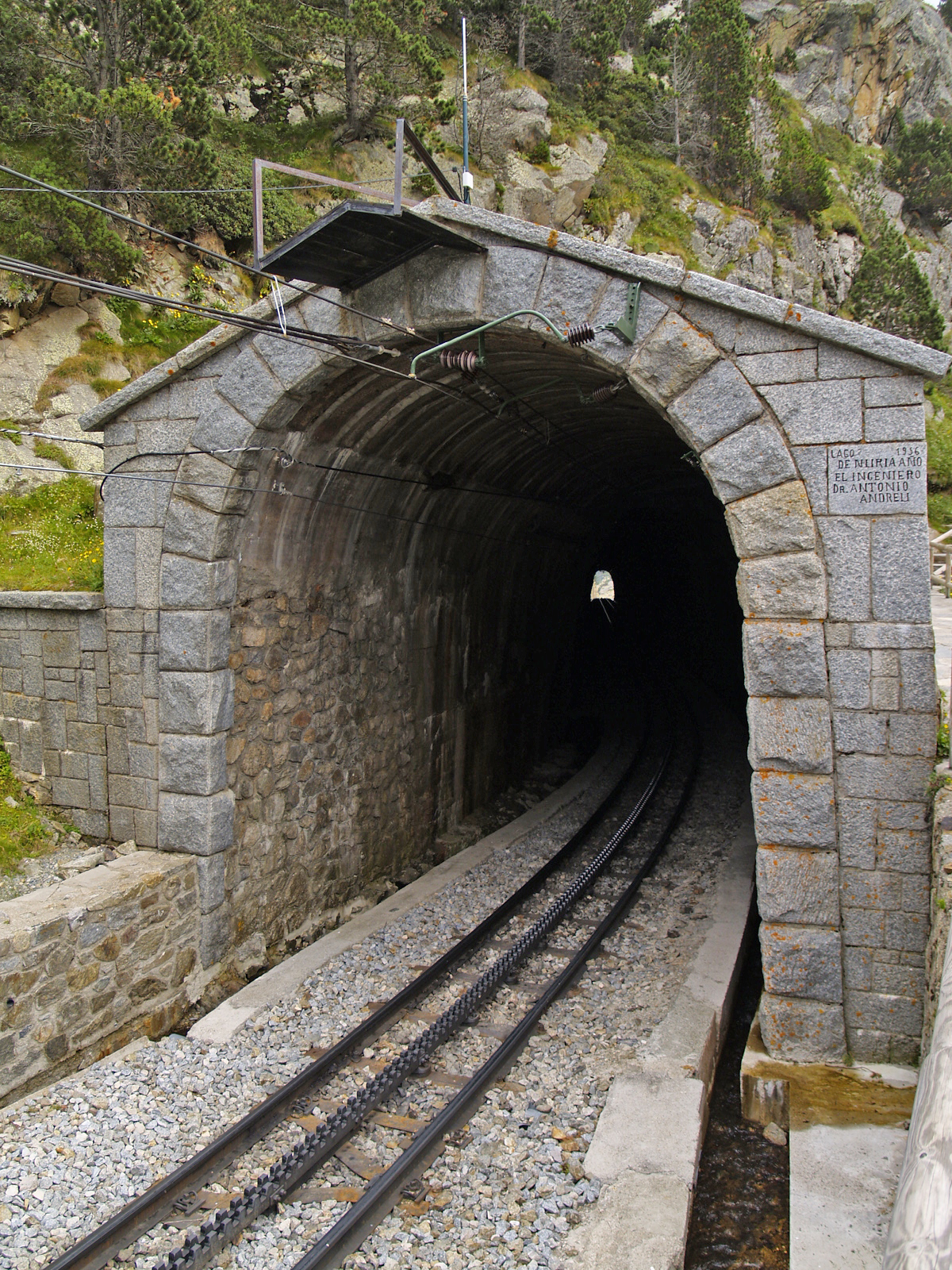
the last train exits the tunnel.

I worry that my friend may never
clamber past his lowest ambition.

Different and unabated, our words
now stumble over themselves.

Every night forms a morning somewhere:
each year, combined in our shared darkness.

* * *

“Year’s End” is included in my micro-chapbook Only This, available via free download from Origami Poems Project. Many thanks to editor Jan Keough for taking the mini-chap and offering this opportunity to so many.

night

Self-Portrait with W

file7131243281016

Self Portrait with W

One might claim a double victory, or after the Roman Empire’s fall, a reclamation
from the slurred “b” and its subsequent reduction.

Survival of the rarely heard, of the occipital’s impulse.

The oak’s crook performs a similar function.

Shielding myself from adjuration, I contemplate the second family
root, weighted in weapons, in Woden, in wood.

Not rejection, but acceptance in avoidance.

The Japanese homophone, daburu, bears a negative connotation.

Original language was thought to be based on a natural
relation between objects and things.

Baudelaire’s alphabet existed without “W,” as does the Italian.

The recovery of lost perfection is no longer our aim.

When following another, I often remain silent.
As in two, as in answer, as in reluctance, reticence.

We share halves – one light, one shadowed, but both of water.

Overlapped or barely touching, still we complete.

* * *

“Self-Portrait with W” originally appeared in the Silver Birch Press Self-Portrait series in 2014, and was reprinted in my chapbook, The Circumference of Other, included in Ides, a one-volume collection of fifteen chapbooks published by Silver Birch Press and available on Amazon.com.

OLYMPUS DIGITAL CAMERA

While Reading Billy Collins at Bandera’s Best Restaurant, Words Come to Me


While Reading Billy Collins at Bandera’s Best Restaurant, Words Come to Me

And having no other paper at hand,
I scrawl on a dollar bill, “I want to speak
the language of smoke.” My invisible friend
interrupts. That is a white man’s dilemma.

 At least you have a dollar and a pen.
“But I’m only half-white,” I reply, “with half
the privilege.” Then you must bear double
the burden,
he says. This version of math

twists my intestines into a Gordian knot,
as does the concept of half equals twice,
or in terms I might better comprehend,
one beer equals four when divided by color

or accent and multiplied by projection.
The unsmiling waitress delivers my rib-eye
as I’m dressing the salad, and the check appears
just after the first bites of medium-rare beef

hit my palate, certainly before I can answer the
never-voiced question “would you like dessert?”
Cheese cake, I would have said. Or cobbler. And I
seldom turn down a second beer. This too, I’m told,

is another example of my unearned entitlement. I
contemplate this statement, scribble a few other
phrases on bills, drop them on the table, and walk out,
wondering which direction to take, which to avoid.

* * *

“While Reading Billy Collins at Bandera’s Best Restaurant, Words Come to Me” was a finalist last fall for the Slippery Elm Prize in Poetry. It was published in Slippery Elm (print only) in December 2017. You may be amused to hear that last October I had lunch in Bandera with one of the other finalists in this competition, but not at the restaurant featured in the poem. The photo is of a local bar, not the eatery, but it offers some of the flavor of the town.

If You Drop Leaves


If You Drop Leaves

If you drop leaves when she walks by,
does that signify grief for those
cut down early,

or merely drought?
How easily we abandon and forget.

Yet a whiff of lemon verbena or the light
bouncing from a passing Ford
can call them back,

tiny sorrows ratcheted in sequence
above the cracked well casing

but below the shingles
and near the dwindling shade
tracing its outline on the lawn.

And what do you whisper
alone at night within sight
of sawn and stacked siblings?

Do you suffer anger by way
of deadfall or absorption,

bark grown around and concealing
a penetrating nail, never shedding
tears, never sharing one moment

with another. Offered condolences,
what might you say? Pain earns no
entrance. Remit yourselves.

“If You Drop Leaves” was published at Bad Pony in November 2017. Many thanks to editor Emily Corwin for taking this piece.

The Trains I Know

file000923469902

The Trains I Know

The trains I know
seek solitude
in darkness,

they wear
wind and cold
with pride,

are never
lonely.
Sometimes they

sing too loud,
or mourn
harshly a

star’s fall, but
they never
deny their

purpose: to
draw between
and connect,

to witness and
serve, to bear
and endure

our unsought
burdens
to the end.

* * *

file0001825830910

“The Trains I Know” last appeared here in July 2015.

Recording of Requiem II

image

Requiem II

To say what becomes: this word
bends in the wind of our

breath. Is this too simple to
say? Our bodies gather yet retain

nothing. Numbers, phrases, the way
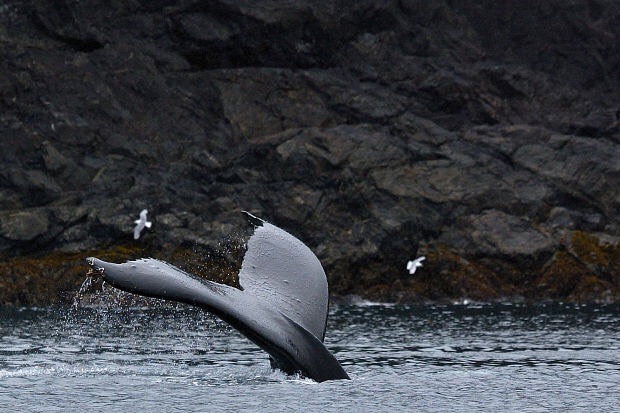
the ocean rolls. Once I saw
a whale at dusk. Or rather I saw its

tail part the water and disappear
into darkness, an answer too complex
and sweet for tongues to comprehend.

But waves seldom explain. Imagine
something nearby but beyond reach.

Think of clouds and shrines, consider light.

image

“Requiem II” last appeared here in June 2017.

“Bittersweet” Kevin MacLeod (incompetech.com)
Licensed under Creative Commons: By Attribution 3.0 License
http://creativecommons.org/licenses/by/3.0/

Poem Up at The High Window

My poem “Five” is included in the summer edition of The High Window. Many thanks to editor David Cooke for taking this piece. The issue is spectacular – I’m delighted to have a poem appear in it.

Politics

snake

Politics

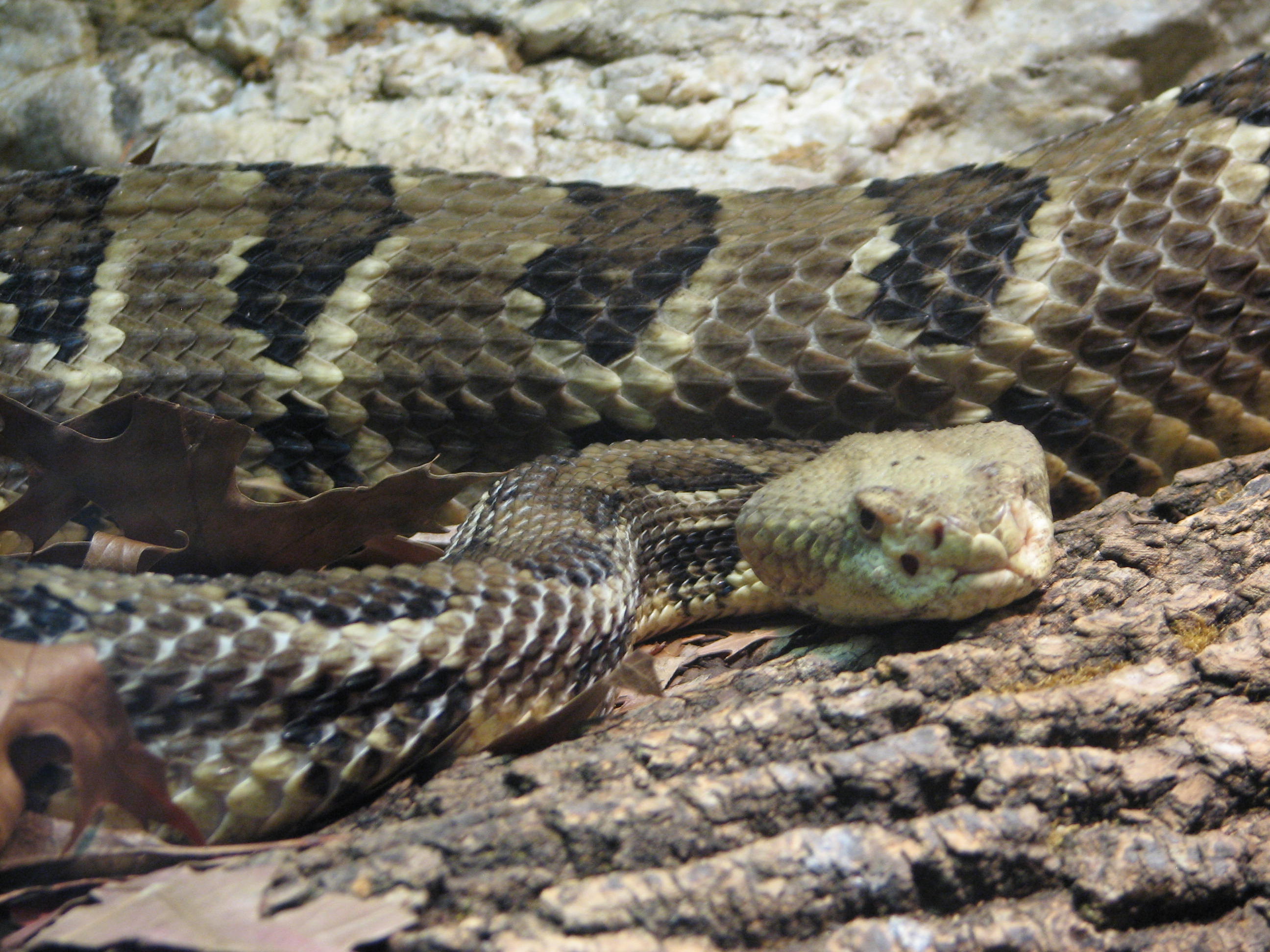
No snakes here,
but a little voice

says the mice
will return,

and which
do you prefer,

the one that
gnaws open

ramen packages
then craps

on your plate
or the one

who takes
its prey

under the house
and swallows

it whole,
leaving

no bones
behind?

dc

“Politics” first appeared here in January 2017.

Dark Rain Ahead, Hummingbird

image

Dark Rain Ahead, Hummingbird

The black-chinned hummer buzzes my flowered shirt,
bringing to mind the letter H, its history of an inferior life among

letters, and a Phoenician origin signifying fence.

An aspirate dependent upon others, or a line strung between posts,

even whispered, H does not contain itself.
Disconsolate or annoyed, the bird moves on.

Do names depend upon the power of symbols, or do they power the symbols?

In the 6th century A.D., Priscian disparaged H, saying it existed only to accompany.

Clouds shade the way.
The black-chin extends its grooved tongue at a rate of 15 licks per second.

Alone, the H’s voice is barely audible.

Through the trees, across the crushed rock driveway and beyond the barbed wire

and chain link, I hear deadfall snapping under hooves.
At rest, its heart beats an average of 480 beats per minute.

Modern Greek denies its existence.

Say khet, say honor and where. Say hinge, sigh and horse. Say depth.

image

Originally published in Prime Number Magazine, one of my favorite online literary journals, in 2013,  it subsequently appeared here in June 2015.