Wind

blossoms

Wind

That it shudders through
and presages an untimely end,

that it transforms the night’s
body and leaves us

breathless and wanting,
petals strewn about,

messenger and message in one,
corporeal hosts entwined,

that it moves, that it blends,
that it withdraws and returns without

remorse, without forethought, that it
increases, expands, subtracts,

renders, imposes and releases
in one quick breath, saying

I cannot feel but I touch,
I cannot feel

* * *

“Wind” first appeared in Blue Hour Magazine and is included in my first chapbook, If Your Matter Could Reform.

tree

One

number-one


One

I am Brahma
the straight line, the upright being,

fire that flares,
seed without end, manifold

self beyond all
polarity, radiating sun:
the all.

Philosophers considered one a non-number,
generatrix of all that follows.

Other.

The singularity. The lone.

From the Indo-European oi-qos we achieve solitude,
while the collective meaning of one derives from the Sanskrit sam.

United in itself, it changes nothing,
becoming everything.

On its side it represents the horizon.

Alone is all-one.
The Latin non is one negated, as is the German nein.

Symbol of intellect, the Hindu moon glows wide.
Atomic number of hydrogen, magician’s numeral,

monad and eccentric, I bear the empty product.

one on side

“One” last appeared here in April 2017.

Rice

image

Rice

Yesterday’s rain informs me I’m born of luck and blended
strands, of hope and words forged before a common tongue emerged.

Of my first two languages only one still breathes.

The other manifests in exile, in blurred images and hummed tunes.

Rice is my staple. I eat it without regarding its English etymology,
its transition from Sanskrit to Persian and Greek, to Latin, to French.

Flooding is not mandatory in cultivation, but requires less effort.

Rice contains arsenic, yet I crave its polished grains.

In my monolingual home we still call it gohan, literally cooked rice, or meal.
The kanji character, bei, also means America.

Representing a field, it symbolizes abundance, security, and fertility.

Three rice plants tied with a rope. Many. Life’s foundation.

To understand Japan, look to rice. To appreciate breadth, think gohan.
Humility exemplified: sake consists of rice, water and mold.

The words we shape predicate a communion of aesthetics.

Miscomprehension inhabits consequence.

* * *

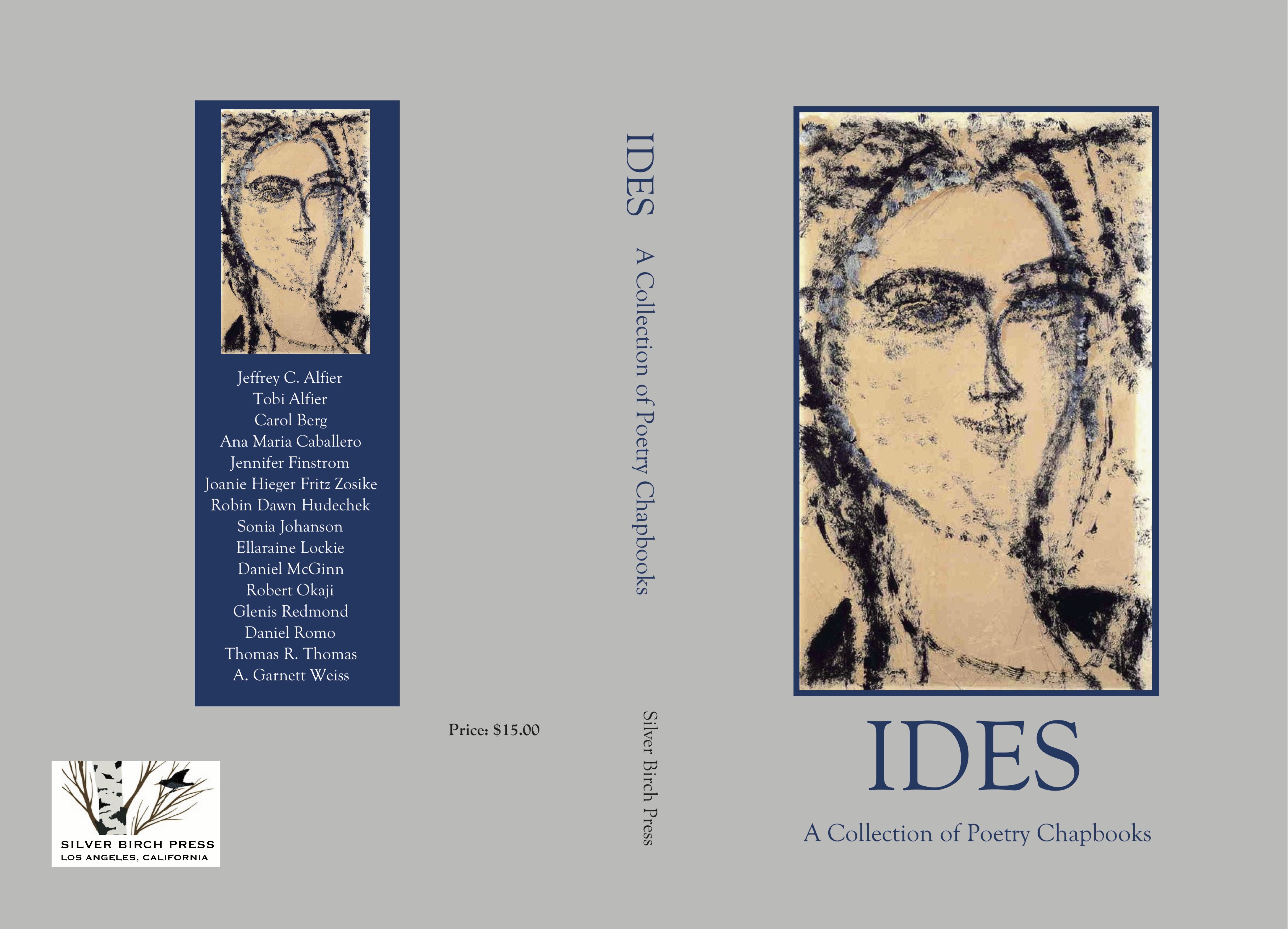
“Rice” has appeared here twice before, and is included in my chapbook-length work, The Circumference of Other, published in Ides, a one-volume collection of fifteen chapbooks published by Silver Birch Press and available on Amazon.com.

image

What Feet Know (with recording)

feet

What Feet Know

The earth and its subterfuge.
Gravity and the points between here and there.

And sometimes the rasp of grainy mud
clenched between toes,
or a rock under the arch,
an explanation too pointed
for display on a page,
too hard, too much for flesh to bear.

No constellations foment underground.
Nothing there orbits a companion.

No light but for that darkness the heel scrapes away.

“What Feet Know” was featured on Postcard Poems and Prose Magazine in December 2016, and is included in my  chapbook, From Every Moment a Second, available Available at Amazon.Com and Here.


Peach Blossom (after Li Po)

file0001629991807

Peach Blossom (after Li Po)

Ask why I stay on the green mountain
and I smile but do not answer; my heart rests.
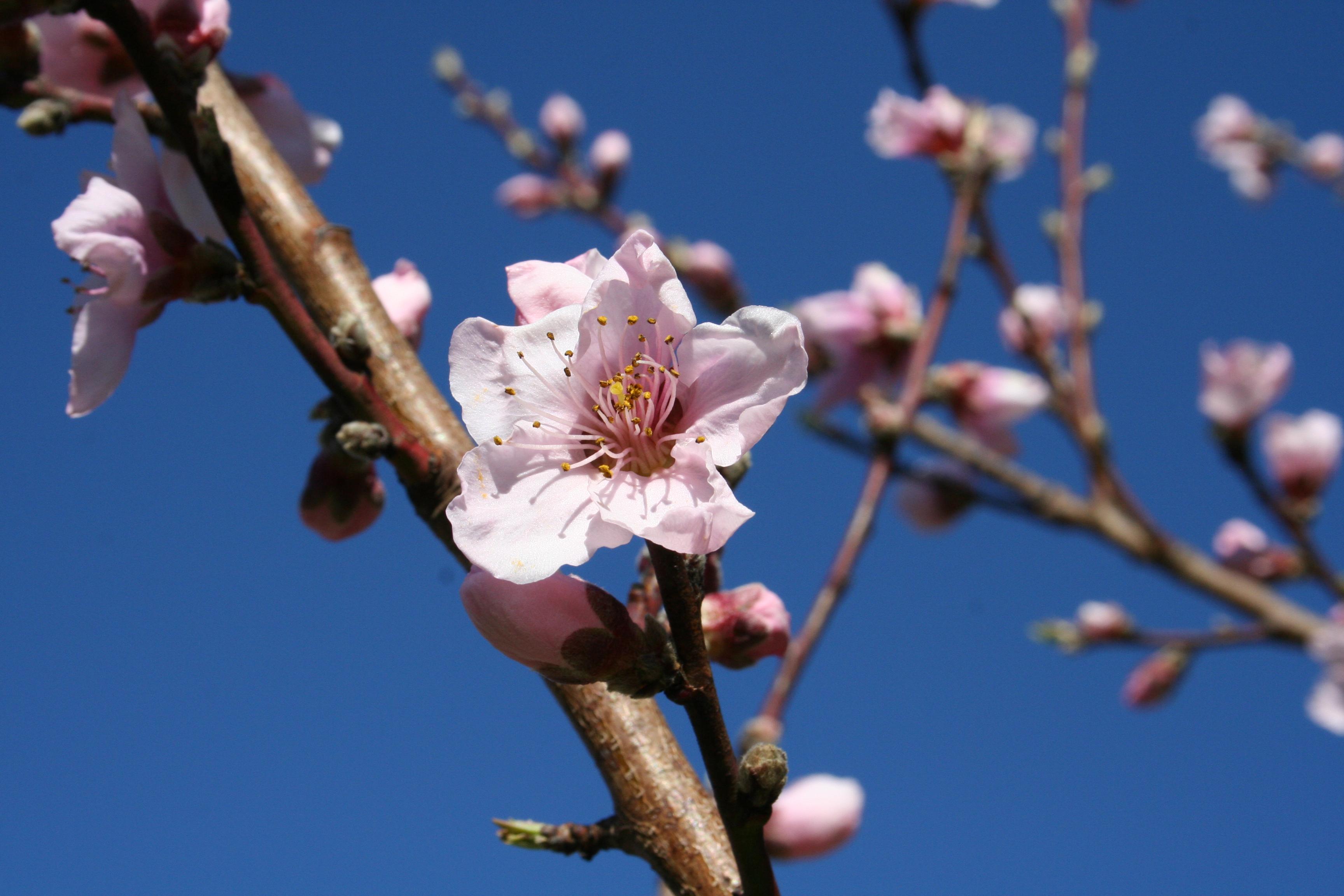
A peach blossom floats downstream –
Heaven and earth, apart from this world.

The transliteration on Chinese-poems.com is as follows:

Ask me what reason stay green mountain
Smile but not answer heart self idle
Peach blossom flow water far go
Apart have heaven earth in human world

There the poem is titled “Question and Answer on the Mountain.”

IMG_5780

“Peach Blossom” is included in my micro-chapbook You Break What Falls, available via free download from the Origami Poems Project.

What is a micro-chapbook, you might ask? In this case, it consists of six short poems on one sheet of paper, folded (hence origami) to form a chapbook. You may download it, free of charge, here: http://www.origamipoems.com/poets/236-robert-okaji

Oh, yes. Folding instructions are on the Origami Poems Project site.

In Praise of Rain (with recording)

file00093561951


In Praise of Rain

Which is not to say lightning or hail.
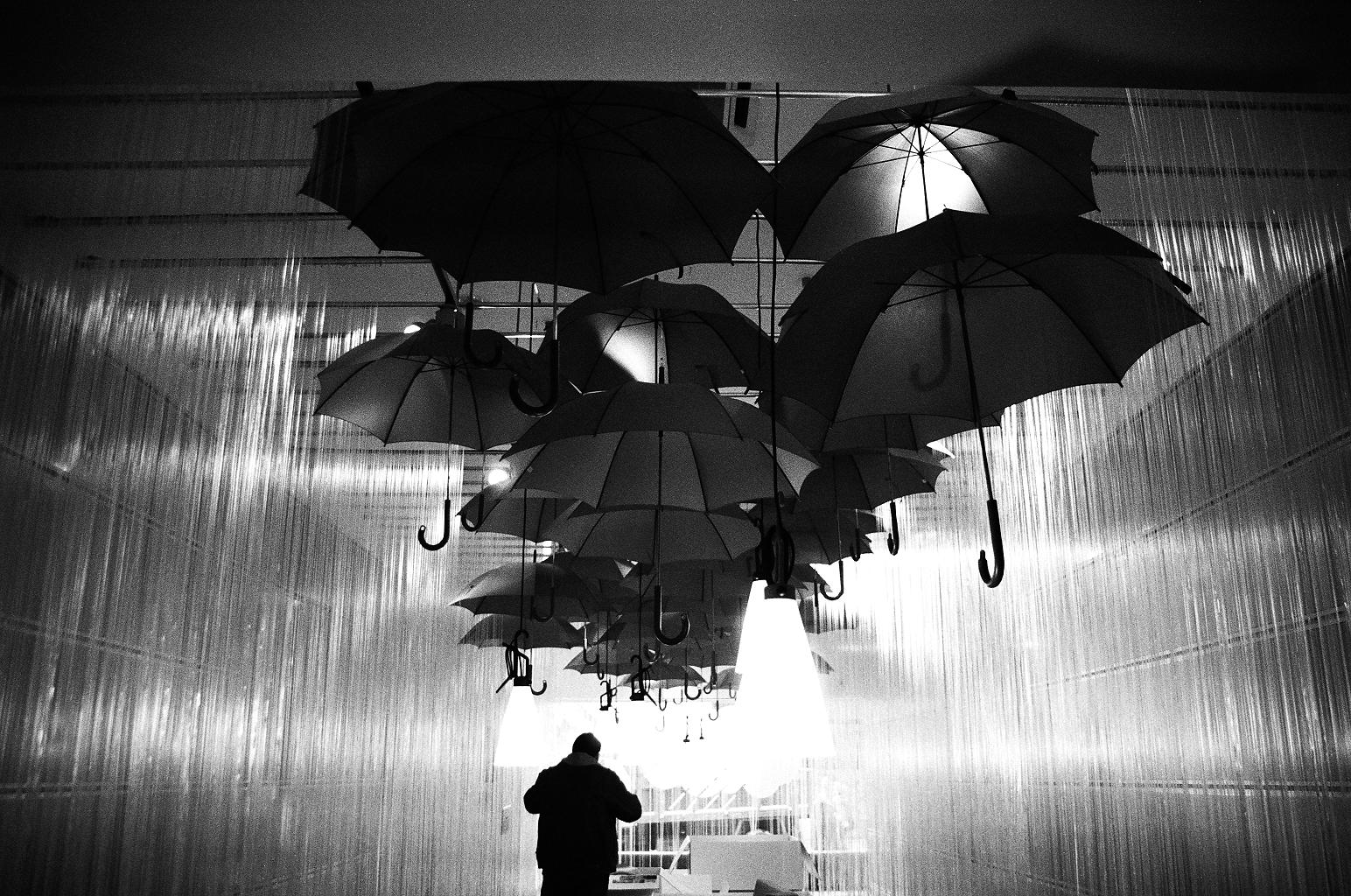
Sometimes I forget to open the umbrella

until my glasses remind me: Wake up, you’re
wet! If scarcity breeds

value, what is a thunderhead worth
in July? A light shower in August?

Even spreadsheets can’t tell us.

***

“In Praise of Rain” is included in my micro-chapbook, You Break What Falls, available via free download from the Origami Poems Project.

file8541339345592

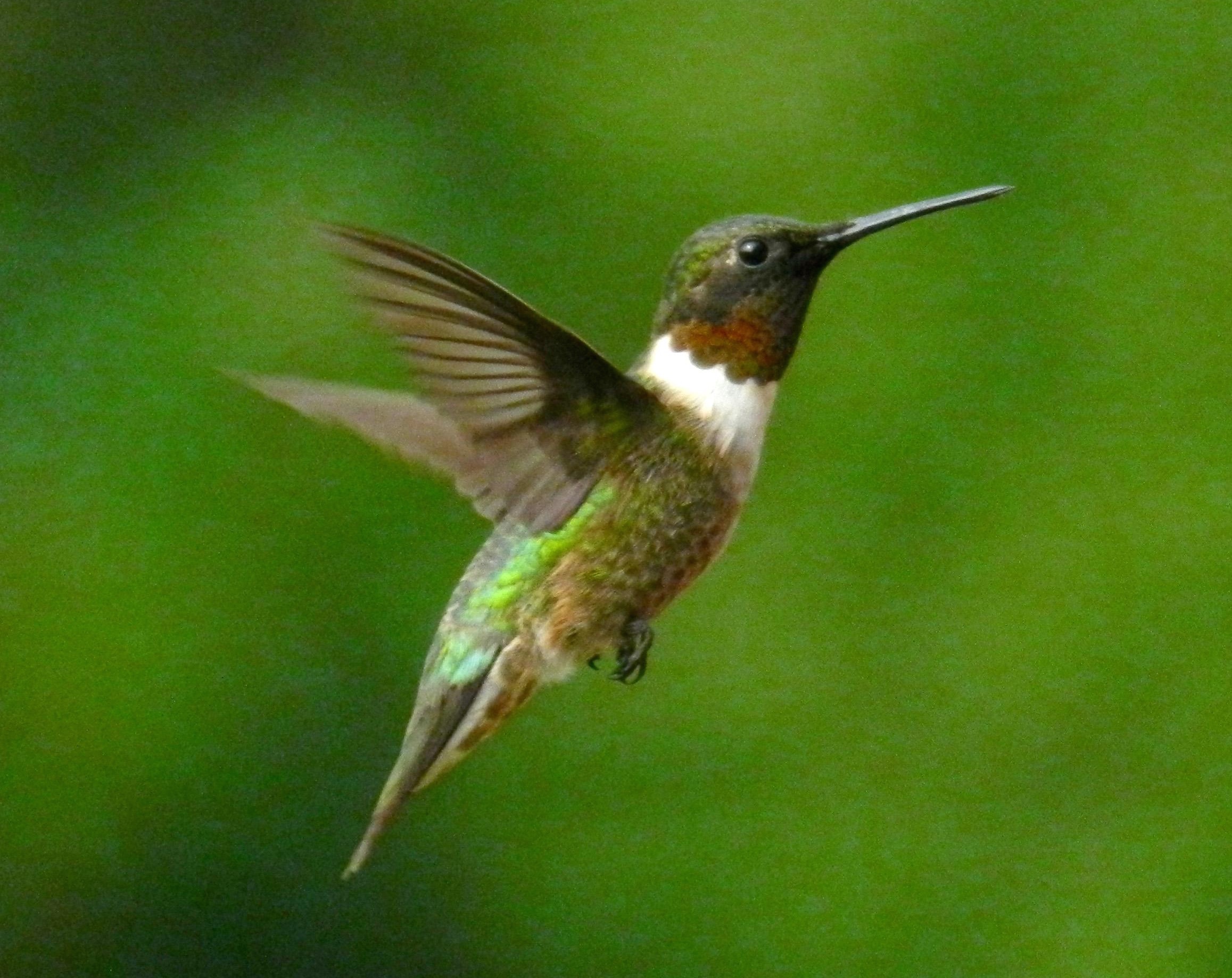
Hummingbird (4)

hummer

Hummingbird (4)

What overwhelms is the fate
of our breath
moving from one mouth

to the other, a form of
denial flickering by

like the hummingbird,
impossible in flight
but moving despite our logic.
The air

claims no intention. It waits,
and waiting, gives itself to us.

The gift we accept is of ourselves.

hummer2

“Hummingbird (4)” was written in the 80s, and first appeared here in July 2015.

Lament for Five White Cat (after Mei Yao-ch’en)

file3461249385398

Lament for Five White Cat (after Mei Yao-ch’en)

Five White cat always made sure
no rats gnawed my books,
but this morning Five White died.

On the river I offered up rice and fish,
and buried you in its lazy currents,
chanting my lament. I could never neglect you.

One time you caught a rat
and carried it squealing around the yard
to frighten all the other rats
and keep my cottage clear of them.

We’ve shared space aboard this boat,
and although the food is meager
it’s free of rat piss and droppings
because you were so diligent,
more so than any chicken or pig.

Some people speak highly of horses,
saying nothing compares to them or donkeys.
But we’re done with that discussion!

My tears prove it so.

* * *

The transliteration from Chinese-poems.com:

Self have 5 white cat
Rat not invade my books
Today morning 5 white die
Sacrifice with rice and fish
See off it at middle river
Incantation you not you neglect
Before you bite one rat
Hold in mouth cry around yard remove
Want cause crowd rat frightened
Thought will clear my cottage
From board boat come
Boat in together room live
Dry grain although its thin
Evade eat drip steal from
This real you have industriousness
Have industriousness surpass chicken pig
Ordinary person stress spur horse drive
Say not like horse donkey
Already finish not again discuss
For you somewhat cry

A Song Dynasty poet, Mei Yao-ch’en (or Mei Yaochen) died in 1060. His great poems live on.

DSC_1646

Parting from Wang Wei (after Meng Haoran)

P1010508


Parting from Wang Wei (after Meng Haoran)

These quiet days are ending
and now I must leave.

I miss my home’s fragrant grasses
but will grieve at parting – we’ve

eased each other’s burdens on this road.
True friends are scarce in life.

I should just stay there alone, forever
behind the closed gate.

* * *

“Parting from Wang Wei” is included in my micro-chapbook, No Eye But The Moon’s, available via free download at Origami Poems Project.

The transliteration on Chinese-poems.com reads:

Quiet end what wait
Day day must go return
Wish seek fragrant grass go
Grieve with old friend separated
On road who mutual help
Understanding friend life this scarce
Only should observe solitude
Again close native area door

file5971307479422