Still Life with Silence


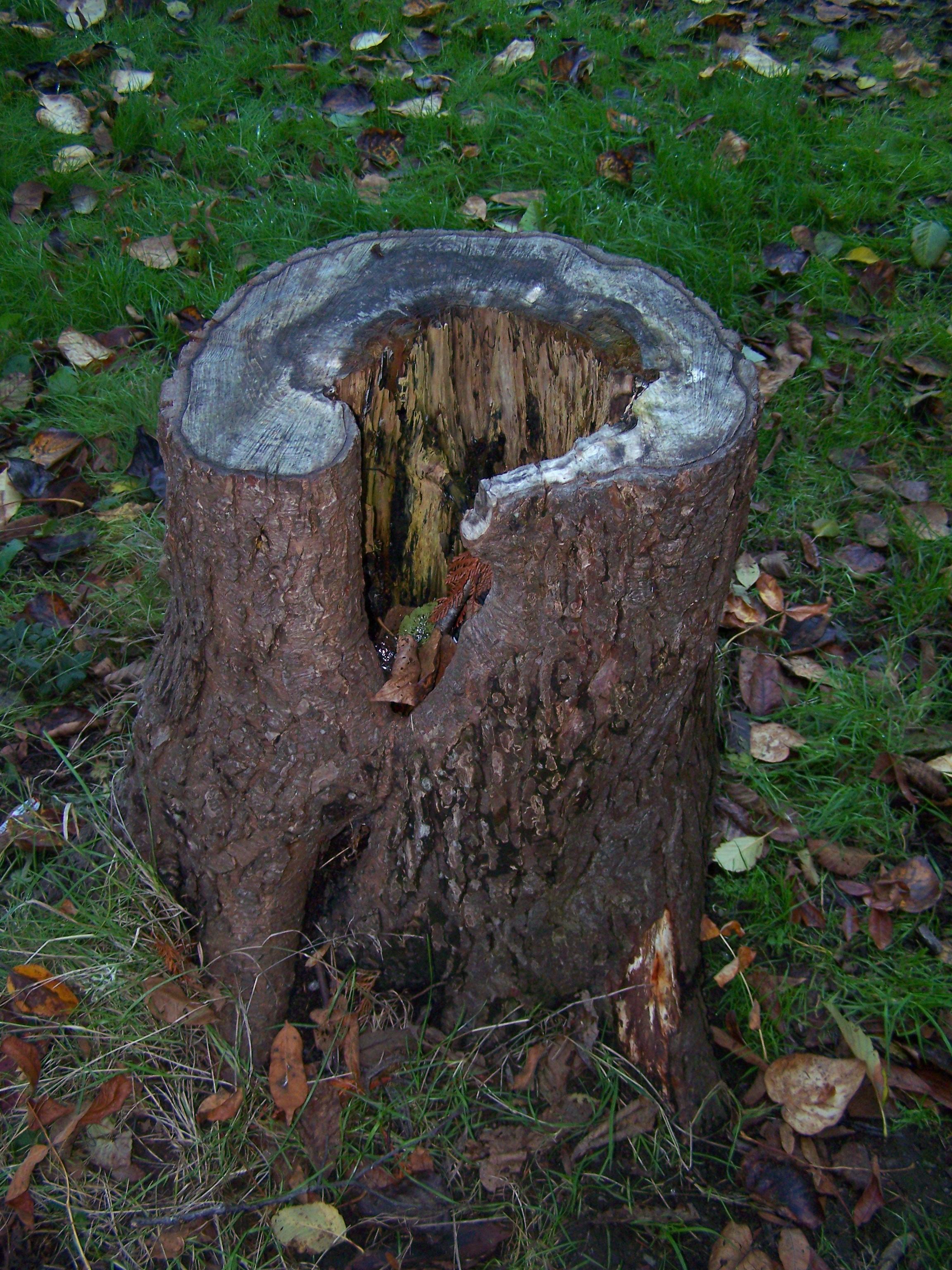
stump 


Still Life with Silence

Not two, but one,
invisible

and stretched between
stump and fence,

filled with
time, defining

implication. Empty
the pitcher. Accept

its limitations.
Listen to what is not.

pitcher

“Still Life with Silence” first appeared here in October 2016.

The Ballad of Banaabkwe and Her Gulls

Anna Marie Sewell’s poetry is a force of nature. Read this!

prairiepomes's avatarPrairiepomes

What diplomacy today
can bring to the rescue mice fit to chew through
plastic nooses carelessly left to wind around
the bleeding necks and throats of sea elephants?
You don’t hear that fable, now, do you? – Don Perkins

1.
Banaabekwe, at her loom of seagrass
slowly, in dappled morning sun, weaves
stories for her little ones, to wear as necklace
until they are strong enough
to swim all the way out to sea.

There, the young manatees lay
their grass mantles upon a tide roller
a brave declaration of status attained
and pledge of love to salt water.

It is the gulls who act as midwives
to this epic surfing task; they cry
urging on the young ones, and send
their own youth to the challenge –

– Who can snatch a grass garland
from the crest of a wave, before
it breaks? Who dares leave it longest
even…

View original post 723 more words

In the Place of Cold Doors

cold doors


In the Place of Cold Doors

We have a word for everything,
or seven for nothing. Soon

you’ll enter and I’ll talk
on the other side,

watch for signs in every
dropped crumb,

every nailhead and
embedded phrase remembered

in another’s voice. The light
will dim and I’ll look for rain and

go on speaking. My words will wander
unnoticed. You hear only yesterday.

“In the Place of Cold Doors” first appeared in Gossamer: An Anthology of Contemporary World Poetry, published by Kindle Magazine in Kolkata, India. I was thrilled to have several poems included in the anthology.

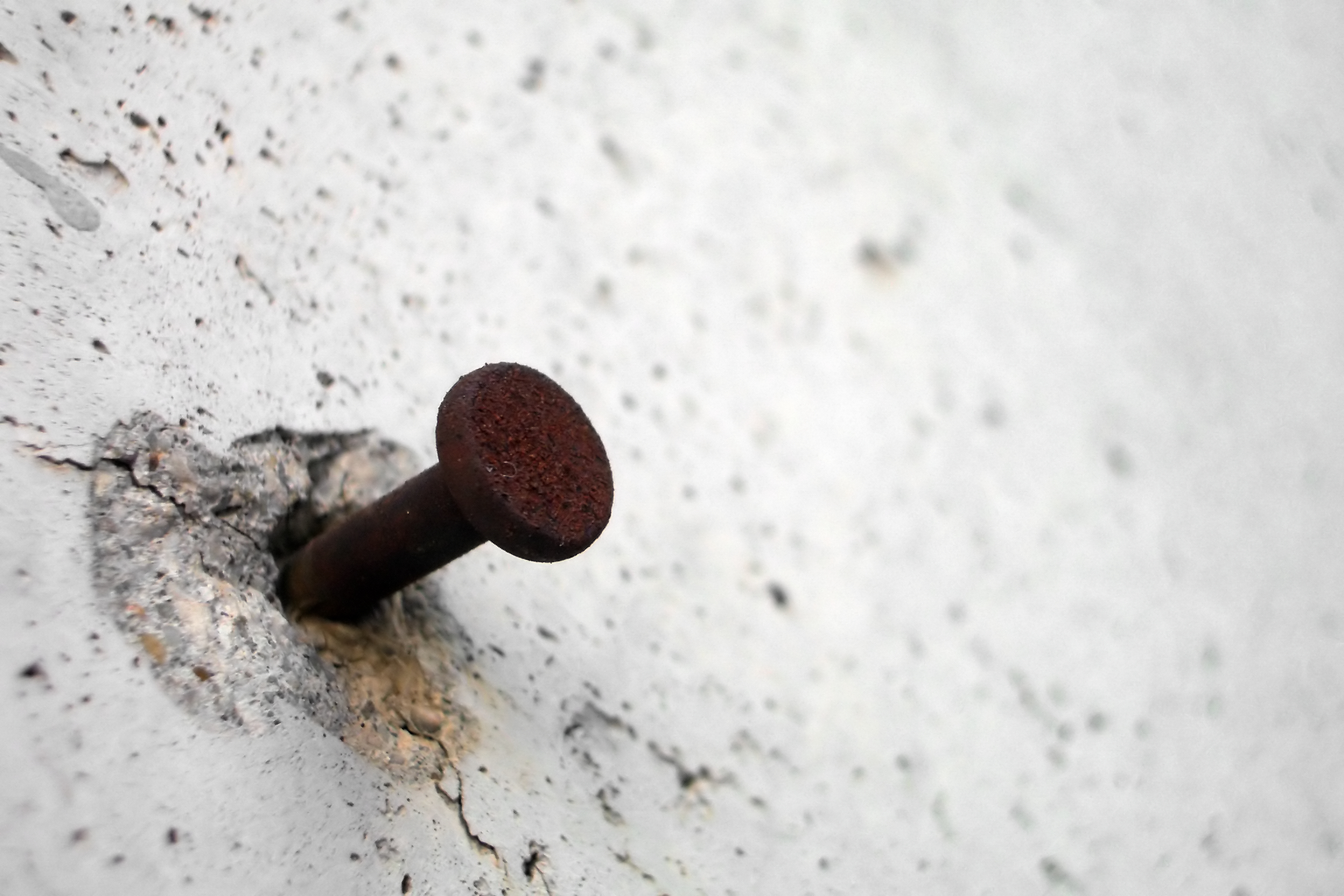
nailhead

Forever

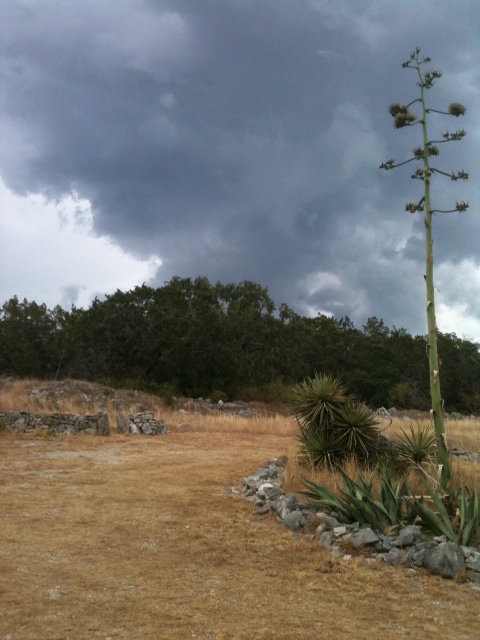
photo

Forever

Our dogs hide under the bed,
escaping thunder.

But the sun shatters
a cloud and I know

we will live forever.
Each hour is the sky,

every day, another
star. Now the trees

join the wind
in rejoicing. This

is what we make,
they say. Only this.

* * *

“Forever” made its last appearance here in July 2016.

DSCN8545

The Military Industrial Complex’s CPAs Never Sleep

 avocado

The Military Industrial Complex’s CPAs Never Sleep

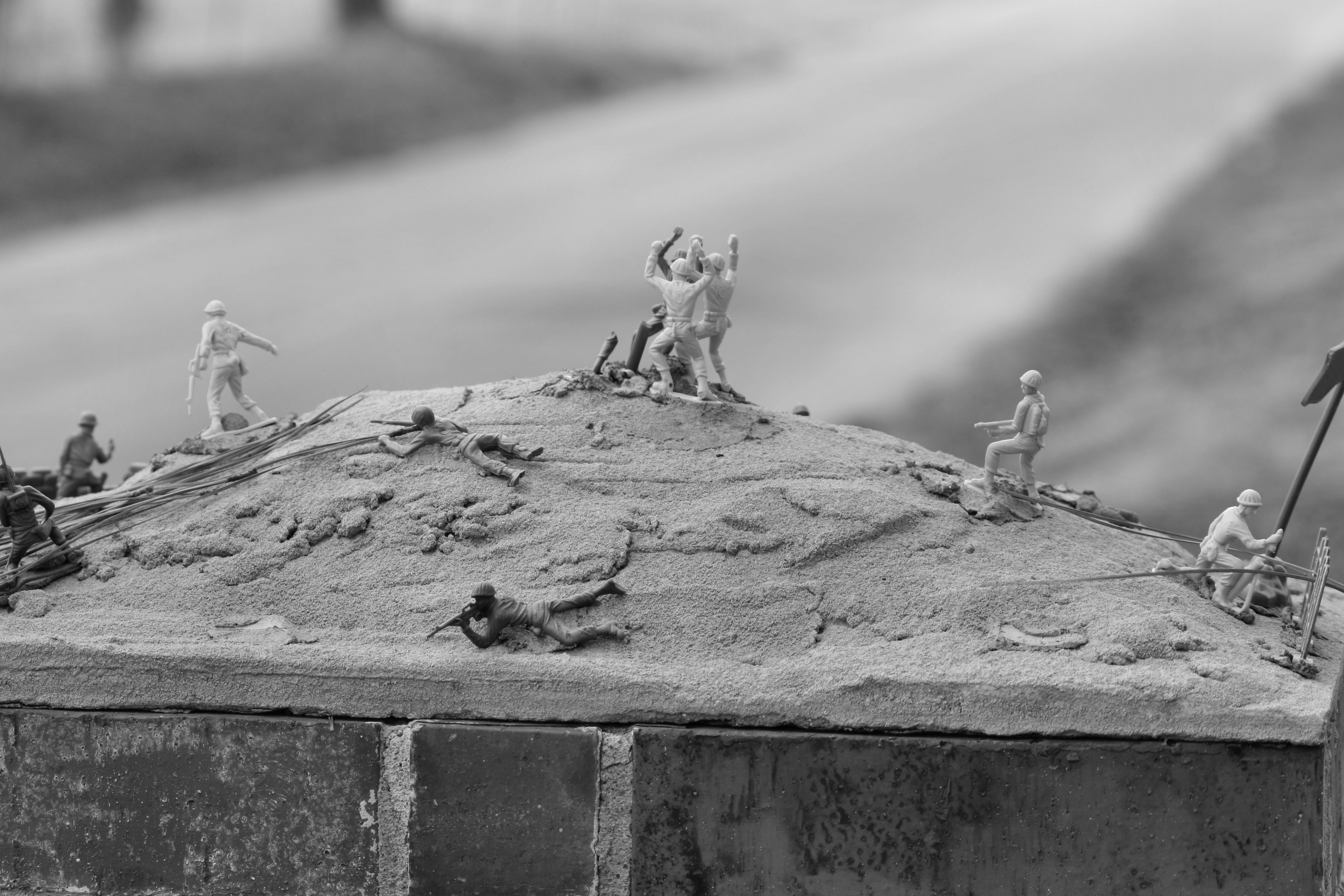
We so seldom bury people at sea
in weighted shrouds,
preferring instead sealed
containers or ashes
mixed with concrete.

Little girls skip
down the street,
giggling, unaware of their
value on the open
market. Dollars, oil.
Weapons. All fungible.

On the forgotten shelf,
the avocado’s flesh
blackens inside
its withering armor.
How is too much
never enough?

Targets based on
possibilities, innuendo,
cost-benefit analysis:
three men and a camel,
wedding parties,
hospitals, homes.

When morning comes,
they’re still awake,
collating damage, counting
opportunities, massaging
sums, ignoring cost,
harvesting their dead fruit.

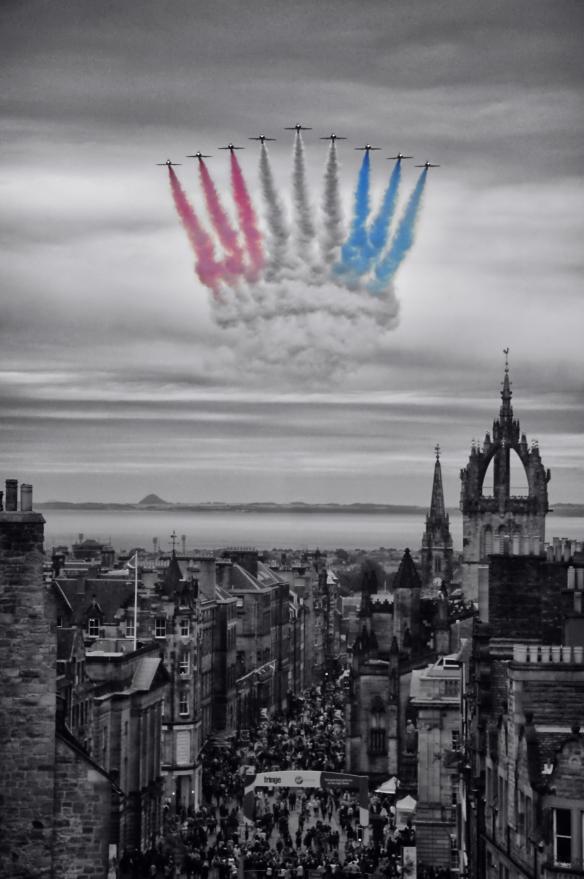
military

This first appeared here in September 2016.

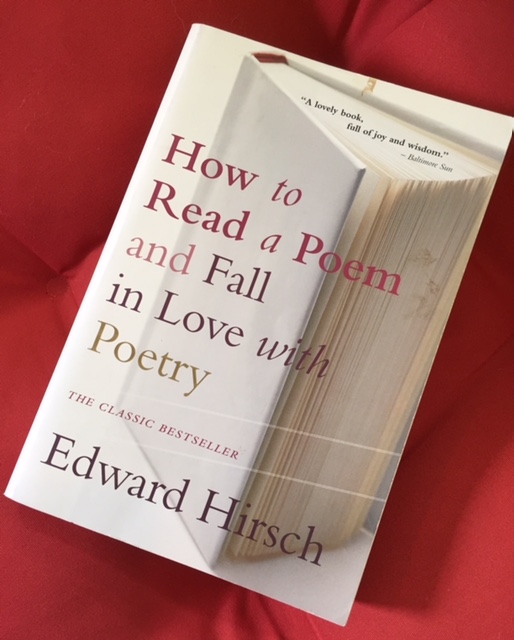
Edward Hirsch’s How to Read a Poem and Fall in Love with Poetry

In a nod to National Poetry Month, the Poetry Foundation has posted the first chapter of Edward Hirsch’s superb How to Read a Poem and Fall in Love with Poetry. One of my favorite all-time reads. If you haven’t read this book, dip into the first chapter now.

Setting Fire to the Origami Crane

origami

Setting Fire to the Origami Crane (the one floating on Muscongus Bay) at Sunset

Who is to say which comes first, the flaming crane
or the sunset’s burst just over the horizon

and under the clouds? There are causes and causations,
an illness named bad air and another attributed to wolf

bites, neither accurate. There is the paraffin to melt,
and the folded paper resting comfortably nearby, with

a small, unopened tin of shoe polish and the sound of
tears striking newsprint. You know the myth of the

Viking burial — the burning ship laden with treasure
and the deceased clothed in all his finery. But pyres

are lighted to make ash of bodies, to ease the soul’s
transition to the heavens. Think of how disturbing

it would be to come upon the charred lumps of your
loved one washed ashore. And other myths — various

versions of the afterlife created to bend wills and
foster hope where little exists — to which have you

departed? There are no returns in your future, no more
givings, and your ashes have dispersed among the clouds

and in the water. They’ve been consumed by earth and
sky, inhaled and swallowed, digested, coughed out but

never considered for what they were. So I’ve printed
your name a thousand times on this sheet, and will

fold and launch it, aflame, watching the letters that
comprise you, once again, rise and float, mingle

and interact, forming acquaintances, new words,
other names, partnerships, loves, ascending to the end.

* * *

This was written for the August 2015 Tupelo Press 30/30 Challenge. To read the poignant story behind the poem’s title (which I was unaware of), visit Jilanne Hoffman’s blog.

Gaza

file00098429292

Gaza

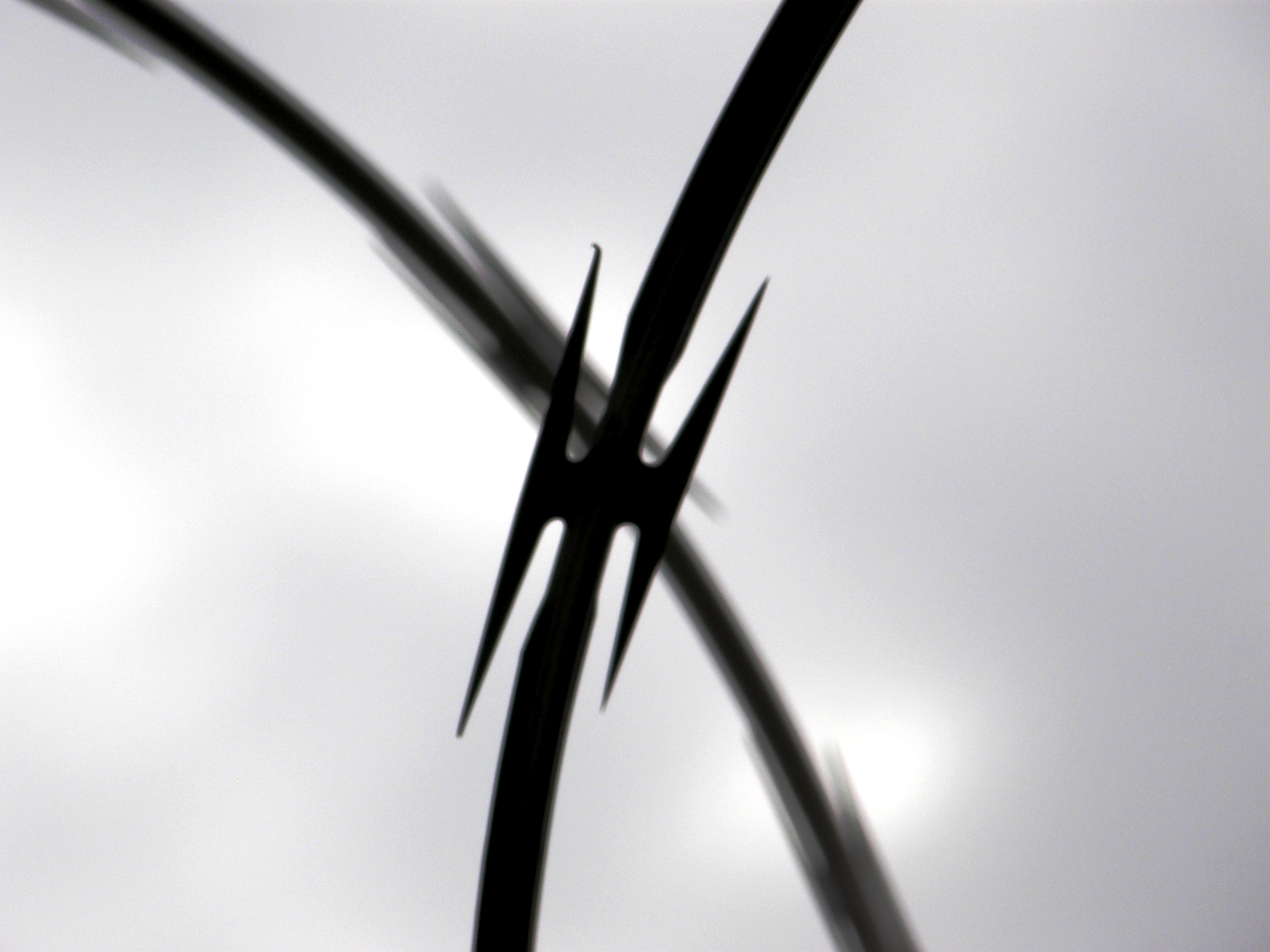
We presume affliction by census,
whereas light

requires no faith.
Is the roofless house a home? When you call
who answers? The vulture

spreads its wings
but remains on post. Shifting,
I note minute of angle, windage. No

regrets, only tension. Breathe in. Exhale.
Again.

***

“Gaza” first appeared here in July, 2014, and is included in my chapbook, If Your Matter Could Reform.

OLYMPUS DIGITAL CAMERA

Ashes

file0001138262091

Ashes

To sweeten the dish, add salt. To bear the pain,
render the insoluble. She envied

the past its incursions, yet the past yields to all,
avoidance to acceptance, trees to smoke.

My mother brought to this country a token of her death to come.

Now it sits on my shelf bearing implements of music.
In her last days I played Sakura on the mandolin,

trusting that she might find comfort
in the blossoms fluttering through the failing notes,

a return to mornings
of tea and rice, of
warmth and paper walls and deep laughter.

Today the rain spells forgive

and every idea becomes form, every shadow a symptom,
each gesture a word, a naming in silence.

Scatter me in air I’ve never breathed.

* * *

“Ashes,” first appeared in Extract(s) in 2013, was reprinted on The Reverie Poetry Journal, and is included in my chapbook, If Your Matter Could Reform.

DSC_0206

Earth’s Damp Mound

OLYMPUS DIGITAL CAMERA

Earth’s Damp Mound
for P.M.

I. February 1998.

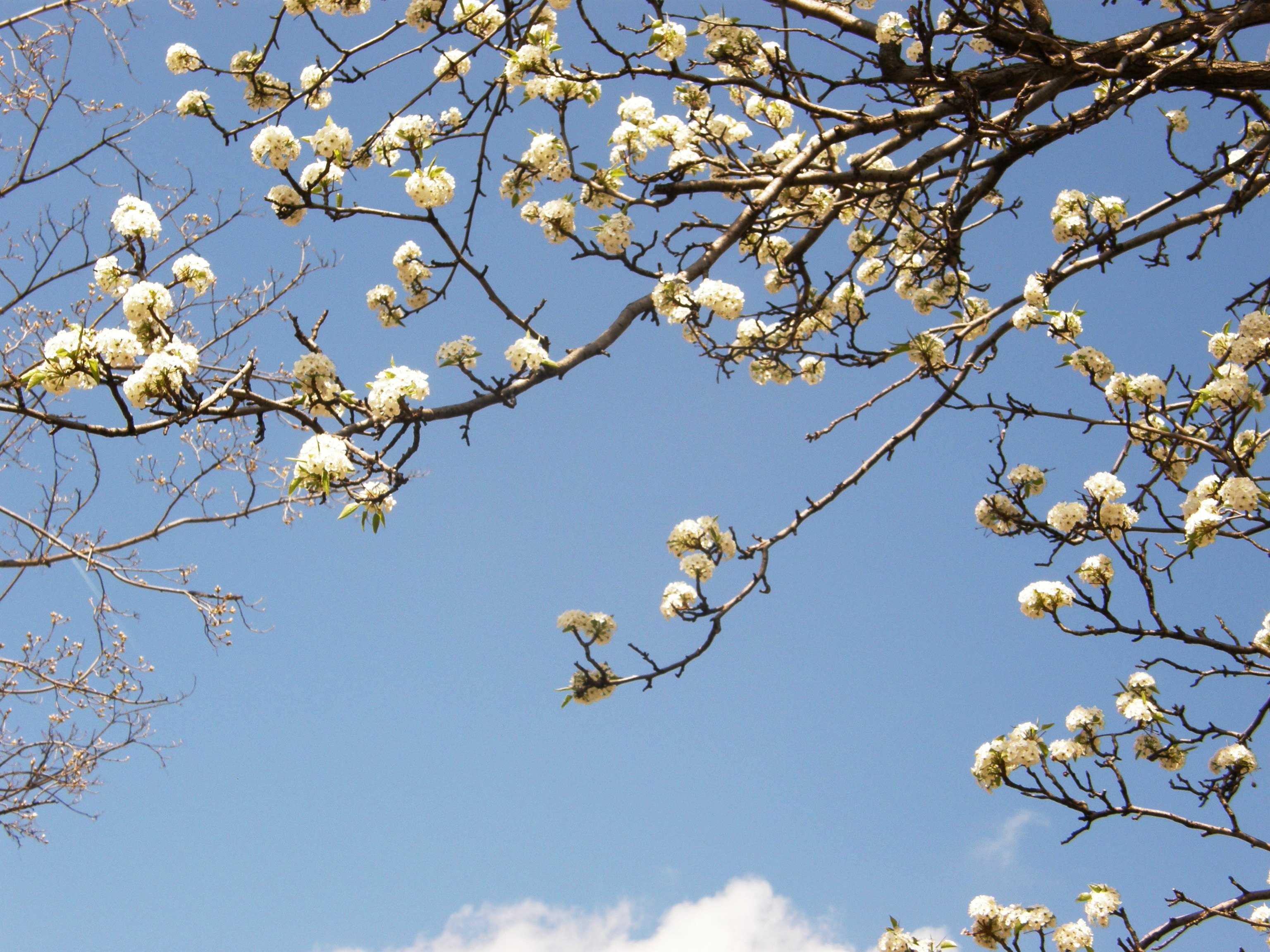
That week it rained white petals
and loss completed its

turn, the words finding themselves
alone, without measure,

without force, and no body to compare.
Though strangers spoke I could not.

Is this destiny, an unopened
mouth filled with

pebbles, a pear tree
deflowered by the wind? The earth’s

damp mound settles among your bones.

II. Count the Almonds

What bitterness
preserves your sleep,

reflects the eye’s
task along the inward thread?

Not the unspoken, but the unsayable.

Curious path, curious seed.
A shadow separates

to join another, and in the darker
frame carries the uncertain

further, past silence, past touch,
leaving its hunger alert and unfed,

allowing us our own protections.

III. The Bowl of Flowering Shadows

Reconciled, and of particular
grace, they lean, placing emphasis on balance,

on layer and focus, on depth of angle
absorbing the elegant darkness,

a lip, an upturned glance, the mirror.

What light caresses, it may destroy.
Even the frailest may alter intent.

So which, of all those you might recall,
if your matter could reform

and place you back into yourself,
would you choose? Forgive me

my selfishness, but I must know.

IV. Requiem

Then, you said, the art of nothingness
requires nothing more

than your greatest effort.
And how, seeing yours, could we,

the remaining, reclaim our
space without encroaching on what

you’ve left? One eye closes, then
the other. One mouth moves and another

speaks. One hears, one listens, the eternal
continuation. Rest, my friend. After.

Prentiss Moore influenced my reading and writing more than he ever realized. We spent many hours talking, eating, arguing, drinking, laughing. Always laughing – he had one of those all-encompassing laughs that invited the world to join in. And it frequently did. Through Prentiss I met in person one of my literary heroes, Gustaf Sobin, whose work Prentiss had of course introduced me to. Those few hours spent with the two of them driving around in my pickup truck, discussing poetry, the Texas landscape, horticulture and the vagaries of the publishing world, are hours I’ll always hold close.

Earth’s Damp Mound last appeared here in February 2016. It was first published in the anthology Terra Firma, and is included in my chapbook, If Your Matter Could Reform.
file0001831388228