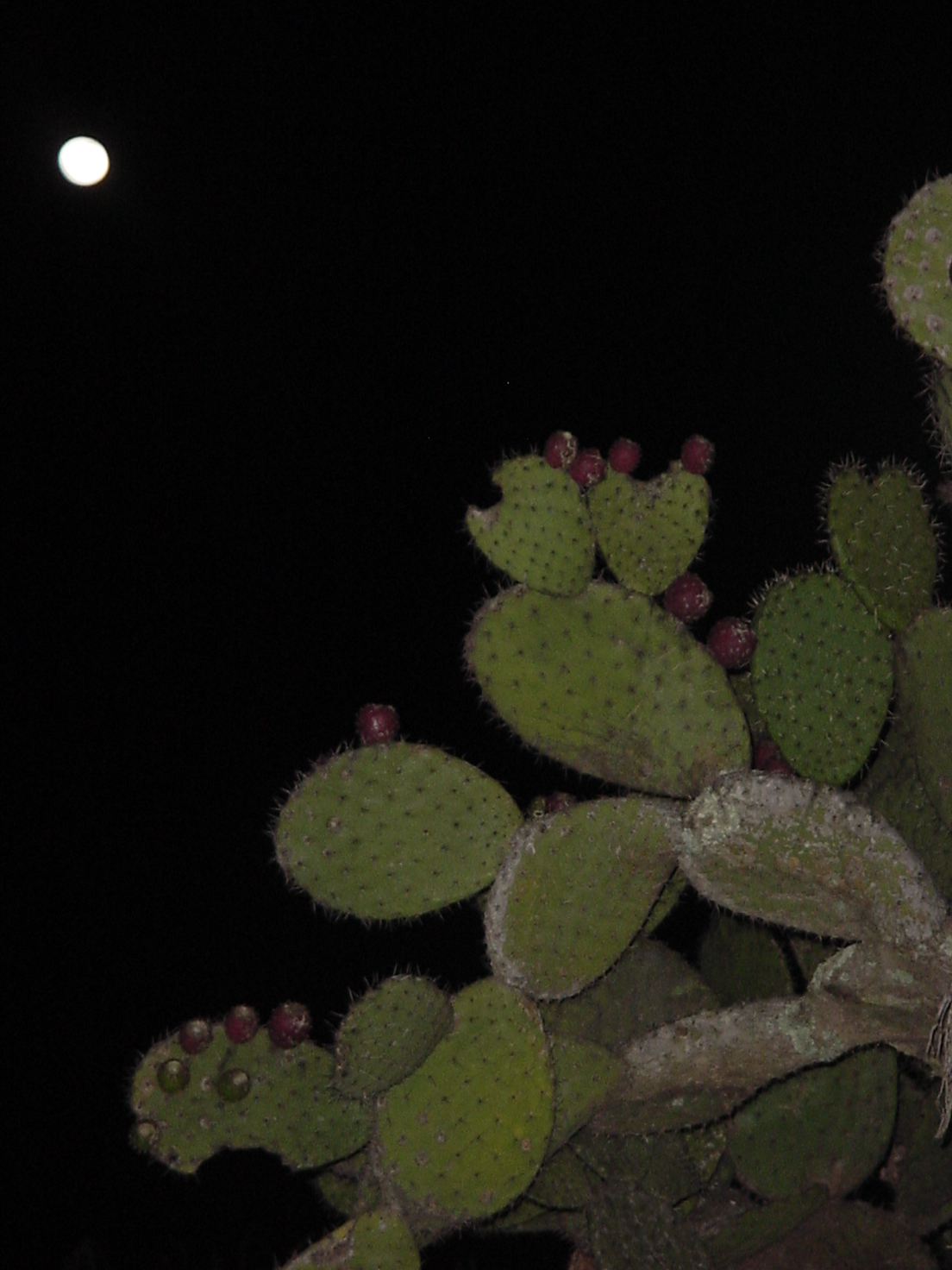
Even the Darkness
We must, she said,
open ourselves.
Like desert
to the night
sky, like a baby’s
mouth. Or words
in the unread book.
I nod, say
I understand, turn
and close the door.
Even the darkness
knows better.

Even the Darkness
We must, she said,
open ourselves.
Like desert
to the night
sky, like a baby’s
mouth. Or words
in the unread book.
I nod, say
I understand, turn
and close the door.
Even the darkness
knows better.

Dark Rain Ahead, Hummingbird
The black-chinned hummer buzzes my flowered shirt,
bringing to mind the letter H, its history of an inferior life among
letters, and a Phoenician origin signifying fence.
An aspirate dependent upon others, or a line strung between posts,
even whispered, H does not contain itself.
Disconsolate or annoyed, the bird moves on.
Do names depend upon the power of symbols, or do they power the symbols?
In the 6th century A.D., Priscian disparaged H, saying it existed only to accompany.
Clouds shade the way.
The black-chin extends its grooved tongue at a rate of 15 licks per second.
Alone, the H’s voice is barely audible.
Through the trees, across the crushed rock driveway and beyond the barbed wire
and chain link, I hear deadfall snapping under hooves.
At rest, its heart beats an average of 480 beats per minute.
Modern Greek denies its existence.
Say khet, say honor and where. Say hinge, sigh and horse. Say depth.
Originally published in Prime Number Magazine, one of my favorite online literary journals, in 2013, it subsequently appeared here in June 2015.
Links to my publications for September – November 2017:
This Island is a Stone, Mockingheart Review, September, 2017.
That Number Upon Which the Demand Lieth. Posit, September, 2017.
Pleasure in Absence of Ending (Enso). Posit, September, 2017.
At Work I Stand Observing My Diminished Self. Posit, September, 2017.
N is Its Child. Reservoir, October 2017.
Better Than Drowning. Underfoot, October, 2017.
Ghost, with a Line from Porchia. Underfoot, October, 2017.
Elegy. Underfoot, October, 2017.
Some Answers You Never Considered. Underfoot, October, 2017.
As Blue Fades. Underfoot, October, 2017.
River Carry Me. Underfoot, October, 2017.
The Three Disappointments of Pedro Arturo, Main Street Rag, October 2017. Print only.
Snails.Vox Populi, October 2017.
Letter to Schwaner from the Toad-Swallowed Moon, Hamilton Stone Review, October 2017.
Yellow, Lost. Wildness, October 2017.
Happy Circuitry.Figroot Press, October 2017.
If You Drop Leaves. Bad Pony, November 2017.

Earth
Tremor and
stone
beset upon the calm.
Now water
lines the road’s
bed, and we see
no means to pass.
Even so
you break what falls.
* * *
This first appeared in Ijagun Poetry Journal in December 2013, and is also included in my micro-chapbook, You Break What Falls, available (free of charge) for download from the Origami Poems Project: http://www.origamipoems.com/poets/236-robert-okaji

Read Stephanie L. Harper’s two poems at ISACOUSTIC*!
Stephanie L. Harper grew up in California, attended college in Iowa and Germany, completed graduate studies and gave birth to her first child in Wisconsin, and lives with her husband and children and writes poetry in Oregon. Her debut poetry chapbook, This Being Done (Finishing Line Press), will be released in June 2018.
Dross
when the glacial lake outburst
flood scored the dawn of her
watershed
bones in the earth
she was meant to be everything
everything other than this
bottleneck of basalt
fugitives
frozen within
foramina
this stenosis
unsounding
the tributaries—
the cascades un-sung
hungering
the millennia—
this distended
motherless
mantle of belly & breasts burbled to pitch
//
Chimera
Had you been capable of opening
your eyes you’d have seen
that the obvious upside
to my unique coalescence
of scaly-headed tail caprid skull
leonine belly & three belching maws
was my reliable prescience
to forewarn of cataclysm but
View original post 149 more words

Palinode (translation, passway, glass)
(translation)
What falters in translation? The dove’s silhouette resides
on the window three months after the sudden refusal. I
observe wingprints, the skull’s curve, a history of assumptions
angled in the moment of impact. And after, residue. Light’s
incident rests. One body whispers another’s shape and the
next rumbles through the narrowing passway. Traitorous,
I call it fact. I name it truth, and naming it, reverse the coat.
(passway)
I name it truth, but considered denial, root of the renegade’s
term. I have a bird to whistle and I have a bird to sing. Misperception
in flight. Betrayal’s gate, unhinged. What comes next? Sunlight
slants through the window each morning, and departs, bending
in reversal. Stones all in my pass. Dark roads. Another naming,
another transition. Trials waged in the grammar of refraction.
The deflected word.
(glass)
The deflected word reciprocates and the sky opens, outlining
its missing form. I have pains in my heart, they have taken my
appetite. Derived from wind, from eye, from hole. Once through,
what then? Mention archetype, and my world dims. Mention
windows, and I see processions and enemies lined along the way.
Boys, please don’t block my road. We select certain paths, others
choose us. Wingprints on glass.
* * *
Notes: italicized selections are from Robert Johnson’s “Stones in My Passway.”
This piece first appeared, in slightly different form, in ditch, in January 2014, and last appeared here in July 2016.
Deborah Brasket shows us connections between a poem, music and starlings.
 Zdislaw Beksinski
I came across this poem on one of my favorite blogs O at the Edges.
I love the image of the wave losing itself in dispersal only to rise again, just as music does in the playing, even in the inner repetitions, remaking itself.
Just as memory does, rising from mysterious depths only to disappear again.
Like murmuring starlings, spilling patterns across the sky.
So much “self-similarity” weaving this world together.
I leave you with three gifts: the poem that inspired me, the music that inspired him, and the wonder of murmuring birds.
By Robert Ojaki
That it begins.
And like a wave which appears
only to lose itself
in dispersal, rising whole again
yet incomplete in all but
form, it returns.
Music. The true magic.
Each day the sun passes over the river,
bringing warmth to it. Such
devotion inspires movement: a cello in the
View original post 40 more words

Nocturne with Flame
Not imposition, but welcome.
Another’s stirred embers, banked
and forming the kindling’s base.
Thus the licked paper curling with smoke,
stars shooting into the blackness,
and finally, exploding light
transformed to heat.
From one’s loss, another’s gain.
The flickering on my cheek.
Inhaled bitterness and memory.
The wait, the period before.
Like the owl in the live oak,
or the mice under our floor
returning, I celebrate the cycle,
and grow warm.
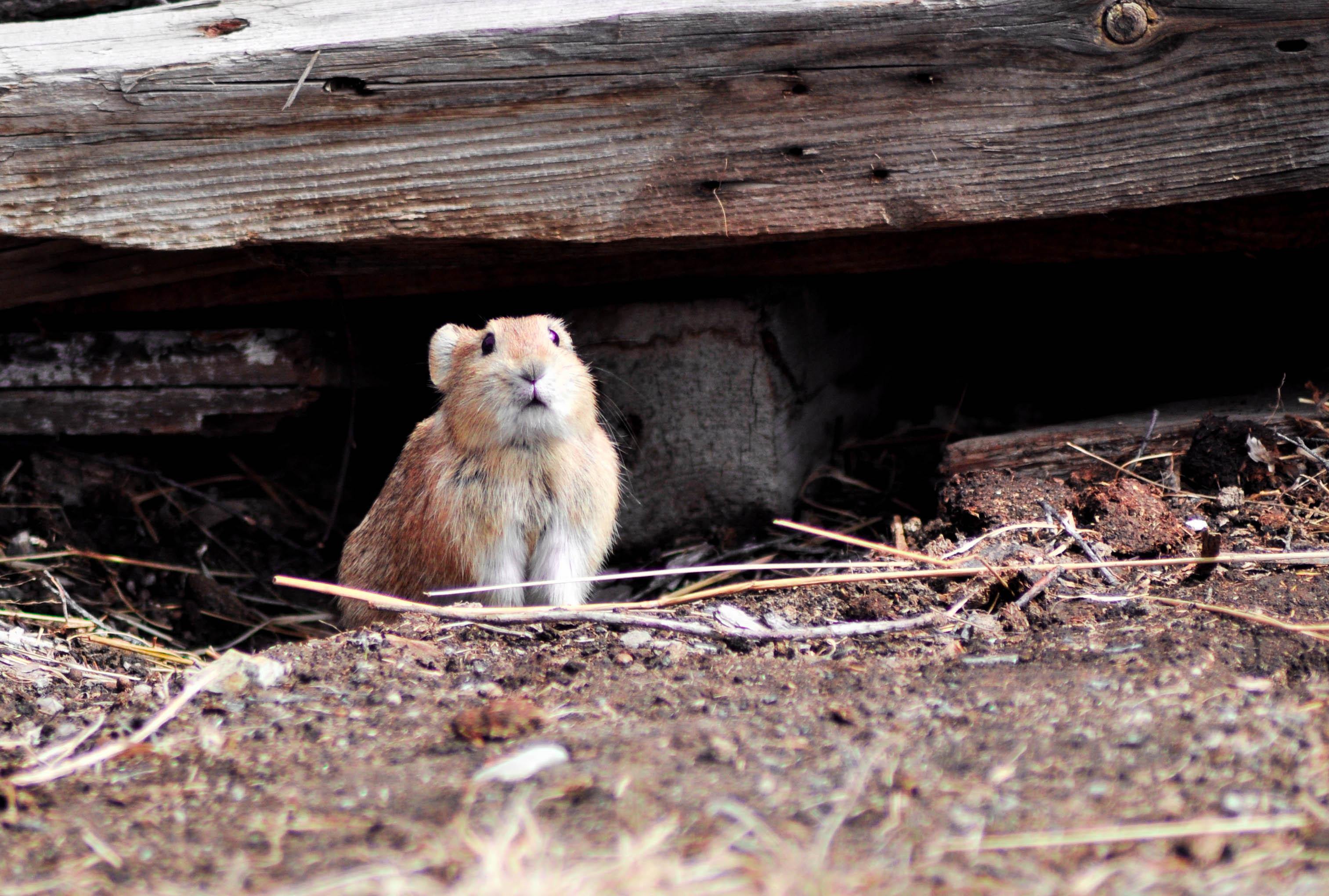
“Nocturne with Flame” appeared in The Galway Review in December 2016.
Acceptance Charm
She’ll take the river’s trace
over curl and leaf
and the street’s
dead end,
riveting eyes
even as they blink.
The narcotic’s benediction.
Renewal. Sleep.
That bed remains unmade,
stripped of purpose: no
caress a thigh would
recognize
dark fingers writing in air
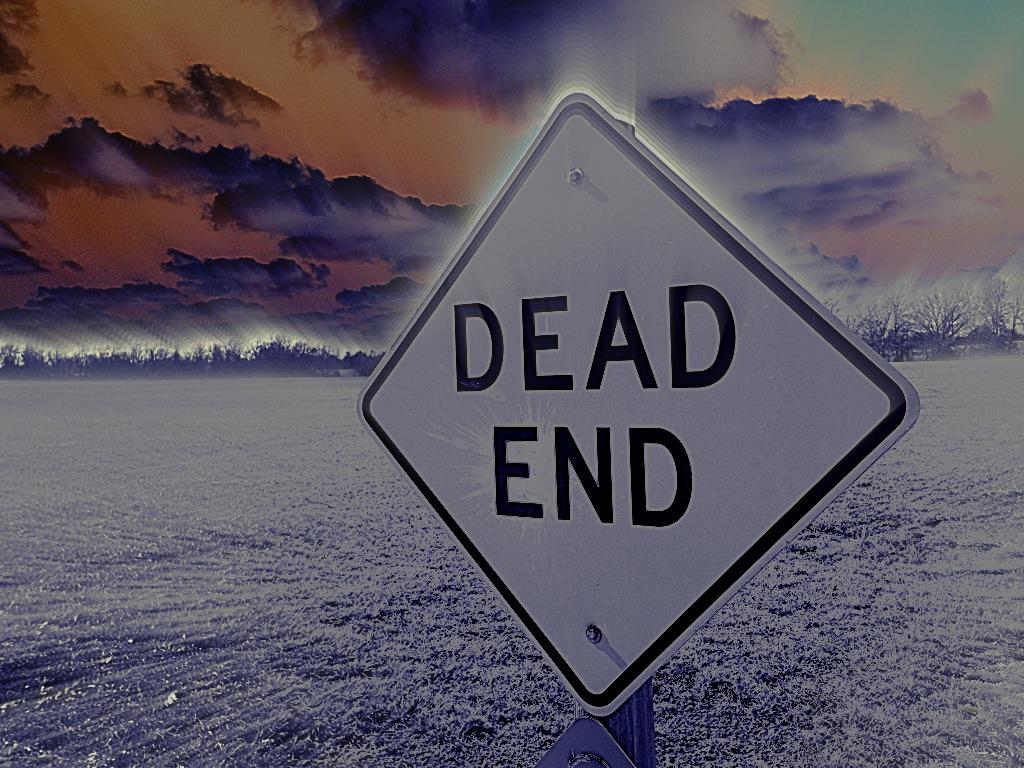
“Acceptance Charm” last appeared here in December 2016.

Snails
How convenient to carry a home on one’s back, I
think, disregarding heft and plumbing and the shape
of rooms too hollow to feel. Yesterday a box of African
chapbooks migrated to my doorstep, and I plucked
yellowing leaves from the tomato plant by the poetry
shack. Marine snails constitute the majority of snail
species, but we count first what we can see. Everything
turns–the days buzz by like male blackchins swooping
through their pendulum air-dance, and I tally my
diminishing hours from the safety of these walls.
Heliciculture is another word for snail farming, but
reminds me of stars spiraling wildly above my roof
each night, spewing poetic fire throughout the cosmos.
The neighbor mows her lawn and I observe the wind
stepping from treetop to treetop, another sign of the
earth’s continued rotation. Their slime permeates human
cosmetics to minimize premature skin aging, and was
once used medicinally to soothe coughs (I write this
as mucus slides down my throat, a response of the
lung’s filtration system to histamines). There is much
to consider about the intricacies of harvesting slime.
Most snail species consume plants, but a few are
predatory carnivores, which leads to questions
about their prey. Cooked in butter with garlic, served
with a dry white? I spear one, contemplate texture
and move on to the next, leaving behind no visible trail.
* * *
My poem “Snails” was published on Vox Populi in October 2017. Many thanks to founder and editor Michael Simms for giving this poem a home.


 O at the Edges